3648 results for «2322»
3648 results
Essentials in the management of calcified coronary stenosis
16 May 2024 – From EuroPCR 2024
This session focuses on the essentials of managing calcified coronary stenosis, including diagnostic pitfalls, selection strategies for appropriate plaque modification devices, and the safe and effective adoption of specific tools and techniques. Through interactive case discussions, attendees will learn how to effectively evaluate and treat calcified...
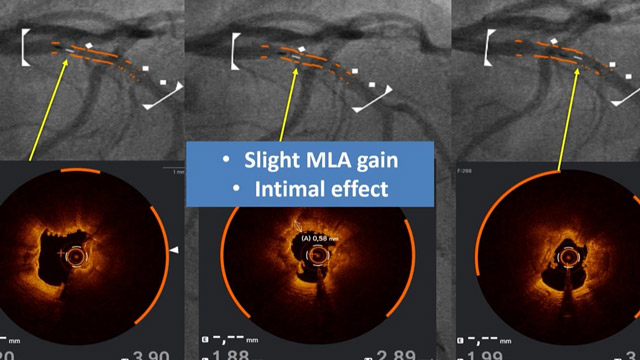
Complication occurring during PCI of calcified coronary lesions
17 May 2024 – From EuroPCR 2024
Join this in-depth session on the complications encountered during PCI of calcified coronary lesions, featuring real-world challenges like no flow with coronary dissection, stuck wires, and non-dilatable lesions. From the "Kokeshi phenomenon" to IVL-induced RCA dissection, this session highlights key lessons and red flags, emphasizing the...
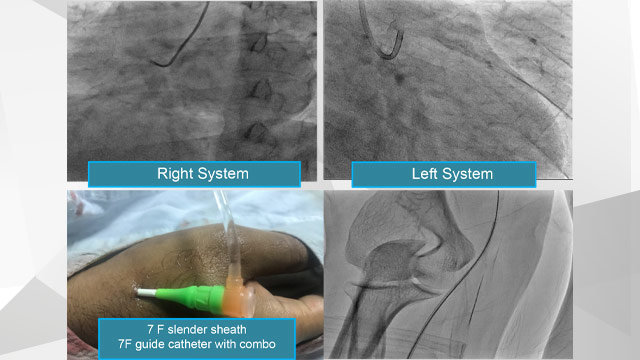
TAVI: how to deal with aortic regurgitation
16 May 2024 – From EuroPCR 2024
This session will explore various cases of TAVI for the management of aortic regurgitation, including patients with pure aortic regurgitation, large annuli, low coronary height, and left ventricular assist devices. Discussions will focus on the transcatheter approach, device selection, and techniques to address these challenging scenarios.
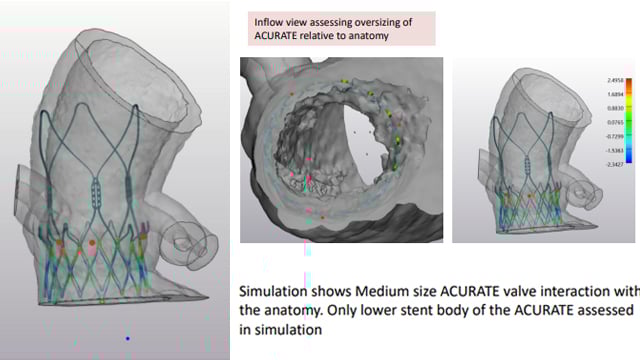
Optimising the procedural techniques to treat calcified coronary lesions
16 May 2024 – From EuroPCR 2024
This session will provide insights into various techniques and strategies for treating severely calcified coronary lesions. Participants will learn about the use of IVUS guidance, rotational atherectomy, and other plaque modification tools to overcome challenging calcified lesions and achieve optimal stent deployment.
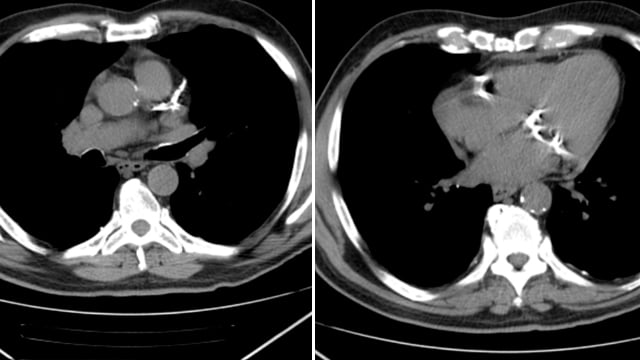
Acute coronary syndromes due to coronary dissection
16 May 2024 – From EuroPCR 2024
This session will explore various cases of acute coronary syndromes caused by coronary dissection. Participants will learn about the diagnosis, management, and treatment strategies for spontaneous coronary artery dissection, including the use of imaging and interventional techniques to address these challenging cases.
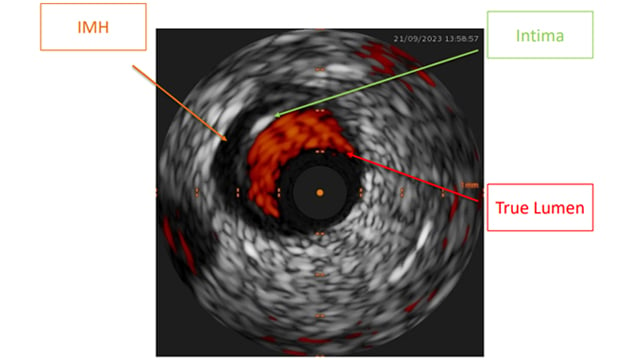
How to solve tricky coronary complications
16 May 2024 – From EuroPCR 2024
From balloon rupture during double-kissing crush stenting to a successful bailout for delayed coronary obstruction post-TAVI, and an unforeseen complication after chimney stenting in a high-risk patient, the session covers it all. Learn about the nuclear mushroom phenomenon during PCI in a calcified LAD, strategies for...
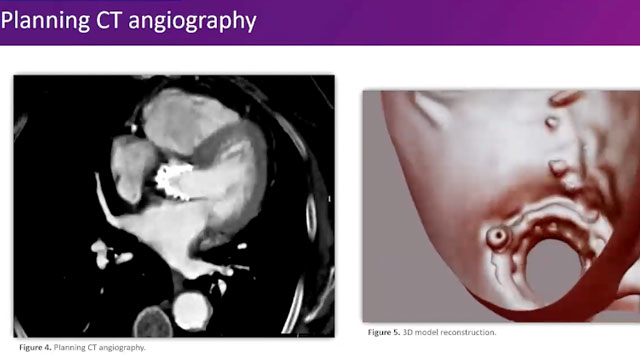
Valve-in-valve: utility of splitting devices
15 May 2024 – From EuroPCR 2024
This session focuses on the use of specialized splitting devices for transcatheter aortic valve-in-valve procedures. It features a case series demonstrating the application of a dedicated splitting device in failed TAVI valves, as well as the use of the BASILICA technique for transcatheter aortic valve replacement....
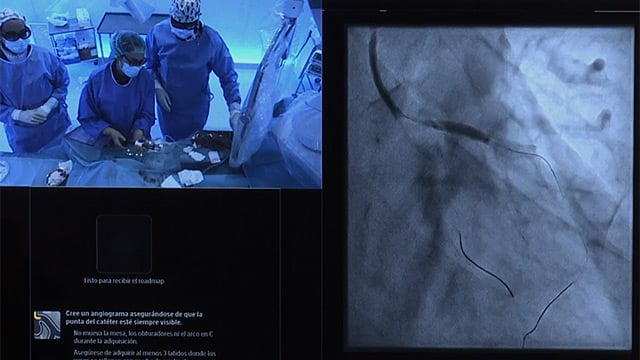
Left main and LAD bifurcation - LIVE Case
30 Jan 2026 – From SASCI-AfricaPCR
A 59‑year‑old man with a history of STEMI in 2019 (Cx PCI), as well as hypertension and dyslipidemia, presented with CCS class III angina. Coronary angiography revealed a chronic total occlusion (CTO) of the OM2 and a calcified ostial lesion of the LAD and first diagonal...
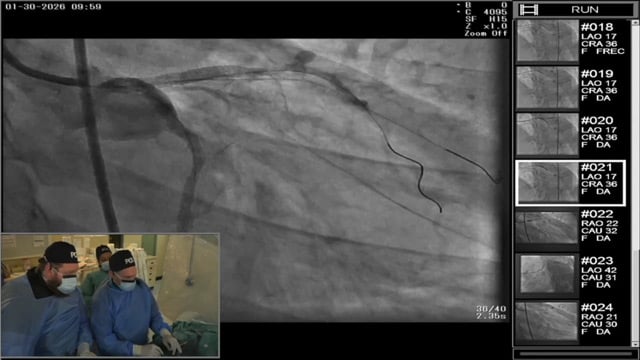
Calcified left main distal trifurcation PCI - LIVE Case
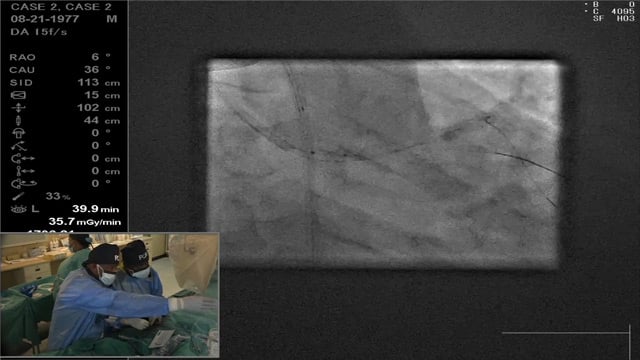
A 48‑year‑old man with hypertension and diabetes mellitus presented with a recent history of thrombolysed anterior acute MI and preserved left ventricular function. Coronary angiography revealed a severely calcified ostial LAD and ostial ramus lesion, along with diffuse disease of the RCA.
The ramus was treated with...
TEER in complex tricuspid regurgitation - LIVE case
14 Feb 2026 – From PCR Tokyo Valves 2026
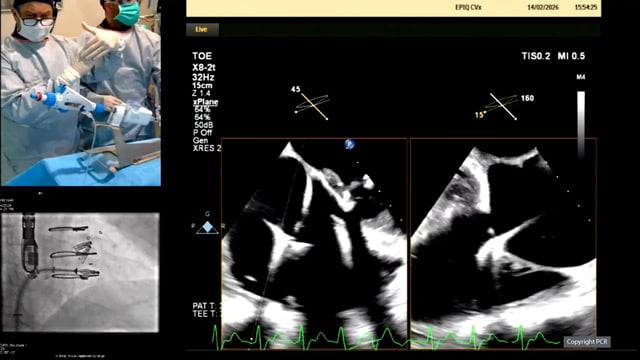
A 79-year-old male with permanent AF, prior colorectal and prostate cancer, and a Mosaic bioprosthetic mitral valve implanted in 2016, presented with torrential tricuspid regurgitation and preserved LV function.
Three G5 clips were implanted: two anteroseptal (1 XTW and 1 XT) and one posteroseptal XTW.
LIVE Educational Case...
Introducing the next era of coronary intravascular lithotripsy: an aero-volution in calcium modification
27 Feb 2026 – From Euro4C Annual Meeting
Explore the next era of coronary intravascular lithotripsy featuring innovative technology for calcium modification. This session covers the unique mechanism of action, practical application in complex cases, and recent clinical evidence supporting its safety and efficacy.
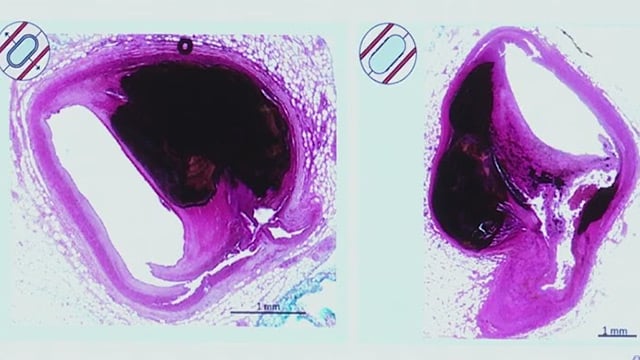
Novel Hertz Contact intravascular lithotripsy: calcium fragmentation with zero trade-offs
27 Feb 2026 – From Euro4C Annual Meeting
This session introduces the novel Hertz Contact intravascular lithotripsy system, designed for effective calcium fragmentation without trade-offs. It covers lesion types amenable to treatment, system mechanism, optimization tips, and discusses real-world cases along with supporting clinical trial evidence.
Hot topics and evidence on structural interventions in 2025 and 2026
14 Feb 2026 – From PCR Tokyo Valves 2026
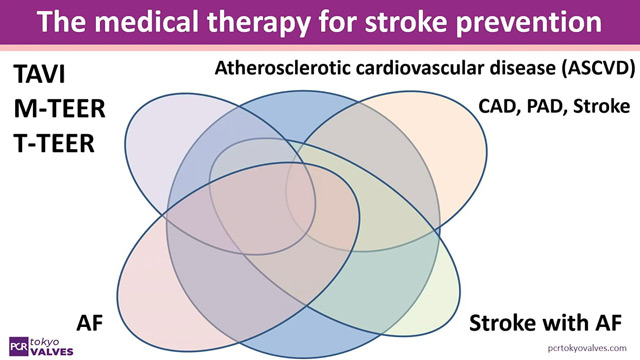
Delve into the emerging clinical evidence and key hot topics shaping transcatheter interventions for aortic, mitral, and tricuspid valve diseases anticipated to influence clinical practice in 2025 and 2026. This session reviews stroke prevention, valve interventions across the three valves, and integrates recent and upcoming data...
Prevention and management of TAVI complications
14 Feb 2026 – From PCR Tokyo Valves 2026
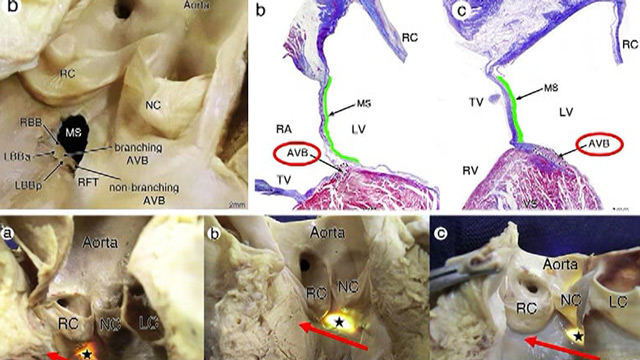
This session addresses the prevention and management of major complications associated with transcatheter aortic valve implantation (TAVI). Attendees will gain a detailed understanding of mechanisms behind cerebral infarction, haemolysis, valve infolding, pacemaker implantation, and valve migration, along with expert strategies for recognition, decision-making, and bailout techniques...
Primary mitral TEER in small anatomy - LIVE case
15 Feb 2026 – From PCR Tokyo Valves 2026
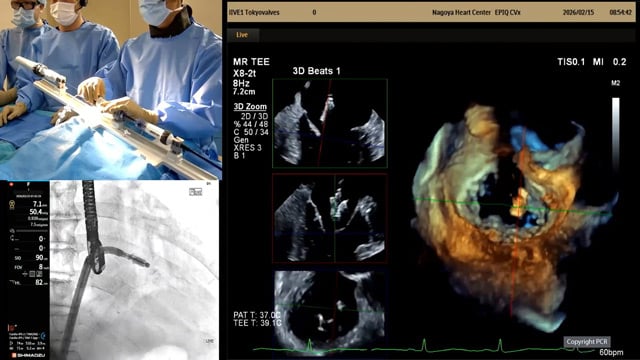
An 89-year-old male with diabetes mellitus, hypertension, chronic kidney disease (eGFR: 46), and CAD with a history of NSTEMI and CTO of the RCA, presented with symptomatic primary mitral regurgitation (P1–P2 prolapse) and preserved LV function (56%).
One Pascal ACE device was implanted.
LIVE Educational Case from Nagoya...
Guidelines update
15 Feb 2026 – From PCR Tokyo Valves 2026
This session reviews the latest updates in the ESC/EACTS guidelines for structural heart disease, emphasizing their clinical implications and future trends. Participants will gain understanding of changes in aortic, mitral, and tricuspid valve recommendations, including new age cutoffs, asymptomatic disease management, and the evolving role of...
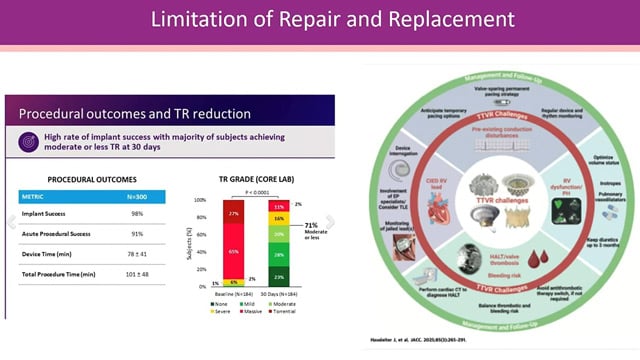
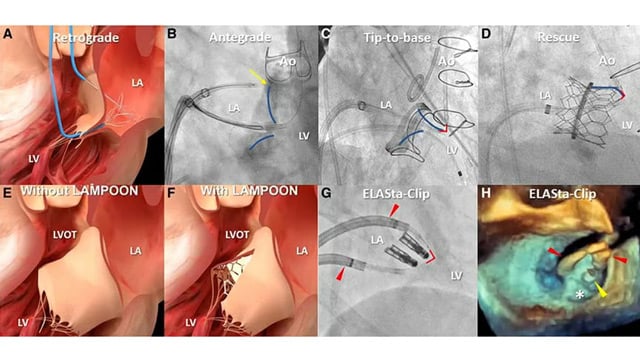
Future devices and techniques for structural heart disease
15 Feb 2026 – From PCR Tokyo Valves 2026
This session surveys the future landscape of structural heart disease treatment, addressing current limitations in transcatheter valve technologies and presenting emerging devices and techniques for aortic, mitral, and tricuspid valves. Attendees will gain insights into innovations poised to transform therapeutic options for structural heart disease.
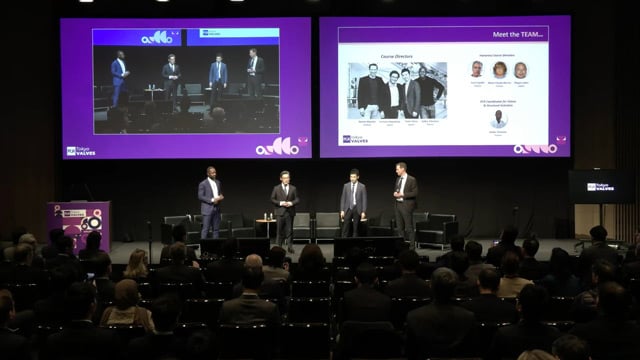
PCR Tokyo Valves 2026 Closing Ceremony
15 Feb 2026 – From PCR Tokyo Valves 2026
The Closing Ceremony marks the conclusion of this cardiology conference, providing a formal wrap-up and reflection on the key highlights and advancements presented throughout the event. It serves as an opportunity to acknowledge contributors and set the stage for future initiatives in interventional cardiology.
Mastering techniques from basic to complex - Mitral regurgitation assessment and suitability for TEER
13 Feb 2026 – From PCR Tokyo Valves 2026
Delve into the assessment of mitral regurgitation and the criteria determining suitability for Transcatheter Edge-to-Edge Repair (TEER). This session reviews mitral valve anatomy and the latest clinical data supporting mitral TEER interventions.
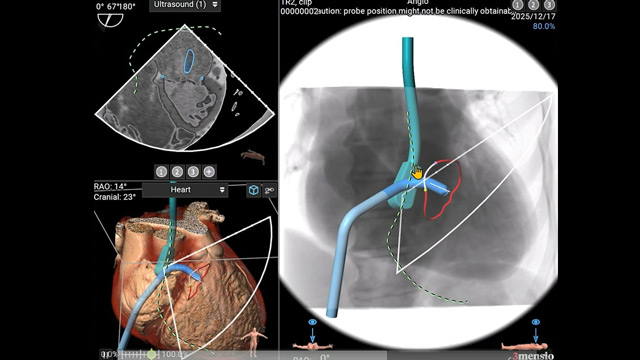
Mastering techniques from basic to complex - Tips and tricks for advanced mitral TEER: anatomy and imaging
13 Feb 2026 – From PCR Tokyo Valves 2026
Advance your expertise in mitral TEER by gaining anatomical insights, understanding device interaction with native valve structures, and learning to prevent and manage procedural complications through case-based imaging and live assessments.