


33 results for «1532»
33 results
TAVI sub-studies - Beyond the primary endpoint
21 May 2026 – From EuroPCR 2026
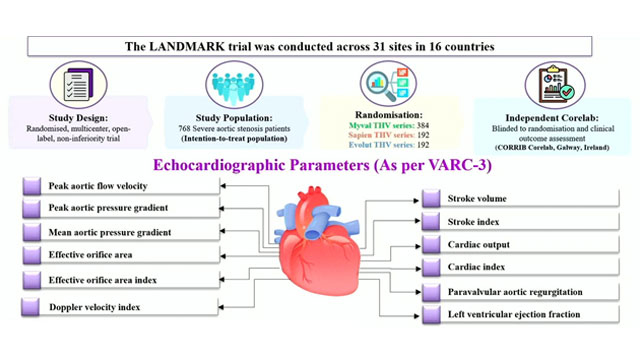
This session reviews key sub-studies from major TAVI trials that extend beyond primary endpoints to provide a deeper understanding of valve performance and patient outcomes. It covers comparisons between balloon-expandable and self-expanding valves, long-term real-world data on the Myval valve, echocardiographic outcomes, composite endpoint analyses, and...
Transcatheter mitral valve replacement
18 May 2022 – From EuroPCR 2022
In this session focusing on transcatheter mitral valve replacement, learn more about: who are the optimal patients, two clinical case examples - "meet the patient" and "a live CT analysis", and what to analyse and measure during the CT analysis.
Breaking new ground in mitral valve interventions
24 Nov 2024 – From PCR London Valves 2024
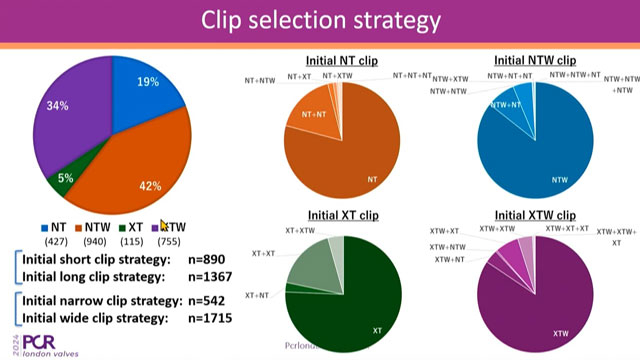
What’s shaping the future of mitral valve therapies? This video from PCR London Valves 2024 unveils groundbreaking late-breaking trials that redefine the possibilities in mitral interventions.
You'll explore real-world insights from the OCEAN-Mitral registry on the MitraClip G4, uncover the link between tricuspid regurgitation and 3-year mortality...
Miscellaneous complications: my worst nightmare
15 Feb 2026 – From PCR Tokyo Valves 2026
Explore the prevention and management of complications arising from transcatheter interventions in structural heart disease through challenging case analyses. This session presents real-world scenarios addressing complications encountered during TAVI, mitral, and tricuspid procedures, highlighting strategies to anticipate and manage these critical events effectively.
Complications and bailout strategies in transcatheter mitral interventions
15 Feb 2026 – From PCR Tokyo Valves 2026
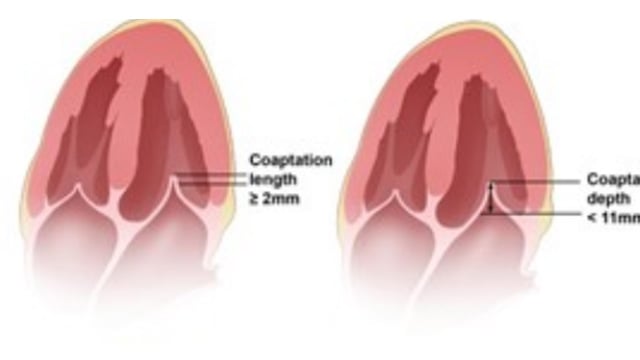
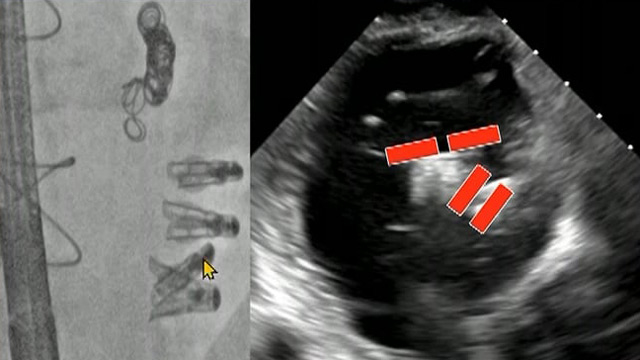
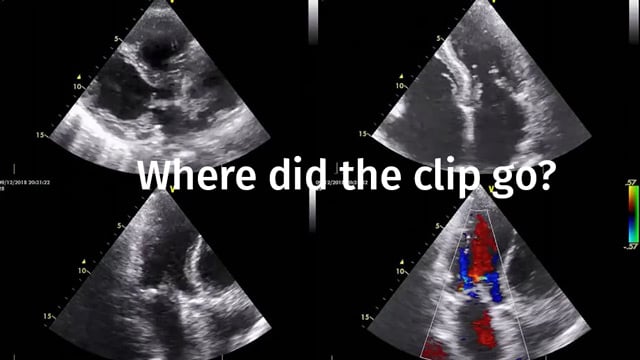
This session addresses complications arising during transcatheter mitral edge-to-edge repair (TEER), focusing on identification, anticipation, and management strategies. It also highlights the importance of case selection to improve procedural safety, supported by detailed case analyses covering leaflet/device, access/septal, and hemodynamic complications.
New devices for structural interventions
21 May 2025 – From EuroPCR 2025
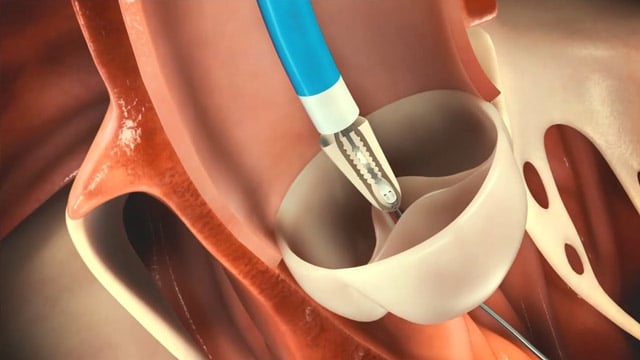
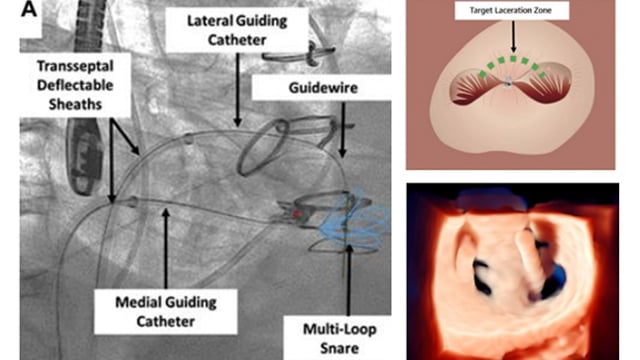
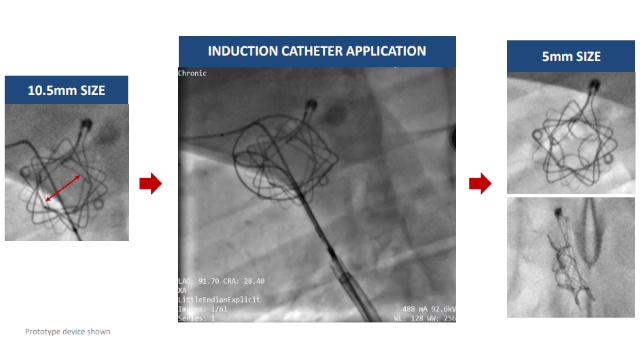
Discover emerging devices transforming structural heart interventions. This session highlights biomimetic valve designs, new transcatheter aortic valve systems, novel devices for aortic insufficiency, leaflet resection, left atrial appendage closure, and short self-expanding TAVR valves with promising early results.
How to optimise TAVI outcomes in the Asian-Pacific population?
22 May 2025 – From EuroPCR 2025
What are the key considerations for TAVI in Asian-Pacific patients? This EuroPCR 2025 session focuses on optimising outcomes in anatomically and clinically specific contexts, such as patients with small annuli. Learn how the latest intra-annular self-expanding devices can help reduce post-procedural pacemaker implantation (PPI) rates, and...

How to deal with residual or recurrent mitral regurgitation after failed surgical or transcatheter repair
28 Nov 2022 – From PCR London Valves 2022
Consul this session to learn more about the available treatment options after failed mitral surgical or transcatheter procedures, the factors that increase the likelihood of residual/recurrent mitral regurgitation, and more!
Innovations in heart failure: moving the heart forward
13 May 2024 – From EuroPCR 2024
New technology for transcather valve replacement - LIVE case
25 Nov 2024 – From PCR London Valves 2024
Watch a series of recorded cases showcasing advanced valve therapies and innovative techniques:
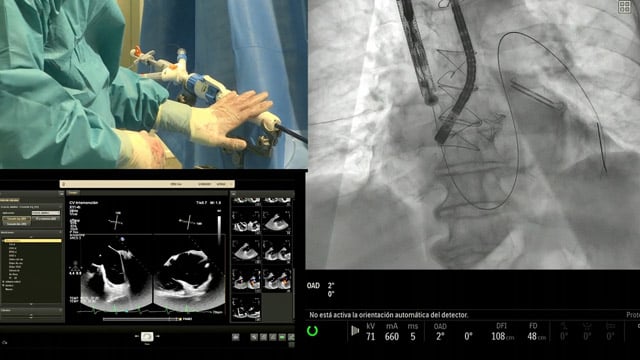
- A 70-year-old man with Marfan syndrome (treated by Bentall and CABG in 2012), impaired LV function (35%), CRT-D, and symptomatic severe primary MR (A2 prolapse with calcification) underwent implantation of an Intrepid valve under...
Transcatheter primary mitral regurgitation repair and tricuspid replacement - LIVE case
28 Nov 2022 – From PCR London Valves 2022
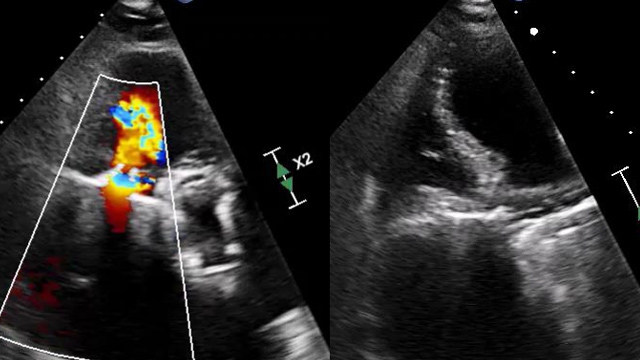
- Part 1: Primary MR repair (recorded case)
An 89-year-old male with atrial fibrillation, severe primary MR (prolapse A1-A2) with a preserved LV function. The operators implant 1 Pascal ACE, on general anaesthesia, guided by TEE. - Part 2: Tricuspid valve in valve (Live case)
A 52-year-old female, with diabetes and...
EuroPCR 2023 Hotlines/Late-Breaking Trials: mitral and tricuspid valves disease
17 May 2023 – From EuroPCR 2023
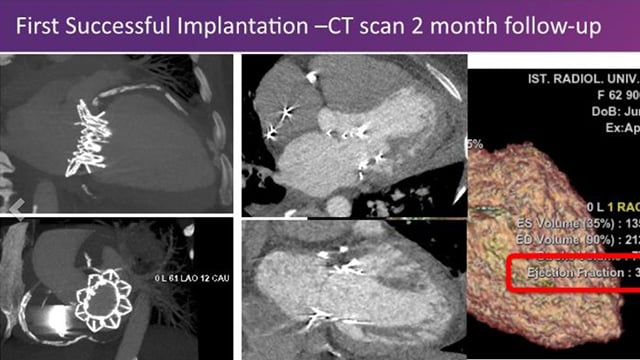
The presenters share their views on a range of essays and studies. Join them for an update on: Early experience with a d-shape, monoleaflet TMVR system; Outcomes of Mitral Valve-in-Valve, Mitral Valve-in-Ring and Valve-in-Mitral Annular; Calcification: prospective MITRAL; DRAGONFLY-DMR: transcatheter repair by DragonFly device in mitral...
Future directions of drug-coated balloon angioplasty
06 Feb 2025
Fernando Alfonso and Javier Cuesta discuss the growing role of drug-coated balloons as an alternative to stents in percutaneous coronary interventions. Highlighting advantages like reduced in-stent restenosis, they emphasize the need for robust clinical studies to refine DCB use.

Author

Author

- ← previous
- 1
- 2
- next →