3630 results for «739»
3630 results
Bailout techniques for complications during primary PCI
21 May 2026 – From EuroPCR 2026
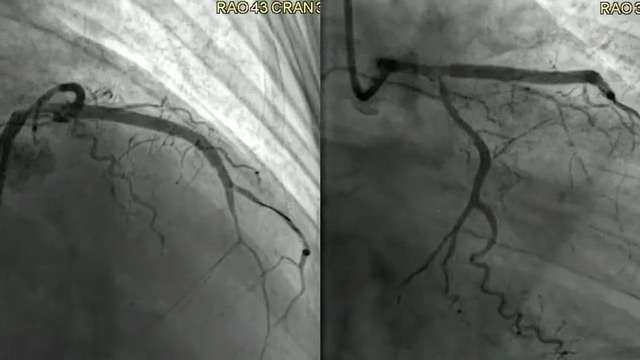
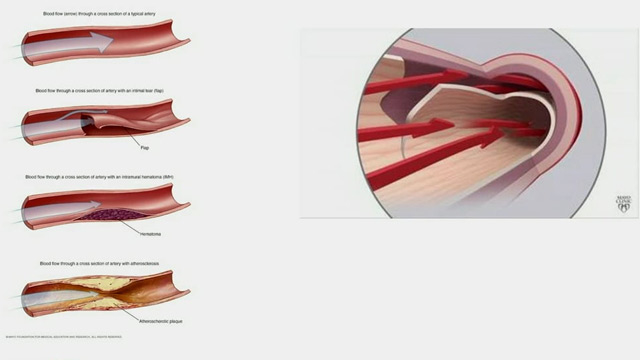
This session addresses bailout techniques during primary PCI complications. It covers a range of challenging scenarios such as coronary perforations and complex procedural issues, emphasizing rapid decision-making and effective treatment strategies to improve patient outcomes in high-stakes situations.
TAVI complications - Prediction, reduction, avoidance
21 May 2026 – From EuroPCR 2026
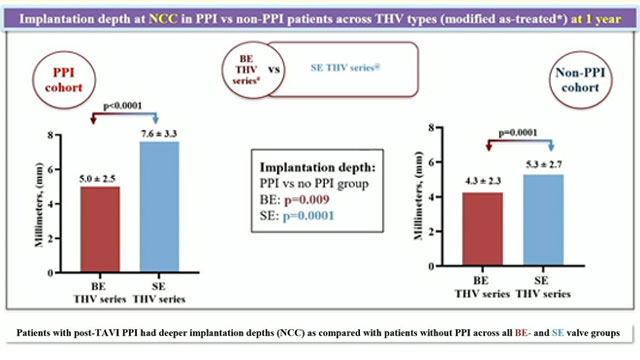
This session examines prediction, reduction, and avoidance of complications associated with TAVI procedures. It covers outcomes of second-valve implantation as a bail-out for valve migration, predictors of permanent pacemaker implantation post-TAVI from the LANDMARK trial, neurological event prognostics based on timing, and management of periprocedural cardiac...
Best complications on calcified lesions
20 May 2026 – From EuroPCR 2026
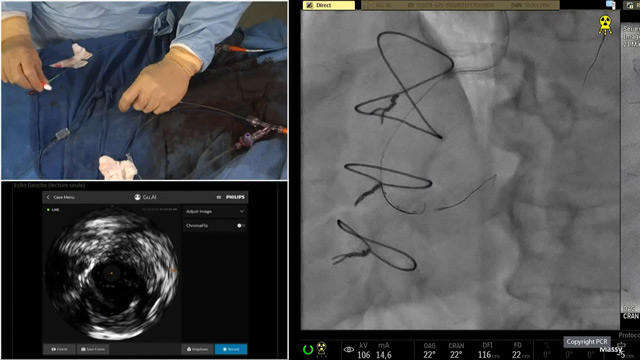
Highlighting challenging cases in calcified coronary lesions, this session presents a series of complications including stuck wires, the Kokeshi phenomenon, and multiple complications within a single vessel. It provides practical insights into rescue techniques and navigating complex procedural challenges.
New evidence for pharmacology for coronary artery disease
19 May 2026 – From EuroPCR 2026
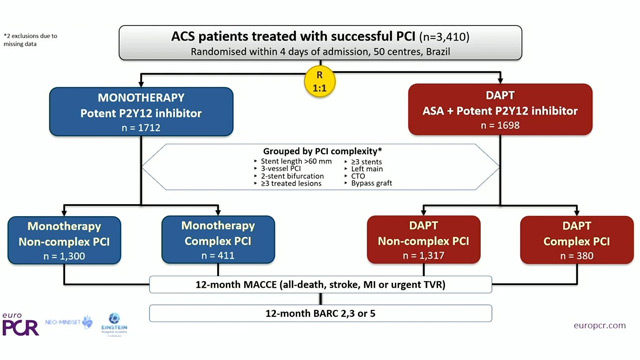
This session presents the latest evidence in pharmacological management of coronary artery disease, featuring pivotal trials such as VESALIUS-CV and TARGET FIRST. It covers topics including evolocumab efficacy post-stenting, early aspirin cessation strategies, aspirin-free protocols after complex PCI in ACS, and comparative outcomes of clopidogrel versus...
The impact of calcified and resistant lesions in clinical outcome of PCI
21 May 2026 – From EuroPCR 2026
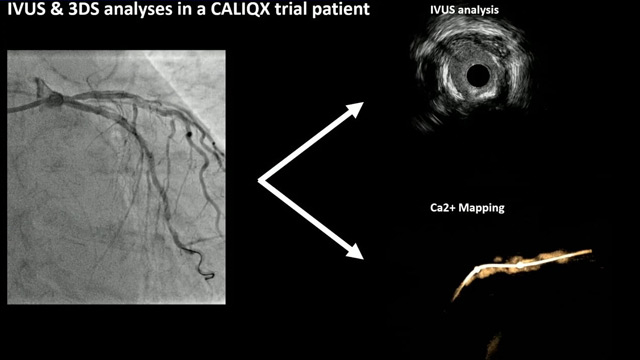
Delve into the clinical implications of calcified and resistant coronary lesions on percutaneous coronary intervention (PCI) outcomes. This session presents key registry data and study results on intravascular lithotripsy and plaque modification techniques, highlighting their impact on patient prognosis and stent performance.
Beyond first implant: valve-in-valve, redo and leaflet modification
20 May 2026 – From EuroPCR 2026
This session explores advanced transcatheter aortic valve therapies beyond the first implant, focusing on valve-in-valve, redo procedures, and leaflet modification techniques. Topics include bioprosthetic valve fracture, long-term outcomes from the DURA-ViV registry, simplified workflows for leaflet modification in redo-TAVI, and intravascular ultrasound evaluation of valve expansion...

CTO ADVANCED Level III: LIVE Educational Cases from Institut Cardiovasculaire Paris Sud, France & University Hospital Basel, Switzerland
21 May 2026 – From EuroPCR 2026
This advanced educational session features live complex chronic total occlusion (CTO) PCI cases from Institut Cardiovasculaire Paris Sud and University Hospital Basel. It emphasizes optimizing strategy selection, procedural efficiency across diverse CTO anatomies, and integrating advanced techniques into routine complex practice.
Beyond the diagnosis: a qualitative exploration of women’s experiences with cardiovascular disease
21 May 2026 – From EuroPCR 2026
This session presents a qualitative exploration of women's experiences with cardiovascular disease, highlighting unique challenges throughout their care pathway from diagnosis to rehabilitation. It shares robust patient experience data and offers recommendations aimed at improving cardiovascular care tailored to women’s specific needs.
TRISCEND: six-month outcomes of transfemoral tricuspid valve replacement in patients with TR - a written review
09 Nov 2021
The 6-month follow-up of the TRISCEND study was presented during the TCT Congress 2021 by principal investigator Susheel Kodali. Alessandro Sticchi & Jonathan Curio offer a review of this trial.

Author

Author
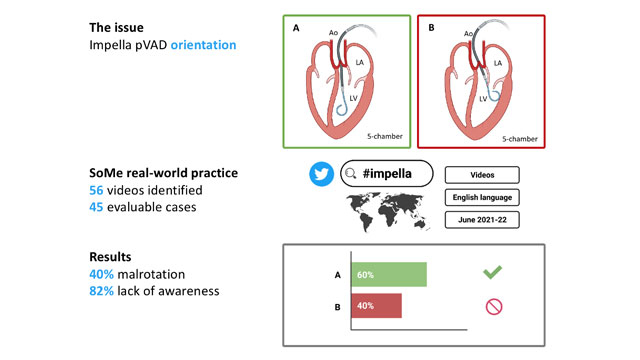
Impella percutaneous ventricular assist device malrotation in social media: a call to action
20 Apr 2023
The data from this study suggest that, from a SoMe perspective, correct Impella orientation is often overlooked, and that Impella malrotation is a common issue in real-world clinical practice, potentially associated with relevant complications.

Author

Author
Author

Author

Author