3646 results for «747»
3646 results
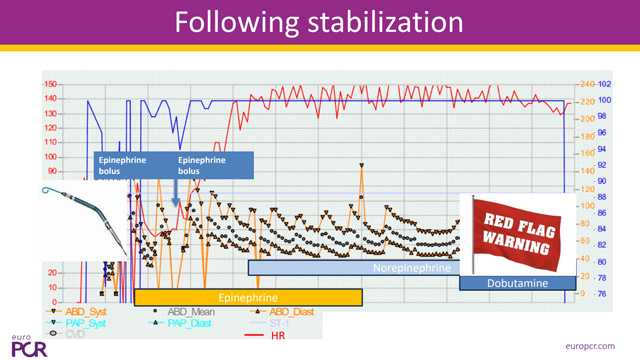
The pearl of unloading with mechanical circulatory support
21 May 2026 – From EuroPCR 2026
Delve into the critical aspects of mechanical circulatory support in cardiogenic shock, focusing on device selection, assessment of persistent congestion, and the application of unloading tools to improve patient management and outcomes.
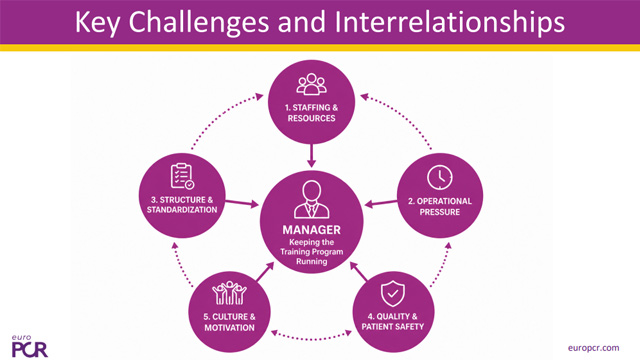
Let's train! How to build a functional training programme for our team?
21 May 2026 – From EuroPCR 2026
This session addresses the common barriers to effective cathlab training and offers a structured approach to building a functional training program tailored to your team's needs. Emphasis is placed on sustainable training models, teamwork, and evaluation methods to ensure competency development and continuous improvement in interventional...
Inflammation and cardiovascular risk
21 May 2026 – From EuroPCR 2026
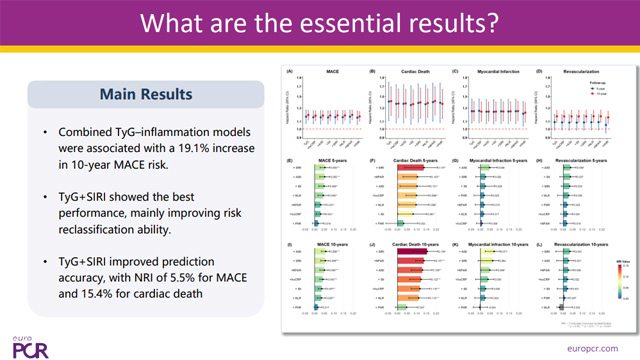
Exploring the interplay between inflammation and cardiovascular risk, this session reviews contemporary research on residual risk post-PCI, inflammatory markers in coronary artery disease especially in type 2 diabetes and ACS, and prognostic tools including lipoprotein(a) and systemic inflammation indices.
Modern risk prediction in TAVI
21 May 2026 – From EuroPCR 2026
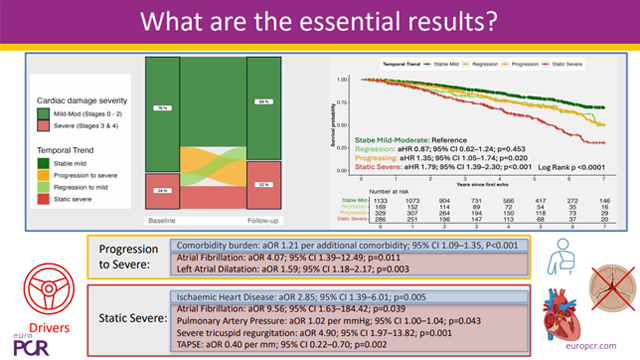
This session examines modern risk prediction models in transcatheter aortic valve implantation (TAVI). It presents novel scoring systems, the prognostic significance of cardiac damage extent and progression, and the impact of multivalvular disease, enhancing patient stratification and outcome prediction.
Stratified treatment of myocardial infarction with non-obstructive coronary arteries: the PROMISE trial
31 Oct 2025
Nicola Ryan provides her take on the PROMISE trial presented by Rocco Antonio Montone at TCT 2025, in San Francisco.

Author

Drug-coated balloon (DCB) technology: A pioneer’s view of the historical evolution and future directions
08 Jan 2025
In this article, Bruno Scheller explores advances in local drug delivery, from drug-coated balloons to novel antiproliferative agents. These innovations aim to reduce restenosis, minimize permanent implants, and pave the way for patient-specific coronary artery disease treatments.

Author