


3644 results for «2813»
3644 results
Physiological vs. anatomical assessment of multivessel disease patients
21 May 2026 – From EuroPCR 2026
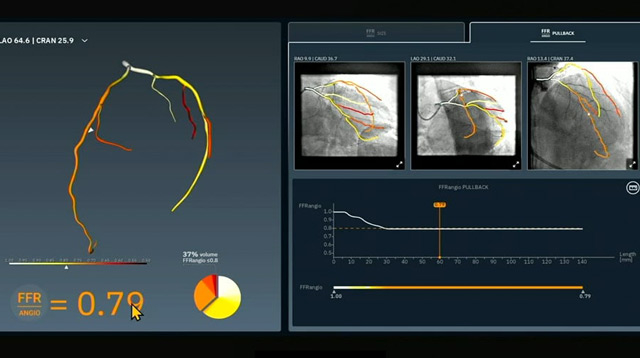
This session delves into the comparative benefits of physiological versus anatomical assessment in patients with multivessel coronary disease, focusing particularly on myocardial infarction cases. Attendees will explore how coronary physiology can guide complete revascularisation, the added value of physiological assessment beyond conventional angiography, and the selection...
New insights in coronary atherosclerosis using intracoronary imaging
21 May 2026 – From EuroPCR 2026
This session provides new insights into coronary atherosclerosis through intracoronary imaging studies. It investigates the relationship between Lp(a) levels and high-risk plaques, characteristics of vulnerable plaques and thrombus in ACS, non-culprit lesion events, lipid core burden in STEMI, and the prognostic value of AI-derived lipid-to-cap ratios,...

Refining PCI plannings and decision-making with novel technologies
21 May 2026 – From EuroPCR 2026
This session highlights cutting-edge technologies that enhance PCI planning and decision-making. It covers the clinical populations benefiting from QFR-guided revascularisation, prognostic insights from radial wall strain in DCB-treated vessels, and advances in artificial intelligence and machine learning to assess ischemia and predict PCI outcomes, especially in...

Increasing efficiency in CTO PCI
21 May 2026 – From EuroPCR 2026
Focused on increasing efficiency in CTO PCI, this session covers diverse technical approaches including overcoming unexpected anatomical barriers, multiple wiring techniques, microchannel selection in bifurcation lesions, managing tortuous right coronary artery CTOs, unconventional strategies for uncrossable CTOs, and adapting perspectives in patients with previous CABG.
Optimising TAVI care pathways
21 May 2026 – From EuroPCR 2026
This session examines innovations in TAVI care pathways aimed at improving patient outcomes and healthcare efficiency. Topics include large-scale transatlantic data on day-case TAVI, standardized ECG conduction algorithms reducing hospital stay, nurse-led structured pathways, feasibility of very early discharge, and urgent outpatient TAVI for severe aortic...
Optimising the results of non-left main bifurcation PCI
21 May 2026 – From EuroPCR 2026
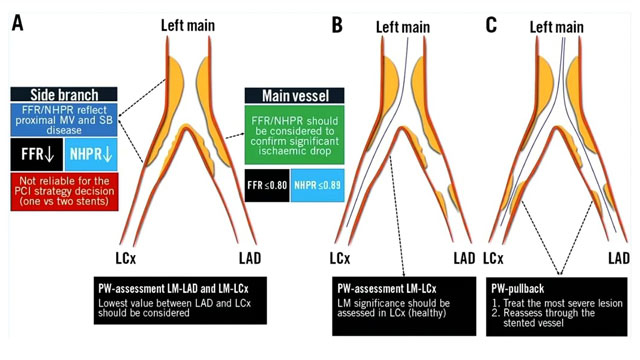
This session focuses on optimizing outcomes in non-left main bifurcation PCI by emphasizing lesion preparation and stent sizing guided by intravascular imaging. It integrates physiological and imaging assessments for confident final result evaluation and discusses criteria for selecting upfront two-stent strategies in bifurcation lesions.
Advancing TAVI practice
21 May 2026 – From EuroPCR 2026
Advancing TAVI practice is the focus of this session, addressing antiplatelet therapy choices, novel transcatheter treatments for pure aortic regurgitation, early hemodynamic valve deterioration as a prognostic marker, prosthesis-patient mismatch in redo-TAVI, pioneering valve-in-mechanical valve interventions, and comprehensive core-lab evaluation of implantation depth and clinical outcomes.
TAVI procedural complications - Part 7: coronary protection, valve embolisation, and more
21 May 2026 – From EuroPCR 2026
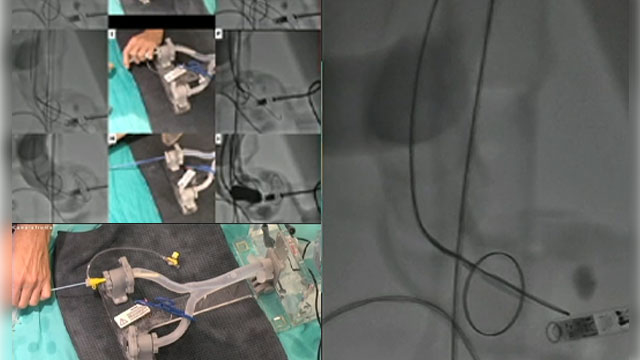
This session addresses complex procedural complications in TAVI, featuring challenging cases such as rupture of the sinus of Valsalva, innovative bailouts for valve embolisation, mechanisms of aorta-right ventricular fistula post-TAVI, and management strategies for failed surgical aortic valves after endocarditis.
TAVI - Procedural strategy
21 May 2026 – From EuroPCR 2026
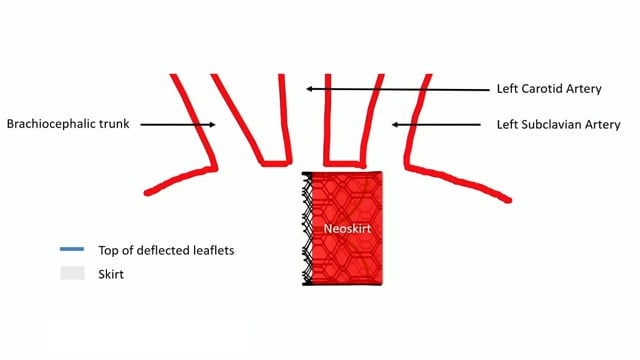
This session focuses on procedural strategies for TAVI, examining the influence of coronary artery disease severity on PCI decision-making, revascularisation approaches in high-bleeding risk patients, the role of CT imaging and implant depth in procedural planning, and comparative evaluation of pre-dilatation versus direct valve implantation in...
Is DCB the new gold standard for side branch treatment in bifurcation?
21 May 2026 – From EuroPCR 2026
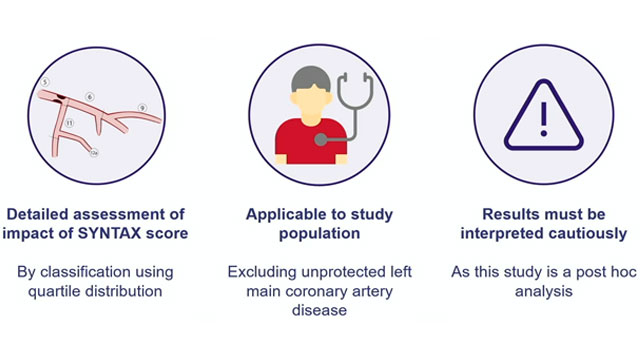
This session explores the emerging role of drug-coated balloons (DCB) as a potential new standard for side branch treatment in bifurcation lesions. It focuses on selecting appropriate indications, optimal vessel preparation and delivery timing, and executing stepwise DCB strategies versus hybrid approaches to maximize clinical outcomes.
Publishing in interventional cardiology: aligning authors, editors and impact
21 May 2026 – From EuroPCR 2026
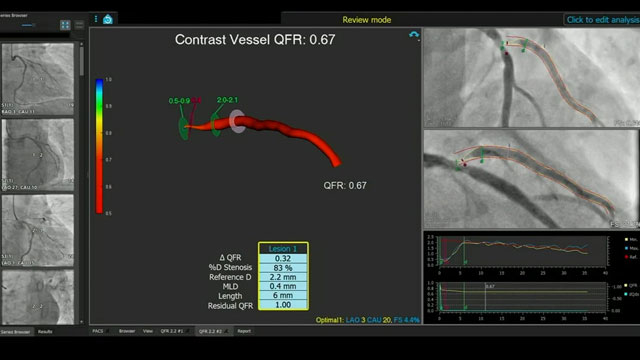
This session offers a comprehensive perspective on publishing in interventional cardiology by aligning the expectations of authors, editors, reviewers, and readers. It addresses differences in paper interpretation, common misalignments between scientific intent and editorial outcomes, and strategies to enhance clarity, relevance, and impact of scientific publications.
Beyond the diagnosis: a qualitative exploration of women’s experiences with cardiovascular disease
21 May 2026 – From EuroPCR 2026
This session presents a qualitative exploration of women's experiences with cardiovascular disease, highlighting unique challenges throughout their care pathway from diagnosis to rehabilitation. It shares robust patient experience data and offers recommendations aimed at improving cardiovascular care tailored to women’s specific needs.
Precision TAVI - Seering marginal gains
21 May 2026 – From EuroPCR 2026
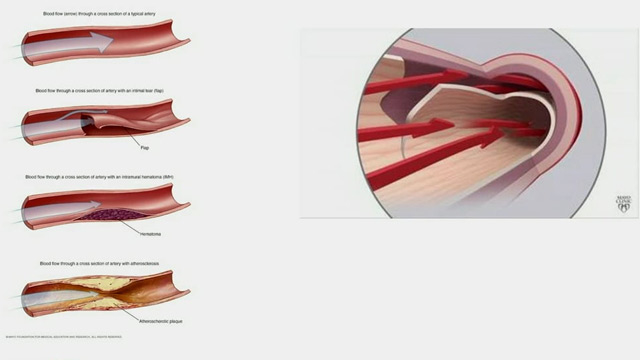
This session delves into precision techniques in transcatheter aortic valve implantation (TAVI), highlighting novel stepwise implantation methods for self-expanding valves, the effects of internal diameter and valve fracture on gradients post valve-in-valve TAVI, and comparative analyses of implantation-depth variability across large-size TAVI platforms. Additionally, it evaluates...
TAVI procedural complications - Part 8: aortic dissection, multiple valves procedures, and more
21 May 2026 – From EuroPCR 2026
This session addresses complex procedural complications encountered during TAVI, featuring challenging cases such as aortic dissection, multiple valve procedures including redo TAVI in patients with left ventricular assist devices, and structural failures like valve infolding and embolisation. It emphasizes strategic decision-making under critical circumstances to optimize...
Risk and prognosis predictors in STEMI
21 May 2026 – From EuroPCR 2026
This session explores key risk and prognostic factors in ST-elevation myocardial infarction (STEMI), encompassing biomarker-based outcome prediction, the influence of low-density lipoprotein cholesterol on myocardial injury, and thrombotic risk in atrial fibrillation patients undergoing PCI. It further examines gender differences in young STEMI patients, the safety...
Primary PCI dilemmas: when imaging saves the day
21 May 2026 – From EuroPCR 2026
This session highlights the pivotal role of imaging in resolving dilemmas during primary percutaneous coronary intervention (PCI). It presents complex cases illustrating challenges such as coronary compression, thrombus burden in large vessels, and culprit lesion identification, including the use of high-definition intravascular ultrasound (HD-IVUS) to reclassify...
Haemodynamic support: from shock to complex high-risk interventional problems
21 May 2026 – From EuroPCR 2026
This session examines haemodynamic support from cardiogenic shock through to complex high-risk interventional cardiology procedures. It features registry data, clinical outcomes, and procedural techniques including mechanical circulatory support and arterial access strategies.
Overcoming complications with intracoronary imaging
21 May 2026 – From EuroPCR 2026
Explore challenging cases of intracoronary imaging complications, highlighting recognition, management, and resolution of complex vascular and mechanical issues encountered during coronary interventions.
Percutaneous management of mitral and aortic valve disease
21 May 2026 – From EuroPCR 2026
Delve into the percutaneous management of mitral and aortic valve disease through detailed procedural demonstrations. This session covers valve-in-valve procedures, navigation of potential complications in valve-in-valve TAVI, and mitral valve edge-to-edge repair techniques, supported by real-world case discussions and key learnings.
Refining management of NSTEMI
21 May 2026 – From EuroPCR 2026
This session refines NSTEMI management by exploring advanced diagnostic tools, risk stratification, and tailored revascularization strategies, including bleeding risk assessment and dual antiplatelet therapy considerations.