3644 results for «2759»
3644 results
Images that speak for themselves
20 May 2026 – From EuroPCR 2026
This visually-driven session presents compelling clinical cases where imaging played a decisive role. Cases include unexpected challenges following transcatheter tricuspid valve replacement, severe hypertension in a young athlete, atypical coronary artery anatomy, critical moments of cardiac arrest, and unique coronary artery findings resembling a spider web.

Innovations in structural interventions
20 May 2026 – From EuroPCR 2026
Highlighting the forefront of structural heart interventions, this session presents innovations including novel devices and technologies from industry leaders. It features advancements such as a new transseptal left atrial fixation device designed to expand the suitability of transcatheter mitral valve replacement (TMVR).

Imaging guidance in everyday practice
20 May 2026 – From EuroPCR 2026
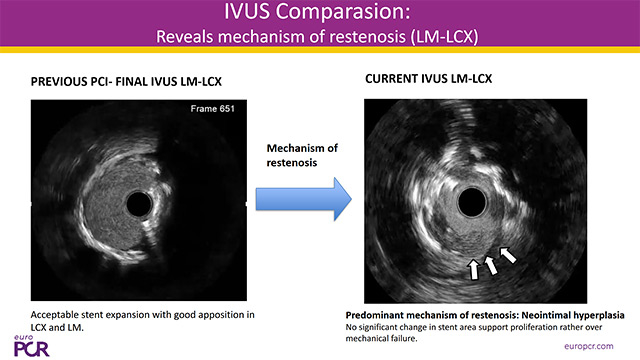
This session emphasizes the role of imaging guidance in everyday interventional cardiology practice. Through challenging cases involving exertional chest pain, unusual coronary anatomy, complex left ventricular access, side branch navigation, and IVUS-guided re-intervention, it underscores the critical value of advanced imaging for diagnostic clarity and procedural...
TAVI in aortic regurgitation with a dedicated valve - LIVE case
20 May 2026 – From EuroPCR 2026
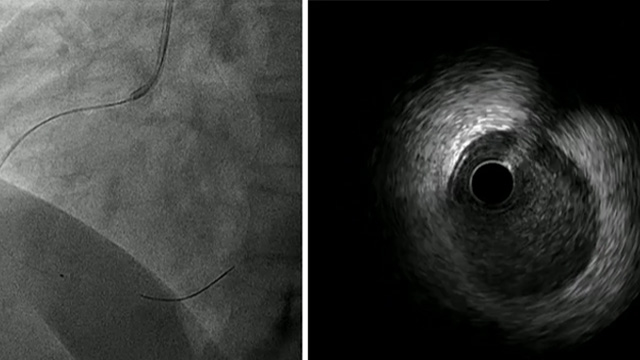
An 80-year-old male with chronic kidney disease, a history of colon cancer (2013), paroxysmal AF, and LAD PCI 2 weeks earlier presented with symptomatic severe type III AR. He had normal LV function, but early LV dilation. The mechanism of AR was a combination of primary...
When transfemoral is not an option: is TAVI still possible?
20 May 2026 – From EuroPCR 2026
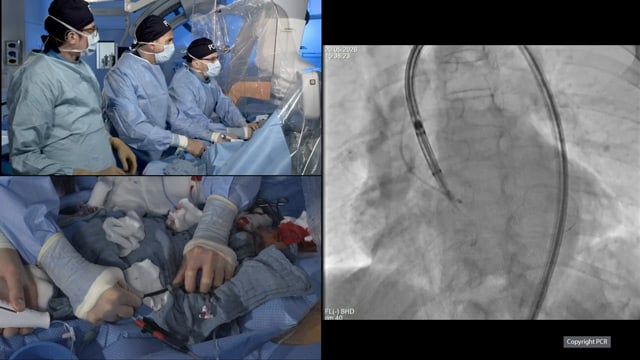
This session explores alternative access strategies for Transcatheter Aortic Valve Implantation (TAVI) when the transfemoral route is not feasible. It covers complex scenarios including transcaval TAVI complications, transaxillary approaches, management of extra-large annuli with peripheral artery disease, and innovative transcarotid valve-in-valve procedures.
Secondary mitral regurgitation: not all patients are the same
20 May 2026 – From EuroPCR 2026
Examining secondary mitral regurgitation, this session differentiates patient phenotypes and discusses the application of updated guideline recommendations. It offers practical guidance on selecting the appropriate device tailored to individual patient characteristics, supported by detailed case studies.
Imaging and physiology-guided DCB strategy
20 May 2026 – From EuroPCR 2026
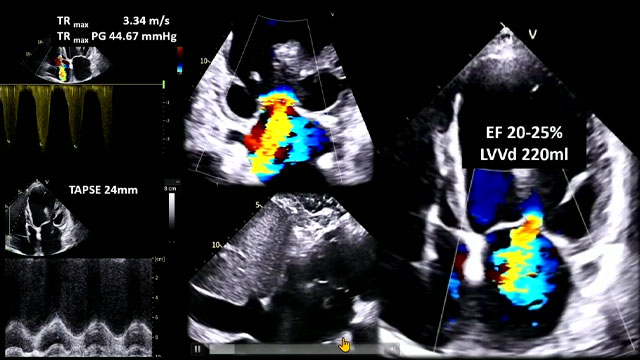
Delve into advanced imaging and physiology-guided drug-coated balloon (DCB) strategies for complex coronary lesions. This session presents integrated approaches combining morphology and physiology, OCT guidance, and real-world cases highlighting DCB use in multivessel disease and calcified lesions.
Imaging to the rescue in LAA closure
20 May 2026 – From EuroPCR 2026
This session highlights the pivotal role of advanced imaging modalities in left atrial appendage (LAA) closure. Topics include novel risk assessment workflows for air embolism, evaluation protocols using cardiac CT and 3D TEE, reproducibility of anatomical classifications, and long-term follow-up outcomes with various imaging techniques.
Best complications on calcified lesions
20 May 2026 – From EuroPCR 2026
Highlighting challenging cases in calcified coronary lesions, this session presents a series of complications including stuck wires, the Kokeshi phenomenon, and multiple complications within a single vessel. It provides practical insights into rescue techniques and navigating complex procedural challenges.
Complication one: PCI complications occuring during urgent PCI for NSTEMI
20 May 2026 – From EuroPCR 2026
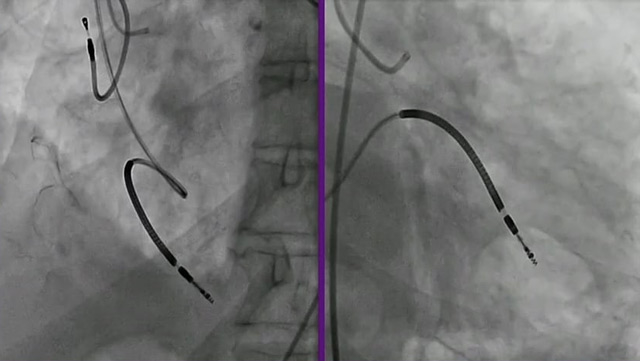
Examine real-world PCI complications encountered during urgent interventions for NSTEMI patients. This session presents a series of complex cases illustrating management strategies for adverse events such as coronary perforations, device issues, and imaging challenges to inform safer procedural practice.
How to obtain a surgical-liked result in a patient with primary mitral regurgitation?
20 May 2026 – From EuroPCR 2026
This session delves into achieving surgical-like outcomes in patients with primary mitral regurgitation undergoing transcatheter edge-to-edge repair (TEER). It covers anatomical criteria for optimal patient selection, essential procedural steps including device choice and imaging guidance, and key factors contributing to durable success and patient improvement.
Complex patients with NSTEMI
20 May 2026 – From EuroPCR 2026
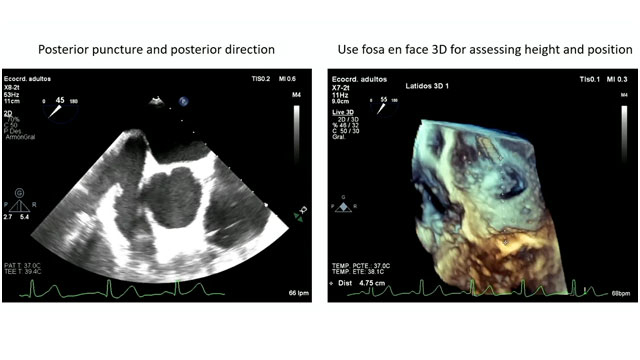
This session addresses the complexity of managing NSTEMI patients with challenging clinical presentations, including concurrent vessel and valve disease, thrombus burden, and atypical angiographic findings. It offers practical strategies for diagnosis and intervention to optimize patient outcomes.
Managing difficult TAVI scenarios
19 May 2026 – From EuroPCR 2026
Focused on complex TAVI cases, this session reviews guideline recommendations for TAVI in younger patients, strategies for managing concomitant coronary artery disease, and considerations for treating asymptomatic severe aortic stenosis. Real-world cases illustrate clinical decision-making and outcomes.

Improving interventional care and occupational safety
19 May 2026 – From EuroPCR 2026
This session addresses advancements in interventional cardiology care quality and occupational safety. Key topics include patient-centered care perspectives, optimized catheterization lab scheduling, the impact of procedural volumes on outcomes, and innovations in radiation protection technologies.
Complication management in CTO PCI - Part 1
19 May 2026 – From EuroPCR 2026
This session addresses complication management during chronic total occlusion (CTO) percutaneous coronary interventions. It covers strategies for unexpected coronary complications, managing tamponade without visible perforation, rescue techniques for atherectomy-related perforations, managing dry pericardial tamponade after septal branch perforation, and challenges when retrograde approaches encounter thrombosis in...
CTO PCI: technical developments
19 May 2026 – From EuroPCR 2026
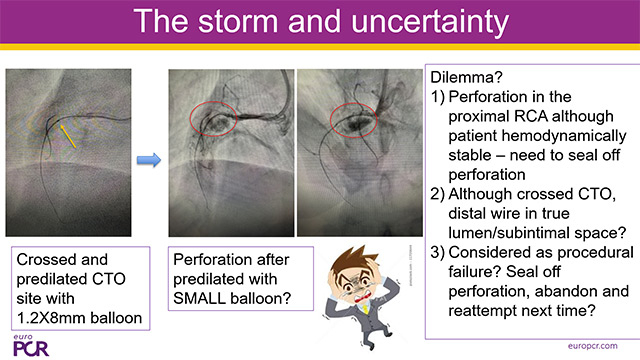
This session highlights technical developments in CTO PCI, featuring comparative insights from the ONUBA-CTO study on retrograde versus antegrade approaches, sex-based differences in long-term outcomes, management of balloon-undilatable lesions, the role of virtual reality audiovisual distraction, the impact of core laboratory feedback with OCT, and contemporary...
Beyond valves: expanding the structural toolbox
19 May 2026 – From EuroPCR 2026
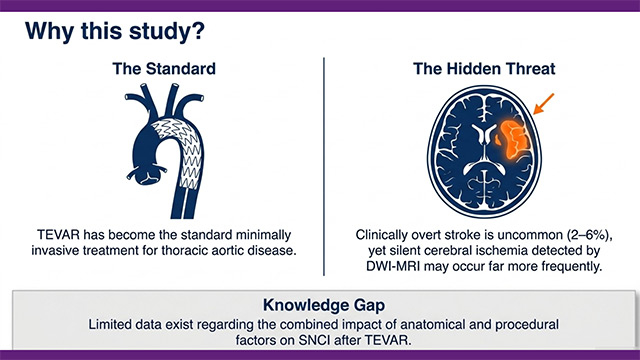
This session expands the scope of structural heart interventions beyond valve therapies. It covers embolic protection in high-risk intracardiac procedures, outcomes of paravalvular leak closures, novel aortic root stent-graft research, cerebral ischemia predictors after TEVAR, and transcatheter ASD closure techniques.
Behind standard practice: a place for DCB
19 May 2026 – From EuroPCR 2026
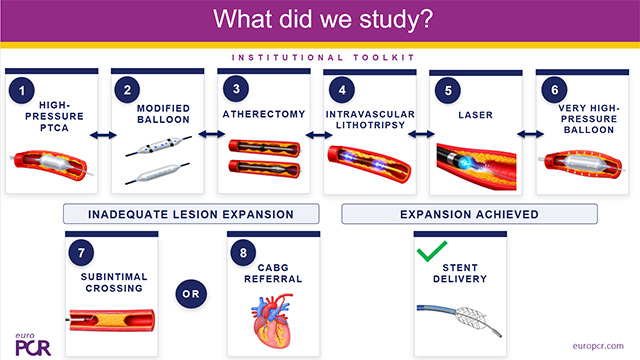
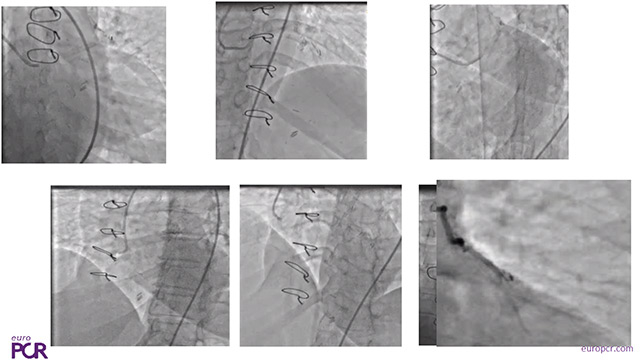
This session examines the role of drug-coated balloons (DCB) beyond standard practice in coronary revascularization. It includes discussions on revascularization strategies in young patients, rescue of early distal LIMA–LAD anastomosis, treatment of in-stent restenosis, stepwise complex CTO bifurcation revascularization using kissing DCBs, and management of calcified...
Choosing the right tool to treat calcified bifurcation
19 May 2026 – From EuroPCR 2026
This session provides expert guidance on managing calcified bifurcation lesions. It highlights identification of high-risk scenarios, the role of coronary CT angiography and intravascular imaging in tool selection, and specialized techniques for treating calcified nodules in the left main coronary artery.
Stent failure evaluation with intracoronary imaging
19 May 2026 – From EuroPCR 2026
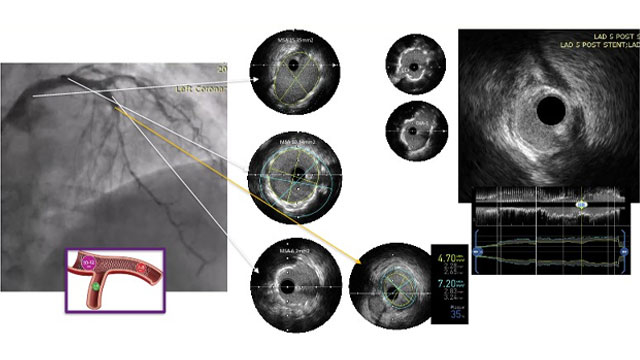
This session provides an in-depth evaluation of stent failure using intracoronary imaging modalities such as IVUS and OCT. It presents diverse cases illustrating late drug-eluting stent failure, in-stent restenosis, neoatherosclerosis, and complications following rotational atherectomy, underscoring imaging's role in diagnosis and guiding reintervention.