


3650 results for «2526»
3650 results
Right-sided interventions and impact on the right heart
22 May 2026 – From EuroPCR 2026
This session examines right-sided cardiac interventions and their impact on right heart function. Topics include prognostic implications of right ventricular wall tension, novel metrics for RV-PA coupling, clinical effects of severe tricuspid regurgitation, and strategies for transcatheter pulmonary valve replacement in complex right ventricular outflow tract...

INOCA in patients with coronary artery disease
21 May 2026 – From EuroPCR 2026
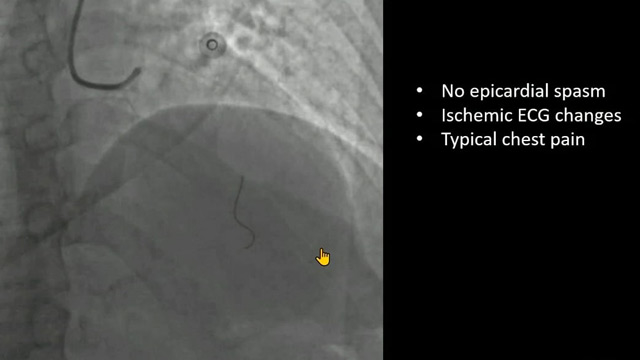
This session focuses on ischaemia with non-obstructive coronary arteries (INOCA) in patients with coronary artery disease. It raises awareness of common clinical presentations, emphasizes accurate diagnosis through functional coronary testing, and discusses how tailored treatment strategies can improve patient outcomes in this frequently under-recognized condition.
Technical decision-making for CTO PCI strategy
22 May 2026 – From EuroPCR 2026
This session focuses on technical decision-making for chronic total occlusion PCI strategy. It presents diverse approaches to right coronary CTOs, complex management involving double rendezvous techniques, subintimal strategies, and innovative single-injection methods, demonstrating the evolving frontiers in CTO intervention.

Calcium in the coronary arteries - What could go wrong?
22 May 2026 – From EuroPCR 2026
This session delves into the complexities of treating calcified coronary artery lesions, highlighting strategic selection of PCI approaches, anticipation of potential complications, and agile adaptation of techniques to manage these challenges effectively. Featuring real-world cases from Ireland and the United Kingdom, it provides critical learnings on...
Challenging PCI on bifurcation lesions
22 May 2026 – From EuroPCR 2026
Addressing the complexities of PCI in bifurcation lesions, this session highlights novel techniques such as the TAP and modified mini-crush methods, alongside strategies for managing challenging coronary anatomy. Validation of novel approaches like POT-side DCB-POT for left main bifurcations is also featured.
Challenges for TAVI in bicuspid
22 May 2026 – From EuroPCR 2026
This session addresses the unique challenges encountered during transcatheter aortic valve implantation (TAVI) in patients with bicuspid aortic valves. It covers procedural nuances for type 0 bicuspid valves, risks associated with anomalous coronary anatomy, and complex anatomical considerations such as large annulus and tortuous aorta, culminating...
Unusual clinical cases: thinking beyond the routine
22 May 2026 – From EuroPCR 2026
This session presents unusual and challenging clinical cases that extend beyond routine interventional cardiology. From optimised in-stent restenosis treatment to rare anatomical anomalies and complex thrombus management, it offers valuable lessons in creative problem-solving and advanced intervention techniques.
Asymptomatic high-risk patients: can CT coronary angiography improve our practice?
21 May 2026 – From EuroPCR 2026
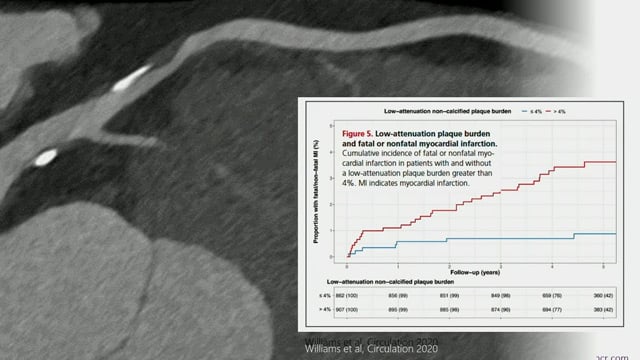
This session examines the role of cardiac computed tomography (CT) coronary angiography in improving clinical practice for asymptomatic high-risk patients. It discusses detection of vulnerable plaque features, the importance of inflammation and physiology in risk assessment, and explores individualized treatment pathways including PCI, medical therapy, or...
Management of uncommon TAVI complications
21 May 2026 – From EuroPCR 2026
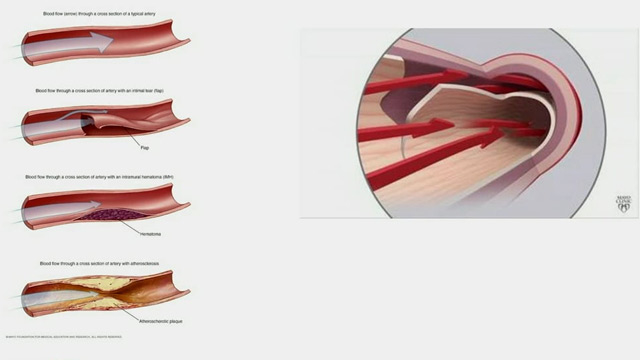
This session delves into the management of uncommon but critical complications arising from Transcatheter Aortic Valve Implantation (TAVI). Through detailed case studies from Italy, Lebanon, and Turkey, it highlights real-time decision-making strategies for life-threatening scenarios including left ventricular outflow tract obstruction, acute aortic dissection, and complex...
Beyond coronary arteries: SVG and peripheral interventions
22 May 2026 – From EuroPCR 2026
This session expands focus beyond coronary arteries to cover interventions in saphenous vein grafts (SVG) and peripheral arteries. It reviews long-term clinical outcomes of SVG PCI, real-world data from coronary artery bypass graft interventions, and advances in ultrasound-guided treatments of peripheral artery lesions, including predictors of...
Atypical NSTEMI culprit lesions
22 May 2026 – From EuroPCR 2026
Focusing on atypical NSTEMI culprit lesions, this session examines rare presentations such as calcific emboli, coronary anomalies, and unusual routes to revascularisation. It provides clinical insights into diagnosing and managing uncommon acute coronary syndromes effectively.
Shock: enhancing our pathways of care
21 May 2026 – From EuroPCR 2026
This session explores advancements in the management pathways for patients experiencing cardiogenic shock, particularly those complicating STEMI. It discusses patient characteristics, timing of PCI procedures, updated SCAI shock staging, representation in clinical trials, and angiographic findings in shockable out-of-hospital cardiac arrest cases, aiming to enhance clinical...
TAVI in heart failure is possible
21 May 2026 – From EuroPCR 2026
This session demonstrates the feasibility of transcatheter aortic valve implantation (TAVI) in patients with heart failure through a series of challenging cases. It covers sequential management of hypertrophic obstructive cardiomyopathy with aortic stenosis, advanced heart failure interventions, staged approaches in cardiogenic shock, and complex percutaneous interventions...
Beyond the diagnosis: a qualitative exploration of women’s experiences with cardiovascular disease
21 May 2026 – From EuroPCR 2026
This session presents a qualitative exploration of women's experiences with cardiovascular disease, highlighting unique challenges throughout their care pathway from diagnosis to rehabilitation. It shares robust patient experience data and offers recommendations aimed at improving cardiovascular care tailored to women’s specific needs.
Fighting intracardiac masses
21 May 2026 – From EuroPCR 2026
This session focuses on the percutaneous management of intracardiac masses, presenting innovative approaches such as angiovac-assisted vegetation removal, management of mechanical mitral valve complications, and treatment options for right ventricular tumors. It also evaluates the emerging role of percutaneous therapies in infective endocarditis involving TAVI valves...
Identifying and planning protected temporary mechanical circulatory support-based procedures in high-risk patients
21 May 2026 – From EuroPCR 2026
This session provides an in-depth update on protected temporary mechanical circulatory support-based procedures in high-risk cardiac patients. It covers patient identification criteria, device selection, and multidisciplinary planning to optimize outcomes in protected PCI, ventricular ablation, and surgical contexts.
The pearl of unloading with mechanical circulatory support
21 May 2026 – From EuroPCR 2026
Delve into the critical aspects of mechanical circulatory support in cardiogenic shock, focusing on device selection, assessment of persistent congestion, and the application of unloading tools to improve patient management and outcomes.
Haemodynamic support: from shock to complex high-risk interventional problems
21 May 2026 – From EuroPCR 2026
This session examines haemodynamic support from cardiogenic shock through to complex high-risk interventional cardiology procedures. It features registry data, clinical outcomes, and procedural techniques including mechanical circulatory support and arterial access strategies.
Overcoming complications with intracoronary imaging
21 May 2026 – From EuroPCR 2026
Explore challenging cases of intracoronary imaging complications, highlighting recognition, management, and resolution of complex vascular and mechanical issues encountered during coronary interventions.
Refining management of NSTEMI
21 May 2026 – From EuroPCR 2026
This session refines NSTEMI management by exploring advanced diagnostic tools, risk stratification, and tailored revascularization strategies, including bleeding risk assessment and dual antiplatelet therapy considerations.