3646 results for «724»
3646 results
TAVI procedure planning and optimising patient outcomes
21 Nov 2021 – From PCR London Valves 2021
Watch this series of videos from PCR London Valves 2021 to evaluate whether TAVICT scans can replace invasive coronary angiography pre-TAVI, to appreciate how pre-operative computed tomography evaluation of aortic burden can predict acute kidney injury post-TAVR, and to appraise mortality in TAVI patients converted to...
PCR London Valves 2021 Hotlines / Late-Breaking Trials: GALILEO, JenaValve TAVI, ENVISAGE TAVI AF, VKA in patients with AF after TAVI
21 Nov 2021 – From PCR London Valves 2021
In this session, find out more about the JenaValve TAVI system in patients with aortic regurgitation, get results from the GALILEO trial, review a late-breaking on-treatment major bleeding analysis from the ENVISAGE TAVI AF trial, and explore the safety and efficacy of edoxaban versus VKA in patients with AF...
Outcomes after novel transcatheter and surgical tricuspid valve interventions
21 Nov 2021 – From PCR London Valves 2021
Find out more about TRI-SCORE, a new risk score to predict in-hospital mortality after isolated tricuspid valve surgery, 30-day outcomes for transcatheter tricuspid repair from the TriBAND study, both the CLASP TR early feasibility and TRISCEND studies six-month results, and more in this PCR London Valves...
Unusual situations in valvular interventions
21 Nov 2021 – From PCR London Valves 2021
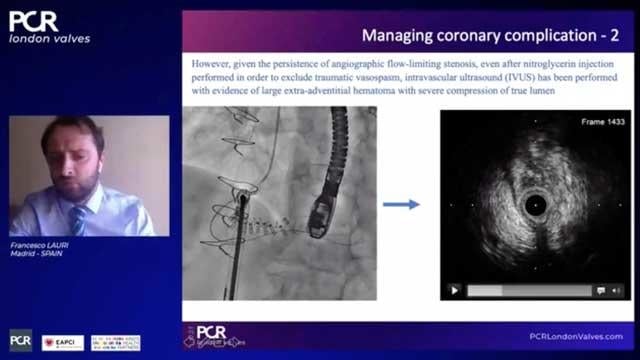
Let's discover an electrosurgical removal of an entrapped central venous catheter, witness a coronary extra-adventitial hematoma complication of transcatheter tricuspid annuloplasty, and appreciate buddy balloon technique as bailout strategy during RVOT stent embolization, among others, in this special PCR London Valves 2021 session dedicated to unusual...
Transcatheter mitral, aortic and pulmonary valve implantation
21 Nov 2021 – From PCR London Valves 2021
Watch this series of videos from PCR London Valves 2021 to learn about acute heart failure hospitalizations following TAVI in the U.S., share a peripheral hospital's experiences with structural valve service modernization, enjoy percutaneous transseptal mitral valve implantation in Brazil, and more!
Miscellaneous - Paravalvular leak closure, PFO closure and LAA occlusion
21 Nov 2021 – From PCR London Valves 2021
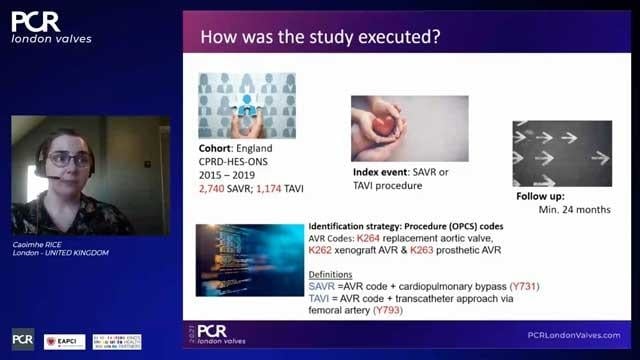
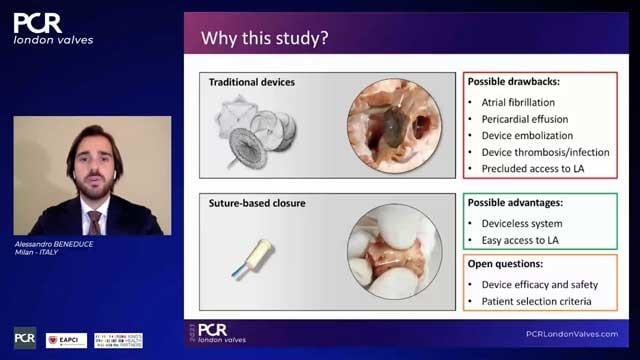
Want to know more about the impact of baseline PFO anatomy on residual right to left shunt after transcatheter closure, transcatheter closure of paravalvular leak, or even percutaneous mitral paravalvular leak closure using CT planning? This PCR London Valves 2021 session is for you!
PCR London Valves 2021 Hotlines / Late-Breaking Trials: bRIGHT, EXPAND, CHOICE-MI
21 Nov 2021 – From PCR London Valves
Real-world outcomes for tricuspid edge-to-edge repair, predictors of heart failure hospitalisation and its impact on clinical outcomes, one-year outcomes after TMVI... View part of the Late-Breaking Trials presented during PCR London Valves 2021.
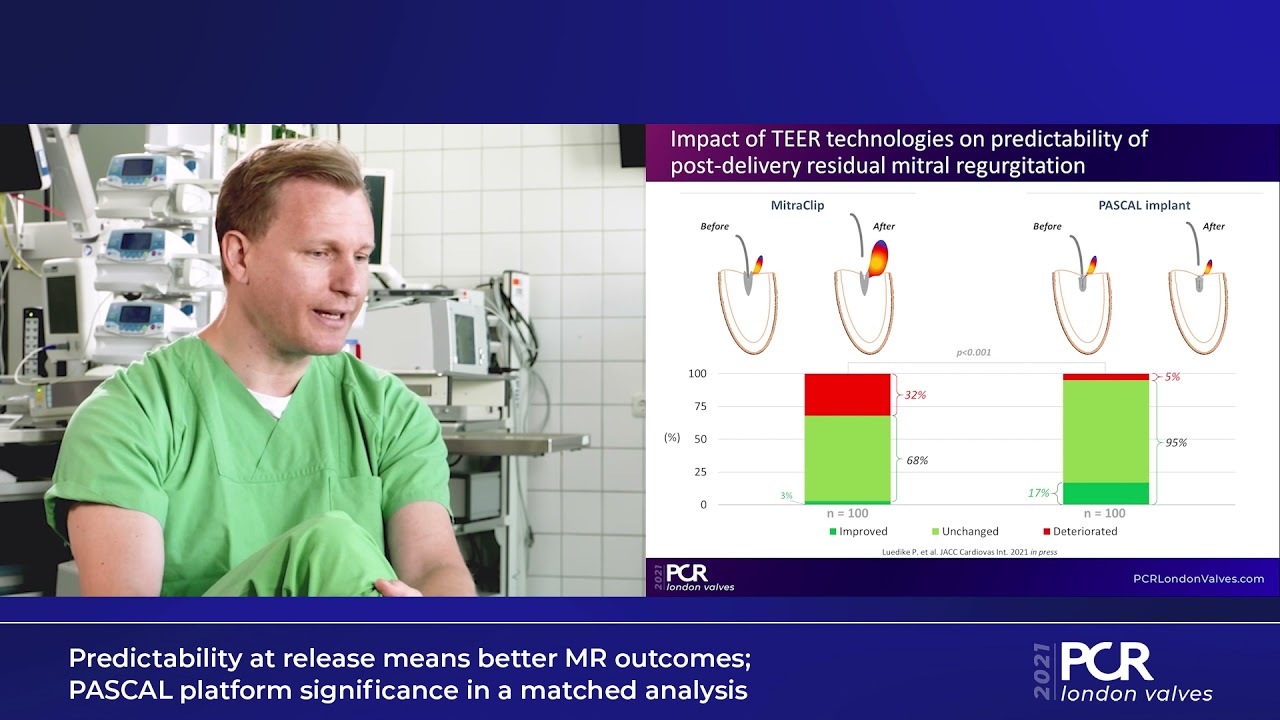
Predictability at release means better MR outcomes; PASCAL platform significance in a matched analysis
21 Nov 2021 – From PCR London Valves 2021
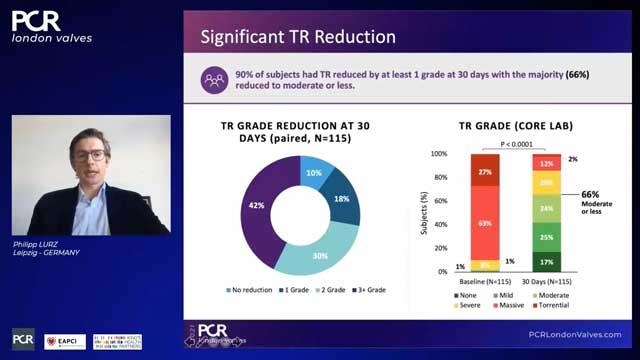
Join Peter Lüdike and Philipp Lurz to learn more about about the latest study regarding the predictability of mitral regurgitation reduction using the PASCAL device.
EAPCI: patient initiatives around the world
22 Nov 2021 – From PCR London Valves 2021
In this session, you can find out more about the EAPCI Valve for Life initiative and what progress has been made in selected countries, as well as other collaborative initiatives across the world.
Cases on miscellaneous coronary interventions
15 Dec 2021 – From GulfPCR-GIM 2021
Watch this session to discover a selection of cases on miscellaneous coronary interventions unveiled at GulfPCR-GIM 2021: imaging-guided multivessel PCI in left main with TVD with rotablation in a ESRD, tiger catheter-induced left main occlusion, using IVL instead of rotational atherectomy, PCI of LIMA-LAD at anastomotic site in single surviving artery, aortocoronary dissection...
Cases on STEMI
15 Dec 2021 – From GulfPCR-GIM 2021
Watch this session to discover a selection of STEMI cases presented at GulfPCR-GIM 2021, and learn more about: the treatment of intramural haematoma and AMI, the role of plaque modifying device in ACS, the therapeutic strategy for a pan-coronary vulnerability, the importance of stent visualisation to improve...
A mix of cases: HBR in ACS, endovascular venoplasty, carotid artery stenting and TAVI complications
Watch this session to discover various challenging cases presented at GulfPCR-GIM 2021: managing high-bleeding risk in ACS, endovascular venoplasty and stenting of subclavian vein in a patient on prolonged haemodialysis, flow arrest and reversal for carotid artery stenting in patients with high-grade bilateral stenosis, as well as TAVI complications...
Mitra-leaks
21 Nov 2021 – From PCR London Valves 2021
Visualize a complex mitral paravalvular leak, a complex paravalvular leak closure, or a percutaneous closure of a severe paravalvular leak post TMVR-in-MAC in one sole session from the PCR London Valves 2021!
Right-side THV implantation
21 Nov 2021 – From PCR London Valves 2021
Watch this PCR London Valves 2021 session to learn more about tricuspid valve-in-ring for severe symptomatic tricuspid regurgitation, to consider the transcatheter heart valve for isolated tricuspid regurgitation, and to see an unresolved complication in transcatheter tricuspid ViV, among others.
Mastering PCI in patients with complex lesions, ACS and HBR
22 Dec 2021 – From GulfPCR-GIM 2021
Watch this video if you wish to learn how to treat patients with complex anatomy, HBR feature, and presenting with ACS, to discuss the latest evidence about DAPT in HBR patients with acute coronary syndrome, and to ask open questions about DAPT for HBR patients.
Opening Ceremony
21 Nov 2021 – From PCR London Valves 2021
Live from the Main Arena studio of the Excel London, the emotion is palpable as we listen to the speakers opening this new edition of the PCR London Valves Congress which can finally be held in person, after 2 years without a physical reunion. This was...
Aortic valve disease: treatment and patient selection
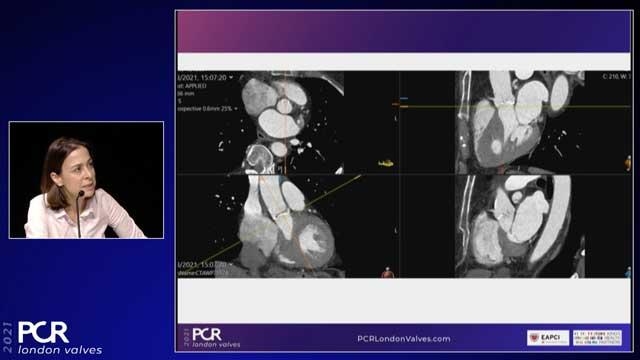
21 Nov 2021 – From PCR London Valves 2021
Let's talk about severe asymptomatic aortic stenosis: what are the surgical standpoint and recent data from surgical literature? How to assess these patients? How to analyze CT? What do the newly published VHD Guidelines say? What is the place of MRI in these patients? So many questions...
Understanding the anatomy of the tricuspid valve: similarities with and differences from the mitral valve
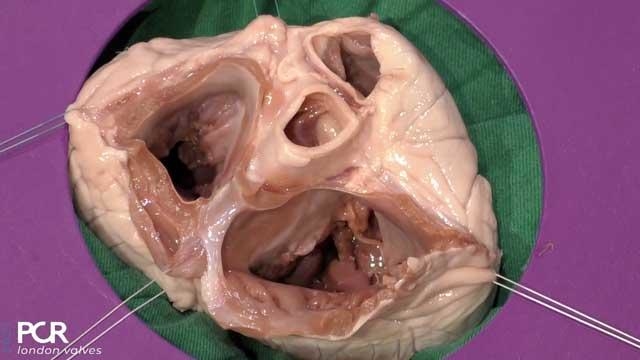
21 Nov 2021 – From PCR London Valves 2021
With this session on the tricuspid valve, learn to understand the anatomical features relevant to the procedures, become more familiar with different imaging modalities, and get hands-on by examining interactions between leaflets and some devices.
TAVI in bicuspid aortic valves: optimal technique and procedural refinement
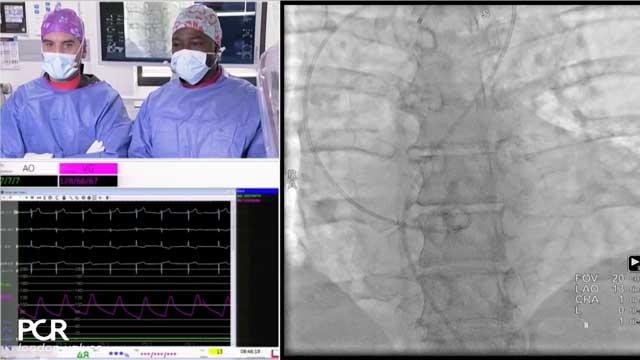
21 Nov 2021 – From PCR London Valves 2021
Framed around a "live-in-a-box" case performed in Toulouse, the core of this session will be on procedural technique: how do you best perform a TAVI to get optimal outcomes in bicuspid anatomy? It will also focus on preprocedural planning, and in particular CT image analysis, and detail...
Transcatheter tricuspid valve replacement
21 Nov 2021 – From PCR London Valves 2021
In this PCR London Valves 2021 session, discuss the new techniques available, selection criteria, and challenges encountered with this new procedure of transcatheter tricuspid valve replacement, and learn how you can train for these procedures with patient-specific simulators.