3644 results for «2790»
3644 results
Paravalvular and defects percutaneous closure
21 May 2025 – From EuroPCR 2025
This session presents percutaneous closure techniques for paravalvular leaks and cardiac defects, highlighting complex cases such as closure in patients with mechanical prostheses, pseudoaneurysms, and post-redo sternotomy challenges. Gain practical knowledge on device selection and procedural strategies for successful leak and defect management.
Imaging-based strategies for complication management in STEMI
21 May 2025 – From EuroPCR 2025
Discover imaging-based strategies to manage complications during STEMI interventions. This session discusses diagnostic clues such as spasm, stuck devices, and slow flow, and illustrates complex scenarios including extreme stent challenges and application of CTO techniques to STEMI cases for optimized outcomes.
Complication management during mitral TEER procedures
21 May 2025 – From EuroPCR 2025
Explore complex case scenarios of complication management during mitral TEER procedures. This session covers haemodynamic challenges, thrombotic events, device malfunctions, and rare embolisation incidents, providing practical insights into effective bailout techniques and procedural problem-solving.
Complex multivessel disease - LIVE Case
21 May 2025 – From EuroPCR 2025
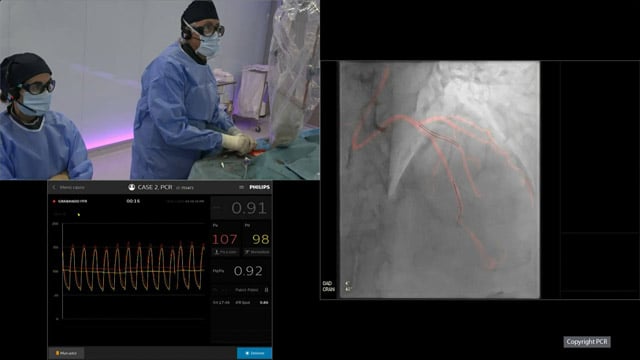
An 89-year-old male patient presented with stable angina, preserved LV function and some risk factors such as hypertension and diabetes. CT scan and angiography revealed occlusion of proximal RCA and bifurcation lesions on LAD and circumflex (medina 1,1,1). Operators treated the bifurcation lesions with provisional stenting.
Regarding...
TAVI for aortic regurgitation: on-label and off-label use
21 May 2025 – From EuroPCR 2025
This session reviews on-label and off-label applications of transcatheter aortic valve implantation (TAVI) for treating aortic regurgitation. Examine complex cases including TAVI in patients with aortic dissection, cardiogenic shock, and valve-in-valve interventions, highlighting innovative procedural approaches and bailout strategies.
Which valve is best for my patient?
21 May 2025 – From EuroPCR 2025
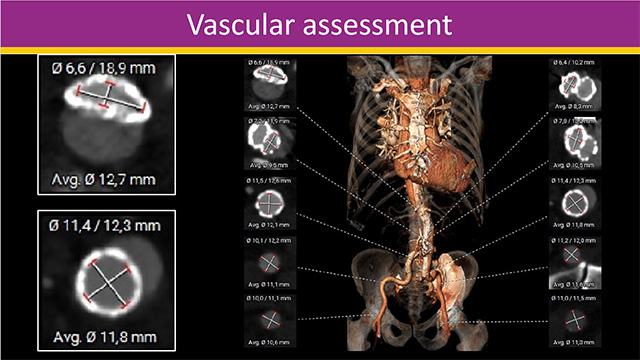
This session guides clinicians in selecting the most appropriate transcatheter aortic valve tailored to individual patient characteristics. Through diverse case discussions, including patients with coronary artery disease, small anatomies, bicuspid valves, and surgical bioprostheses, it elucidates decision-making processes and planning for complex TAVI anatomies.
Current DCB practice: from lesion preparation to follow-up
21 May 2025 – From EuroPCR 2025
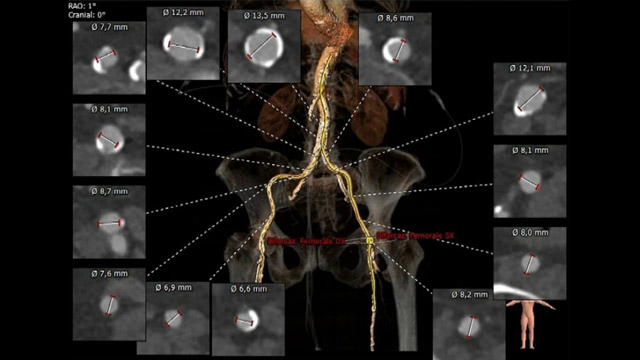
Explore current best practices in drug-coated balloon (DCB) angioplasty from lesion preparation to follow-up. This session discusses common indications, management of dissections and complications, and shares practical tips and case examples, equipping clinicians with comprehensive knowledge to optimize DCB use in contemporary PCI.
TAVI for asymptomatic aortic stenosis after EARLY TAVI - TAVI and coronary artery disease after NOTION-3
21 May 2025 – From EuroPCR 2025
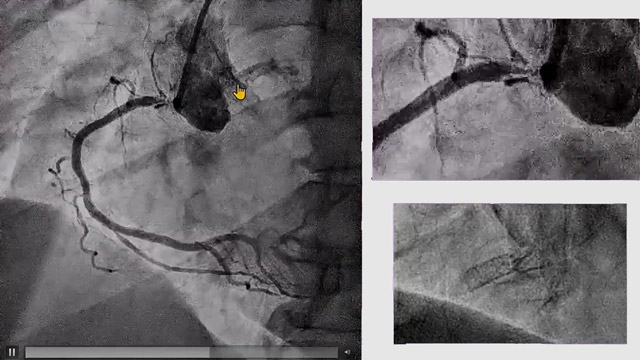
Critically assess the clinical implications of the EARLY TAVI and NOTION-3 trials with a focus on asymptomatic aortic stenosis and concomitant coronary artery disease. This session integrates recent evidence into patient-centered care pathways, offering case-based insights for optimizing timing and management strategies in TAVI patients.
How are we going to treat these sick patients presenting with pulmonary embolism?
21 May 2025 – From EuroPCR 2025
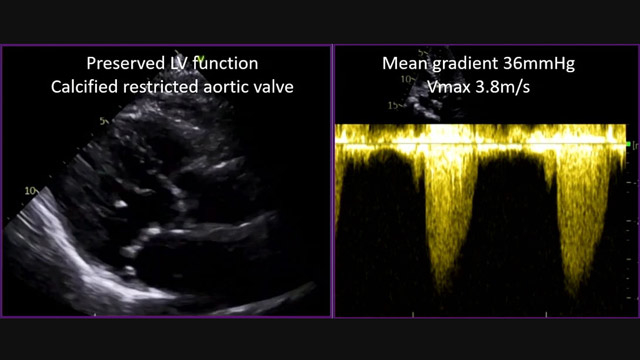
Address the urgent clinical question of how to treat patients presenting with pulmonary embolism across varying risk profiles. This session covers risk stratification and discusses interventional treatment options through detailed case analyses of intermediate and high-risk patients, providing practical guidance for individualized management.
How to treat - DCB
21 May 2025 – From EuroPCR 2025
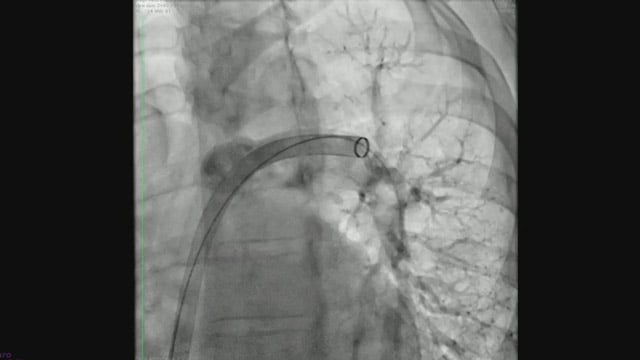
Explore drug-coated balloon (DCB) therapy through detailed case studies covering calcified vessels, small diffuse vessel disease, and de novo ostial lesions. Gain practical insights on treatment approaches and key learning points to enhance your DCB practice.
Improving outcomes of NSTEMI patients
21 May 2025 – From EuroPCR 2025
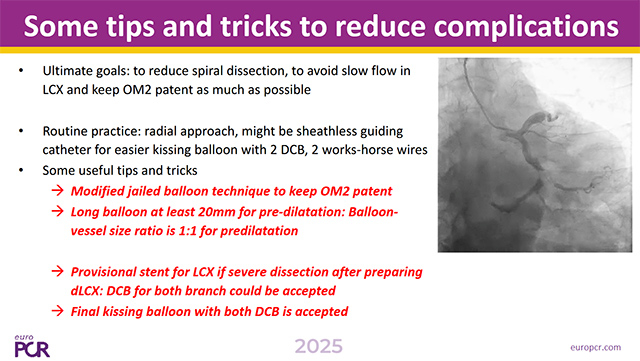
Review contemporary evidence on improving outcomes for NSTEMI patients. Topics include the effects of evolocumab on stent coverage, impact of left ventricular function with kidney disease, GRACE score-based outcomes, PCI timing, and early initiation of Tafolecimab.
TAVI for bioprosthetic valve failure - LIVE Case
22 May 2025 – From EuroPCR 2025
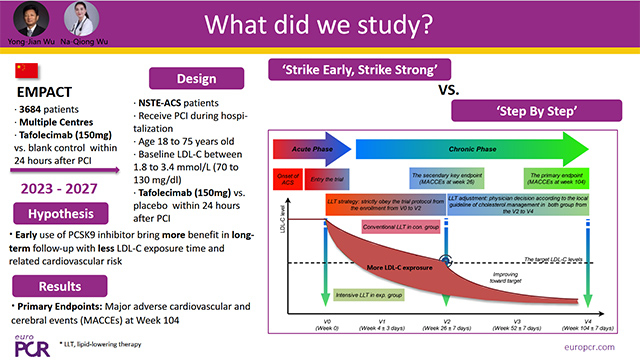
A 68-year-old male patient with a history of Sapien 3 26 mm TAVI (2021), complicated by the need for two valves (one displaced in the descending aorta) and permanent pacemaker implantation, as well as endocarditis (2022), presented with symptomatic bioprosthesis failure and reduced LV function (20...
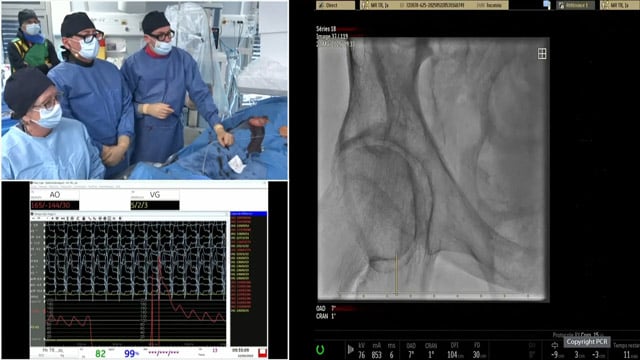
Two-stent techniques for non-left main true bifurcation lesions
22 May 2025 – From EuroPCR 2025
Enhance your skills in two-stent techniques for non-left main true bifurcation lesions. This session covers patient and lesion assessment, PCI procedural steps, and common pitfalls to avoid, aiming to improve procedural success in complex coronary anatomies.
Hotline TAVI 3: Challenging anatomical and clinical scenarios
22 May 2025 – From EuroPCR 2025
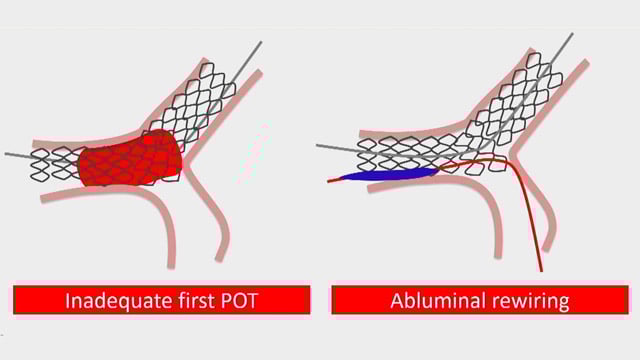
This hotline session presents challenging anatomical and clinical scenarios in TAVI, including outcomes in bicuspid aortic valve patients, chronic aortic regurgigation, comparisons of surgical versus percutaneous approaches, and real-world data on valve performance and resource utilization.
Inludes:
- Five-year outcomes from the Evolut low risk TAVR bicuspid study
- Surgical versus...
Hypertension interventions in specific scenarios
22 May 2025 – From EuroPCR 2025
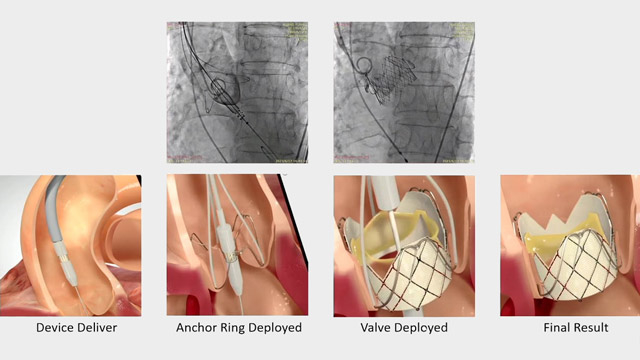
Explore interventions for hypertension in specific patient populations, including renal artery stenosis treatment and the role of renal denervation. Discuss multidisciplinary approaches and evidence supporting renal denervation in advanced kidney disease, heart failure, and young patients.
Enhancing clipping solutions for durable long-term patient outcomes
21 May 2025 – From EuroPCR 2025
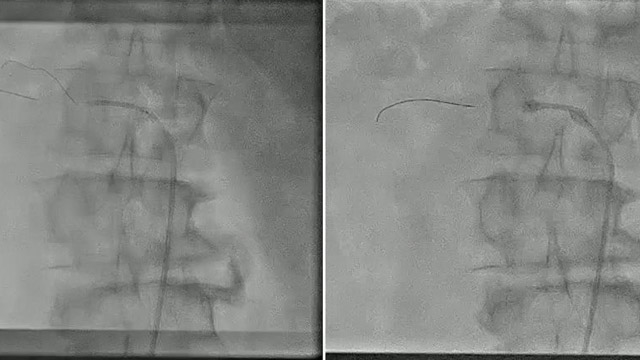
This EuroPCR 2025 session delves into the evolving strategies for mitral and tricuspid TEER, backed by fresh data and real-world insights. Review the latest evidence from the TRILUMINATE Pivotal and bRIGHT studies, and see how TR phenotypes can guide patient selection for more durable outcomes. Discover...
Challenging scenarios in acute coronary syndrome
20 May 2025 – From EuroPCR 2025
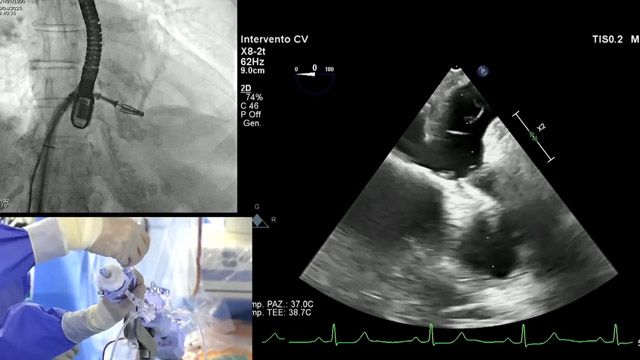
This session presents challenging acute coronary syndrome (ACS) cases with unusual presentations and complications. Learn from cases involving myocarditis mimics, coronary aneurysms, rescue fibrinolysis during PCI, and STEMI complicated by cardiogenic shock, highlighting diagnostic and therapeutic nuances.
Evolving bifurcation treatment practices: drug-coated balloons, angio-based FFR, and side branch optimisation
20 May 2025 – From EuroPCR 2025
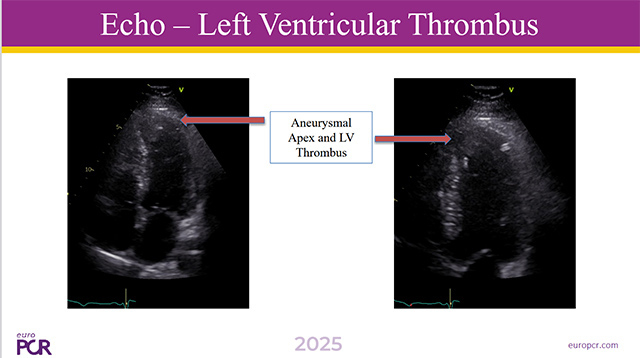
Explore how bifurcation treatment is evolving with the integration of drug-coated balloons, angio-based FFR, and advanced side branch optimisation. This EuroPCR 2025 session highlights why DCB is gaining traction for bifurcation lesions and introduces the upcoming EBC-DCB trial comparing a stepwise DCB strategy to provisional DES...
From imaging to intervention: cutting-edge solutions for calcified coronary stenoses management
20 May 2025 – From EuroPCR 2025
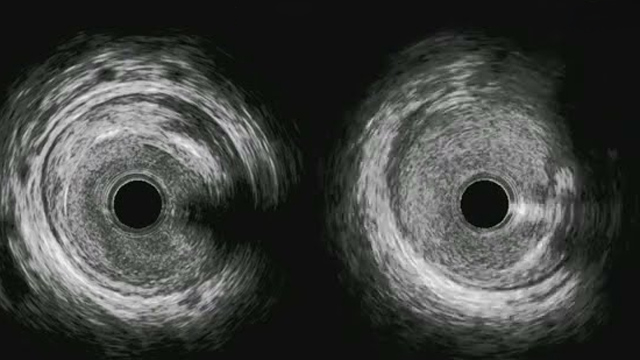
Watch this EuroPCR 2025 session on managing calcified coronary stenoses, featuring a recorded live case, two focused lectures, and expert faculty insights. Learn why intravascular ultrasound (IVUS) is essential for assessing lesion severity and morphology, discover how selecting the right calcium modification tools drives procedural success...
DCB in de novo lesions: new valid option?
20 May 2025 – From EuroPCR 2025
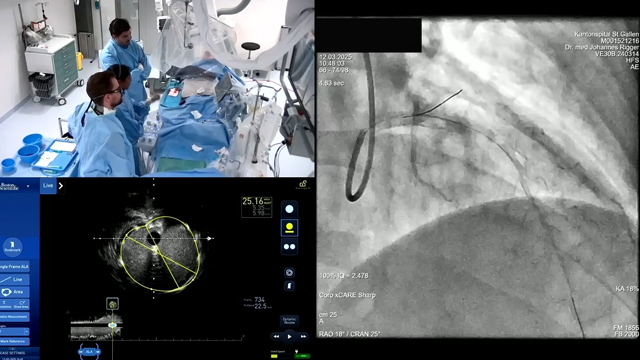
Explore the emerging role of drug-coated balloons (DCB) in treating de novo coronary lesions. This session discusses complexity management, comparisons with drug-eluting stents (DES), and the potential of DCBs as valuable alternatives, especially in high bleeding risk patients.