3628 results for «2091»
3628 results
CTO, modern challenges and solutions
21 May 2025 – From EuroPCR 2025
Address modern challenges in chronic total occlusion (CTO) interventions with this session focusing on the latest technologies and techniques. Learn key procedural strategies and best practices through detailed case studies, and understand how evolving technology is shaping the future of CTO revascularization.
Paravalvular and defects percutaneous closure
21 May 2025 – From EuroPCR 2025
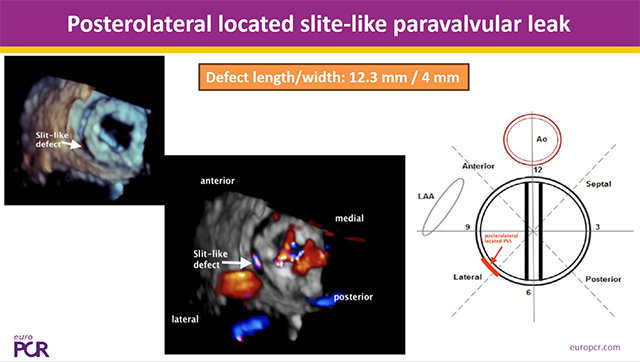
This session presents percutaneous closure techniques for paravalvular leaks and cardiac defects, highlighting complex cases such as closure in patients with mechanical prostheses, pseudoaneurysms, and post-redo sternotomy challenges. Gain practical knowledge on device selection and procedural strategies for successful leak and defect management.
New evidence in the PFO closure
21 May 2025 – From EuroPCR 2025
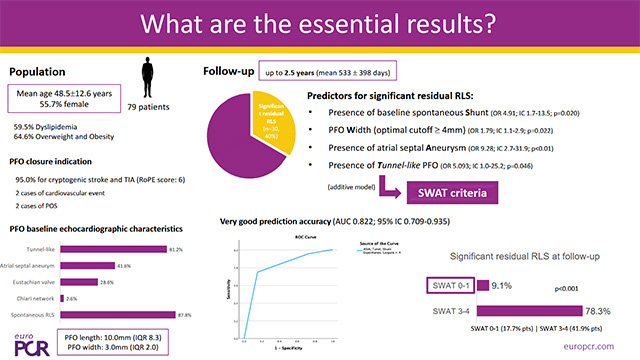
Gain new insights into patent foramen ovale (PFO) closure with this session exploring age-related outcomes, risk of atrial arrhythmia, and patient selection improvements. Review various imaging approaches for assessing residual shunts and compare guidance techniques including TEE, fluoroscopy, and intracardiac echo from recent clinical registries.
Complex multivessel disease - LIVE Case
21 May 2025 – From EuroPCR 2025
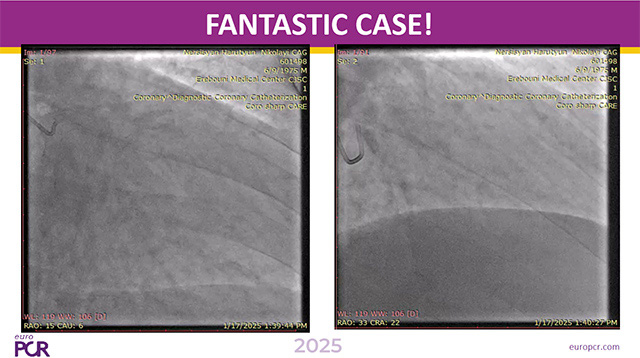
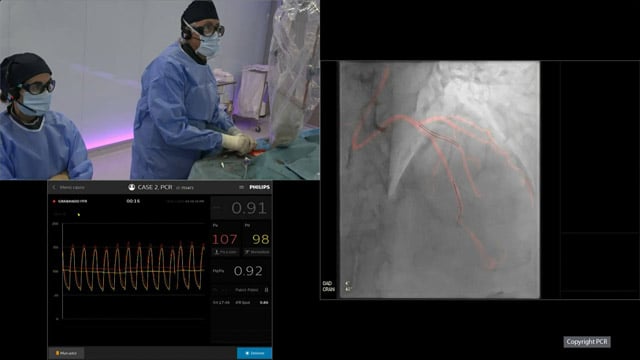
An 89-year-old male patient presented with stable angina, preserved LV function and some risk factors such as hypertension and diabetes. CT scan and angiography revealed occlusion of proximal RCA and bifurcation lesions on LAD and circumflex (medina 1,1,1). Operators treated the bifurcation lesions with provisional stenting.
Regarding...
More on long-term responsiveness and effectiveness of renal denervation
21 May 2025 – From EuroPCR 2025
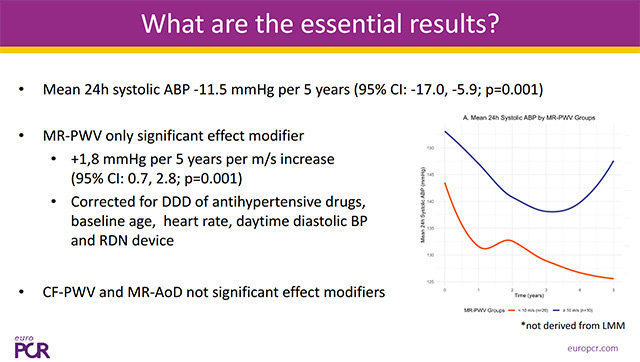
This session presents comprehensive data on the long-term responsiveness and effectiveness of renal denervation. Topics include outcomes in patients with chronic kidney disease, arterial stiffness correlations, safety profiles over nine years, and economic evaluations across European healthcare systems.
Which valve is best for my patient?
21 May 2025 – From EuroPCR 2025
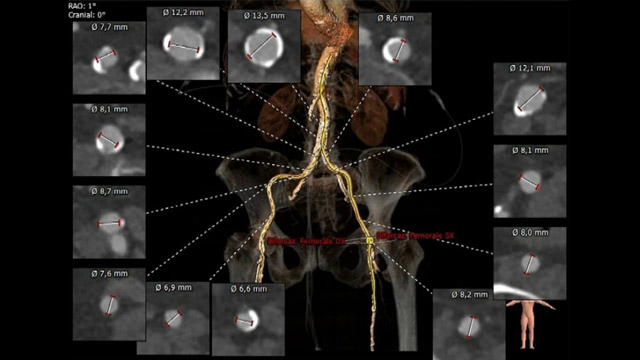
This session guides clinicians in selecting the most appropriate transcatheter aortic valve tailored to individual patient characteristics. Through diverse case discussions, including patients with coronary artery disease, small anatomies, bicuspid valves, and surgical bioprostheses, it elucidates decision-making processes and planning for complex TAVI anatomies.
LAA closure and anthrombotic therapies
21 May 2025 – From EuroPCR 2025
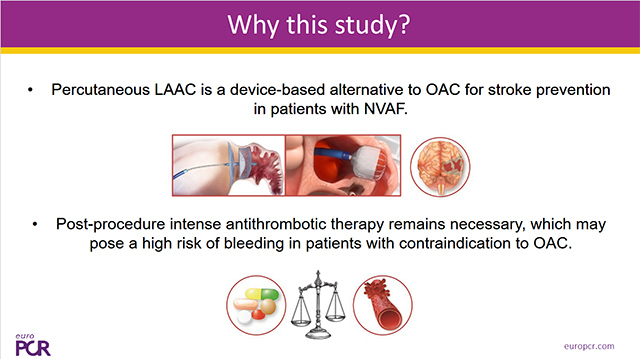
Explore contemporary evidence on left atrial appendage (LAA) closure and associated antithrombotic therapies. This session covers strategies for antithrombotic de-escalation, efficacy and safety in patients with anticoagulation contraindications, breakthrough stroke etiology, and anatomical considerations in high-risk atrial fibrillation patients undergoing ablation.
Current DCB practice: from lesion preparation to follow-up
21 May 2025 – From EuroPCR 2025
Explore current best practices in drug-coated balloon (DCB) angioplasty from lesion preparation to follow-up. This session discusses common indications, management of dissections and complications, and shares practical tips and case examples, equipping clinicians with comprehensive knowledge to optimize DCB use in contemporary PCI.
Coronary scaffolds: new developments and applications
21 May 2025 – From EuroPCR 2025
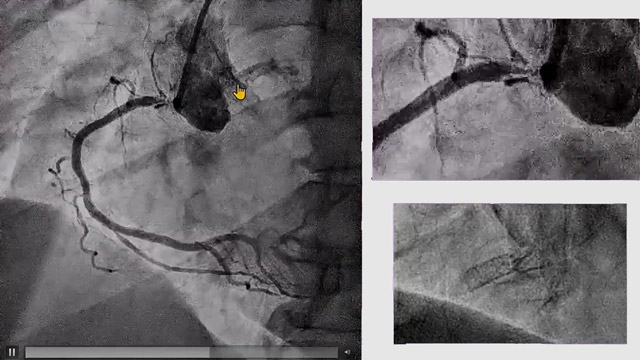
Stay informed on advancements in coronary scaffolds with this session reviewing new developments and applications. Topics include comparative performance of magnesium-based bioresorbable stents, long-term clinical outcomes from the BIOMAG-I and FANTOM BRS studies, and real-world experiences with next-generation thin-strut scaffolds.
Mitral TEER in challenging scenarios - Part 2
21 May 2025 – From EuroPCR 2025
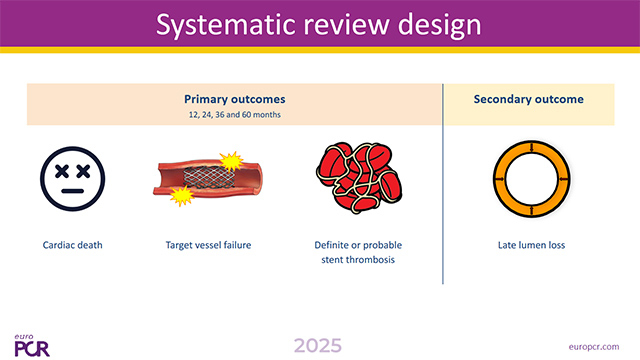
This session focuses on challenging scenarios encountered during mitral transcatheter edge-to-edge repair (TEER). Learn about management of complications such as haemolysis, device malfunctions, and complex vascular access issues, supported by instructive case presentations including bailout strategies in cardiogenic shock and infective endocarditis.
TAVI for asymptomatic aortic stenosis after EARLY TAVI - TAVI and coronary artery disease after NOTION-3
21 May 2025 – From EuroPCR 2025
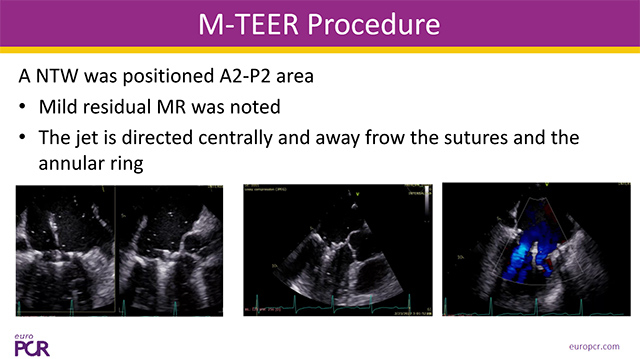
Critically assess the clinical implications of the EARLY TAVI and NOTION-3 trials with a focus on asymptomatic aortic stenosis and concomitant coronary artery disease. This session integrates recent evidence into patient-centered care pathways, offering case-based insights for optimizing timing and management strategies in TAVI patients.
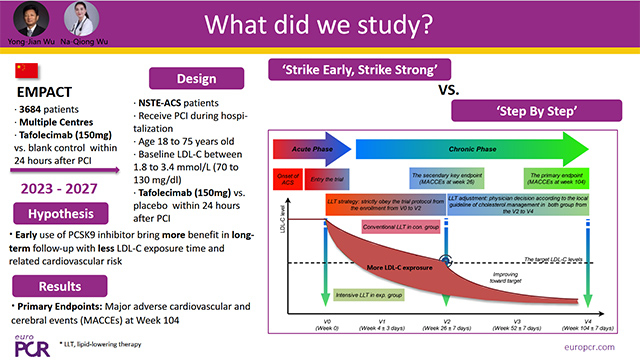
Improving outcomes of NSTEMI patients
21 May 2025 – From EuroPCR 2025
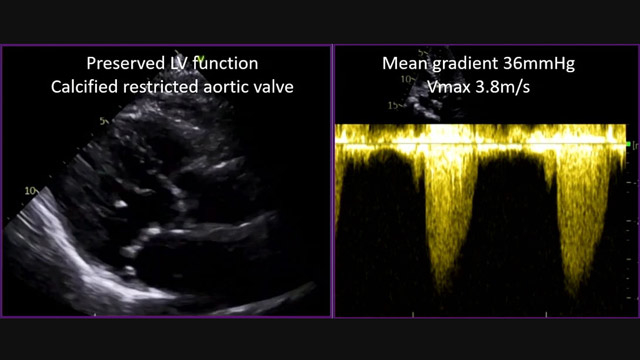
Review contemporary evidence on improving outcomes for NSTEMI patients. Topics include the effects of evolocumab on stent coverage, impact of left ventricular function with kidney disease, GRACE score-based outcomes, PCI timing, and early initiation of Tafolecimab.
Clinical and technical factors for decision-making in treatment of left main coronary artery disease
22 May 2025 – From EuroPCR 2025
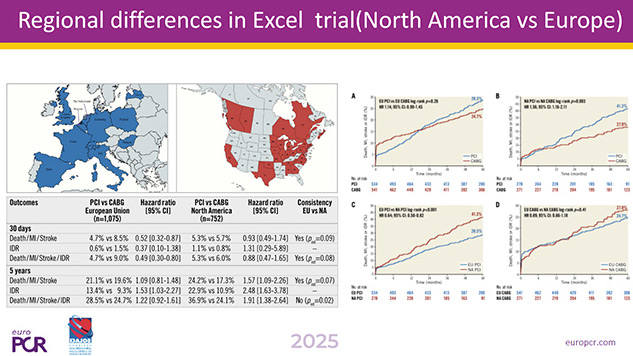
Delve into decision-making factors in treating left main coronary artery disease, particularly in challenging scenarios. This session discusses the application of new SOLACI guidelines, critical strategy reflections, and real-world cases illustrating optimal left main PCI approaches.
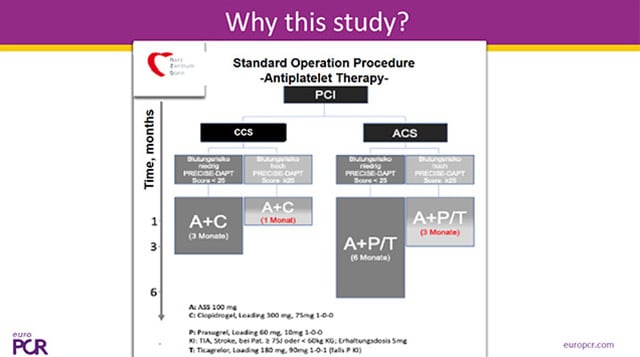
Antiplatelet strategies for patients undergoing PCI
22 May 2025 – From EuroPCR 2025
Delve into this comprehensive session focusing on antiplatelet strategies for patients undergoing PCI. Explore evidence and clinical insights on ticagrelor monotherapy post-AMI stenting, shortened dual antiplatelet therapy (DAPT) durations, the role of CYP2C19 genotyping in stent thrombosis risk, the effectiveness of dual antithrombotic therapy in atrial...
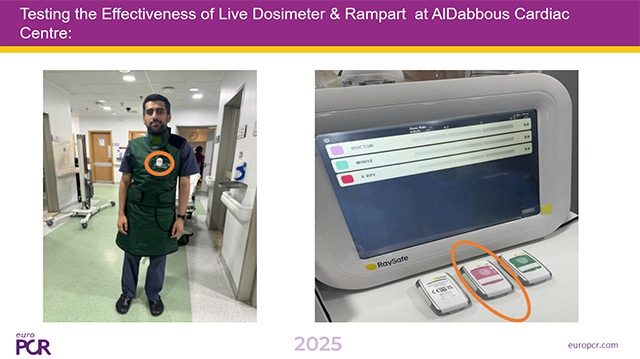
Radiation protection: the good and the bad
22 May 2025 – From EuroPCR 2025
This session provides essential guidance on radiation protection in the cath lab. Learn practical steps to minimize radiation exposure for yourself and your team, manage the ergonomic challenges of protective gear, and develop skills to foster a culture of radiation safety within your workplace. Understand the...
Optimising TEER in challenging anatomies
22 May 2025 – From EuroPCR 2025
Optimize transcatheter edge-to-edge repair (TEER) strategies in challenging anatomies with focus on tricuspid valve interventions, recognition of multivalvular disease, and planning combined mitral and tricuspid TEER procedures. Case studies highlight feasibility challenges and dual valve repair approaches.
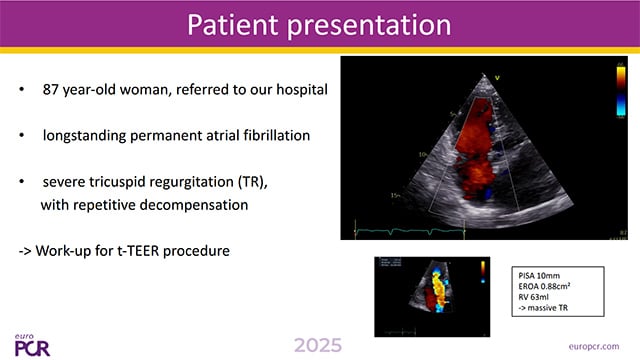
Managing ischaemic and bleeding risk of NSTEMI patients
22 May 2025 – From EuroPCR 2025
Gain valuable insights into managing ischemic and bleeding risks in NSTEMI patients. This session reviews optimal timing for invasive strategies, variability in care processes, radial access approaches, and innovative antithrombotic strategies such as aspirin omission and prasugrel monotherapy to minimize bleeding while optimizing outcomes.
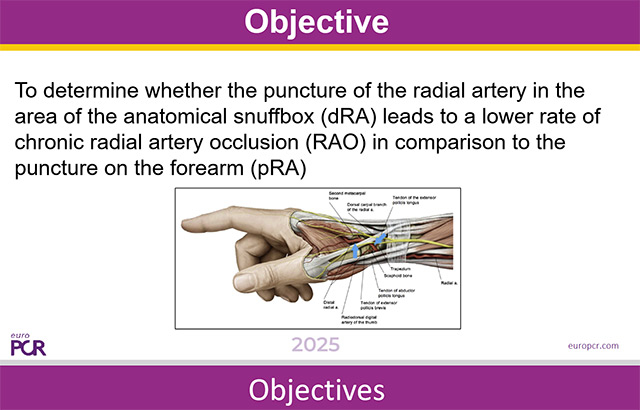
Atherectomy for CTO-PCI
22 May 2025 – From EuroPCR 2025
Explore atherectomy applications in CTO-PCI with cases demonstrating reverse cart technique, orbital atherectomy in heavily calcified occlusions, and management of atherectomy-induced coronary dissection. Gain practical insights into navigating complex CTO lesions with atherectomy support.
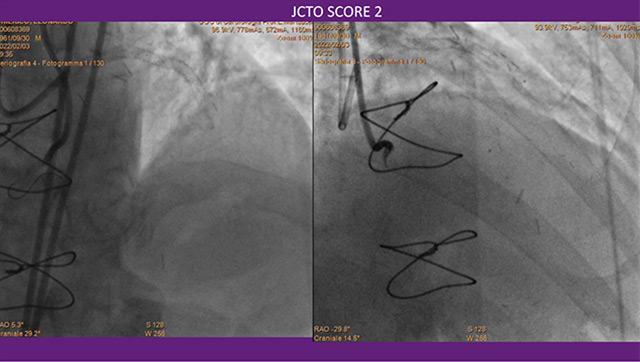
Catheter-directed therapy for intermediate-high-risk and high-risk pulmonary embolism; where do we stand?
22 May 2025 – From EuroPCR 2025
Explore the evolving landscape of catheter-directed therapy for intermediate-high and high-risk pulmonary embolism. This session covers patient selection criteria, clinical signs indicating the need for intervention, management of potential complications, and ongoing studies shaping future treatments. Case-based discussions illustrate practical applications and key learnings.

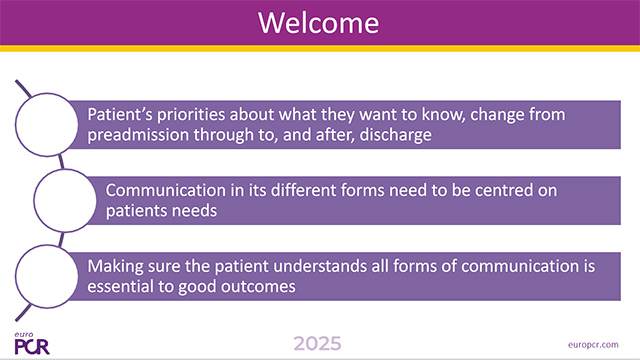
Building bridges, not barriers: transforming communication with patients
22 May 2025 – From EuroPCR 2025
Enhance your communication skills with patients undergoing interventional cardiology procedures. This session emphasizes verbal and non-verbal techniques to inform and support patients, simplifying complex procedural explanations, and strengthening your role as the critical link between patients and the healthcare team for improved outcomes.