3646 results for «517»
3646 results
Has the 2023 ESC-EACTS guideline review on left main changed my practice?
15 May 2024 – From EuroPCR 2024
Watch this session if you wish to learn why the 2019 guidelines were revised, how to apply the updated recommendations in clinical settings through case examples, and the criteria for selecting patients with left main stenosis for PCI versus CABG.
The session includes detailed presentations on...
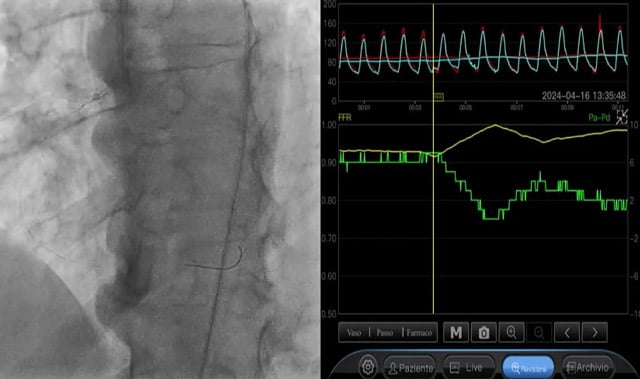
The uncrossable lesion
16 May 2024 – From EuroPCR 2024
This session delves into the challenges of dealing with uncrossable and heavily calcified coronary lesions. It features a variety of cases showcasing the use of specialized techniques and tools, such as the excimer laser, to overcome these obstacles. The session emphasizes the importance of troubleshooting, utilizing...
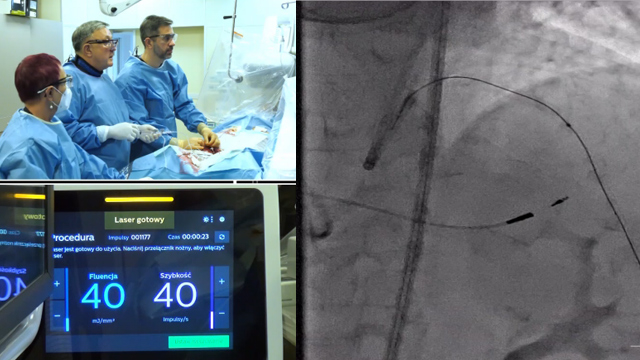
When mitral valve intervention goes wrong
16 May 2024 – From EuroPCR 2024
This session examines various complications that can arise during mitral valve interventions, such as iatrogenic aortic root perforation, unexpected leakage, and other challenging scenarios. The presenters share their experiences in managing these complications and the strategies they employed to address them. The session emphasizes the importance...
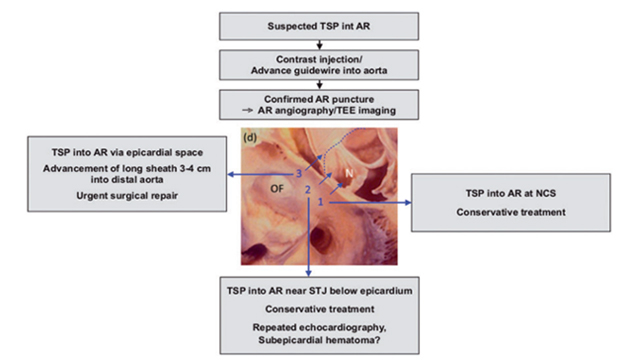
TAVI Hotline: new devices, new approaches
15 May 2024 – From EuroPCR 2024
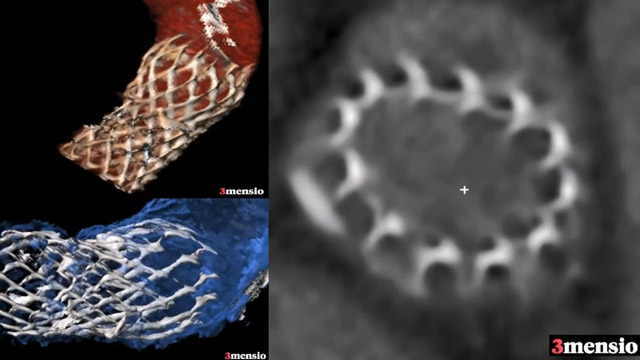
The 2023 ESH Hypertension Guidelines revisit the role of renal denervation
05 Sep 2023
The 2023 European Society of Hypertension (ESH) guidelines were recently presented at the 32nd annual European Meeting on Hypertension and Cardiovascular Protection and simultaneously published in the Journal of Hypertension.1 While wide parts of the guidelines do not substantially differ from the previous 2018 European Society...

Author

Author
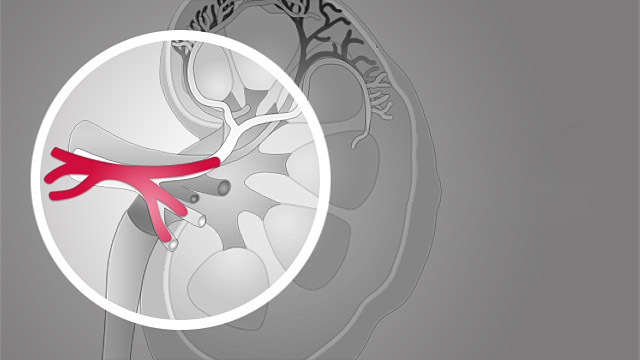
When transfemoral TAVI is not an option: rethinking alternative access strategies
18 Jun 2026
In this article, Ulrich Schäfer explores the evolving landscape of access strategies in transcatheter aortic valve implantation (TAVI). While the transfemoral approach remains the gold standard, a significant proportion of patients are not suitable due to peripheral vascular disease or anatomical constraints.
Drawing on clinical evidence and...

Author