Emanuele Barbato
PCRonline Editorial Board Advisor
- Prof. Barbato is a clinician scientist with expertise in interventional cardiology and coronary physiology.
- His recent interest is focusing on the clinical and translational research on platelet biology.
- He published more than 100 peer-reviewed articles in numerous cardiovascular journals and serves as principal investigator or steering committee member in several international trials.
- He has been member of several Scientific and Learned Societies, and member of Editorial Boards of scientific journals (European Heart Journal, Journal Cardiovascular Translational Research, Journal Cardiovascular Medicine).
- Prof. Barbato has served as member of the Programme Committee of the EuroPCR and of the EAPCI.
- As of 2014, he has chaired the National Cardiac Societies and International Affairs Committee of the EAPCI.
- He has been recipient of National and International research awards (Scholar in Cardiology and William Harvey prize of the Italian Society of Cardiology, and Parmley prize of the American College of Cardiology).
ACTIVE AREAS OF RESEARCH
- He has a special interest in medical education for postgraduate training.
- Prof. Barbato has actively participated in the development of the course "How to treat patients with undilatable / calcified coronary artery lesions" for PCR edu online.
Diplomas
| Year | Diploma |
|---|---|
| Professor of Cardiology - Faculty of Medicine of the Federico II University of Naples, Italy |
Clinical career
| Year | Function + center |
|---|---|
| Currently | Associate Director - Cardiovascular Centre of OLV Hospital, Aalst, Belgium |
| Currently | Director of the Clinical Research Unit - CVC, Aalst, Belgium |
Declaration of interest
| Function | Company |
|---|---|
| None |
Latest contributions
Insight from recent evidence in coronary artery disease: value of DCB for de novo lesions (SELUTION) and imaging for left main PCI (OPTIMAL)
21 May 2026 – From EuroPCR 2026
This session reviews pivotal recent evidence impacting daily practice in coronary artery disease management. It discusses the role of drug-coated balloons (DCB) for de novo lesions as evaluated in the SELUTION trial and evaluates intracoronary imaging strategies for left main PCI as presented in the OPTIMAL...
Managing complex calcified PCI: pitfalls and complications
20 May 2026 – From EuroPCR 2026
This session addresses the complexities and challenges of performing PCI in heavily calcified coronary lesions. Emphasizing the critical role of imaging in procedural planning, it updates on contemporary tools and techniques to mitigate complications. The session also shares practical experience in managing common complications such as...
High definition IVUS-guided treatment strategies in calcified stenoses
20 May 2026 – From EuroPCR 2026
Severely calcified coronary stenoses remain one of the most challenging subsets in contemporary PCI, requiring precise lesion assessment and tailored treatment strategies.
This EuroPCR 2026 session focuses on how high-definition intravascular ultrasound (IVUS) is changing the way these lesions are approached in daily practice.
HD-IVUS enables detailed detection...
PRISM-PCI - From clarity to cure
20 May 2026 – From EuroPCR 2026
PRISM-PCI offers cutting-edge imaging innovations and treatment strategies aimed at optimizing complex PCI procedures. This session explores the 'leave nothing behind' concept with thin-strut bioresorbable scaffolds and sirolimus drug-coated balloons, updates on ultra thin-strut DES platforms, including the SORT OUT XII trial, and introduces a comprehensive...
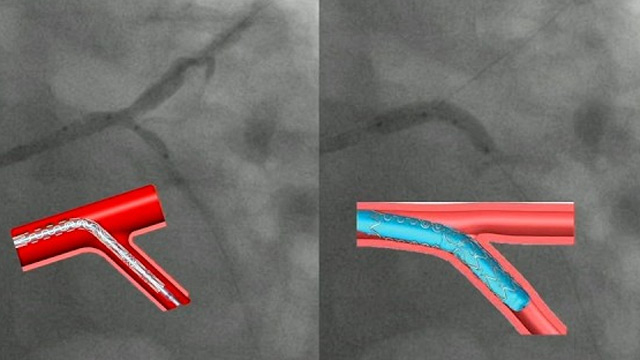
FFR- and IVUS-guided PCI of a long and calcified LAD lesion - LIVE case
19 May 2026 – From EuroPCR 2026
A 71‑year‑old man with hypertension and dyslipidemia presented with CCS class II angina and three‑vessel coronary artery disease. Functional assessment included CT‑derived micro‑FFR, angiography‑based FFR, and stress myocardial scintigraphy. The only hemodynamically significant lesion was a long, calcified lesion of the LAD.
Lesion preparation was performed with...
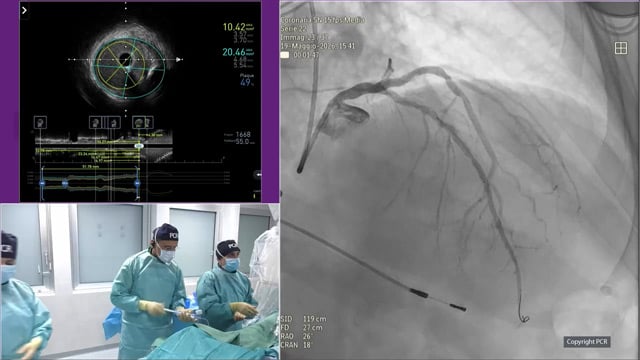
PCI of calcified distal left main stenosis - LIVE case
19 May 2026 – From EuroPCR 2026
A 54‑year‑old man with hypertension, smoking, dyslipidemia, and a history of PCI to the OM and diagonal branches in 2004 presented with a significant calcified LM–LAD stenosis.
The proximal LAD lesion was prepared with IVL followed by implantation of a 3.5 × 28 mm stent. The left...
Sharing the latest advances in calcium modification with intravascular lithotripsy
19 May 2026 – From EuroPCR 2026
Emanuele Barbato and Jan-Malte Sinning review the latest advances in calcium modification strategies, highlighting the growing role of intravascular lithotripsy (IVL) alongside traditional techniques such as rotational and orbital atherectomy. They discuss how new-generation IVL devices are improving deliverability, efficiency, and ease of use, enabling the...
All about PCR’s Teaching Assessment Board (TAB)
03 Dec 2025
Learn how session feedback is compiled to create a virtuous cycle of continuous refinement for education in #interventionalcardiology
From GDMT to TEER: management of secondary mitral regurgitation and the timing of transcatheter intervention
18 Nov 2025 – From PCR London Valves 2025
Delve into the comprehensive management of secondary mitral regurgitation, from guideline-directed medical therapy (GDMT) to transcatheter edge-to-edge repair (TEER). This session elucidates the pathophysiology of atrial and ventricular secondary mitral regurgitation, explores optimized heart failure treatments, and reviews the latest evidence on TEER as a therapeutic...

TAVI complications
17 Nov 2025 – From PCR London Valves 2025
This session delves into the management of complications arising during TAVI procedures, presenting real-world cases such as major vascular events including abdominal aortic dissection and catastrophic iliac artery perforation. It also covers technical solutions for valve embolisation and valve deformation due to calcific aorta, providing valuable...
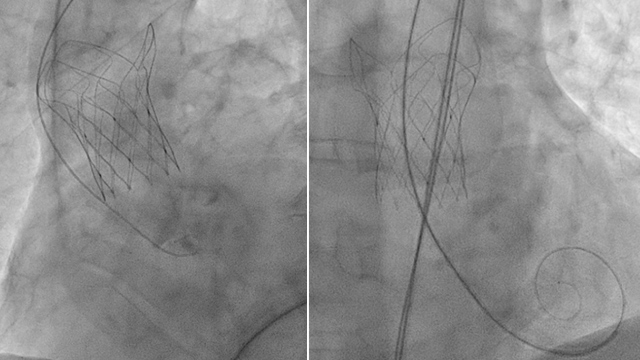
Improving Heart Function (iHF): Driving trans-disciplinary innovation in heart failure care
25 Aug 2025
Improving Heart Function (iHF) is a scientific and educational initiative which aims to address the complexity of heart failure care with a trans-disciplinary vision and high-level clinical resources.

PCI for complex left main disease - LIVE Case
23 May 2025 – From EuroPCR 2025
An 82-year-old male patient with a history of STEMI and diagonal PCI (2004) presented with stable angina (CCS 2). CT imaging revealed 2 severe LAD stenoses (at the ostium and mid part), and a severe bifurcation stenosis at the Cx/OM1 confirmed by angiography. A staged PCI...
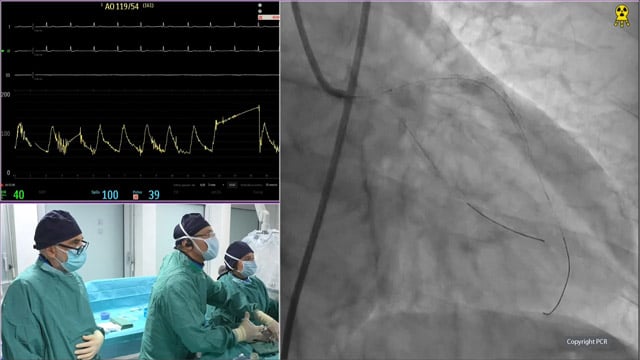
PCI for complex calcific coronary artery disease - LIVE Case
22 May 2025 – From EuroPCR 2025
An 87-year-old female patient, at high bleeding risk and with preserved LV function, presented 2 months ago with an inferior STEMI and multivessel disease. She initially underwent RCA PCI followed by staged LCx PCI. She was now referred for PCI of a long, heavily calcified lesion...
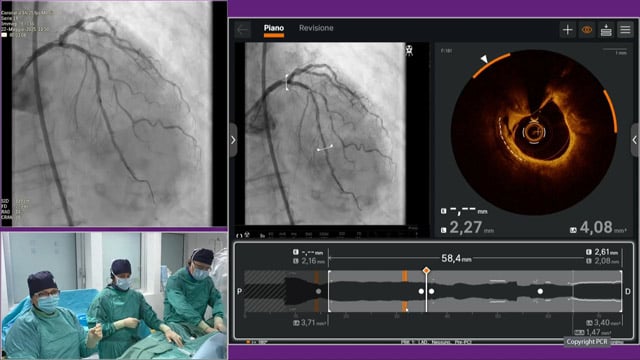
Treat calcium right the first time: new considerations for PCI planning and device selection to optimise outcomes
21 May 2025 – From EuroPCR 2025
Watch this EuroPCR 2025 session to learn how intravascular lithotripsy (IVL) is transforming the management of coronary artery calcification (CAC). Discover the new CALC roadmap, a comprehensive framework guiding device selection and treatment strategies based on calcium burden, anatomy, and patient gender. Follow a real-world clinical...
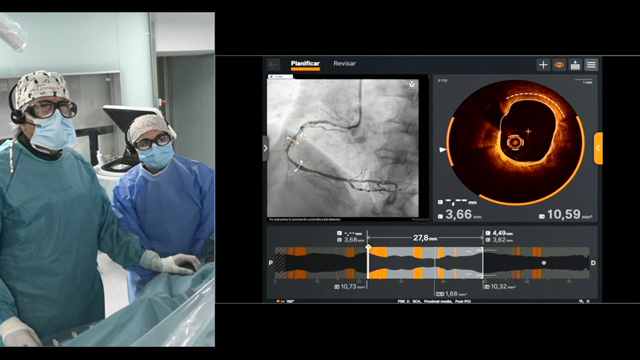
Calcified nodules: a different beast?
21 May 2025 – From EuroPCR 2025
This session offers a comprehensive exploration of calcified nodules, a challenging entity in PCI. Learn to identify these nodules with IVUS and OCT, understand their unique treatment challenges, and select optimal plaque modification tools through detailed case discussions.
Refractory heart failure: combining oral therapy and device is key
21 May 2025 – From EuroPCR 2025
Address refractory heart failure management through combined oral therapy and device interventions. This session helps identify patients needing treatment escalation, reviews contemporary cardiovascular intervention indications, and emphasizes achieving optimal synergy between pharmacologic and device-based therapies through clinical case discussions.
From imaging to intervention: cutting-edge solutions for calcified coronary stenoses management
20 May 2025 – From EuroPCR 2025
Watch this EuroPCR 2025 session on managing calcified coronary stenoses, featuring a recorded live case, two focused lectures, and expert faculty insights. Learn why intravascular ultrasound (IVUS) is essential for assessing lesion severity and morphology, discover how selecting the right calcium modification tools drives procedural success...
Complex PCI in calcific coronary artery disease - LIVE Case
20 May 2025 – From EuroPCR 2025
A 76-year-old male patient presented with a significant history of coronary artery disease: CABG with LIMA/LAD and RIMA/OM (1996), RCA PCI with BVS (2016), OM PCI (2017), RIMA occlusion and OM retenosis treated with DCB (2022) with preserved LV. He was admitted for pre-operative evaluation prior...
TAVI innovations: late-breaking trials from PCR London Valves 2024
24 Nov 2024 – From PCR London Valves 2024
What does the future hold for TAVI procedures? Don’t miss the latest innovations—watch this video now! It explores the Late-Breaking Trials from PCR London Valves 2024, featuring groundbreaking studies that could transform the way we approach TAVI in clinical practice.
You’ll dive into the CANNULATE TAVR EXTENDED...
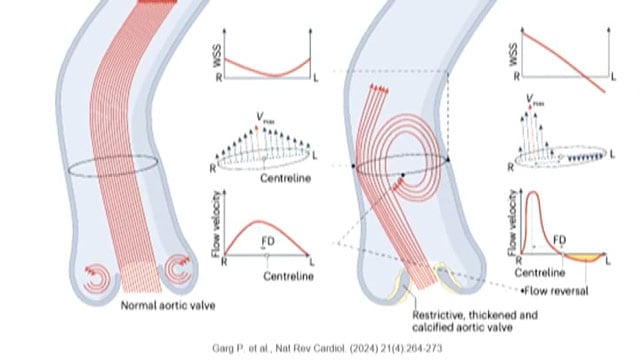
PCR Webinars: Bringing the hot topics in interventional cardiology to your home
10 Jun 2024
According to Medical Director of PCR Webinars, Dejan Milasinovic, two novel additions to the platform will increase the interactive experience and take webinar based learning to a new level.
Update on coronary physiology in 2024
17 May 2024 – From EuroPCR 2024
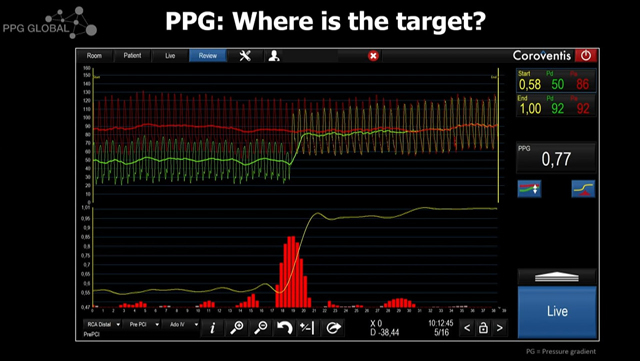
This session provides an update on the available options for invasive coronary physiology in 2024. It reviews the latest evidence supporting the clinical adoption of invasive physiology indexes and shares practical tips and tricks for their application. Topics covered include CT-based physiology, pressure wire-based physiology, angiography-based...
Role of PCI in the contemporary management of patients with angina and coronary disease
17 May 2024 – From EuroPCR 2024
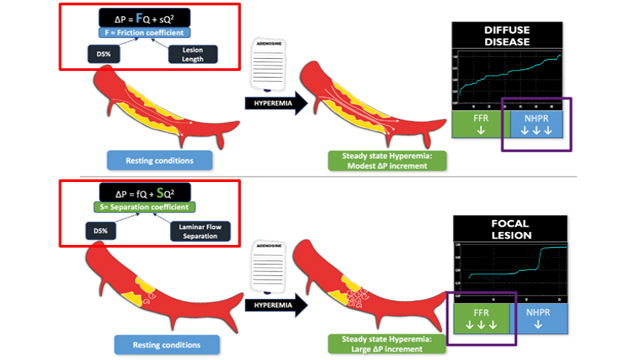
This session aims to generate awareness about the distinct phenotypes of coronary artery disease (focal, diffuse, serial) that can be identified through contemporary physiological tools, and the implications of these phenotypes on achieving successful functional PCI results. Participants will also discuss the considerations around using PCI...
Optimising treatment for patients with severe calcified lesions: the role of orbital atherectomy
In this session featuring a LIVE case demonstration from Madrid, Spain, gain insights into identifying calcified lesions requiring plaque modification, effectively guiding lesion treatment with OCT support, and correctly applying orbital atherectomy, while sharing experiential knowledge step by step.
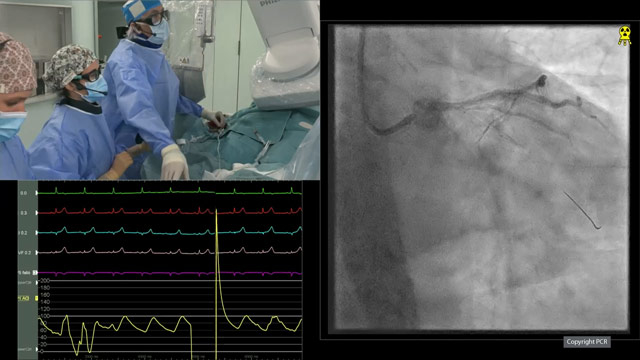
Has the 2023 ESC-EACTS guideline review on left main changed my practice?
15 May 2024 – From EuroPCR 2024
Watch this session if you wish to learn why the 2019 guidelines were revised, how to apply the updated recommendations in clinical settings through case examples, and the criteria for selecting patients with left main stenosis for PCI versus CABG.
The session includes detailed presentations on...
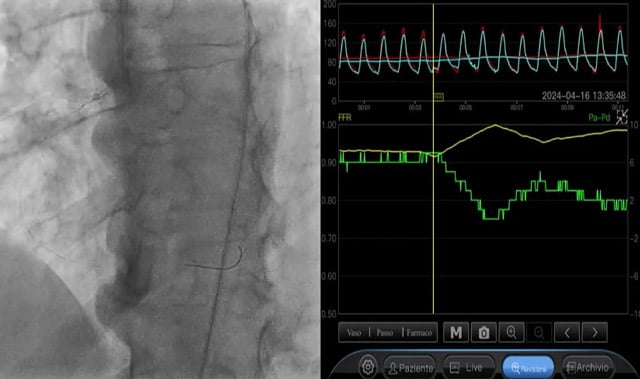
A new horizon in IVUS-guided PCI of calcified stenoses with artificial intelligence
15 May 2024 – From EuroPCR 2024
In this session, observe the enhanced user-friendliness of IVUS-guided complex PCI with improved AI algorithms, recognize the importance of combining experience with advanced knowledge of tools and techniques for optimal PCI outcomes in heavily calcified stenoses, and understand how tailoring drug-eluting devices for calcified lesions can...
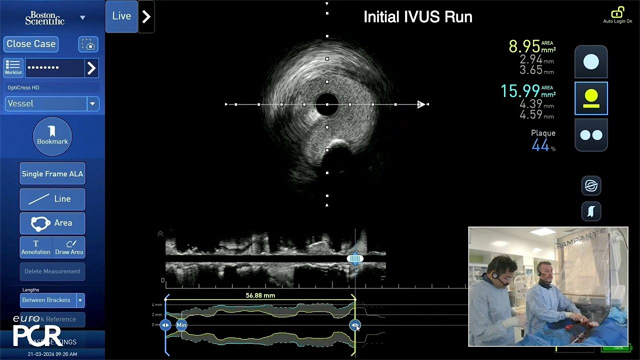
Refining PCI: the role of physiology and intracoronary imaging
15 May 2024 – From EuroPCR 2024
In this session, delve into a recorded case and two specialized lectures—one on the future of coronary physiology and the other on the future of IVUS. This session elucidates the significance of physiology and intracoronary imaging in PCI decision-making, delve into the use of pressure microcatheters...
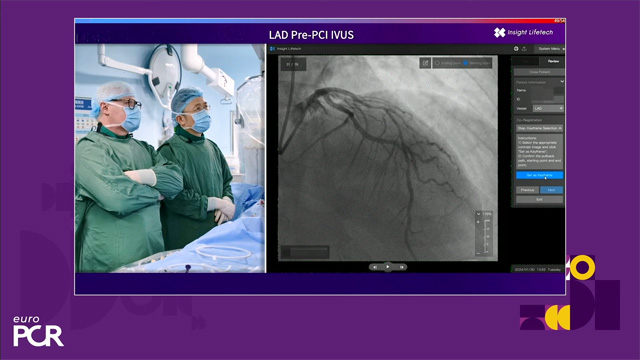
Undilatable calcified lesion with balloon - LIVE case
15 May 2024 – From EuroPCR 2024
A 66-year-old male with a history of PAD, COPD, diabetes, and an LV function of 44% presented with unstable angina. Coronary angiography revealed a severe and heavily calcified RCA lesion undilatable with a balloon. The patient was referred to a centre specializing in calcified lesion treatment.
Using...
Hotline: advances in coronary physiology
14 May 2024 – From EuroPCR 2024
This hotline session explores the latest advancements in coronary physiology and their implications for percutaneous coronary intervention (PCI). Topics covered include the influence of pathophysiological patterns of coronary artery disease on the safety and efficacy of PCI, the prognostic value of myocardial ischemic burden in STEMI...
Renal denervation step by step: how to perform a safe and effective procedure
14 May 2024 – From EuroPCR 2024
This session provides a comprehensive overview of renal denervation, covering the essential aspects of patient selection, preprocedural assessment and imaging, the technical steps for performing safe and effective radiofrequency and ultrasound-based renal denervation, and the importance of post-procedural follow-up. The discussions aim to equip the audience...
After ORBITA 2, what is the role of PCI in the contemporary management of patients with angina and coronary disease?
16 May 2024 – From EuroPCR 2024
Emanuele Barbato interviews Rasha Al-Lamee, the principal investigator of the ORBITA 2 trial, about the current role of percutaneous coronary intervention (PCI). Unlike ORBITA 1, ORBITA 2 focused on the effects of angioplasty as a monotherapy, without prior anti-angina treatment. The results showed that angioplasty improved symptoms...