505 results
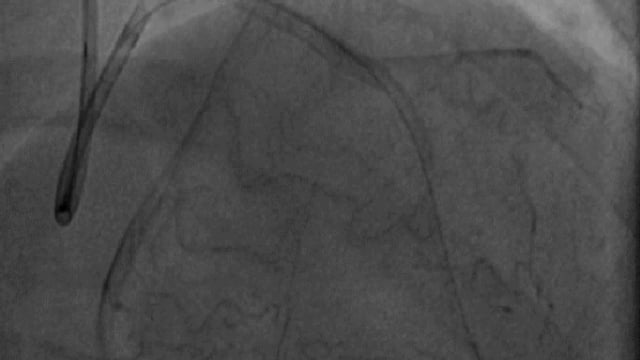
Can’t stand heavy metal: how to treat an ACS with severe metal allergy?
17 Mar 2025

Author
Author

Author
Author
Stent or Leave: considerations for a successful DCB PCI
27 Feb 2025
Watch the replay webinar with F. Ribichini, F. Jafary, Y. Onuma and B. Scheller to learn how to “control” dissections during lesion preparation, and much more!
Voices from the past – 60 years of transluminal angioplasty in podcast format
06 Feb 2025
Dive into six decades of innovation in transluminal angioplasty! Hosted by Jean Marco and Chiara De Biase, each episode features in-depth conversations with these visionary figures, offering historical perspectives and inspiring messages to shape the future of clinical practice. ...
Drug-coated balloon (DCB) technology: A pioneer’s view of the historical evolution and future directions
08 Jan 2025
In this article, Bruno Scheller explores advances in local drug delivery, from drug-coated balloons to novel antiproliferative agents. These innovations aim to reduce restenosis, minimize permanent implants, and pave the way for patient-specific coronary artery disease treatments.

Author

Precision PCI in the era of AI and multimodality imaging
13 Jan 2025
Nailing the ostium of LAD, although technically challenging, can be precisely done with mandatory intracoronary imaging. It is essential to rule out disease extension into left main artery as, otherwise, cross over LM-LAD stenting strategy would be preferable. CTCA can help the interventionist plan the PCI,...

Author

Author
Focus on drug coated balloons: evidence and practice
07 Jan 2025
This Special Report led by Andreas Baumbach explores the history, current techniques, evidence, and future of DCBs, plus insights on left main stent restenosis.
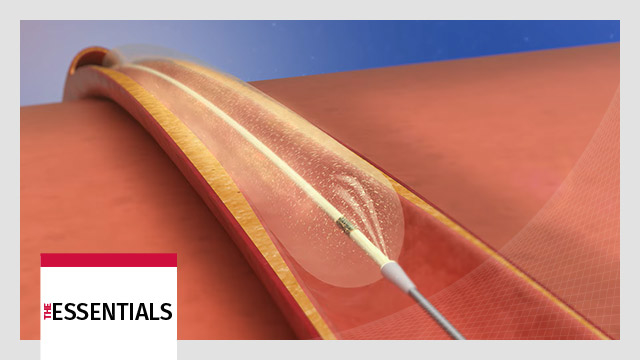
RCA hydraulic dissection: what to do?
06 Jan 2025
Any coronary intervention can be compromised by an iatrogenic hydraulic dissection: find out how to manage it with dissection stenting!

Author

Author

Author

Author

Author

Author
Interventional pot pourri #2
19 Dec 2024 – From GulfPCR-GIM 2024
This interventional potpourri session covers a diverse range of challenging cases in interventional cardiology. From a case of failed balloon angioplasty in a non-dilatable calcified lesion to an innovative approach for treating isolated side branch osteal lesions, this session offers valuable insights and practical solutions. Discover...
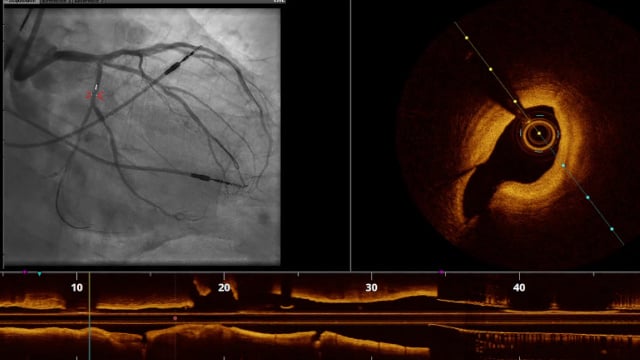
Left main PCI strategies for bifurcations and trifurcations
19 Dec 2024 – From GulfPCR-GIM 2024
Explore this comprehensive session on left main PCI strategies for bifurcations and trifurcations. Discover techniques such as the triple kissing balloon inflation technique in a complex distal LM trifurcation lesion, imaging-guided multivessel PCI to left anterior descending CTO and left main bifurcation, and IVUS-guided PCI to...
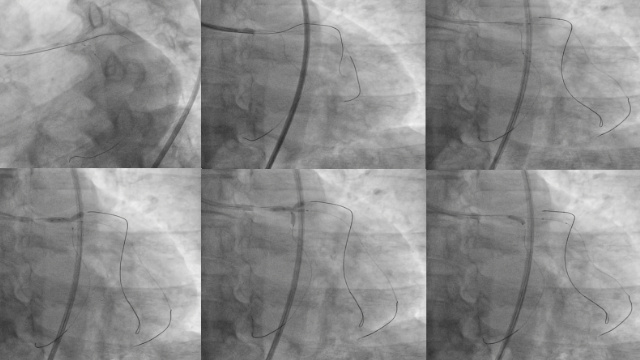
Complications and challenging cases #2
19 Dec 2024 – From GulfPCR-GIM 2024
Dive into this session to explore a collection of challenging cases and complications encountered in interventional cardiology. From a ruptured balloon inside a coronary artery to a percutaneous ventricular septal rupture closure post myocardial infarction, uncover the strategies and techniques used to manage these complex situations....