371 results
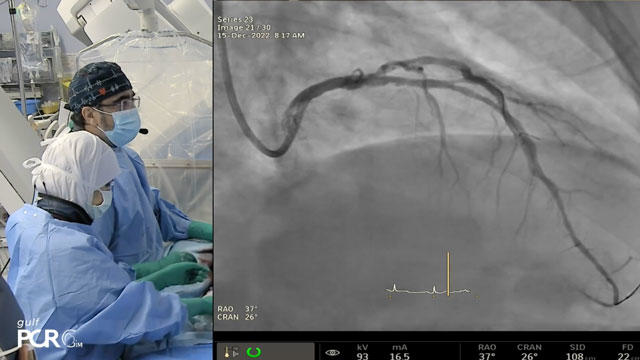
The importance of IVUS in optimising PCI of the left main coronary artery
03 Mar 2023 – From AfricaPCR 2023
Watch the case of an 89-year-old active male patient with type II diabetes and pulmonary hypertension, awaiting hip replacement, who presented with recently worsening effort dyspnoea, and review his treatment management thanks to the recorded video while following the debate around such intervention.
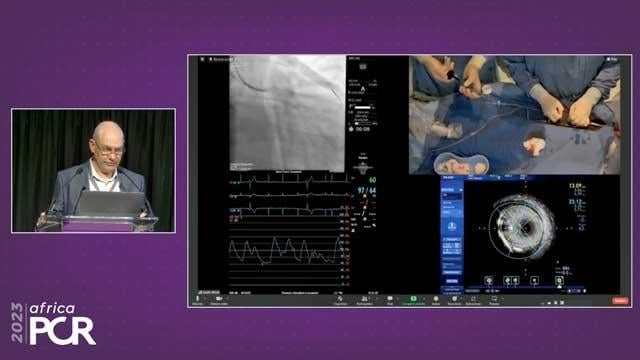
BIOVASC: Immediate complete revascularization as safe and effective as staged procedure in treating multi-vessel disease
05 Mar 2023
Ali Nazmi Calik & Elad Asher summarize the results of the clinical trial presented by Roberto Diletti at the American College of Cardiology Scientific Session (ACC.23/WCC).

Author

Author

PCRonline @ ACC.23/WCC Scientific Sessions
23 Feb 2023
Live updates on a selection of major Late Breaking Clinical Trials of interest in interventional cardiology presented at the American College of Cardiology / World Heart Federation 2023 Scientific Sessions #ACC23 #WCCardio.

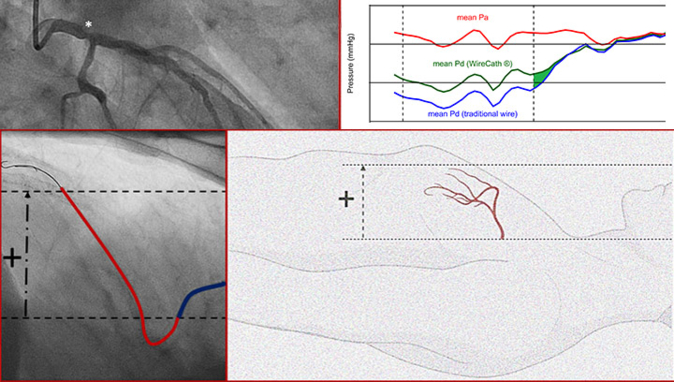
The effect of eliminating the hydrostatic pressure gradient during fractional flow reserve measurement
09 Feb 2023
Study the case of this 78-year-old male patient to understand why and how HPG may be important when measuring FFR in patients with CAD, as its height may influence the height of different FFR measurements, and, therefore, the patient management.
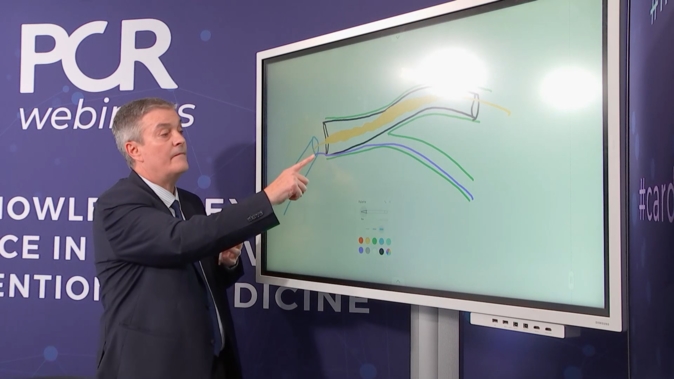
1st stent in left main PCI: simple but not too simple
03 Jan 2023
Watch the replay of the 1st webinar on bifurcation with Goran Stankovic. You’ll learn all about '1st stent in left main PCI'
Left main and multivessel disease - Session 2
15 Dec 2022 – From GulfPCR-GIM 2022
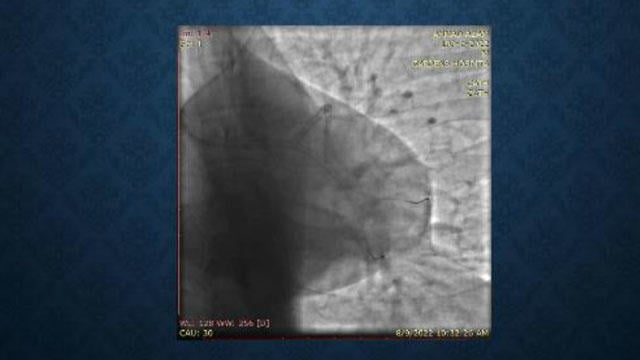
View a sudden LM stem occlusion, a LM dissection during CTO, or even a rotablation in LM triple vessel disease in severe left ventricle dysfunction, and much more in this GulfPCR-GIM 2022 session.
Left main multivessel disease and other coronary interventions
15 Dec 2022 – From GulfPCR-GIM 2022
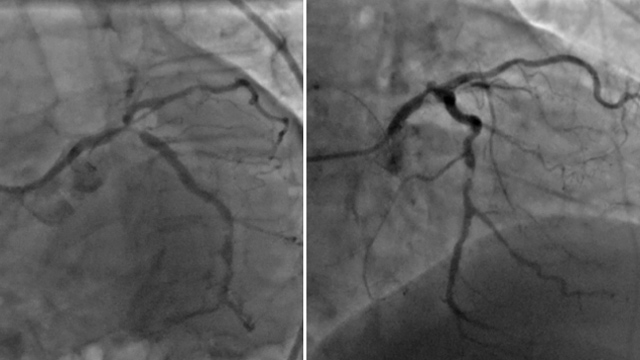
This GulfPCR-GIM 2022 session will allow you to study a rare case of coronary artery dissection due to blunt chest trauma leading to myocardial infarction, the evolution from LAD to LMS stenting, the use of a mini-crush for a complex left main bifurcation, and much more!
Left main and multivessel disease - Session 1
15 Dec 2022 – From GulfPCR-GIM 2022
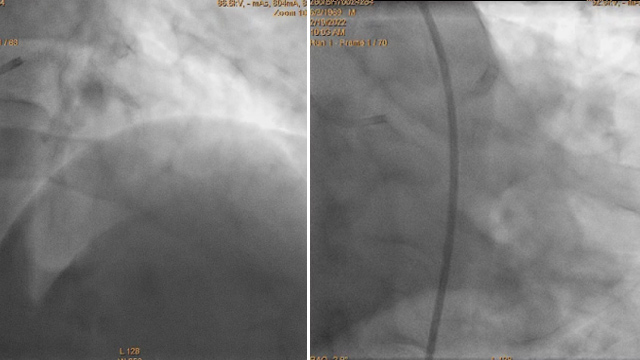
Consult this session on left main and multivessel disease to discover a selection of cases presented during Gulf PCR 2022: multiple bifurcation lesions in an octogenarian and high-bleeding risk case, left anterior descending CTO complicated by left main thrombus with left main trifurcation stenting, and much more!
STEMI - Adjunctive pharmacotherapy
15 Dec 2022 – From GulfPCR-GIM 2022
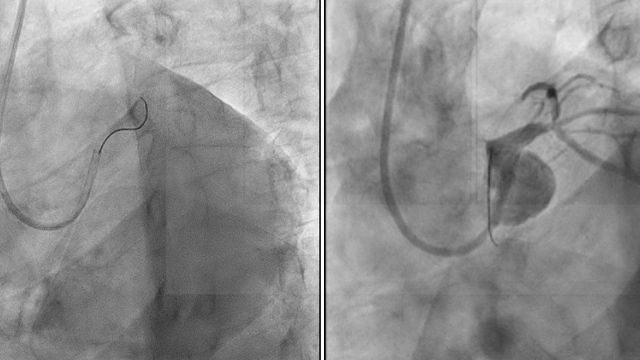
This GulfPCR-GIM 2022 session will enable you to view a case of cardiogenic shock on anterior STEMI, as well as a complicated double-vessel intervention in inferior wall myocardial infarction with cardiogenic shock and acute LVF-PCI-RCA and LMCA-LAD, among others!
Complex left main PCI - Session with LIVE case
15 Dec 2022 – From GulfPCR-GIM 2022
Follow the discussion around the case presented LIVE in this GulfPCR-GIM 2022 session of a 68-year-old male patient with DM, HTN and hyperlipidaemia, who presented with constant exertional chest pain with class 3 angina for several weeks, and find out more about complex LM PCI.