3651 results for «520»
3651 results
Identifying and planning protected temporary mechanical circulatory support-based procedures in high-risk patients
21 May 2026 – From EuroPCR 2026
This session provides an in-depth update on protected temporary mechanical circulatory support-based procedures in high-risk cardiac patients. It covers patient identification criteria, device selection, and multidisciplinary planning to optimize outcomes in protected PCI, ventricular ablation, and surgical contexts.

The pearl of unloading with mechanical circulatory support
21 May 2026 – From EuroPCR 2026
Delve into the critical aspects of mechanical circulatory support in cardiogenic shock, focusing on device selection, assessment of persistent congestion, and the application of unloading tools to improve patient management and outcomes.

Combined mitral repair and LAA closure with two separate septal punctures - LIVE case
21 May 2026 – From EuroPCR 2026
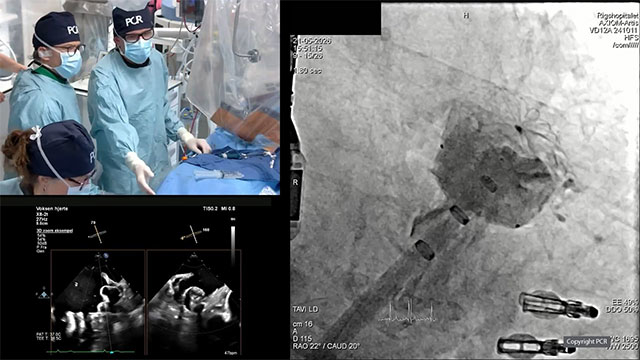
A 79‑year‑old man with hypertension, a history of basal cell carcinoma and psoriasis, presented with symptomatic severe primary MR (flail P2 due to ruptured chordae) and bleeding complications (recurrent skin bleeding) while on DOAC therapy for permanent atrial fibrillation.
Two G5 MitraClip devices were implanted. Subsequently, through...
Spectrum of cardiogenic shock
21 May 2026 – From EuroPCR 2026
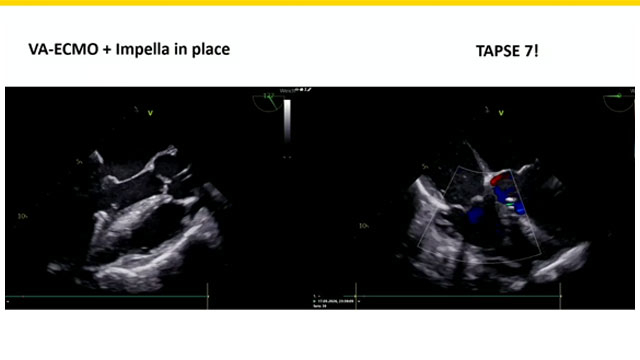
This session delves into the broad spectrum of cardiogenic shock phenotypes, emphasizing the importance of selecting appropriate left ventricular support tailored to specific clinical scenarios. It offers critical insights into the timing of mechanical circulatory support and revascularisation strategies to optimize patient outcomes.
Calcified lesion of distal protected left main - LIVE case
22 May 2026 – From EuroPCR 2026
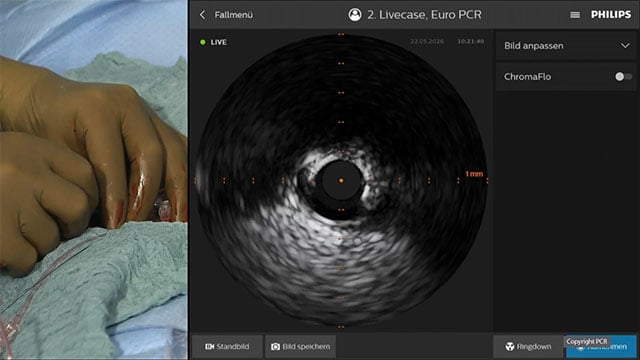
An 85‑year‑old man with type 2 diabetes mellitus, hypertension, dyslipidemia, peripheral artery disease, COPD, and chronic kidney disease presented with CCS class II angina related to three‑vessel coronary artery disease. He had previously undergone hybrid revascularization, including PCI of the RCA ostium and CABG with LIMA...
Multivessel complications: what can go wrong
21 May 2026 – From EuroPCR 2026
This session highlights complications encountered in multivessel coronary interventions, presenting complex cases such as lost stents, coronary perforations, shaft fractures, early subacute stent thrombosis, and rare triple vessel thrombosis. It emphasizes practical management strategies for these challenging scenarios in contemporary interventional cardiology.
New data on intracoronary imaging-guided interventions
21 May 2026 – From EuroPCR 2026
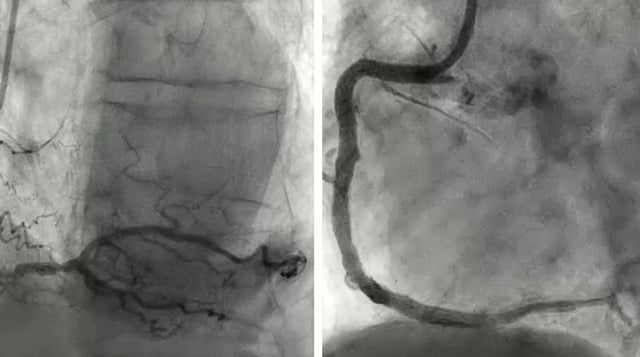
This session presents new data on intracoronary imaging-guided interventions, comparing outcomes of angiography-derived FFR and IVUS-guided PCI over two years, as well as OCT versus IVUS for intermediate left main stenosis. It further evaluates high-risk non-culprit lesions post-myocardial infarction, the role of coronary lipid burden in...
All you need to know of DAPT in ACS
21 May 2026 – From EuroPCR 2026
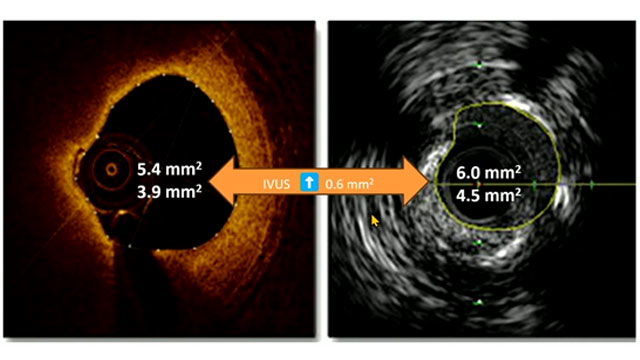
This session provides an in-depth review of dual antiplatelet therapy (DAPT) in acute coronary syndrome (ACS), focusing on strategies for safe de-escalation and P2Y12 inhibitor monotherapy to reduce bleeding risk without compromising ischemic protection. It also covers optimizing antithrombotic therapy in patients on oral anticoagulation and...
New evidence in coronary physiology for microvascular assessment
21 May 2026 – From EuroPCR 2026
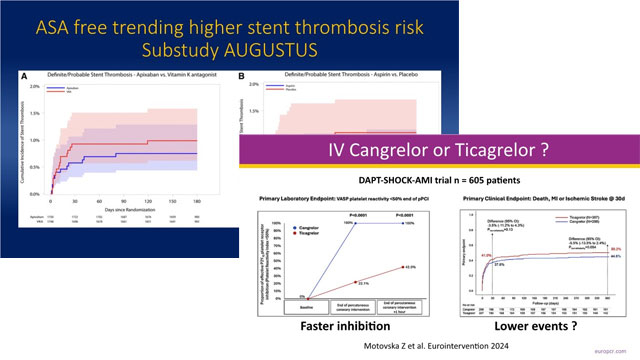
This session highlights new evidence in coronary physiology related to microvascular assessment. Topics include endothelial dysfunction in angina with non-obstructive arteries, the prognostic value of microvascular resistance metrics, natural history studies, and trials aimed at standardizing management of microvascular dysfunction.
Coronary physiology: FFR and beyond
22 May 2025 – From EuroPCR 2025
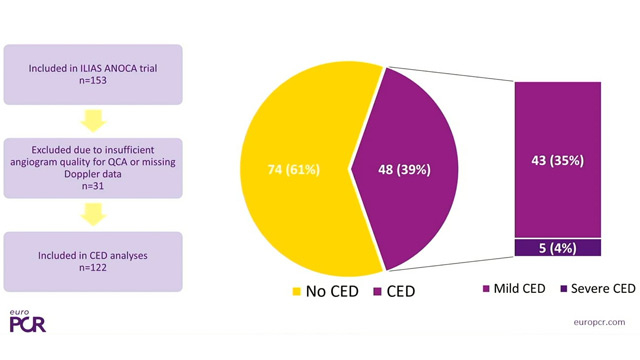
Advance your understanding of coronary physiology with a focus on fractional flow reserve (FFR) and beyond. This session covers randomized trials comparing physiology-guided treatment to standard care in ANOCA, graft patency related to quantitative flow ratio, impacts of microvascular dysfunction on patient outcomes, and prognostic value...
Challenging session in calcified lesions
22 May 2025 – From EuroPCR 2025
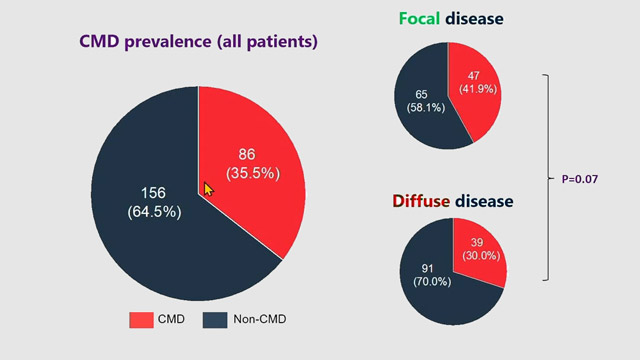
Engage with a challenging session focused on complex calcified lesion interventions. Topics include innovative triple burr techniques, OCT insights into resistant lesions, volume reduction strategies, eccentric calcium management, and IVUS-guided left main calcified lesion treatment, highlighting practical approaches to difficult cases.
All you need to know on aorto iliac disease during TAVI: from access to complications management
22 May 2025 – From EuroPCR 2025
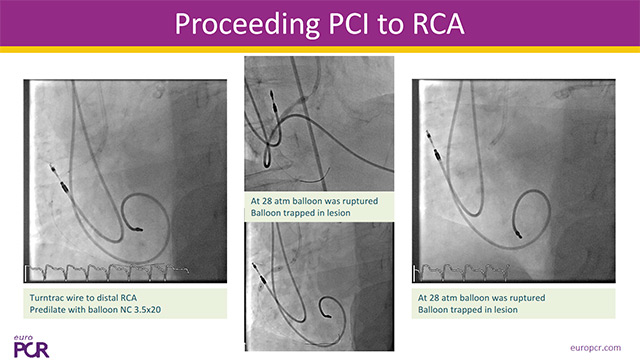
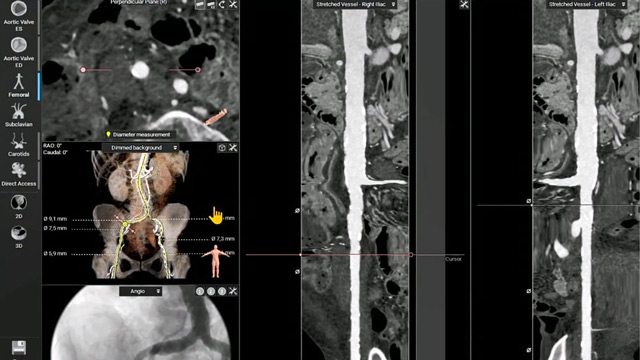
Gain expertise in managing aorto-iliac disease during TAVI procedures, from access planning to complication management. This session covers key imaging techniques, decision-making regarding stenting and lesion modification, approaches to access-related complications, and criteria for involving vascular surgeons, ensuring procedural safety and success.
Leaflet modification to prevent coronary obstruction during TAVI
22 May 2025 – From EuroPCR 2025
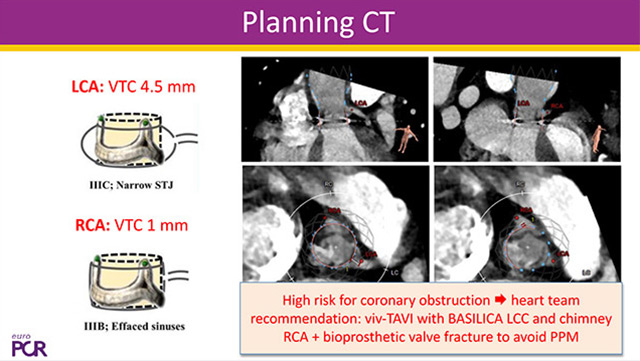
This session addresses advanced leaflet modification techniques to prevent coronary obstruction during TAVI. Learn from detailed cases involving valve-in-valve interventions, treatment of failed stentless valves, homograft management, and dedicated devices for leaflet modification prior to valve-in-valve and valve-in-valve-in-valve procedures.
Calcified un-dilatable lesions in ACS: what should I do?
22 May 2025 – From EuroPCR 2025
Address the challenges of severely calcified undilatable lesions during acute coronary syndrome PCI. This session reviews the impact of coronary calcification on PCI strategy, highlights pitfalls in lesion preparation, and presents detailed case studies demonstrating effective treatment approaches.
PCI in a challenging coronary anatomy
22 May 2025 – From EuroPCR 2025
This session tackles PCI in challenging coronary anatomies, featuring cases with anomalous coronary arteries, complex access routes, and specialized stenting techniques. Learn from experiences managing dual anomalous arteries, navigating to difficult lesions, and applying innovative modified chimney stent methods to restore coronary flow.
Which device for which patient: DES, BRS or DCB?
22 May 2025 – From EuroPCR 2025
This session provides comprehensive guidance on selecting the appropriate device—DES, BRS, or DCB—for individual patients and lesions. It examines patient and lesion characteristics, strengths and limitations of each device type, and regional considerations, illustrated by case presentations demonstrating practical device choice and resolution.
Combined LAA closure and transcatheter mitral valve repair - LIVE Case
22 May 2025 – From EuroPCR 2025
An 82-year-old male patient with a history of PM (pacemaker) implantation in 2024, and ischaemic cardiomyopathy presented with symptomatic heart failure due to severe secondary mitral regurgitation and impaired LV function (EF 40 %). He also presented with recurrent gastro-intestinal bleeding while on DOAC for atrial...
Innovative strategies for coronary interventions
22 May 2025 – From EuroPCR 2025
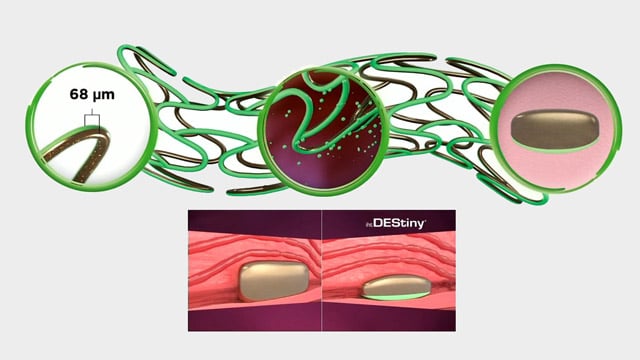
Explore innovative strategies in coronary interventions, including the EPIC26 sirolimus-eluting stent study, use of percutaneous ventricular assist devices in high-risk patients, the SCORE multicenter study on SeQuent SCB, DCB versus DES for ostial left circumflex lesions, and site-specific antithrombotic therapy outcomes from the DESyne BDS Plus...
Redo TAVI - How to treat different TAVI platforms when they fail
22 May 2025 – From EuroPCR 2025
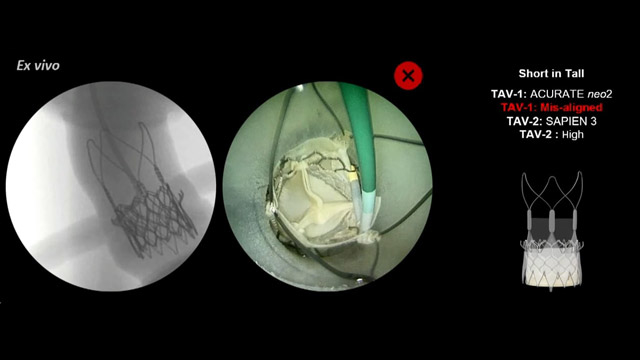
Understand the complexities of redo TAVI procedures with emphasis on planning, valve platform characteristics, and tailored procedural strategies. This session features cases of redo TAVI for failed short-frame and tall-frame valves, alongside discussions on current evidence gaps guiding optimal management.
High thrombus burden in STEMI
22 May 2025 – From EuroPCR 2025
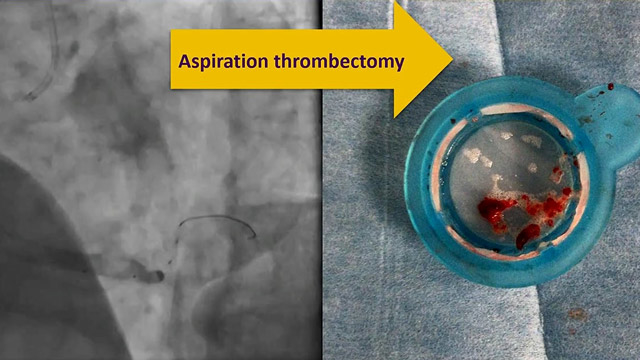
This session addresses the management of high thrombus burden in STEMI patients. It reviews available tools and strategies for thrombus management, presents multiple case-based discussions illustrating treatment decisions, and explores the evolving role of thrombus aspiration in contemporary practice.