


3631 results for «641»
3631 results
Spectrum of cardiogenic shock
21 May 2026 – From EuroPCR 2026
This session delves into the broad spectrum of cardiogenic shock phenotypes, emphasizing the importance of selecting appropriate left ventricular support tailored to specific clinical scenarios. It offers critical insights into the timing of mechanical circulatory support and revascularisation strategies to optimize patient outcomes.
Innovative strategies in STEMI management
22 May 2026 – From EuroPCR 2026
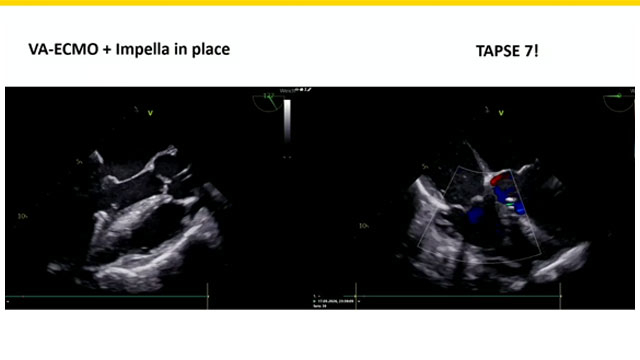
This session presents innovative strategies in STEMI management, including the treatment of acute saphenous vein graft occlusion, primary PCI via the left internal mammary artery, and a two-step lesion debulking approach. It also covers hybrid drug-coated balloon strategies in complex multivessel disease and the emerging role...

Controversies and conversations in TAVI
21 May 2026 – From EuroPCR 2026
This session addresses key controversies and discussions in transcatheter aortic valve implantation (TAVI), including the role of invasive coronary angiography prior to TAVI, use of cangrelor during combined TAVI and high-risk PCI, and discrepancies in aortic valve stenosis assessment methods. Additional topics cover operator models, valve...

Challenging cases in calcified lesions PCI
22 May 2026 – From EuroPCR 2026
This session addresses challenging cases in PCI of heavily calcified lesions. It covers unexpected complications such as silent shockwave failures, interventions in calcified Kawasaki disease, delayed coronary obstructions post-TAVI, and complex left main bifurcation lesions. The session underscores the perseverance required to successfully navigate these demanding...
Diagnosis and management of INOCA and ANOCA
21 May 2026 – From EuroPCR 2026
This session focuses on the diagnosis and management of ischemia and angina with non-obstructive coronary arteries (INOCA and ANOCA). It presents safety data from coronary function testing, patient outcomes after comprehensive ischemia assessment, and endotype-specific treatment effects. Further topics include coronary sinus reducer therapy, the impact...
When anatomy surprises: closing rare fistulae
21 May 2026 – From EuroPCR 2026
This session focuses on the percutaneous closure of rare and complex cardiac fistulae and related vascular anomalies. It presents diverse cases such as superior vena cava syndrome from pacemaker leads, iatrogenic aorta-to-left atrium fistula, and unusual cardio-pulmonary connections, illustrating advanced interventional techniques to address unexpected anatomical...
Challenges of multivessel disease in ACS
21 May 2026 – From EuroPCR 2026
Dedicated to the challenges of multivessel disease in acute coronary syndrome (ACS), this session explores strategies to identify culprit versus non-culprit lesions and plan multivessel revascularisation using physiology, intravascular imaging, and artificial intelligence. It further discusses the timing considerations for revascularisation, whether ad-hoc or staged, illustrated...
Imaging evaluation in structural heart interventions
21 May 2026 – From EuroPCR 2026
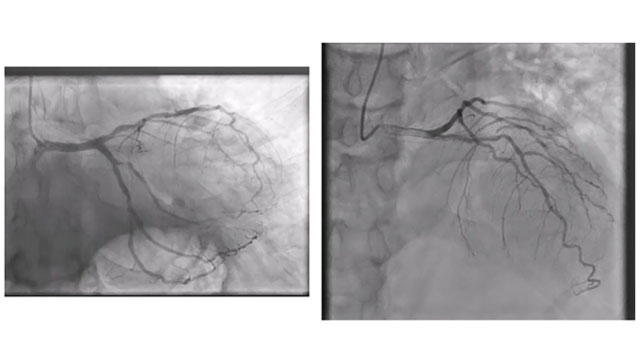
This session offers a comprehensive evaluation of imaging techniques applied in structural heart interventions. It covers innovative studies including the impact of Dapagliflozin on multivalvular disease post-TAVI, advanced fusion methods combining CT and echocardiography to assess aortic stenosis severity, and the clinical relevance of the fibrocalcific...
New platforms for coronary lesions treatment
21 May 2026 – From EuroPCR 2026
Delve into the latest developments in coronary lesion treatment platforms through this session, highlighting real-world performance data of novel drug-eluting stents like Eternia and Evermine 50. It also presents preclinical insights on biomimetic CD31-coated stents, long-term outcomes of the Fantom BRS platform, and innovative randomized trials...
Risk stratification and reperfusion strategies for acute and subacute pulmonary embolism
21 May 2026 – From EuroPCR 2026
Focus on risk stratification and reperfusion strategies for acute and subacute pulmonary embolism through this session. It discusses the impact of elective endovascular therapies in intermediate-high risk patients, intraprocedural complications, and early mortality associated with catheter interventions. Additionally, it reviews real-world outcomes of catheter-directed therapy, national...
Identifying and planning protected temporary mechanical circulatory support-based procedures in high-risk patients
21 May 2026 – From EuroPCR 2026
This session provides an in-depth update on protected temporary mechanical circulatory support-based procedures in high-risk cardiac patients. It covers patient identification criteria, device selection, and multidisciplinary planning to optimize outcomes in protected PCI, ventricular ablation, and surgical contexts.
Complex bifurcation PCI: LIVE Educational Case from Leipzig Heart Centre - Leipzig, Germany
21 May 2026 – From EuroPCR 2026
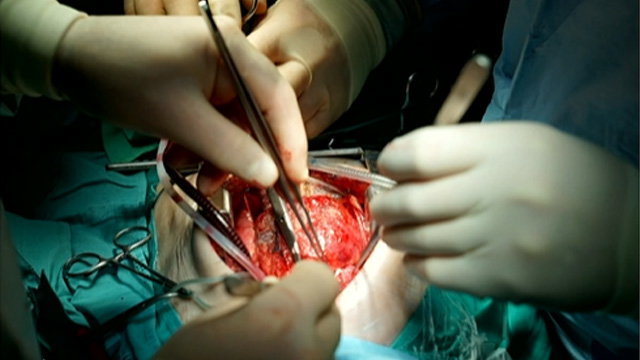
Through a live educational case from Leipzig Heart Centre, this session addresses the complexities of bifurcation PCI. It discusses criteria defining complex bifurcation lesions, management strategies for challenging side branch access, and evaluates treatment options for true bifurcation lesions. The session includes patient presentation, detailed imaging...
The pearl of unloading with mechanical circulatory support
21 May 2026 – From EuroPCR 2026
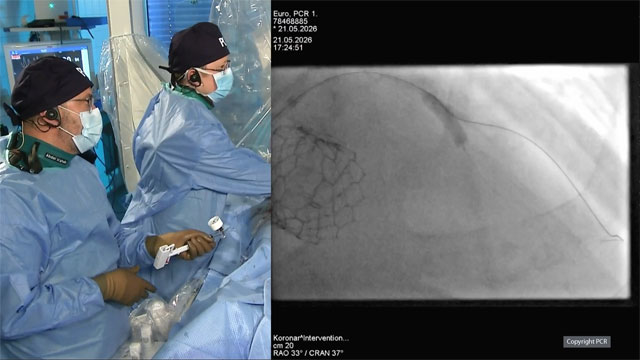
Delve into the critical aspects of mechanical circulatory support in cardiogenic shock, focusing on device selection, assessment of persistent congestion, and the application of unloading tools to improve patient management and outcomes.
Percutaneous management of mitral and aortic valve disease
21 May 2026 – From EuroPCR 2026
Delve into the percutaneous management of mitral and aortic valve disease through detailed procedural demonstrations. This session covers valve-in-valve procedures, navigation of potential complications in valve-in-valve TAVI, and mitral valve edge-to-edge repair techniques, supported by real-world case discussions and key learnings.
Haemodynamic support: from shock to complex high-risk interventional problems
21 May 2026 – From EuroPCR 2026
This session examines haemodynamic support from cardiogenic shock through to complex high-risk interventional cardiology procedures. It features registry data, clinical outcomes, and procedural techniques including mechanical circulatory support and arterial access strategies.
Complex multivessel disease: from calcium to physiology - Case-based decisions
21 May 2026 – From EuroPCR 2026
Focus on complex multivessel coronary artery disease management with an emphasis on severely calcified lesions and the integration of intracoronary imaging and physiology. This session prepares clinicians to anticipate and manage complications during PCI, enhancing competence in treating challenging coronary anatomies through case-based decision-making.
Overcoming complications with intracoronary imaging
21 May 2026 – From EuroPCR 2026
Explore challenging cases of intracoronary imaging complications, highlighting recognition, management, and resolution of complex vascular and mechanical issues encountered during coronary interventions.
Insight from new evidence for complex PCI: value of imaging (CHIP IVUS) and left ventricular support (CHIP BCIS 3)
21 May 2026 – From EuroPCR 2026
This session reviews the impact of recent evidence on complex PCI, highlighting the value of intracoronary imaging (CHIP IVUS trial) and left ventricular assist devices (CHIP BCIS 3 trial). Through case discussions, participants reflect on how these innovations influence daily clinical practice and enhance procedural planning...
Refining management of NSTEMI
21 May 2026 – From EuroPCR 2026
This session refines NSTEMI management by exploring advanced diagnostic tools, risk stratification, and tailored revascularization strategies, including bleeding risk assessment and dual antiplatelet therapy considerations.
Atypical NSTEMI culprit lesions
22 May 2026 – From EuroPCR 2026
Focusing on atypical NSTEMI culprit lesions, this session examines rare presentations such as calcific emboli, coronary anomalies, and unusual routes to revascularisation. It provides clinical insights into diagnosing and managing uncommon acute coronary syndromes effectively.