


3644 results for «2823»
3644 results
Uncovering ischaemia mechanisms with intracoronary imaging
20 May 2026 – From EuroPCR 2026
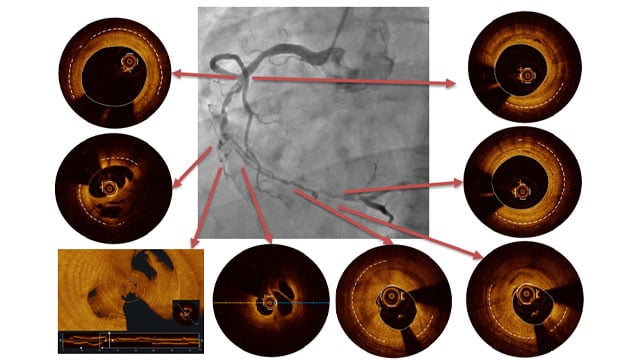
This session delves into the complex mechanisms of ischaemia through the lens of intracoronary imaging, highlighting challenging cases such as very-long, complex woven coronary syndromes, unusual ACS presentations, and the nuanced interplay between physiology and imaging in diagnosing angina in pulmonary hypertension with left main compression.
When transcatheter LAA closure becomes challenging
20 May 2026 – From EuroPCR 2026
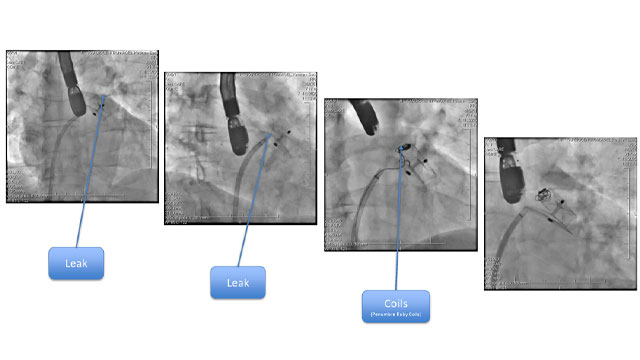
This session addresses the technical and clinical challenges encountered during transcatheter left atrial appendage (LAA) closure, including management of peri-device leaks, alternative access routes like transhepatic approaches, complications following surgical closures, and rare procedural adversities such as accidental aortic puncture.
New data in DCB outcomes
20 May 2026 – From EuroPCR 2026
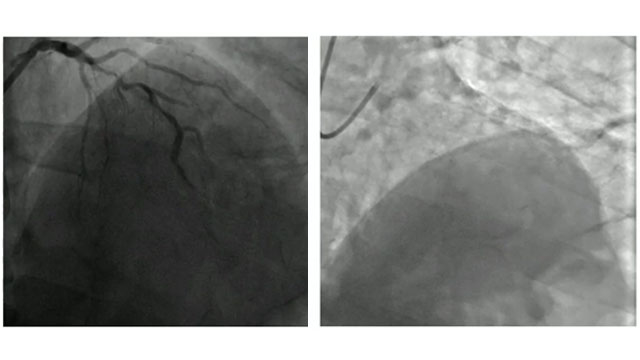
Explore emerging evidence on drug-coated balloon (DCB) outcomes, featuring intravascular lithotripsy combined with DCB in calcified small vessels, OCT-guided PCI registries, predictors of angiographic success post-sirolimus-coated balloon angioplasty, and clinical impact in multivessel coronary artery disease management.
AI adoption in the cathlab of tomorrow - Intravascular imaging applications
20 May 2026 – From EuroPCR 2026
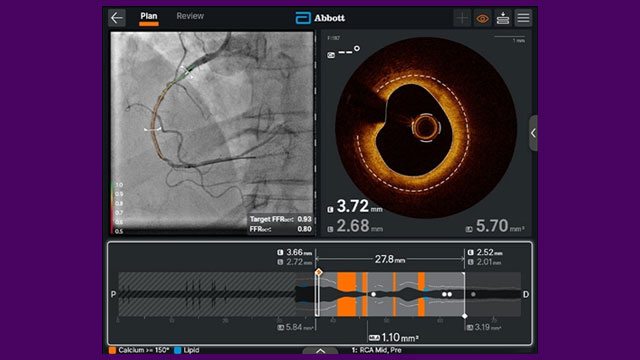
This session examines the integration of artificial intelligence in intravascular imaging within the cath lab, identifying unmet needs in OCT interpretation, exploring AI's role in enhancing procedural decision-making and trust, and discussing barriers to implementation such as prediction reliability and clinical actionability.
Images that speak for themselves
20 May 2026 – From EuroPCR 2026
This visually-driven session presents compelling clinical cases where imaging played a decisive role. Cases include unexpected challenges following transcatheter tricuspid valve replacement, severe hypertension in a young athlete, atypical coronary artery anatomy, critical moments of cardiac arrest, and unique coronary artery findings resembling a spider web.

Imaging guidance in everyday practice
20 May 2026 – From EuroPCR 2026
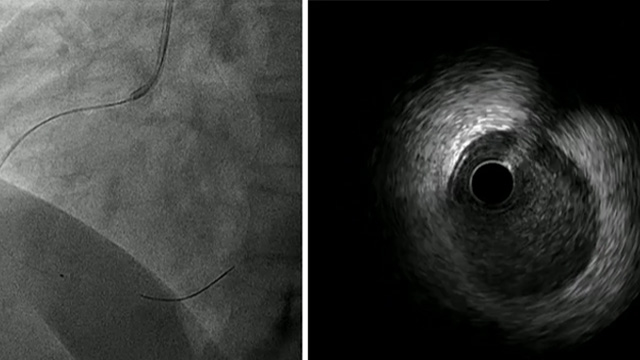
This session emphasizes the role of imaging guidance in everyday interventional cardiology practice. Through challenging cases involving exertional chest pain, unusual coronary anatomy, complex left ventricular access, side branch navigation, and IVUS-guided re-intervention, it underscores the critical value of advanced imaging for diagnostic clarity and procedural...
Innovations in structural interventions
20 May 2026 – From EuroPCR 2026
Highlighting the forefront of structural heart interventions, this session presents innovations including novel devices and technologies from industry leaders. It features advancements such as a new transseptal left atrial fixation device designed to expand the suitability of transcatheter mitral valve replacement (TMVR).

TAVI in aortic regurgitation with a dedicated valve - LIVE case
20 May 2026 – From EuroPCR 2026
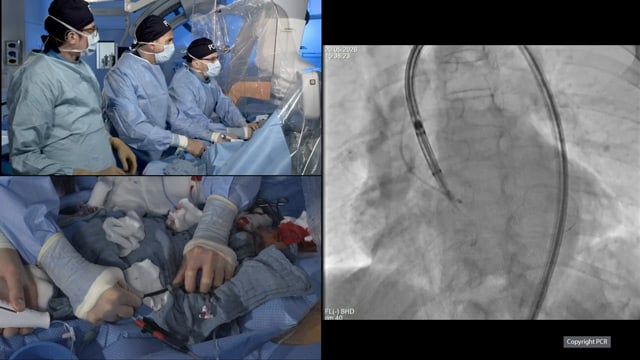
An 80-year-old male with chronic kidney disease, a history of colon cancer (2013), paroxysmal AF, and LAD PCI 2 weeks earlier presented with symptomatic severe type III AR. He had normal LV function, but early LV dilation. The mechanism of AR was a combination of primary...
Secondary mitral regurgitation: not all patients are the same
20 May 2026 – From EuroPCR 2026
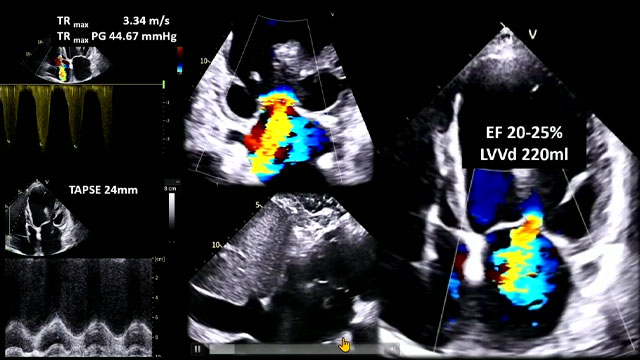
Examining secondary mitral regurgitation, this session differentiates patient phenotypes and discusses the application of updated guideline recommendations. It offers practical guidance on selecting the appropriate device tailored to individual patient characteristics, supported by detailed case studies.
Imaging to the rescue in LAA closure
20 May 2026 – From EuroPCR 2026
This session highlights the pivotal role of advanced imaging modalities in left atrial appendage (LAA) closure. Topics include novel risk assessment workflows for air embolism, evaluation protocols using cardiac CT and 3D TEE, reproducibility of anatomical classifications, and long-term follow-up outcomes with various imaging techniques.
Navigating the complexity of high bleeding risk
20 May 2026 – From EuroPCR 2026
Focusing on patients with high bleeding risk undergoing PCI, this session presents contemporary evidence on prevalence, procedural strategies with different stent types, antiplatelet therapy considerations including diabetic and sex-specific outcomes, and novel technologies such as sirolimus-coated balloons and machine learning models for restenosis prediction.
Complication one: PCI complications occuring during urgent PCI for NSTEMI
20 May 2026 – From EuroPCR 2026
Examine real-world PCI complications encountered during urgent interventions for NSTEMI patients. This session presents a series of complex cases illustrating management strategies for adverse events such as coronary perforations, device issues, and imaging challenges to inform safer procedural practice.
New evidence for the use of DCB
20 May 2026 – From EuroPCR 2026
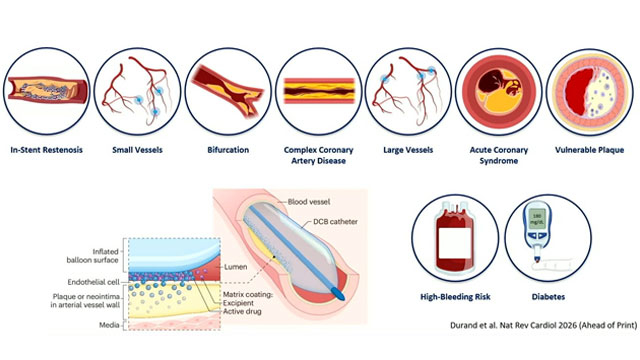
This session reviews emerging evidence supporting the use of drug-coated balloons (DCB) in complex PCI. It covers data from recent trials such as SELUTION De Novo, studies on vascular healing, restenosis patterns, long-term outcomes compared to DES, and optimal side branch treatment in bifurcation lesions.
Registries and trials in TMVR
20 May 2026 – From EuroPCR 2026
This session provides an in-depth review of registries and clinical trials focused on transcatheter mitral valve replacement (TMVR). It presents data on annular and ventricular remodeling with the HighLife system, mid- to long-term valve performance, and innovations in transseptal TMVR using novel bioprostheses.
Intracoronary imaging to guided DCB PCI
20 May 2026 – From EuroPCR 2026
This session highlights the role of intracoronary imaging techniques such as OCT and IVUS in guiding drug-coated balloon (DCB) PCI. It explores novel imaging-guided algorithms for complex bifurcations, prediction of drug-eluting balloon failure, management of calcified nodules, re-entry into true lumen during CTO, and tackling aneurysms...
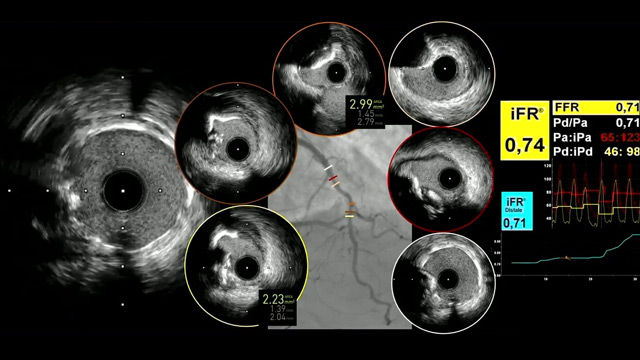
When the angiogram shows no answer for your AMI patient: what's next?
20 May 2026 – From EuroPCR 2026
This session focuses on non-occlusive causes of acute coronary syndromes (ACS) when angiograms do not reveal clear pathology. It emphasizes the diagnostic value of intracoronary imaging for conditions such as MINOCA and spontaneous coronary artery dissection (SCAD), and discusses optimal treatment strategies and prognostic considerations.
Stentless PCI, DCB and BVS in complex scenarios
20 May 2026 – From EuroPCR 2026
This session explores the use of stentless percutaneous coronary interventions (PCI) employing drug-coated balloons (DCB) and bioresorbable scaffolds (BVS) in complex coronary scenarios. Through detailed case discussions, it addresses decision-making processes, technical considerations, and practical tips for successfully completing PCI without permanent stenting.
DCB - Going beyond in-stent restenosis
20 May 2026 – From EuroPCR 2026
This session examines the expanding role of drug-coated balloons (DCB) beyond in-stent restenosis, including treatment of acute coronary syndromes, calcified lesions, and bifurcations. It reviews current evidence supporting DCB-based revascularization and outlines essential procedural steps to optimize outcomes.
New tools for risk stratification in STEMI
20 May 2026 – From EuroPCR 2026
This session highlights novel tools and scores for risk stratification in ST-elevation myocardial infarction (STEMI) patients. It covers prognostic indices such as the index of microcirculatory resistance, the PREDICT-STEMI score, thrombus characteristics, sex differences in outcomes, renal impairment impacts, and benefits of complete revascularization strategies.
Complications in coronary interventions
20 May 2026 – From EuroPCR 2026
This session reviews uncommon and challenging complications encountered during coronary interventions. Cases include brachial arteriovenous fistula following radial access, retained guidewires, coronary sinus perforation during device implantation, and complex atherectomy procedures, emphasizing preparedness and management strategies.