3650 results for «318»
3650 results
Which valve is best for my patient?
21 May 2025 – From EuroPCR 2025
This session guides clinicians in selecting the most appropriate transcatheter aortic valve tailored to individual patient characteristics. Through diverse case discussions, including patients with coronary artery disease, small anatomies, bicuspid valves, and surgical bioprostheses, it elucidates decision-making processes and planning for complex TAVI anatomies.
Current DCB practice: from lesion preparation to follow-up
21 May 2025 – From EuroPCR 2025
Explore current best practices in drug-coated balloon (DCB) angioplasty from lesion preparation to follow-up. This session discusses common indications, management of dissections and complications, and shares practical tips and case examples, equipping clinicians with comprehensive knowledge to optimize DCB use in contemporary PCI.
Acute and late coronary complications post-TAVI
21 May 2025 – From EuroPCR 2025
Gain insights into acute and late coronary complications following TAVI. This session discusses angina post-TAVI, mechanisms of acute severe mitral regurgitation during TAVR, hidden coronary obstructions, sudden hemodynamic collapse, and acute coronary occlusion after balloon aortic valvuloplasty.
Atherectomy for CTO-PCI
22 May 2025 – From EuroPCR 2025
Explore atherectomy applications in CTO-PCI with cases demonstrating reverse cart technique, orbital atherectomy in heavily calcified occlusions, and management of atherectomy-induced coronary dissection. Gain practical insights into navigating complex CTO lesions with atherectomy support.
Disrupting the aorta and valves: the next transcatheter wave
18 May 2026 – From EuroPCR 2026
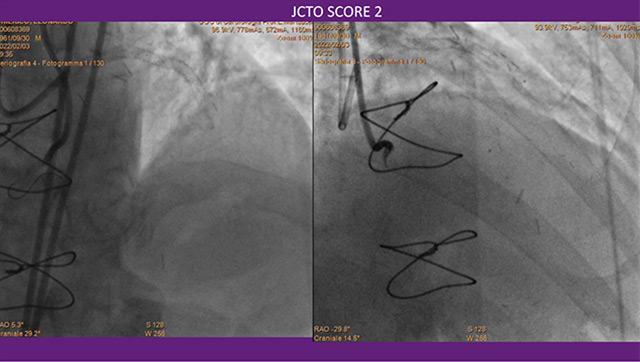
Delve into the next wave of transcatheter interventions disrupting the aorta and valves. This session covers pioneering minimally invasive ascending aortic repair, novel polymeric aortic valve implants, and innovative devices for tricuspid repair and leaflet replacement.

The Physiology Course - Introduction
18 May 2026 – From EuroPCR 2026
The Physiology Course introduction welcomes participants and provides an overview of the importance of coronary physiology, outlining the program designed in collaboration with EuroPCR.

The physiological mindset: foundations every modern operator must own
18 May 2026 – From EuroPCR 2026
This session delves into the fundamental principles governing coronary blood flow regulation, emphasizing coronary autoregulation and the influence of epicardial haemodynamics on vascular morphology. Participants deepen their understanding of coronary physiology beyond formulas, exploring the intersection of physiology and atherosclerosis.
Physiology in the real world: how to measure, when to trust it, what to do?
18 May 2026 – From EuroPCR 2026
This session provides comprehensive insights into coronary physiology assessment tools, emphasizing techniques for reliable haemodynamic measurements and exploring clinical considerations surrounding coronary spasms and myocardial bridges.
Rapid fire session on next generation structural heart and valve therapies
18 May 2026 – From EuroPCR 2026
An intensive rapid-fire session presenting the latest advancements in next-generation structural heart and valve therapies, including novel transcatheter systems for aortic and mitral valve repair, innovative solutions for tricuspid regurgitation, and implant-free PFO closure technologies.
Rapid fire session on vascular innovation, interventional technologies and hypertension
18 May 2026 – From EuroPCR 2026
This rapid fire session showcased cutting-edge innovations in vascular interventions, interventional technologies, and hypertension management. Highlights included three-dimensional OCT-guided ultrafast laser atherectomy for calcified lesions, a novel biodegradable metallic stent, intelligent pressure-controlled perfusion to prevent acute limb ischemia, a microneedle balloon catheter, personalized arterial hypertension control...
The microcirculation: the next frontier in coronary practice
18 May 2026 – From EuroPCR 2026
Delve into the complexities of coronary microcirculation and its clinical implications. This session highlighted advanced diagnostic techniques such as bolus and continuous thermodilution, the interpretation of microvascular resistance reserve, and practical guidance on establishing a high-impact ANOCA clinic to manage microvascular angina and coronary dysfunction.
From left to right: different perspectives on heart failure management
19 May 2026 – From EuroPCR 2026
Exploring diverse perspectives on heart failure management, this session presents a range of complex clinical cases. Topics include facilitated treatment of post-myocardial infarction interventricular septal defects, left ventricular perforation following Impella placement, diagnostic challenges in shock scenarios, the implications of severe right ventricular dysfunction on left...
The Jon DeHaan Foundation Award competition
18 May 2026 – From EuroPCR 2026
Explore the forefront of interventional cardiology innovation with the Jon DeHaan Foundation Award competition, featuring pioneering solutions for valvular heart disease and mechanical support. This session highlights novel devices such as TriFlo for tricuspid regurgitation, the extravascular ventricular assist device (eVAD System), and the first-in-human experience...
Value of imaging for treatment of calcified lesions
19 May 2026 – From EuroPCR 2026
This session highlights the critical value of imaging in the treatment of calcified coronary lesions. It reviews techniques for lesion modification, including innovative balloon-based strategies and multimodality approaches for balloon-uncrossable calcified left main bifurcations. The session also discusses the tactical cracking of calcified plaques and strategies...
Evidence for new devices in management of coronary artery disease
19 May 2026 – From EuroPCR 2026
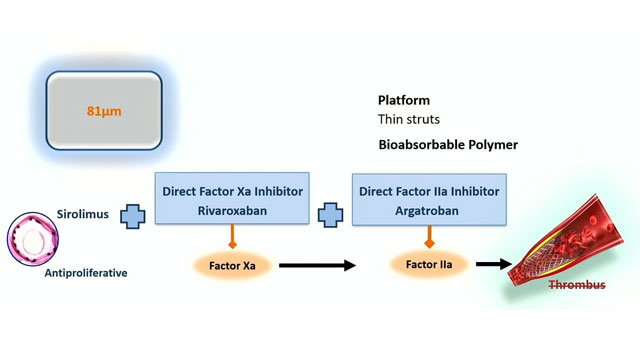
This session reviews the latest evidence on new devices in coronary artery disease management. It covers outcomes from randomized controlled trials including imaging- and physiology-guided PCI with the Bioadaptor device, long-term results of thinner-strut bioresorbable scaffolds, site-specific antithrombotic therapy evaluated in the DESyne BDS Plus Trial,...
Closing lectures
18 May 2026 – From EuroPCR 2026
This session presents comprehensive closing lectures focusing on the evolving understanding of coronary microvascular dysfunction, examining the balance between vulnerability and physiology, and outlining future priorities for next-generation cathlab practices. It concludes with a session evaluation and synthesis of key learnings to inform clinical practice.
Clinical cases - Nurses and Allied Professionals
19 May 2026 – From EuroPCR 2026
Dedicated to nurses and allied health professionals, this session presents compelling clinical cases illustrating their critical role in interventional cardiology. Topics range from managing pregnant patients in the cath lab, the impactful contributions of nursing and allied professionals (NAPs), to their management perspectives during complex procedures...
Clinical experience with transcatheter tricuspid valve replacement
19 May 2026 – From EuroPCR 2026
This session shares clinical experience with transcatheter tricuspid valve replacement (TTVR) for severe tricuspid regurgitation. It includes outcomes after prior repair, analysis of stent frame geometry as a predictor of leaflet abnormalities, and assessments of functional and quality-of-life improvements with systems such as Evoque and MonarQ....
PCR's Got Talent Round 1 - Session 1
19 May 2026 – From EuroPCR 2026
This dynamic session from PCR's Got Talent Round 1 presents a diverse array of cutting-edge research and clinical findings. Topics include the influence of local and systemic inflammation on PCI outcomes, adherence to OCT-guided PCI metrics, comparative guidance strategies using angiography-derived FFR and IVUS, and the...
TAVI and coronary artery disease - LIVE case
19 May 2026 – From EuroPCR 2026
An 88-year-old woman with hypertension, dyslipidemia, paroxysmal AF, and moderate renal impairment presented with symptomatic severe aortic stenosis, with a small (396 mm²), horizontal annulus and preserved LV function. She also had CAD with severe OM and diagonal stenoses. CT showed a risk of left main...