3629 results for «2260»
3629 results
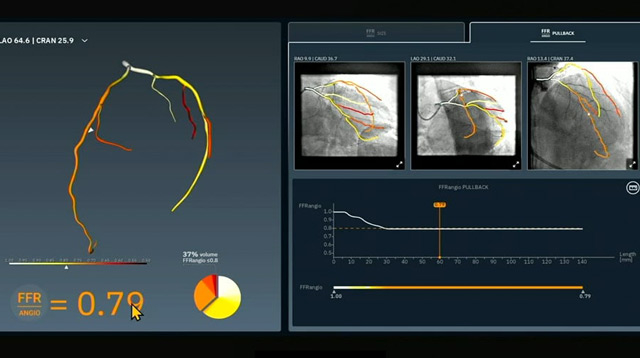
Revascularisation in patients with multivessel disease and severe left ventricular impairment
21 May 2026 – From EuroPCR 2026
This session focuses on revascularisation strategies for patients with multivessel coronary disease complicated by severe left ventricular impairment. It emphasizes patient selection criteria, the crucial role of the heart team in decision-making, and optimization of percutaneous revascularisation outcomes. The content includes comprehensive case presentations and discussions...
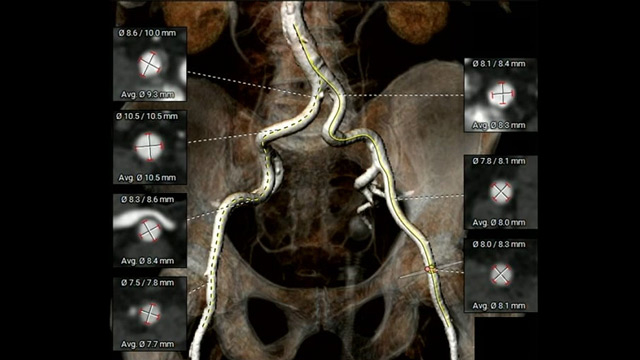
Repair or replace the tricuspid valve: how to decide?
19 May 2026 – From EuroPCR 2026
This session focuses on decision-making in tricuspid valve interventions, balancing the choice between repair and replacement. It covers clinical and anatomical criteria guiding treatment selection, pacing lead management from an electrophysiological and surgical perspective, and the application of multimodality imaging—including TTE, TOE, and CT—to inform real-world...
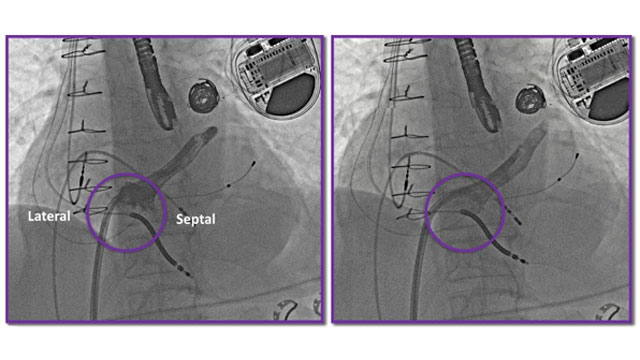
In-stent restenosis: exploring novel solution for an old problem
22 May 2026 – From EuroPCR 2026
This session explores innovative approaches to treating in-stent restenosis (ISR) with a focus on drug-coated balloons (DCB) and sirolimus or paclitaxel-eluting balloon catheters. It includes clinical outcomes from IVUS-guided procedures, cutting balloon angioplasty, comparisons between DCB and DES, and emerging machine learning tools to predict target-lesion...
All you need to know about interventional therapies for pulmonary embolism
20 May 2026 – From EuroPCR 2026
Focused on interventional therapies for pulmonary embolism, this session guides on establishing and sustaining Pulmonary Embolism Response Teams (PERT), refining patient selection for intervention, choosing appropriate technologies, and identifying intraprocedural markers indicating successful treatment outcomes.
New frontiers: TAVI for aortic regurgitation with conventional and dedicated devices
20 May 2026 – From EuroPCR 2026
This session explores new frontiers in transcatheter aortic valve implantation (TAVI) for treating pure aortic regurgitation. It addresses the challenges inherent to this indication, reviews treatment approaches using conventional balloon-expandable and self-expandable devices, and presents recent data along with dedicated TAVI devices designed specifically for aortic...
INOCA in patients with coronary artery disease
21 May 2026 – From EuroPCR 2026
This session focuses on ischaemia with non-obstructive coronary arteries (INOCA) in patients with coronary artery disease. It raises awareness of common clinical presentations, emphasizes accurate diagnosis through functional coronary testing, and discusses how tailored treatment strategies can improve patient outcomes in this frequently under-recognized condition.
Taking on the tough stuff: TAVI in complex anatomies
21 May 2026 – From EuroPCR 2026
Focused on the challenges of transcatheter aortic valve implantation (TAVI) in complex anatomies, this session addresses optimal strategies for treating bicuspid aortic valve stenosis, managing small annuli and low coronary ostia, and approaches to degenerated surgical valves including bioprosthetic fracture techniques. Case-based discussions elucidate practical solutions...
Optimising the results of non-left main bifurcation PCI
21 May 2026 – From EuroPCR 2026
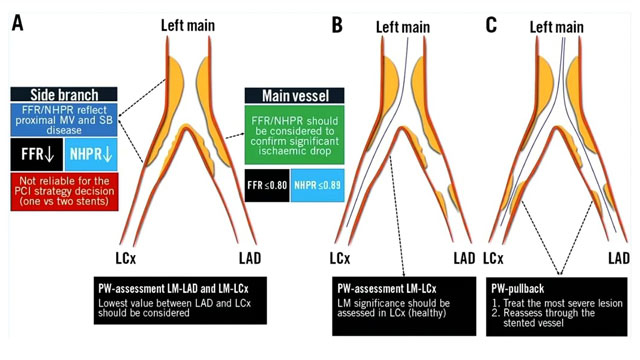
This session focuses on optimizing outcomes in non-left main bifurcation PCI by emphasizing lesion preparation and stent sizing guided by intravascular imaging. It integrates physiological and imaging assessments for confident final result evaluation and discusses criteria for selecting upfront two-stent strategies in bifurcation lesions.
Challenging TAVI access: exploring transfemoral boundaries and mastering alternative access
20 May 2026 – From EuroPCR 2026
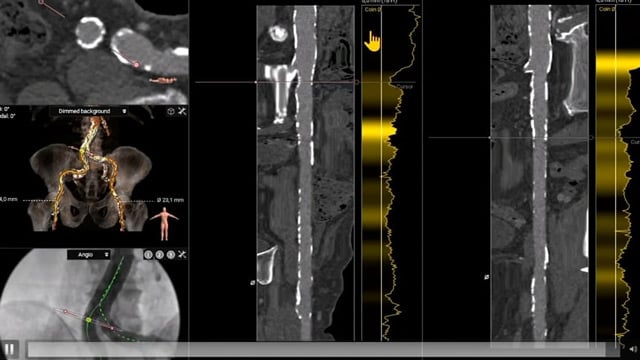
This session investigates the boundaries of transfemoral access for TAVI and strategies to safely extend its use. It also provides a comprehensive review of facilitated transfemoral TAVI techniques and explores alternative access options, offering critical insights for managing challenging TAVI cases.
Adopting a step-by-step approach for successful redo TAVI
21 May 2026 – From EuroPCR 2026
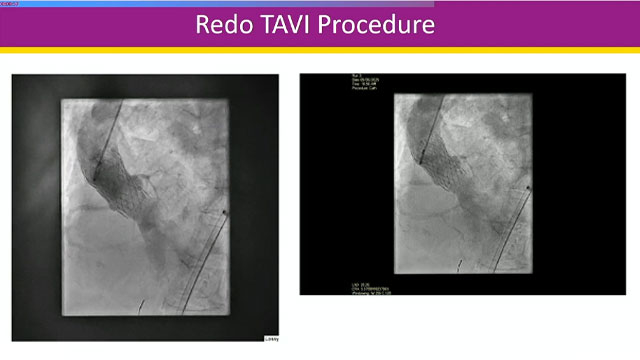
This session outlines a systematic step-by-step approach for redo TAVI procedures, including detailed pre-procedural CT analysis. It addresses challenges associated with failing short and tall-frame valves, and discusses coronary protection and leaflet modification techniques critical for successful reinterventions.
Managing difficult TAVI scenarios
19 May 2026 – From EuroPCR 2026
Focused on complex TAVI cases, this session reviews guideline recommendations for TAVI in younger patients, strategies for managing concomitant coronary artery disease, and considerations for treating asymptomatic severe aortic stenosis. Real-world cases illustrate clinical decision-making and outcomes.

Interventional therapy for hypertension
19 May 2026 – From EuroPCR 2026
This session addresses interventional therapies for hypertension, emphasizing patient selection for renal denervation and integration of this technique within comprehensive hypertension management. It also reviews available renal denervation technologies, optimal procedural approaches, and considerations for interventional treatment of renal artery stenosis.
Insight from recent evidence in structural heart disease: indications for LAA closure (CHAMPION) and PCI in TAVI candidates (PRO-TAVI)
20 May 2026 – From EuroPCR 2026
This session reviews recent evidence impacting the management of structural heart disease, focusing on left atrial appendage (LAA) closure indications and PCI considerations in transcatheter aortic valve implantation (TAVI) candidates. It discusses optimal strategies for coronary artery disease in TAVI patients and evaluates findings from the...
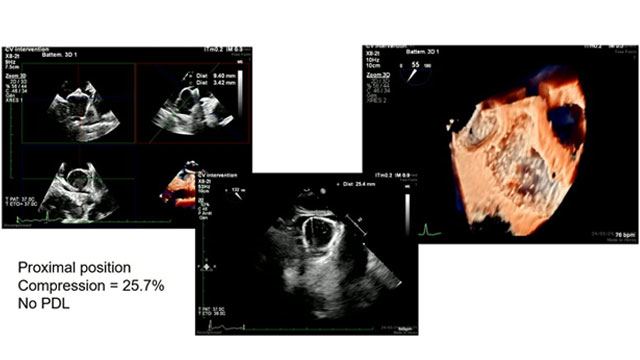
Insight from recent evidence in coronary artery disease: value of DCB for de novo lesions (SELUTION) and imaging for left main PCI (OPTIMAL)
21 May 2026 – From EuroPCR 2026
This session reviews pivotal recent evidence impacting daily practice in coronary artery disease management. It discusses the role of drug-coated balloons (DCB) for de novo lesions as evaluated in the SELUTION trial and evaluates intracoronary imaging strategies for left main PCI as presented in the OPTIMAL...
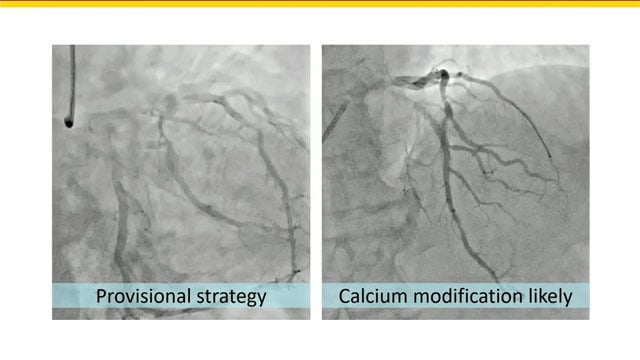
Identifying and planning protected temporary mechanical circulatory support-based procedures in high-risk patients
21 May 2026 – From EuroPCR 2026
This session provides an in-depth update on protected temporary mechanical circulatory support-based procedures in high-risk cardiac patients. It covers patient identification criteria, device selection, and multidisciplinary planning to optimize outcomes in protected PCI, ventricular ablation, and surgical contexts.
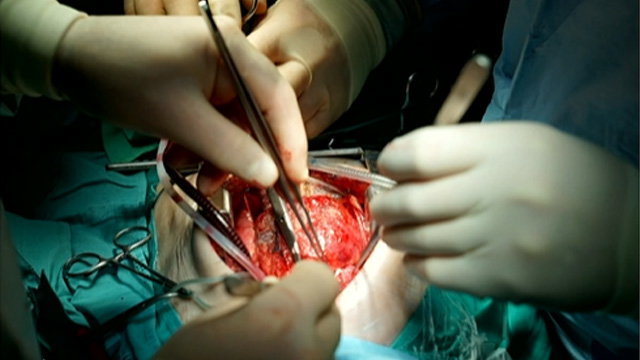
Spotlight - TAVI durability: contemporary evidence and future directions
21 May 2026 – From EuroPCR 2026
Focusing on TAVI durability, this session reviews recent clinical evidence from randomized trials and large registries, examining procedural and device-related factors influencing long-term valve performance. It also discusses challenges in follow-up and implications for future trial designs and device monitoring.
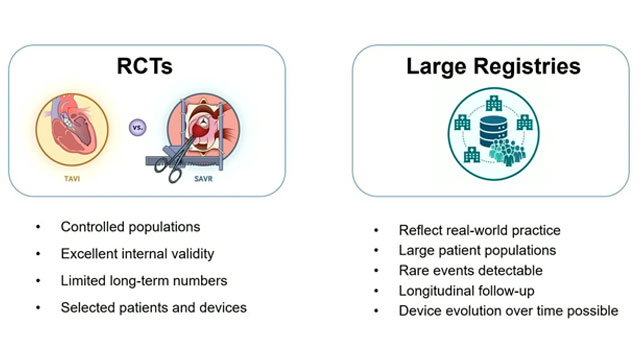
Antithrombotic therapy after TAVI: optimal agents, regimens, and patient selection
20 May 2026 – From EuroPCR 2026
This session critically evaluates antithrombotic therapy following TAVI, addressing optimal agents and regimens tailored to patients with and without atrial fibrillation. It also reviews clinical presentations and management of valve thrombosis post-TAVI, using guideline-based approaches and real-world cases to individualize patient care.
DCB: what we know and what we do not know
22 May 2026 – From EuroPCR 2026
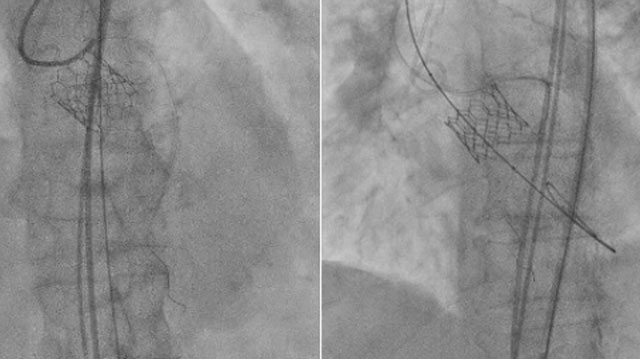
This session provides a detailed update on drug-coated balloons (DCB) in interventional cardiology, covering the latest clinical data and trials. It identifies scenarios where DCB use is most effective and offers guidance on optimizing procedural techniques to enhance clinical outcomes.
Asymptomatic high-risk patients: can CT coronary angiography improve our practice?
21 May 2026 – From EuroPCR 2026
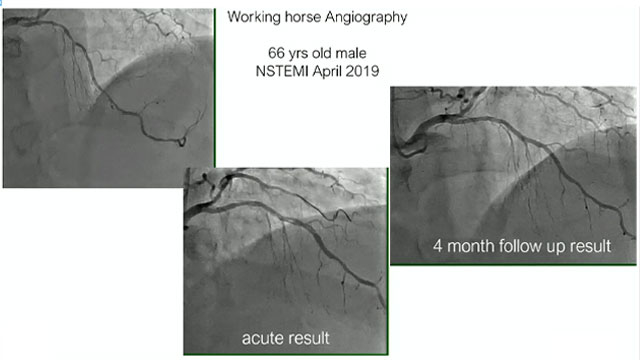
This session examines the role of cardiac computed tomography (CT) coronary angiography in improving clinical practice for asymptomatic high-risk patients. It discusses detection of vulnerable plaque features, the importance of inflammation and physiology in risk assessment, and explores individualized treatment pathways including PCI, medical therapy, or...
Physiological vs. anatomical assessment of multivessel disease patients
21 May 2026 – From EuroPCR 2026
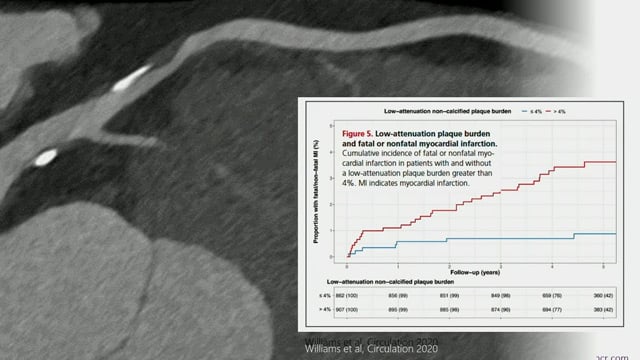
This session delves into the comparative benefits of physiological versus anatomical assessment in patients with multivessel coronary disease, focusing particularly on myocardial infarction cases. Attendees will explore how coronary physiology can guide complete revascularisation, the added value of physiological assessment beyond conventional angiography, and the selection...