


3628 results for «577»
3628 results
TAVI procedural complications - Part 1: VSD, valve embolisation, and more
19 May 2026 – From EuroPCR 2026
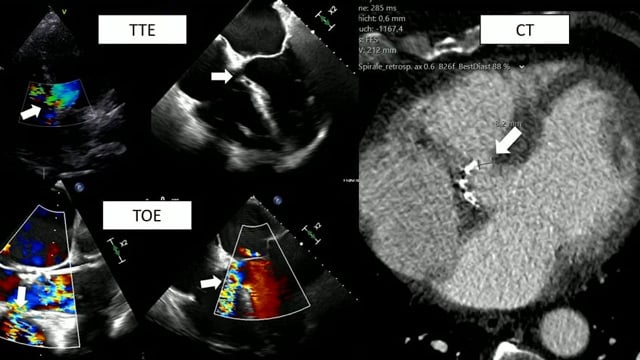
This session focuses on the complex complications that can arise during TAVI procedures, such as ventricular septal defects, valve embolisation, and other critical events. Through detailed case analyses, it offers strategies for recognition, prevention, and management to improve patient safety and outcomes.
How to prevent and manage complex and complicated LAA closure cases?
19 May 2026 – From EuroPCR 2026
Designed to enhance procedural success in transcatheter left atrial appendage closure, this session addresses identification of complex anatomies, management of intraprocedural challenges, and strategies to prevent and handle complications, illustrated by practical case examples and expert evaluations.

From data to decisions: calm and structured approaches to high pressure PCI
19 May 2026 – From EuroPCR 2026
Addressing high-pressure scenarios in the cath lab, this session explores calm and structured decision-making approaches for unusual and challenging PCI cases. It emphasizes optimizing management of life-threatening complications through real-time strategies and illustrative case discussions.

How should I treat a patient with a calcified mitral anatomy?
19 May 2026 – From EuroPCR 2026
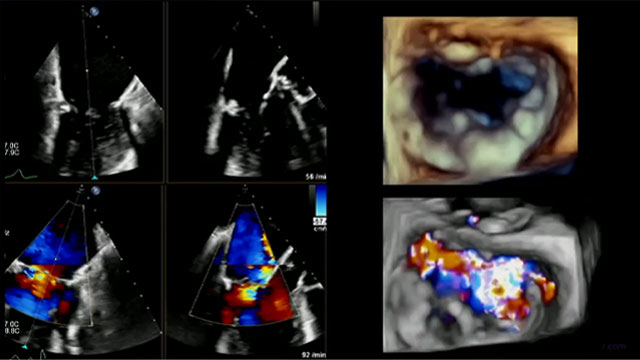
This session explores the management of patients with calcified mitral anatomy, from advanced imaging assessment to intervention planning. It evaluates the suitability of mitral annular calcification for transcatheter edge-to-edge repair (TEER) and discusses alternative therapeutic options for patients ineligible for TEER.
Managing difficult TAVI scenarios
19 May 2026 – From EuroPCR 2026
Focused on complex TAVI cases, this session reviews guideline recommendations for TAVI in younger patients, strategies for managing concomitant coronary artery disease, and considerations for treating asymptomatic severe aortic stenosis. Real-world cases illustrate clinical decision-making and outcomes.

Angiography-based physiology in clinical practice
19 May 2026 – From EuroPCR 2026
Investigate the clinical application of angiography-based physiology in coronary artery disease management. This session covers quantitative flow ratio (QFR) guided PCI strategies, risk stratification in chronic coronary syndrome, and prognostic value of angiography-derived indices, offering a wire-free diagnostic approach supported by recent trial data.

Improving interventional care and occupational safety
19 May 2026 – From EuroPCR 2026
This session addresses advancements in interventional cardiology care quality and occupational safety. Key topics include patient-centered care perspectives, optimized catheterization lab scheduling, the impact of procedural volumes on outcomes, and innovations in radiation protection technologies.
Optimal management of primary PCI complications
19 May 2026 – From EuroPCR 2026
This session delves into the optimal management of complications arising during primary PCI. It addresses critical scenarios from initial hesitation and unexpected challenges to confident treatment strategies for vessel complications. Notably, it explores complex cases such as paradoxical embolisation following rescue PCI in STEMI patients, providing...
Beyond valves: expanding the structural toolbox
19 May 2026 – From EuroPCR 2026
This session expands the scope of structural heart interventions beyond valve therapies. It covers embolic protection in high-risk intracardiac procedures, outcomes of paravalvular leak closures, novel aortic root stent-graft research, cerebral ischemia predictors after TEVAR, and transcatheter ASD closure techniques.
Risk stratification and drug therapies in coronary arteries interventions
19 May 2026 – From EuroPCR 2026
This session offers a detailed examination of risk stratification and pharmacologic therapies in coronary artery interventions. It features innovative markers such as left ventricle filling pressure (E/E' ratio) for predicting myocardial injury, clinical outcome impacts in dialysis-dependent patients, intraoperative DOAC removal during CABG, and machine learning...
High-risk PCI: how to optimise the result
19 May 2026 – From EuroPCR 2026
Focused on high-risk PCI, this session presents strategies to optimize procedural outcomes in complex cases. Discussions include contemporary approaches to challenging coronary anatomy, the role of balloon aortic valvuloplasty as a bridge to Impella-supported interventions, advanced mechanical support and thrombectomy in cardiogenic shock related to left...
Choosing the right tool to treat calcified bifurcation
19 May 2026 – From EuroPCR 2026
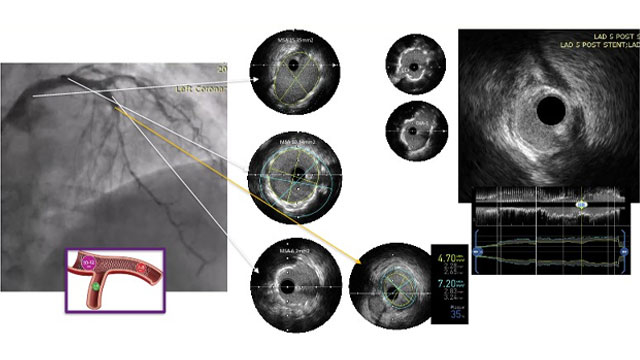
This session provides expert guidance on managing calcified bifurcation lesions. It highlights identification of high-risk scenarios, the role of coronary CT angiography and intravascular imaging in tool selection, and specialized techniques for treating calcified nodules in the left main coronary artery.
Outcomes in tricuspid valve intervention
19 May 2026 – From EuroPCR 2026
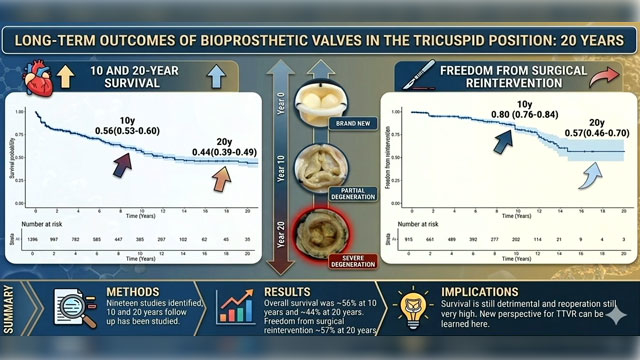
This session reviews contemporary clinical outcomes of tricuspid valve interventions. Topics include interim results from the Cardiovalve replacement system trial, the impact of atrial fibrillation on tricuspid TEER, residual regurgitation implications, afterload mismatch post-intervention, and long-term bioprosthetic valve durability.
Management of calcified lesions in challenging scenarios
20 May 2026 – From EuroPCR 2026
This session presents complex cases involving calcified coronary lesions in challenging clinical scenarios including STEMI, bifurcation lesions, tortuosity, and concurrent TAVI procedures. It demonstrates integrative strategies such as rota-lithotripsy and addresses decision-making processes in managing calcification beyond the coronaries to optimize patient outcomes.
All you need to know about interventional therapies for pulmonary embolism
20 May 2026 – From EuroPCR 2026
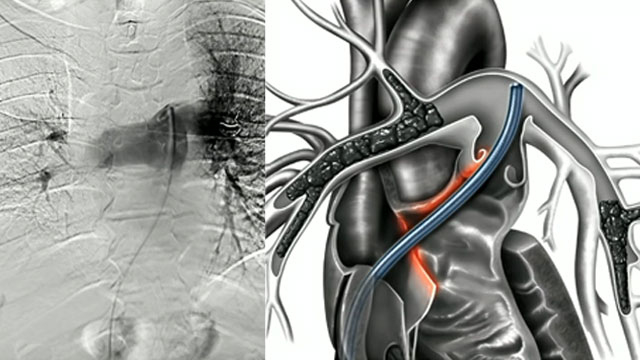
Focused on interventional therapies for pulmonary embolism, this session guides on establishing and sustaining Pulmonary Embolism Response Teams (PERT), refining patient selection for intervention, choosing appropriate technologies, and identifying intraprocedural markers indicating successful treatment outcomes.
Optimal timing of aspirin discontinuation: when early is too early?
20 May 2026 – From EuroPCR 2026
This session critically evaluates the optimal timing for aspirin discontinuation after PCI, discussing outcomes of aspirin-free strategies initiated within one month versus three months post-procedure. It considers differential effects of DAPT duration based on ACS presentation and bleeding risk, supported by meta-analyses and real-world data to...
Bifurcation PCI with complications - Part 1
20 May 2026 – From EuroPCR 2026
This session addresses complications encountered during bifurcation PCI through real-world cases involving stent dislodgement, entrapped guidewires, failed wiring techniques, and fractured devices. It highlights technical rescue maneuvers, the role of intravascular imaging, and long-term challenges encountered in managing complex bifurcation lesions to improve procedural success and...
Unusual complexities, uncommon complications and innovative solutions
20 May 2026 – From EuroPCR 2026
This session showcases innovative solutions to unusual complexities and rare complications in interventional cardiology. Through detailed case presentations, it examines ambiguous CTO management, giant coronary aneurysm complications post-PCI, and unforeseen issues arising from coronary atherectomy for calcified nodules.
Complex distal LM PCI challenges (trifurcations and more)
20 May 2026 – From EuroPCR 2026
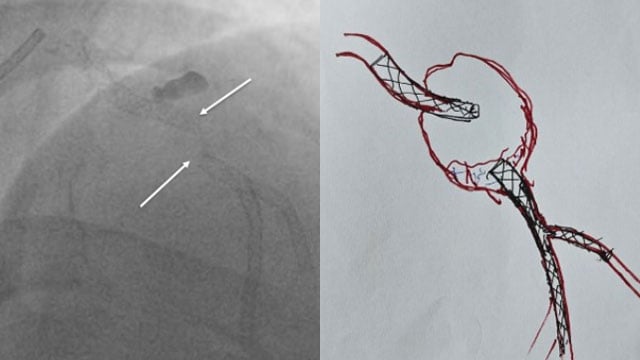
Focusing on the intricacies of complex distal left main PCI, this session covers challenging trifurcation lesions and emergency interventions. It includes IVUS-guided approaches for trifurcation PCI, management of calcified left main trifurcations, and multidisciplinary team rescue strategies for unstable left main bifurcation disease.
Complications in CAD PCI
20 May 2026 – From EuroPCR 2026
This session focuses on the recognition and management of complications during coronary artery disease PCI. It includes cases of acute guide catheter crises, rare post-PCI chest pain etiologies, innovative stent retrieval techniques, and critical procedural challenges, providing an educational journey through complex complication management.