3645 results for «754»
3645 results
TAV-in-TAV complications
21 May 2025 – From EuroPCR 2025
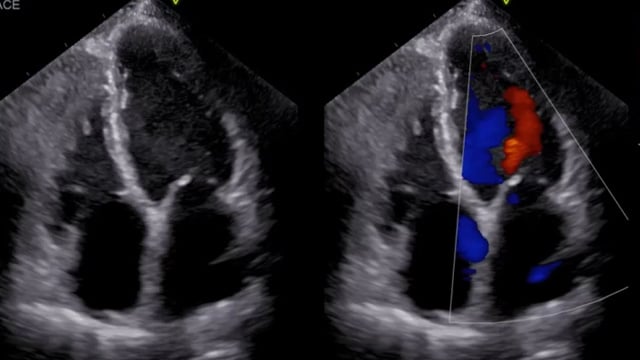
Focus on the complexities and challenges of TAV-in-TAV procedures in this session. Topics include planning valve-in-valve TAVI for aortic bioprosthetic valve regurgitation, managing anatomical challenges such as left ventricular outflow tract calcium and large annulus, and addressing severe bicuspid valve stenosis with impaired ventricular function. The...
Iatrogenic causes for shock treated with LV support
21 May 2025 – From EuroPCR 2025
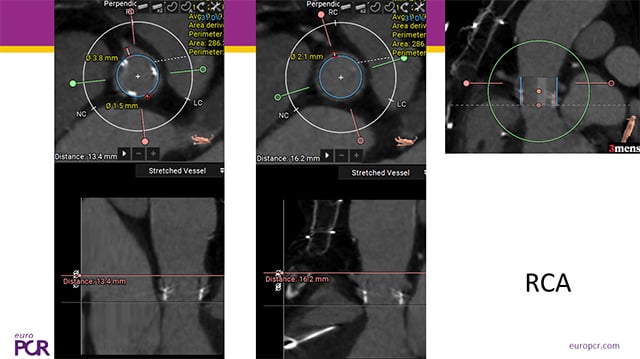
Explore the management of iatrogenic causes of cardiogenic shock requiring left ventricular support. This session presents complex cases including shock following Bentall procedures, complications during anesthesia induction in bypass surgery, and strategic approaches to prevent and manage these critical scenarios using LV support devices.
From theory to practice: the versatility of drug-coated balloons around the world
20 May 2025 – From EuroPCR 2025
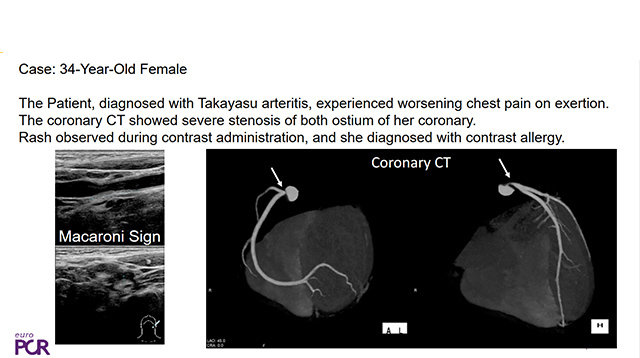
Step into the world of drug-coated balloons (DCBs) with this EuroPCR 2025 session, tracing their journey from pioneering use in Europe to versatile applications worldwide. Discover the latest evidence on the safety and efficacy of both paclitaxel- and sirolimus-coated balloons across diverse lesion types—from straightforward to...
Full physiology: why and how to assess beyond coronary epicardial disease
20 May 2025 – From EuroPCR 2025
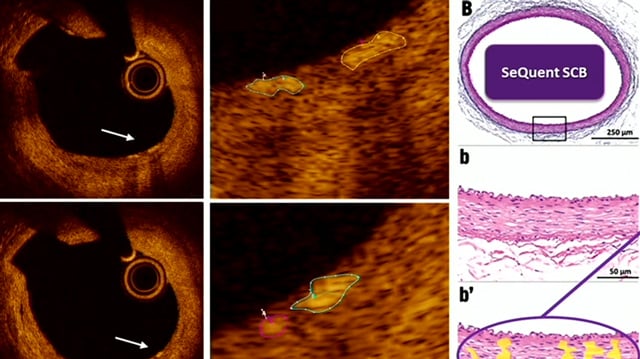
Understanding full coronary physiology is key to improving patient care. This EuroPCR 2025 session unpacks the concept and shows how to apply it easily in everyday clinical settings. Explore the latest ESC guidelines for managing patients with angina and no obstructive coronary artery disease (ANOCA), supported...
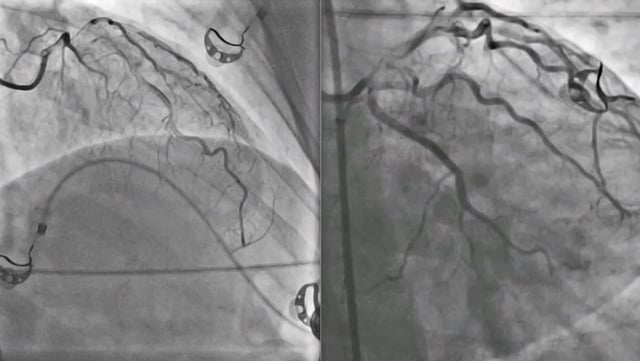
What is new in radial access in 2025
20 May 2025 – From EuroPCR 2025
Explore the latest developments in radial access for PCI as of 2025. Topics include distal versus conventional transradial access, techniques to reduce forearm complications, sheathless approaches, dual artery compression methods, and feasibility in high bleeding risk patients.
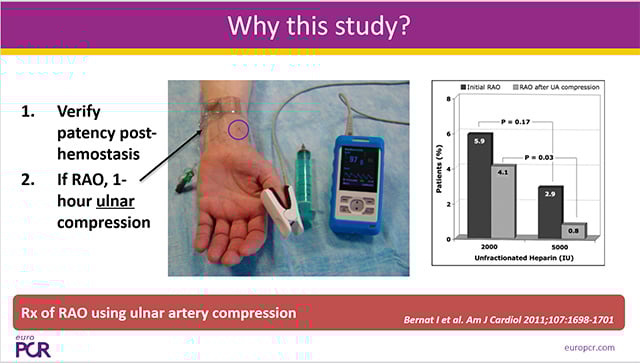
Challenging scenarios in acute coronary syndrome
20 May 2025 – From EuroPCR 2025
This session presents challenging acute coronary syndrome (ACS) cases with unusual presentations and complications. Learn from cases involving myocarditis mimics, coronary aneurysms, rescue fibrinolysis during PCI, and STEMI complicated by cardiogenic shock, highlighting diagnostic and therapeutic nuances.
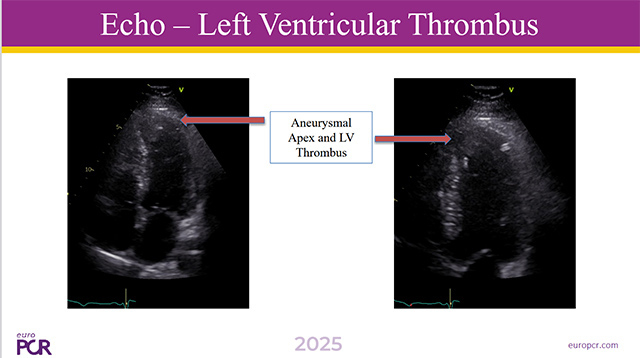
Future-proof your TAVI programme: increased need to enhance pathway efficiencies
21 May 2025 – From EuroPCR 2025
Explore evolving guidelines, demographic changes, and new data shaping lifetime TAVI management. Learn precision strategies to optimise patient outcomes before, during, and after TAVI, including post-procedural care and PCI with the Evolut FX+ valve. Discover practical approaches to boost hospital efficiency and embrace innovative technologies that...
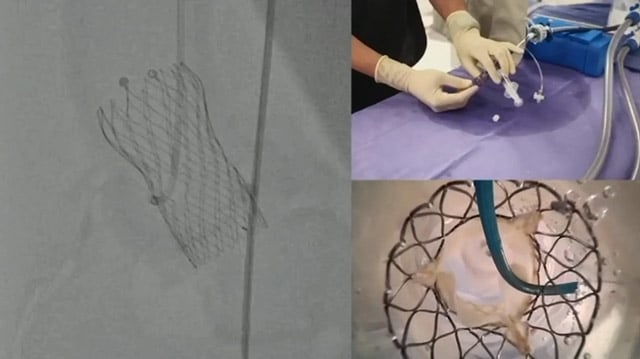
How do I confidently expand my drug-coated balloon practice?
21 May 2025 – From EuroPCR 2025
This EuroPCR 2025 session challenges the conventional approach to bifurcation PCI and dissection management. Learn why drug-coated balloons (DCB) may offer better long-term outcomes in cases where stents fall short, how DCBs can simplify bifurcation strategies, and why it’s time to rethink which dissections really need...
How to build a tricuspid programme?
20 May 2025 – From EuroPCR 2025
Learn how to build a successful tricuspid valve programme with a focus on patient screening protocols, heart team roles, and post-procedural management. Gain expert perspectives on organizational requirements, referral optimization, multidisciplinary collaboration, and quality assessment for tricuspid interventions.
Advancing imaging and intervention strategies for mitral valve disease
31 Jan 2025 – From PCR Imaging Valves Madrid 2025
Explore the latest imaging techniques for transcatheter mitral valve interventions, including patient screening, device selection, and strategies for challenging anatomies. Gain insights into TEER and transcatheter mitral valve replacement to optimize patient outcomes.
Valve and structural: challenges and innovations
11 Oct 2025 – From AICT-AsiaPCR 2025
This session explores innovative approaches and challenges in valve and structural interventions, including expanding transcatheter techniques for ruptured sinus of Valsalva closure and prophylactic chimney stenting in high-risk TAVI patients. It also presents long-term outcomes of left main PCI according to stenting methods, comparative strategies in...
Renal, inflammation and protection strategies in PCI
11 Oct 2025 – From AICT-AsiaPCR 2025
Delve into renal protection and inflammation management strategies in PCI, with a focus on renal blood flow indicators in chronic heart failure, the protective role of exosomes in myocardial ischemia, and efficacy of renal guard devices against contrast-induced nephropathy. The session also examines radial artery occlusion...
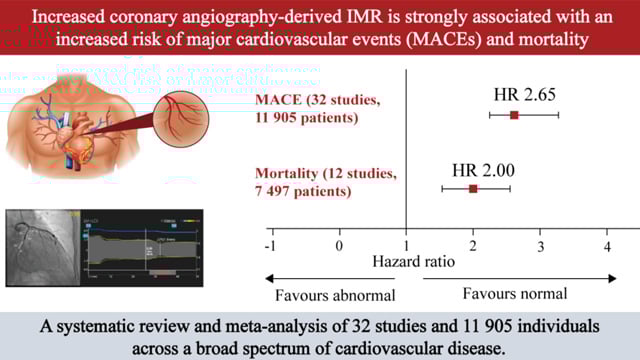
Drug-coated balloons: a PREVAIL-ing gamechanger in complex PCI
11 Oct 2025 – From AICT-AsiaPCR 2025
Focus on the evolving role of drug-coated balloons (DCB) in complex PCI, extending their use beyond traditional indications to challenging coronary lesions and high-risk patient populations. This session reviews clinical data from the SCAAR Prevail registry and discusses the evidence journey supporting broader advocacy for DCB...
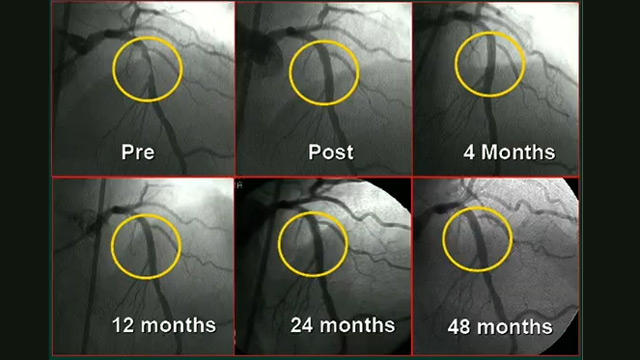
CTO techniques and strategies
11 Oct 2025 – From AICT-AsiaPCR 2025
Explore advanced techniques and strategic approaches in chronic total occlusion (CTO) interventions, including novel methods for severely calcified lesions, bifurcation management, and complex anatomies such as right main CTOs. The session highlights epicardial collateral navigation, device synergy for calcified coronary disease, indigenous perforation techniques, and ultra-low...
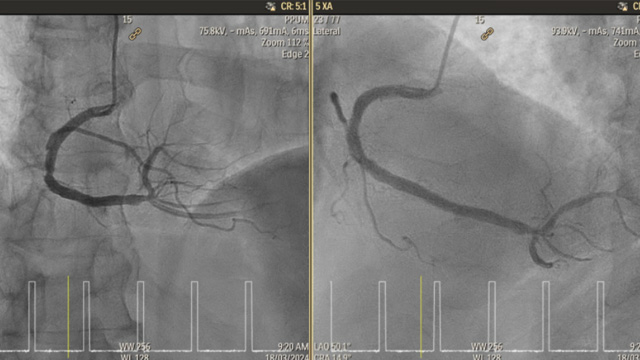
Retrievals, foreign bodies and entrapments
11 Oct 2025 – From AICT-AsiaPCR 2025
This session addresses the complexities of retrievals, foreign bodies, and entrapments in interventional cardiology. It presents clinical cases illustrating percutaneous retrieval techniques, management of catheter fractures, iatrogenic dissections, and innovative solutions for challenging scenarios. Emphasis is placed on precision, prevention strategies, and effective problem-solving to mitigate...
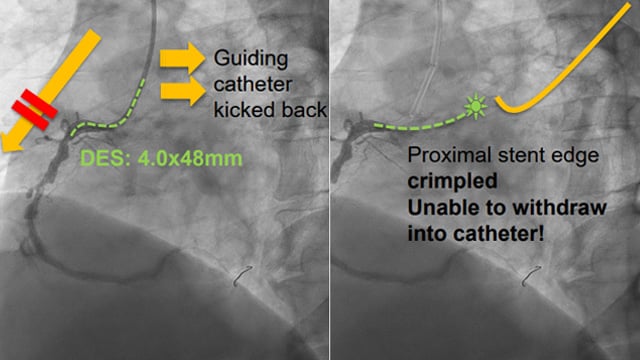
The use of adjunct devices in complex PCI
11 Oct 2025 – From AICT-AsiaPCR 2025
This session offers comprehensive education on the use of adjunct devices in complex PCI, focusing on different microcatheter designs and their optimal handling. It includes case-based illustrations demonstrating microcatheter applications, guidance on utilizing pre-shaped angled microcatheters in difficult anatomies, and the pivotal role of extension guide...
AICT-AsiaPCR 2025 Awards ceremony
11 Oct 2025 – From AICT-AsiaPCR 2025
The AICT-AsiaPCR 2025 Awards ceremony celebrates outstanding achievements and innovations in the field of interventional cardiology. This event recognizes the contributions of clinicians and researchers who have advanced cardiovascular care and highlights excellence across various domains within the specialty.
AICT-AsiaPCR 2025 Closing ceremony
11 Oct 2025 – From AICT-AsiaPCR 2025
The AICT-AsiaPCR 2025 Closing ceremony marks the culmination of a comprehensive Course, reflecting on key scientific advancements, collaborative achievements, and the shared commitment to advancing cardiovascular medicine and patient care.
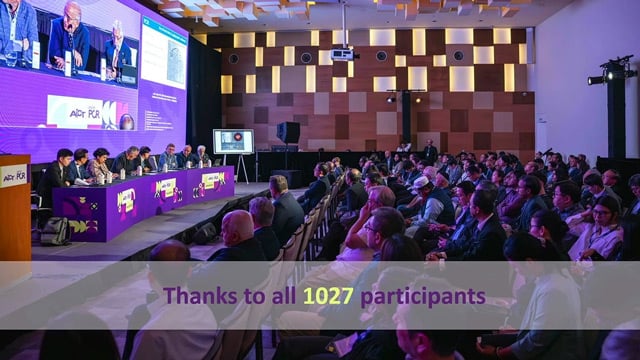
AICT-AsiaPCR 2025 Opening ceremony
10 Oct 2025 – From AICT-AsiaPCR 2025
The AICT-AsiaPCR 2025 Opening Ceremony marked the commencement of the conference's comprehensive program, setting the stage for cutting-edge discussions and advancements in interventional cardiology across the Asia-Pacific region.
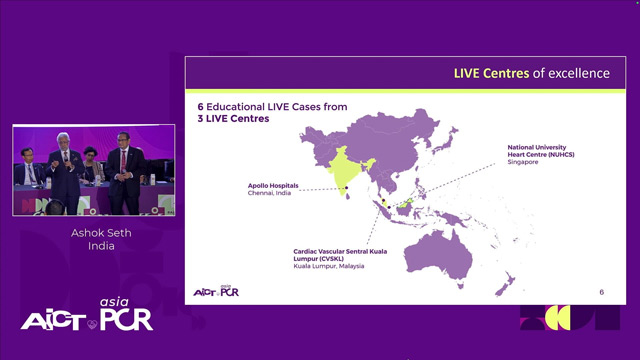
Complex coronary interventions - Current day challenges and solutions
11 Oct 2025 – From AICT-AsiaPCR 2025
Addressing current challenges in complex coronary interventions, this session covers management strategies for CHIP patients, advanced techniques for highly calcified lesions, and principles for mechanical circulatory support application in high-risk PCI scenarios. It offers practical insights and case-based discussions to optimize safety and efficacy in contemporary...