3646 results for «855»
3646 results
Beyond valves: expanding the structural toolbox
19 May 2026 – From EuroPCR 2026
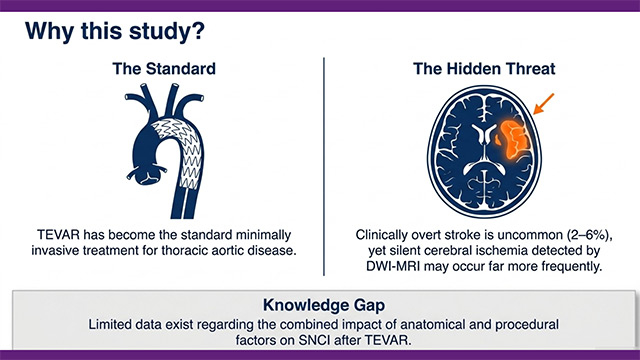
This session expands the scope of structural heart interventions beyond valve therapies. It covers embolic protection in high-risk intracardiac procedures, outcomes of paravalvular leak closures, novel aortic root stent-graft research, cerebral ischemia predictors after TEVAR, and transcatheter ASD closure techniques.
PCR's Got Talent Round 1 - Session 2
19 May 2026 – From EuroPCR 2026
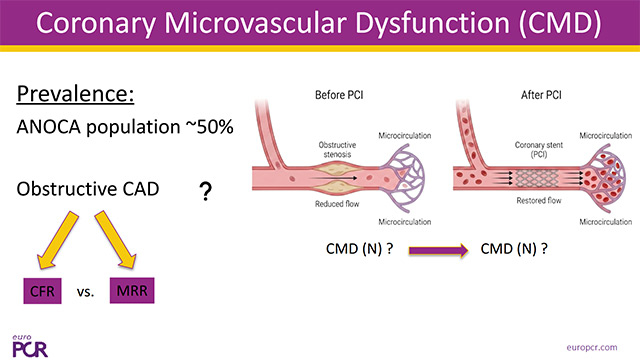
PCR's Got Talent Round 1 - Session 2 offers a diverse collection of studies addressing coronary microvascular dysfunction, atrial fibrillation management, TAVI outcomes, AI applications in imaging, mitral and tricuspid valve interventions, and in-stent restenosis treatment. The session culminates with deliberations and results announcements, reflecting cutting-edge...
Choosing the right tool to treat calcified bifurcation
19 May 2026 – From EuroPCR 2026
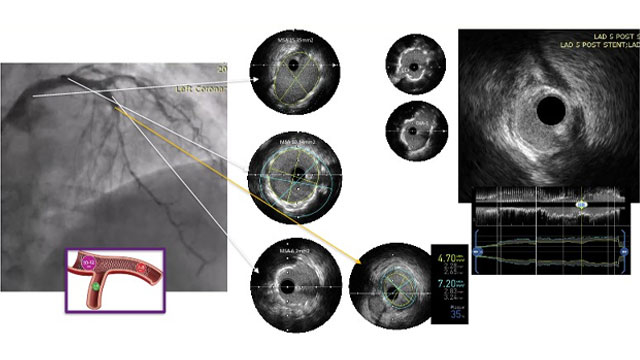
This session provides expert guidance on managing calcified bifurcation lesions. It highlights identification of high-risk scenarios, the role of coronary CT angiography and intravascular imaging in tool selection, and specialized techniques for treating calcified nodules in the left main coronary artery.
Outcomes in tricuspid valve intervention
19 May 2026 – From EuroPCR 2026
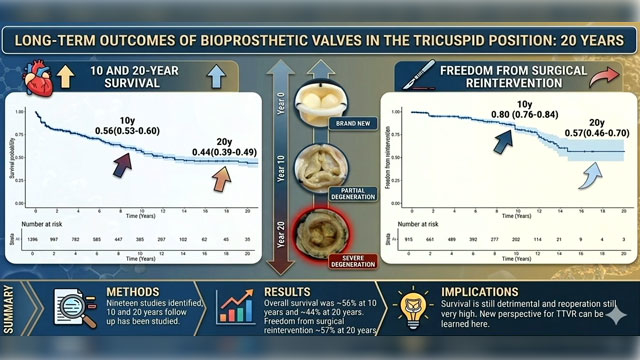
This session reviews contemporary clinical outcomes of tricuspid valve interventions. Topics include interim results from the Cardiovalve replacement system trial, the impact of atrial fibrillation on tricuspid TEER, residual regurgitation implications, afterload mismatch post-intervention, and long-term bioprosthetic valve durability.
AI for clinical and academic cardiology knowledge work: innovation or academic misconduct ? Literature search, data extraction and responsible use
19 May 2026 – From EuroPCR 2026
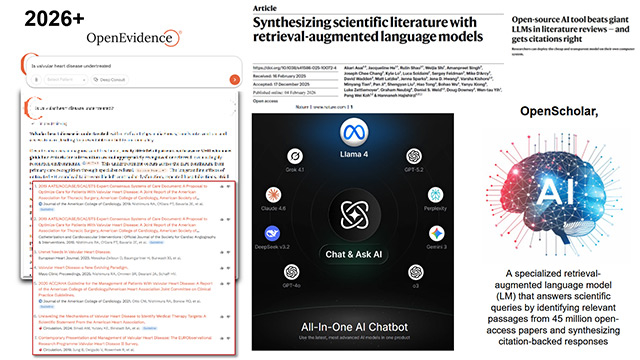
This session critically examines the role of artificial intelligence in clinical and academic cardiology, focusing on its application in literature search, evidence synthesis, and report structuring. It discusses responsible AI use, emphasizing the balance between assistance and academic integrity, and features a debate on authorship, transparency,...
Artificial intelligence and advanced imaging in coronary interventions
19 May 2026 – From EuroPCR 2026
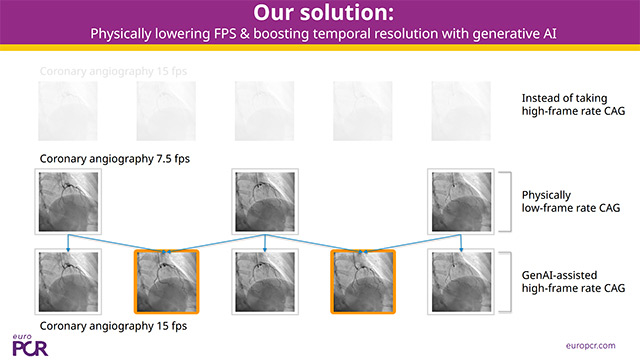
This session explores the integration of artificial intelligence with advanced imaging modalities in coronary interventions. Topics include quantitative myocardial blood flow assessment via co-registered CCTA and angiography, AI-guided real-time procedural support, novel video frame interpolation techniques, high-risk plaque identification through AI-derived OCT stress mapping, and validation...
New evidence in the treatment of calcified lesions
19 May 2026 – From EuroPCR 2026
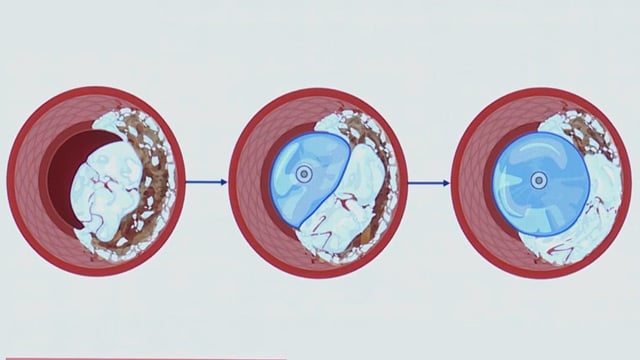
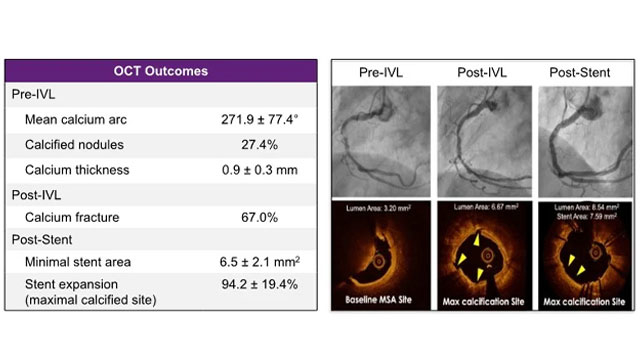
This session presents the latest evidence on treating calcified coronary lesions, comparing intravascular lithotripsy, cutting balloons, rotational and orbital atherectomy. It includes clinical trial data on efficacy, safety, and impact on coronary microvascular function, providing a robust foundation for evidence-based decision-making in calcified lesion management.
Strategical approaches to treat patients with multivessel disease
20 May 2026 – From EuroPCR 2026
This comprehensive session focuses on strategic approaches to manage patients with multivessel coronary artery disease. It covers a spectrum of topics including ostial stent implantation techniques, the impact of center volume on CT-guided angiography post-CABG, and physiology-guided PCI versus angiography alone. Insights into percutaneous revascularisation strategies...
How to avoid and manage complications
28 Feb 2026 – From Euro4C Annual Meeting 2026
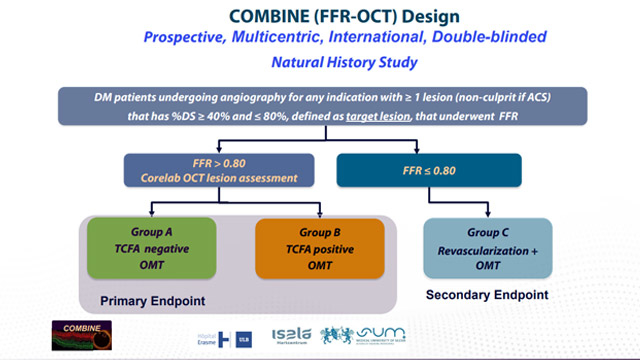
Build a comprehensive complication-management toolbox tailored for PCI in heavily calcified vessels. This session covers prevention and management techniques for complications arising from severely calcified lesions, illustrated by practical cases and expert insights into risky lesions and challenging devices.
Contemporary approach in the treatment of calcified coronary artery disease
28 Feb 2026 – From Euro4C Annual Meeting 2026
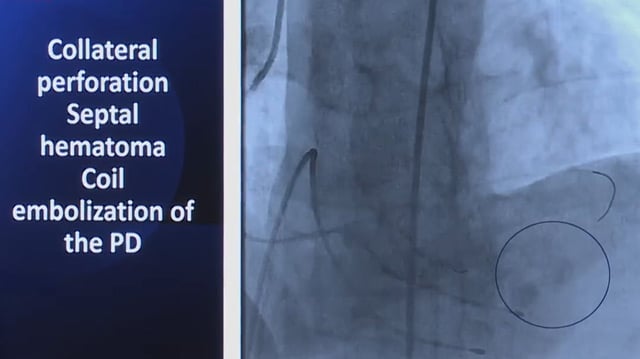
Adopt a contemporary approach to managing calcified coronary artery disease by leveraging high-definition IVUS for lesion assessment and morphology evaluation. Learn to tailor calcium modification strategies based on IVUS findings and combine available tools to optimize treatment outcomes according to patient and lesion profiles.
Welcome to the Euro4C Annual Meeting 2026
27 Feb 2026 – From Euro4C Annual Meeting 2026
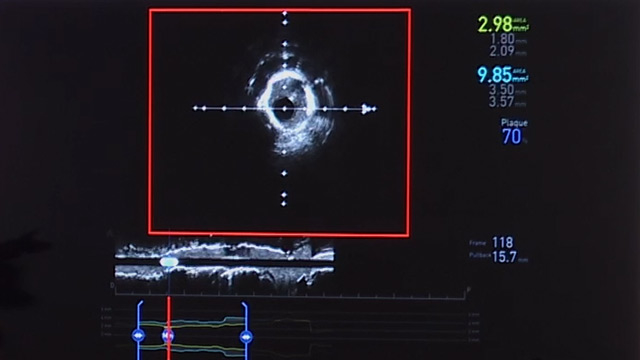
This introductory session sets the stage for a comprehensive exploration of interventional cardiology topics, providing attendees with an overview and framework for the upcoming educational content.
Drug-eluting balloon in calcified lesions and complex lesions
28 Feb 2026 – From Euro4C Annual Meeting 2026
This session explores the application of drug-eluting balloons (DCB) in managing calcified and complex coronary lesions. Emphasis is placed on identifying appropriate lesions for a DCB-only strategy, the critical role of vessel preparation prior to drug delivery, and the long-term physiological assessment following treatment, supported by...
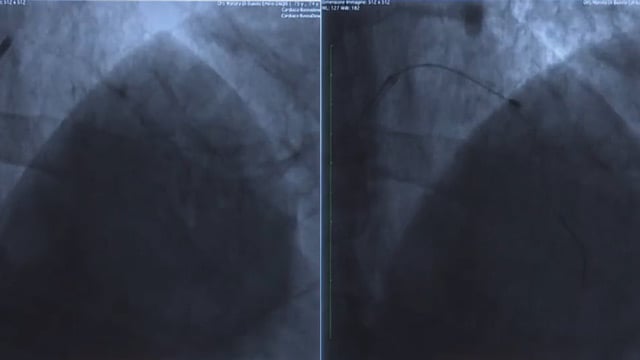
Algorithm approach for severe calcified lesion, what is new?
27 Feb 2026 – From Euro4C Annual Meeting 2026
This session presents the latest algorithmic approaches for managing severe calcified lesions. Attendees will learn to recognize plaque morphologies using intravascular imaging, evaluate the capabilities of current imaging technologies, and understand updated guideline recommendations for optimal treatment strategies.
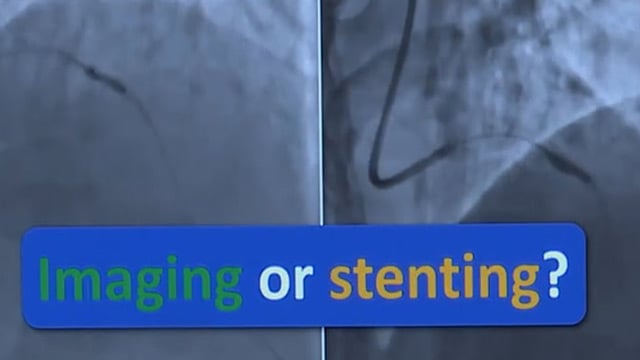
It is a calcified left main: do it well, do it safely
28 Feb 2026 – From Euro4C Annual Meeting 2026
This session addresses the complexities of percutaneous coronary intervention (PCI) in calcified left main coronary artery disease. It covers comprehensive planning including mechanical circulatory support, intravascular imaging, and bifurcation strategies. Attendees will also learn to anticipate and manage potential complications and apply various tools to ensure...
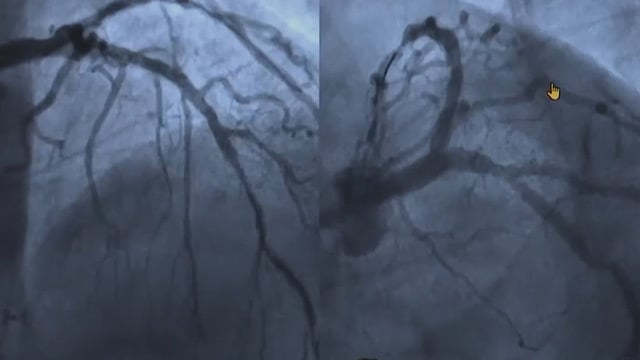
ResilCard - A resilience assessment tool to ensure cardiovascular care continuity during crises
28 Feb 2026 – From Euro4C Annual Meeting 2026
Introducing ResilCard, a novel resilience assessment tool designed to maintain continuity of cardiovascular care during crises. This session highlights the importance of preparedness and adaptive strategies to ensure uninterrupted patient management in challenging healthcare environments.
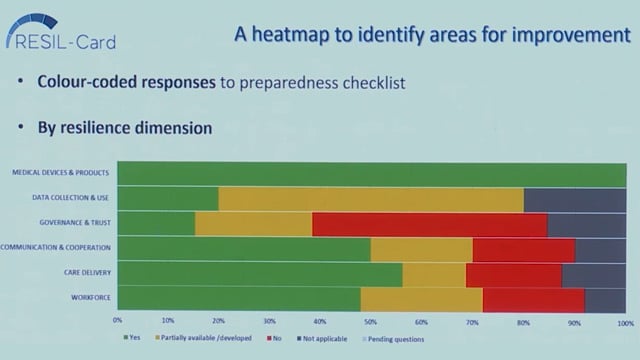
Advanced techniques in specific clinical and anatomical settings
27 Feb 2026 – From Euro4C Annual Meeting 2026
This session addresses advanced interventional techniques tailored to complex clinical and anatomical scenarios. It emphasizes risk assessment in complex patients, strategic procedural planning for high-risk and calcified lesions, and indications for mechanical support use to improve outcomes in challenging PCI cases.
The best cases of the Euro4C PCRonline website
28 Feb 2026 – From Euro4C Annual Meeting 2026
This session presents some of the most instructive and challenging cases featured on the Euro4C PCRonline website. The cases encompass management of stalled rotational atherectomy burrs, combined use of intravascular lithotripsy and Impella in saphenous vein grafts, complexities of calcium in tortuous anatomy, and strategies for...
Mechanical circulatory support protected PCI in complex calcified patients
28 Feb 2026 – From Euro4C Annual Meeting 2026
Explore the critical role of mechanical circulatory support with Impella in complex calcified patients undergoing PCI. This session delves into patient selection criteria, reviews the latest evidence, and discusses strategies to prevent and manage device-related complications, supported by case presentations focusing on imaging analysis, vascular access...
Closing Ceremony
28 Feb 2026 – From Euro4C Annual Meeting 2026
The closing ceremony marks the conclusion of the conference, providing a summary of key learnings, acknowledgments, and final reflections on the advancements and discussions presented throughout the event.
Plaque modification in different lesions types: nodular, long lesions, tortuous lesions, bifurcations
28 Feb 2026 – From Euro4C Annual Meeting 2026
Explore advanced plaque modification strategies tailored to diverse lesion types such as nodular, long, tortuous lesions, and bifurcations. Delve into approaches for managing under-expanded stents and calcified nodules, supported by evidence including results from the French orbital atherectomy registry.