3629 results for «66»
3629 results
TAVI sub-studies - Beyond the primary endpoint
21 May 2026 – From EuroPCR 2026
This session reviews key sub-studies from major TAVI trials that extend beyond primary endpoints to provide a deeper understanding of valve performance and patient outcomes. It covers comparisons between balloon-expandable and self-expanding valves, long-term real-world data on the Myval valve, echocardiographic outcomes, composite endpoint analyses, and...
Beyond first implant: valve-in-valve, redo and leaflet modification
20 May 2026 – From EuroPCR 2026
This session explores advanced transcatheter aortic valve therapies beyond the first implant, focusing on valve-in-valve, redo procedures, and leaflet modification techniques. Topics include bioprosthetic valve fracture, long-term outcomes from the DURA-ViV registry, simplified workflows for leaflet modification in redo-TAVI, and intravascular ultrasound evaluation of valve expansion...
Beyond the diagnosis: a qualitative exploration of women’s experiences with cardiovascular disease
21 May 2026 – From EuroPCR 2026
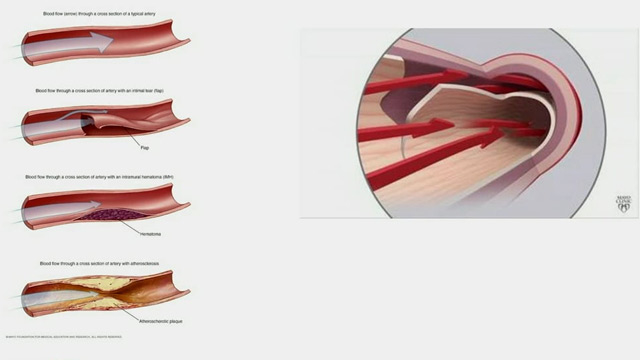
This session presents a qualitative exploration of women's experiences with cardiovascular disease, highlighting unique challenges throughout their care pathway from diagnosis to rehabilitation. It shares robust patient experience data and offers recommendations aimed at improving cardiovascular care tailored to women’s specific needs.
The impact of calcified and resistant lesions in clinical outcome of PCI
21 May 2026 – From EuroPCR 2026
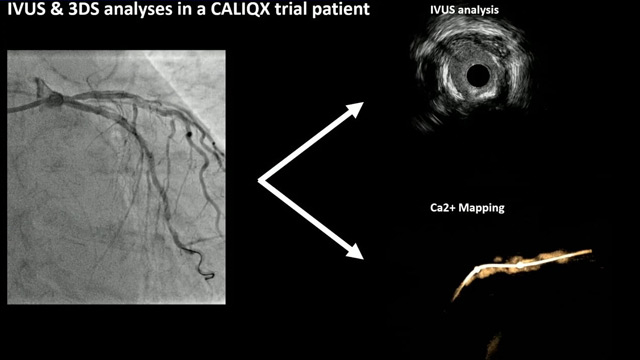
Delve into the clinical implications of calcified and resistant coronary lesions on percutaneous coronary intervention (PCI) outcomes. This session presents key registry data and study results on intravascular lithotripsy and plaque modification techniques, highlighting their impact on patient prognosis and stent performance.
TAVI and coronary artery disease: we need the COMPLETE answer!
19 May 2026 – From EuroPCR 2026
Addressing the intersection of transcatheter aortic valve implantation (TAVI) and coronary artery disease, this session reviews contemporary surgical and interventional literature to elucidate current practices. It underscores the need for a large international randomized controlled trial to provide definitive guidance for managing patients with concomitant aortic...
Beyond the horizon - Future of structural heart innovations and PCI
20 May 2026 – From EuroPCR 2026
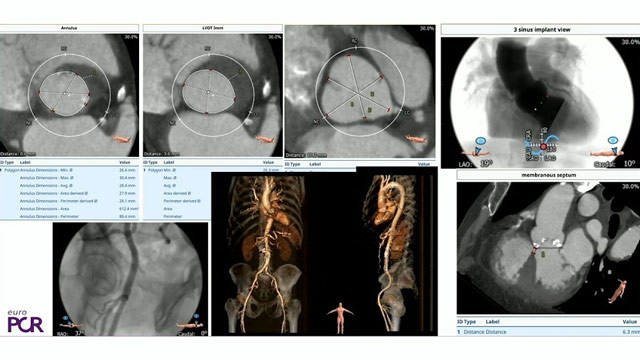
Structural heart and coronary interventions are expanding rapidly, with innovation increasingly focused on managing complex anatomies and diversifying treatment strategies.
The PRISM-PCI toolkit is introduced as a framework to support decision-making in complex PCI, alongside advances in transcatheter valve therapies spanning mitral, tricuspid and pulmonary interventions, as...
Advancing mitral transcatheter edge-to-edge repair in complex lesions
20 May 2026 – From EuroPCR 2026
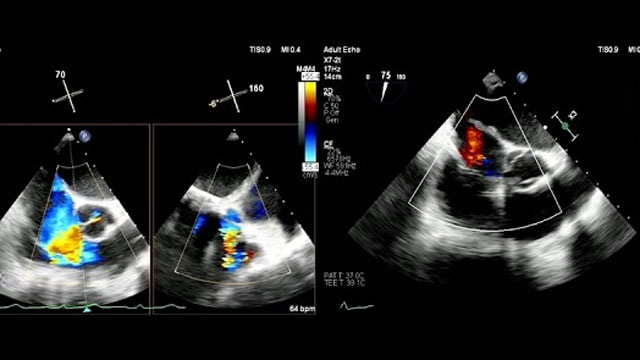
Learn how advanced imaging, careful anatomical assessment and tailored procedural strategies are helping expand the possibilities of mitral transcatheter edge-to-edge repair (M-TEER) in complex lesions.
Focusing on atrial secondary mitral regurgitation (SMR) and commissural mitral regurgitation, this EuroPCR 2026 session reviews evidence, showing that M-TEER can be...
Navigating high-thrombus burden in ACS: precision aspiration thrombectomy with CAT RX
21 May 2026 – From EuroPCR 2026
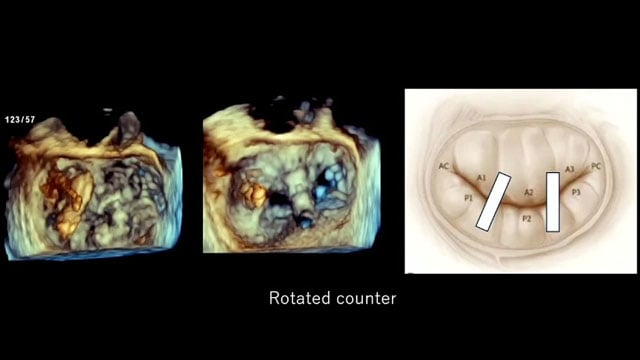
This session explores the challenges of managing high thrombus burden in patients with acute coronary syndromes (ACS), with a focus on precision aspiration thrombectomy using the CAT RX device. Through case-based examples, it provides practical insights into procedural techniques and examines the role of CAT RX...
TAVI complications and management strategies
19 May 2026 – From EuroPCR 2026
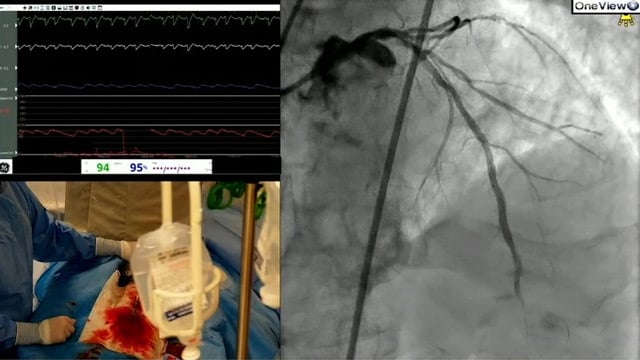
Gain comprehensive knowledge on anticipating, identifying, and managing complications during transcatheter aortic valve implantation (TAVI). Through complex international case studies—including transaxillary Navitor implantation and bicuspid aortic valve challenges—this session highlights key strategies to improve procedural safety and outcomes.