3644 results for «2897»
3644 results
Diversity in coronary artery disease treatment
22 May 2026 – From EuroPCR 2026
Focusing on the diversity in coronary artery disease treatment, this session highlights challenges ranging from maintaining interventional cardiology services during conflict to the influence of comorbidities such as type 2 diabetes mellitus on prognosis and risk assessment. It also presents clinical outcomes related to stent thrombosis...

Challenging PCI on bifurcation lesions
22 May 2026 – From EuroPCR 2026
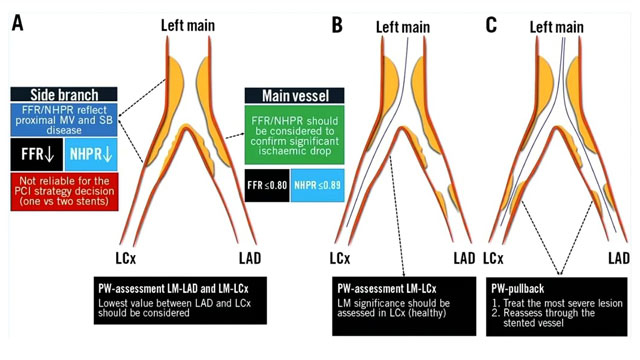
Addressing the complexities of PCI in bifurcation lesions, this session highlights novel techniques such as the TAP and modified mini-crush methods, alongside strategies for managing challenging coronary anatomy. Validation of novel approaches like POT-side DCB-POT for left main bifurcations is also featured.

Complex coronary artery intervention: how DCB can help us
21 May 2026 – From EuroPCR 2026
This session delves into the role of Drug-Coated Balloons (DCB) in managing complex coronary artery interventions. It covers DCB-based PCI approaches in challenging lesions, compares clinical outcomes between Paclitaxel-coated balloon-only PCI and other strategies, and evaluates the effectiveness of DCB versus Drug-Eluting Stents (DES) in de...
Unusual clinical cases: thinking beyond the routine
22 May 2026 – From EuroPCR 2026
This session presents unusual and challenging clinical cases that extend beyond routine interventional cardiology. From optimised in-stent restenosis treatment to rare anatomical anomalies and complex thrombus management, it offers valuable lessons in creative problem-solving and advanced intervention techniques.
Complication management in CTO PCI - Part 2
22 May 2026 – From EuroPCR 2026
This session focuses on managing complications during chronic total occlusion (CTO) PCI procedures. It presents challenging cases including artery perforations, donor vessel-related procedural difficulties, and intramural hematoma rescue guided by intravascular ultrasound (IVUS). Strategies to address in-stent CTO and the unpredictable nature of CTO PCI complications...
Management of uncommon TAVI complications
21 May 2026 – From EuroPCR 2026
This session delves into the management of uncommon but critical complications arising from Transcatheter Aortic Valve Implantation (TAVI). Through detailed case studies from Italy, Lebanon, and Turkey, it highlights real-time decision-making strategies for life-threatening scenarios including left ventricular outflow tract obstruction, acute aortic dissection, and complex...
Nightmare scenarios in the cathlab
21 May 2026 – From EuroPCR 2026
This session presents challenging and unexpected scenarios encountered in the catheterisation laboratory, highlighting critical complications such as stent-induced coronary dissections, acute arterial occlusions, and procedural catastrophes. Real-life cases illustrate emergency management strategies, including rescue techniques for vascular complications and early recognition of acute syndromes, underscoring the...
Physiological vs. anatomical assessment of multivessel disease patients
21 May 2026 – From EuroPCR 2026
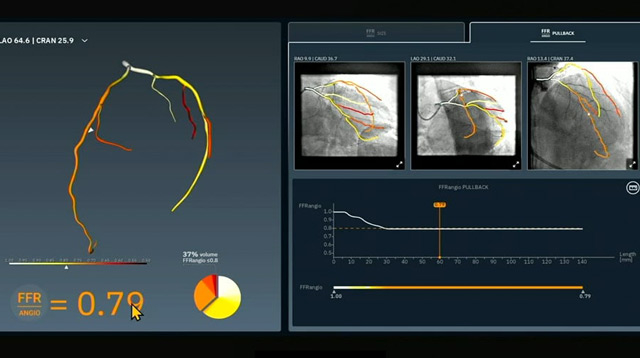
This session delves into the comparative benefits of physiological versus anatomical assessment in patients with multivessel coronary disease, focusing particularly on myocardial infarction cases. Attendees will explore how coronary physiology can guide complete revascularisation, the added value of physiological assessment beyond conventional angiography, and the selection...
Optimising TAVI care pathways
21 May 2026 – From EuroPCR 2026
This session examines innovations in TAVI care pathways aimed at improving patient outcomes and healthcare efficiency. Topics include large-scale transatlantic data on day-case TAVI, standardized ECG conduction algorithms reducing hospital stay, nurse-led structured pathways, feasibility of very early discharge, and urgent outpatient TAVI for severe aortic...
Optimising the results of non-left main bifurcation PCI
21 May 2026 – From EuroPCR 2026
This session focuses on optimizing outcomes in non-left main bifurcation PCI by emphasizing lesion preparation and stent sizing guided by intravascular imaging. It integrates physiological and imaging assessments for confident final result evaluation and discusses criteria for selecting upfront two-stent strategies in bifurcation lesions.
TAVI in heart failure is possible
21 May 2026 – From EuroPCR 2026
This session demonstrates the feasibility of transcatheter aortic valve implantation (TAVI) in patients with heart failure through a series of challenging cases. It covers sequential management of hypertrophic obstructive cardiomyopathy with aortic stenosis, advanced heart failure interventions, staged approaches in cardiogenic shock, and complex percutaneous interventions...
Refining management of NSTEMI
21 May 2026 – From EuroPCR 2026
This session refines NSTEMI management by exploring advanced diagnostic tools, risk stratification, and tailored revascularization strategies, including bleeding risk assessment and dual antiplatelet therapy considerations.
Interventions for heart failure: shock and beyond
20 May 2026 – From EuroPCR 2026
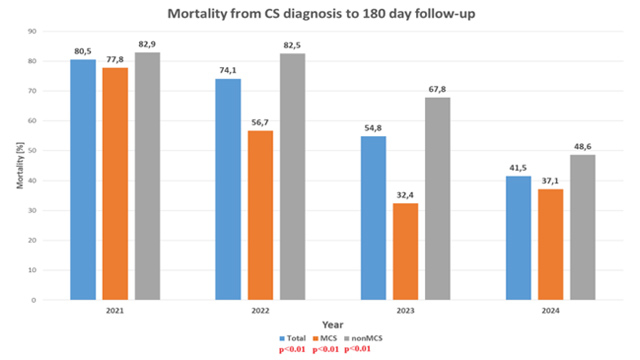
Focused on interventions for heart failure, this session presents data on mitral regurgitation post-alcohol septal ablation, outcomes from high-risk PCI supported by Impella CP, evolving trends in ECMO utilization for cardiogenic shock, and six-month patient outcomes guided by shock team management strategies.
Complications in CAD PCI
20 May 2026 – From EuroPCR 2026
This session focuses on the recognition and management of complications during coronary artery disease PCI. It includes cases of acute guide catheter crises, rare post-PCI chest pain etiologies, innovative stent retrieval techniques, and critical procedural challenges, providing an educational journey through complex complication management.
Redo TAVI challenges
20 May 2026 – From EuroPCR 2026
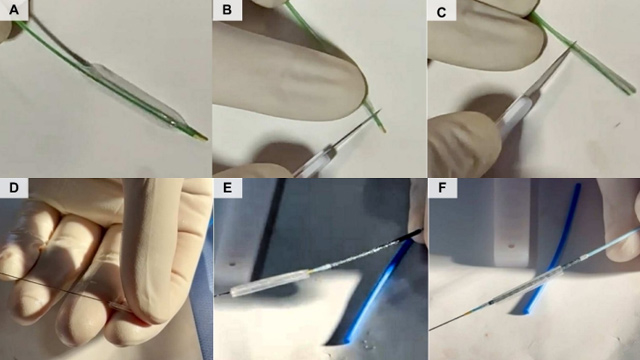
Focused on the complexities of redo transcatheter aortic valve implantation (TAVI), this session covers innovative techniques such as jailed-balloon to prevent sinus sequestration, CT-guided emergency valve-in-valve procedures, alternative access routes, and strategies to manage coronary occlusion risks during multiple valve interventions.
Combination of dedicated devices for optimal treatment of calcified lesions
20 May 2026 – From EuroPCR 2026
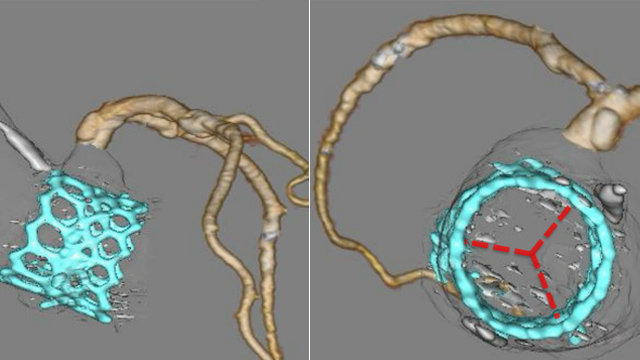
Focused on the optimal treatment of heavily calcified coronary lesions, this session presents a comprehensive overview of dedicated device combinations. It highlights strategies such as rotablation, rotatripsy, and approaches to managing protruding calcified nodules and undilatable lesions, emphasizing a stepwise approach to complex calcium modification in...
Stentless PCI, DCB and BVS in complex scenarios
20 May 2026 – From EuroPCR 2026
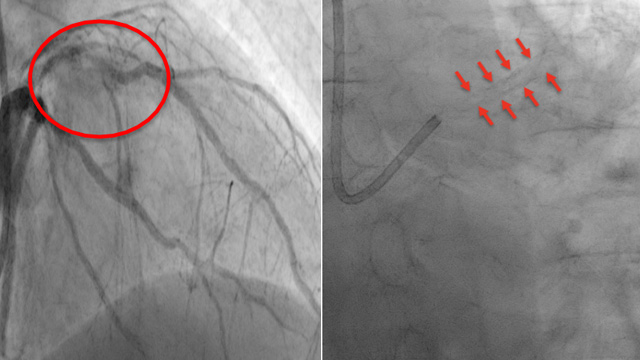
This session explores the use of stentless percutaneous coronary interventions (PCI) employing drug-coated balloons (DCB) and bioresorbable scaffolds (BVS) in complex coronary scenarios. Through detailed case discussions, it addresses decision-making processes, technical considerations, and practical tips for successfully completing PCI without permanent stenting.
PCI in cardiogenic shock - Possibilities and limitations
20 May 2026 – From EuroPCR 2026
This session evaluates percutaneous coronary intervention (PCI) in the context of cardiogenic shock, discussing both possibilities and limitations. It features complex cases including Impella-supported rotablation in elderly patients, microaxial flow pump use, and challenging interventions in young patients with multivessel chronic total occlusions, providing insights into...
How to safely perform a retrograde CTO PCI: step-by-step guidance
20 May 2026 – From EuroPCR 2026
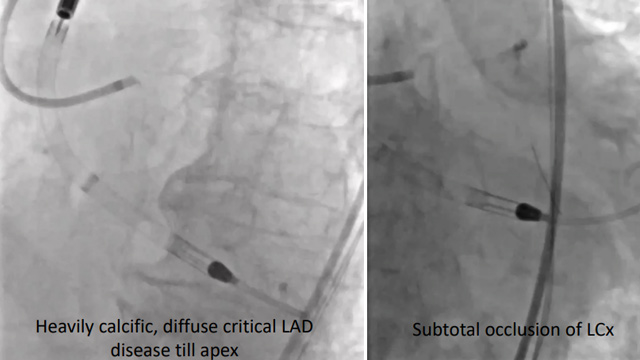
This session offers step-by-step guidance on safely performing retrograde chronic total occlusion (CTO) percutaneous coronary intervention (PCI). It covers the fundamentals of retrograde setup and collateral crossing, execution of a controlled reverse CART technique, and addresses common pitfalls with practical tips to improve procedural success and...
New evidence for coronary physiology in epicardial disease
20 May 2026 – From EuroPCR 2026
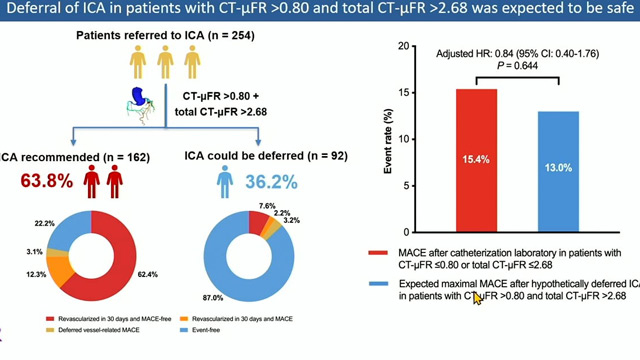
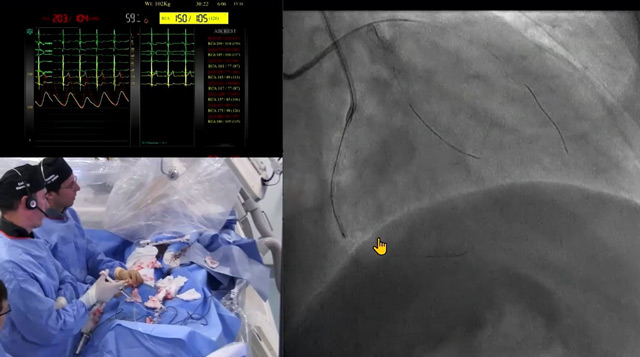
Explore new evidence in coronary physiology related to epicardial disease through analyses of landmark trials and registries. Topics include five-year follow-up data from DEFINE-FLAIR and iFR-SWEDEHEART, complete revascularization in elderly myocardial infarction patients, angiography-derived versus pressure wire assessments, prognostic implications of CT angiography-derived physiology, and the...