


3644 results for «2756»
3644 results
Imaging guidance in everyday practice
20 May 2026 – From EuroPCR 2026
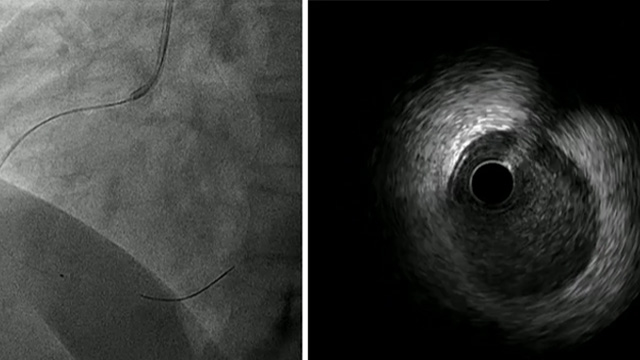
This session emphasizes the role of imaging guidance in everyday interventional cardiology practice. Through challenging cases involving exertional chest pain, unusual coronary anatomy, complex left ventricular access, side branch navigation, and IVUS-guided re-intervention, it underscores the critical value of advanced imaging for diagnostic clarity and procedural...
Secondary mitral regurgitation: not all patients are the same
20 May 2026 – From EuroPCR 2026
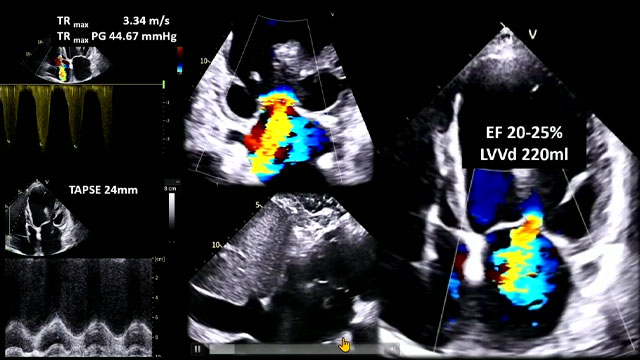
Examining secondary mitral regurgitation, this session differentiates patient phenotypes and discusses the application of updated guideline recommendations. It offers practical guidance on selecting the appropriate device tailored to individual patient characteristics, supported by detailed case studies.
When transfemoral is not an option: is TAVI still possible?
20 May 2026 – From EuroPCR 2026
This session explores alternative access strategies for Transcatheter Aortic Valve Implantation (TAVI) when the transfemoral route is not feasible. It covers complex scenarios including transcaval TAVI complications, transaxillary approaches, management of extra-large annuli with peripheral artery disease, and innovative transcarotid valve-in-valve procedures.

Imaging and physiology-guided DCB strategy
20 May 2026 – From EuroPCR 2026
Delve into advanced imaging and physiology-guided drug-coated balloon (DCB) strategies for complex coronary lesions. This session presents integrated approaches combining morphology and physiology, OCT guidance, and real-world cases highlighting DCB use in multivessel disease and calcified lesions.

Imaging to the rescue in LAA closure
20 May 2026 – From EuroPCR 2026
This session highlights the pivotal role of advanced imaging modalities in left atrial appendage (LAA) closure. Topics include novel risk assessment workflows for air embolism, evaluation protocols using cardiac CT and 3D TEE, reproducibility of anatomical classifications, and long-term follow-up outcomes with various imaging techniques.
Navigating the complexity of high bleeding risk
20 May 2026 – From EuroPCR 2026
Focusing on patients with high bleeding risk undergoing PCI, this session presents contemporary evidence on prevalence, procedural strategies with different stent types, antiplatelet therapy considerations including diabetic and sex-specific outcomes, and novel technologies such as sirolimus-coated balloons and machine learning models for restenosis prediction.
Imaging and physiology integration to guided PCI
20 May 2026 – From EuroPCR 2026
Discover the integration of imaging and physiological assessment in guiding percutaneous coronary intervention (PCI). This session highlights the use of multimodality diagnostics, including invasive and non-invasive techniques, to improve planning, strategy, and management of complex coronary lesions.
Stay calm and carry on: bailout techniques for calcified lesions
20 May 2026 – From EuroPCR 2026
Focused on bailout techniques for calcified lesions, this session addresses challenging scenarios such as deformed stents, post-CABG angioplasty complications, and balloon uncrossable lesions in tortuous anatomy. It provides practical approaches to manage complex calcium-related complications that may arise unexpectedly during intervention, ensuring preparedness for difficult procedural...
How to safely perform a retrograde CTO PCI: step-by-step guidance
20 May 2026 – From EuroPCR 2026
This session offers step-by-step guidance on safely performing retrograde chronic total occlusion (CTO) percutaneous coronary intervention (PCI). It covers the fundamentals of retrograde setup and collateral crossing, execution of a controlled reverse CART technique, and addresses common pitfalls with practical tips to improve procedural success and...
Prognostics elements on multivessel disease and coronary artery disease
20 May 2026 – From EuroPCR 2026
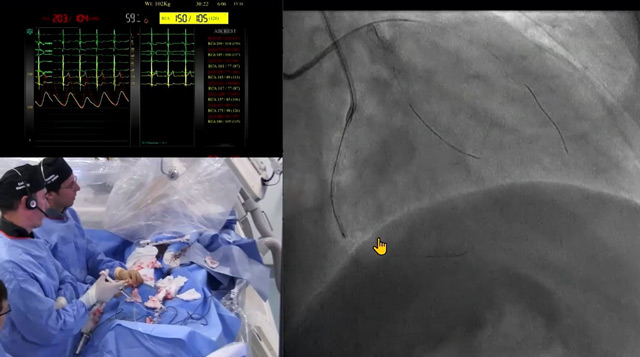
This session examines key prognostic elements in multivessel and coronary artery disease, featuring studies on mechanical circulatory support across LDL-C levels, biomarkers impacting periprocedural myocardial infarction, autologous cell therapy outcomes for refractory angina, and novel risk stratification indices. It also addresses prognosis in cancer patients and...
Revascularisation in patients with multivessel disease and severe left ventricular impairment
21 May 2026 – From EuroPCR 2026
This session focuses on revascularisation strategies for patients with multivessel coronary disease complicated by severe left ventricular impairment. It emphasizes patient selection criteria, the crucial role of the heart team in decision-making, and optimization of percutaneous revascularisation outcomes. The content includes comprehensive case presentations and discussions...
Imaging-guided CTO PCI
21 May 2026 – From EuroPCR 2026
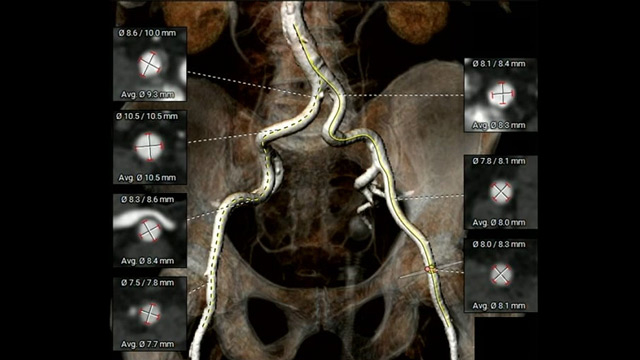
This session focuses on imaging-guided CTO PCI, presenting cases that illustrate the utility of OCT, CT, and IVUS for lesion assessment and procedural guidance. Topics include woven-like CTOs, double CTO evaluation, management of late stent malapposition, and strategies for navigating complex occlusions to optimize outcomes.
Left main complications - Part 2
21 May 2026 – From EuroPCR 2026
This session covers intricate complications involving the left main coronary artery (LMCA), highlighting cases of catheter-induced dissections, challenges in chronic total occlusion (CTO) PCI, and rare scenarios such as stent entrapment and complex re-interventions. Emphasis is placed on the critical utility of intravascular ultrasound (IVUS) and...
Imaging-guided strategy for understanding coronary calcification
21 May 2026 – From EuroPCR 2026
Focusing on coronary calcification, this session teaches the application of CT and intracoronary imaging to characterize calcium patterns, select appropriate modification tools, and assess procedural success. It emphasizes imaging-guided strategies to optimize treatment of calcified coronary lesions.
PFO closure - Progression in practice
20 May 2026 – From EuroPCR 2026
This session presents progressive insights into patent foramen ovale (PFO) closure, comparing outcomes across age groups and evaluating residual shunting via transcranial Doppler. It highlights tailored antiplatelet therapy durations from the PROLONG registry, long-term safety and efficacy data, morphological variations of the fossa ovalis, and the...
New evidence for coronary physiology in epicardial disease
20 May 2026 – From EuroPCR 2026
Explore new evidence in coronary physiology related to epicardial disease through analyses of landmark trials and registries. Topics include five-year follow-up data from DEFINE-FLAIR and iFR-SWEDEHEART, complete revascularization in elderly myocardial infarction patients, angiography-derived versus pressure wire assessments, prognostic implications of CT angiography-derived physiology, and the...
From entry to exit: managing arterial access for nurses and allied professionals
20 May 2026 – From EuroPCR 2026
This session focuses on arterial access management tailored for nurses and allied health professionals. It highlights key anatomical landmarks, demonstrates the purpose and use of common vascular closure devices through live manikin demonstrations, and discusses the essential role of nursing and allied staff in vascular access...
Expect the unexpected when treating calcified lesions
20 May 2026 – From EuroPCR 2026
Addressing the unexpected challenges in treating calcified lesions, this session showcases novel combined strategies for managing distal small-vessel coronary perforations, alongside complex case studies involving perforations, dissections, and stent complications related to calcified nodules. It provides valuable insights into rescue techniques and complication management to improve...
Management of rare clinical scenarios in the cathlab
20 May 2026 – From EuroPCR 2026
This session addresses the management of rare and complex clinical scenarios encountered in the catheterization laboratory. Cases include dyspnea in coronary artery bypass graft patients, aortocoronary dissection management, complications during coronary sinus reducer implantation, coronary artery aneurysms related to IgG4 vasculitis, ibuprofen-induced Kounis syndrome, and challenging...
AI adoption in the cathlab of tomorrow - Risk prediction applications
20 May 2026 – From EuroPCR 2026
This session delves into the adoption of artificial intelligence in the cath lab, focusing on clinically useful risk prediction models for coronary and structural interventions. It covers advanced AI-guided intravascular imaging, machine learning applications for adverse event prediction, and critical evaluation of model validation and clinical...