3646 results for «680»
3646 results
Reliability and application of angio-based physiology in daily work
20 May 2026 – From EuroPCR 2026
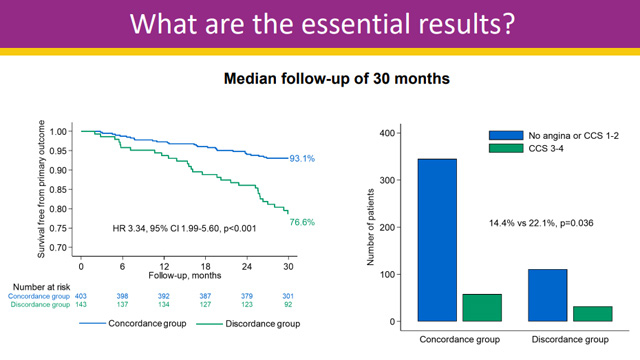
This session evaluates the reliability and clinical application of angiography-based physiological assessments in daily practice. Topics include comparisons of angiography-derived microvascular resistance and flow metrics with invasive methods, reproducibility of quantitative flow ratio (QFR), and its correlation with symptom burden and other imaging modalities.
Lost, crushed, fractured: stent complications in real life
20 May 2026 – From EuroPCR 2026
This session addresses real-world challenges of stent complications including loss, crushing, and fracture during PCI. Through case-based discussions, it explores complex scenarios such as stent dislodgement, embolisation, and management strategies when initial plans evolve into complicated realities.
AsiaPCR/SingLIVE 2017: closing Ceremony and Awards
21 Jan 2017 – From AsiaPCR/SingLIVE 2017
Consult the Closing ceremony and awards session from AsiaPCR/SingLIVE 2017, where W. Wijns addresses the subject of what to expect in the field of Interventional Cardiology in 2017, and the speakers present the award winners of this year's best clinical cases namely R. Fukuhara, Japan, W....

Chairperson

Chairperson
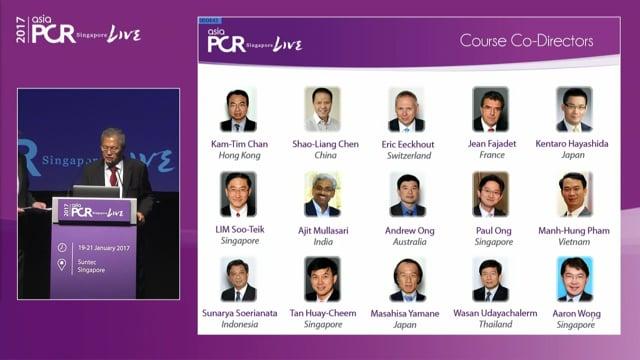
AsiaPCR/SingLIVE 2017: Opening Ceremony
19 Jan 2017 – From AsiaPCR/SingLIVE 2017
Consult the Opening ceremony of the AsiaPCR/SingLIVE 2017 course edition, the Chien Foundation Award for outstanding lectureship and lifetime achievement in PCI is awarded to Prof. A. Seth.

Chairperson
In Person in Paris and online EuroPCR 2022 celebrates the best of both worlds
09 May 2022
EuroPCR is celebrating being back home in Paris, in-person, for the first time in 3 years. This year’s international Course will see both a complete on-site programme and a full digital experience, bringing the community together to share and learn.

30 years of primary PCI – a tale of perseverance
16 May 2023
Over the last 30 years, primary PCI (pPCI) has evolved from an experimental ‘rescue’ intervention to an essential routine procedure – performed daily in cathlabs around the world – which is responsible for saving millions of lives. However, its path to success was far from smooth.