3644 results for «2684»
3644 results
Advancing the standard of care in PCI with Bioadaptor: from simple to complex
21 May 2025 – From EuroPCR 2025
This session provides an in-depth overview of Bioadapter technology and its potential to overcome the limitations of current drug-eluting stents (DES) in percutaneous coronary intervention (PCI). Speakers present data from recent trials, including the Bioadapter RCT and the Infinity Sweetheart study, demonstrating a reduction in target lesion...
Challenging scenarios in patient with multivessel disease
20 May 2025 – From EuroPCR 2025
Explore challenging clinical scenarios in patients with multivessel coronary artery disease. This session presents complex cases such as coronary aneurysms, failed bypass grafts, limitations of intravascular lithotripsy, and rare pathologies like Takayasu’s arteritis, highlighting decision-making and advanced intervention strategies.
Align for the future with the Myval Octapro transcatheter heart valve series
20 May 2025 – From EuroPCR 2025
This EuroPCR 2025 session offers a practical and evidence-based update on the Myval Octapro THV. Learn step-by-step techniques for valve-in-valve TAVI using the OctaAlign approach, and understand how intermediate sizes and precise deployment contribute to optimised hemodynamics and long-term durability.
Clinical insights are backed by key data...
Broadening OPTIONs for LAA closure: innovations and outcomes
20 May 2025 – From EuroPCR 2025
Explore the latest insights into LAA closure from EuroPCR 2025. This session highlights results from the OPTION trial—the largest RCT comparing LAAC (with Watchman FLX) to DOAC therapy in AF patients undergoing ablation. The findings? Comparable stroke prevention at 3 years, with a 56 % reduction...
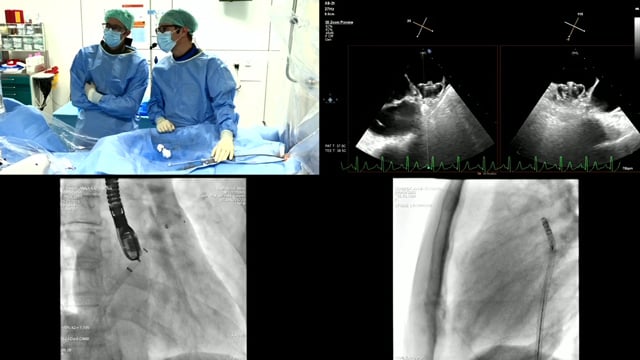
PCR's Got Talent Round 1 - Session 1
20 May 2025 – From EuroPCR 2025
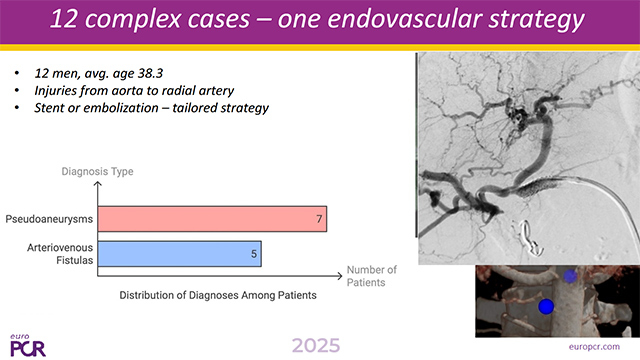
Experience a diverse range of cutting-edge interventional cardiology topics in PCR's Got Talent Round 1. This session features presentations on PFO closure outcomes, plaque morphology, vascular injury treatments, microvascular disease assessment, TAVI-related coronary obstruction prediction, novel FFR surrogates, and more.
Cardiogenic shock and high-risk interventions with percutaneous mechanical circulatory support: new evidence and insights
20 May 2025 – From EuroPCR 2025
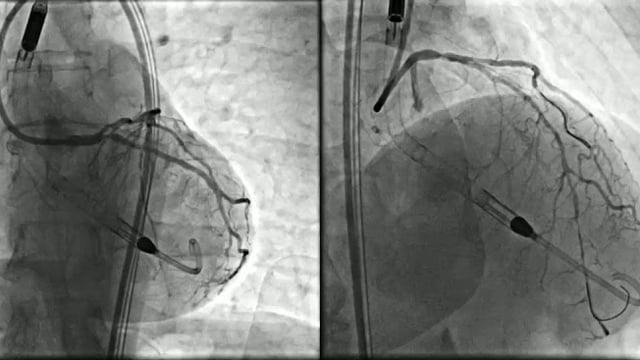
This EuroPCR 2025 session offers a comprehensive update on cardiogenic shock and high-risk PCI, featuring expert analysis of the DanGer-SHOCK and ECLS-SHOCK trials, new insights one year after DanGer-SHOCK, and practical considerations for managing PCI in patients with severely reduced LVEF. Expect to gain a deeper...
Calcified nodules: a different beast?
21 May 2025 – From EuroPCR 2025
This session offers a comprehensive exploration of calcified nodules, a challenging entity in PCI. Learn to identify these nodules with IVUS and OCT, understand their unique treatment challenges, and select optimal plaque modification tools through detailed case discussions.
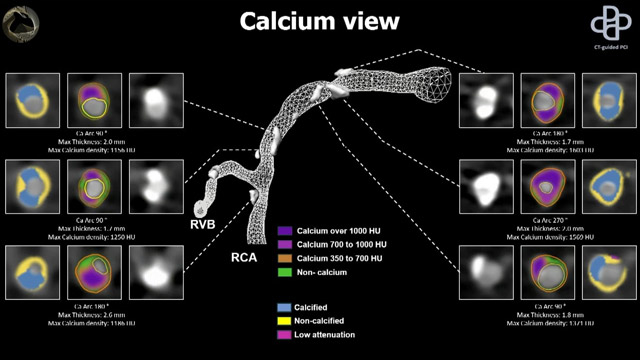
Through decisions in complex left main PCI - Isolated ostial left circumflex
21 May 2025 – From EuroPCR 2025
Navigate complex isolated ostial left circumflex lesions with a focus on the integration of imaging and physiological assessment. Learn treatment options and optimisation strategies to improve long-term outcomes in left main PCI through detailed case presentations and expert guidance.
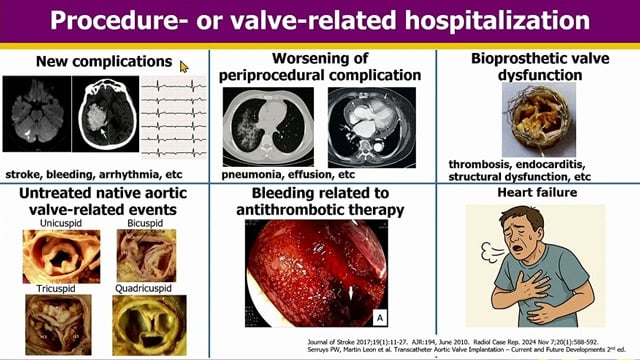
Streamlining the TAVI pathway
21 May 2025 – From EuroPCR 2025
Optimize your TAVI pathway through this session focusing on streamlined pre-procedural planning, minimalist procedural techniques, and post-procedural discharge strategies. Learn how to safely deliver multiple cases per list and implement next-day or same-day discharge programs effectively.
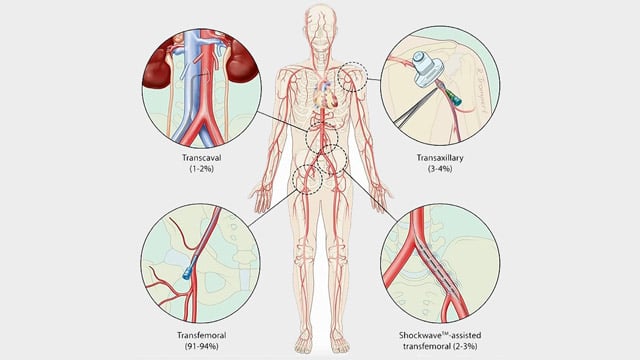
Challenging vascular access and closure management
21 May 2025 – From EuroPCR 2025
Address challenging vascular access and closure management in complex TAVI cases. This session covers the selection of femoral access, use of PTA and intravascular lithotripsy, and strategies to manage closure failure with illustrative real-world cases.
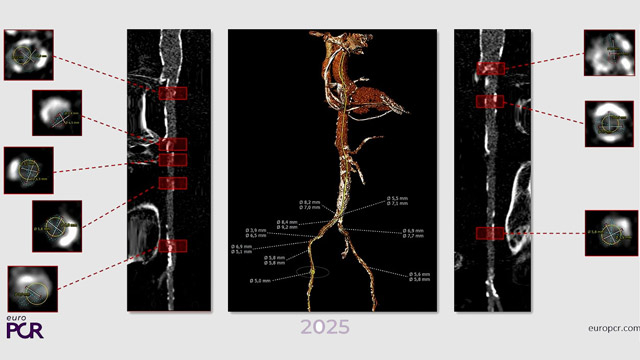
The Landmark RCT - One-year results
21 May 2025 – From EuroPCR 2025
This session presents a detailed analysis of a landmark randomized controlled trial evaluating the Myval transcatheter aortic valve implantation (TAVI) system among other contemporary transcatheter valves. The discussion centers on one-year clinical outcomes, with a particular focus on women, patients with small aortic annuli, and those...
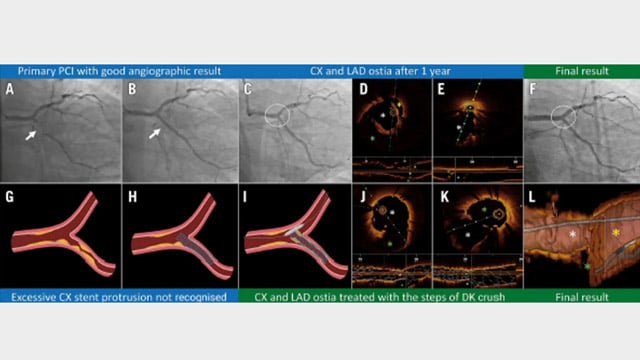
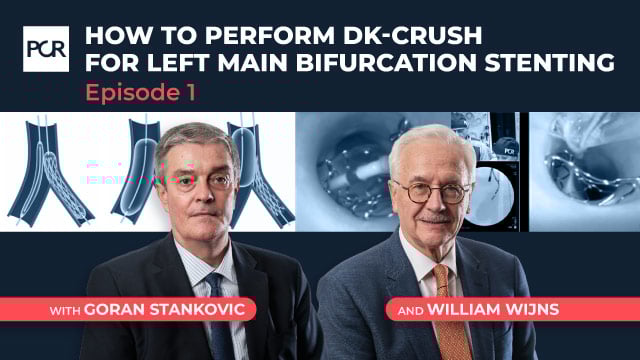
DK Crush like you’ve never seen it before
- Multi-modality simulation to unveil the hidden parts & small obstacles that can result in complications
- Angioscopy directly inside the coronary artery to provide a better understanding of 3D stent configuration
Commented by Goran Stankovic and William Wijns
Part 1 of a 3-part series.
Next episode: How to correct incomplete crush and...
Contemporary approach in the treatment of calcified coronary artery disease
28 Feb 2026 – From Euro4C Annual Meeting 2026
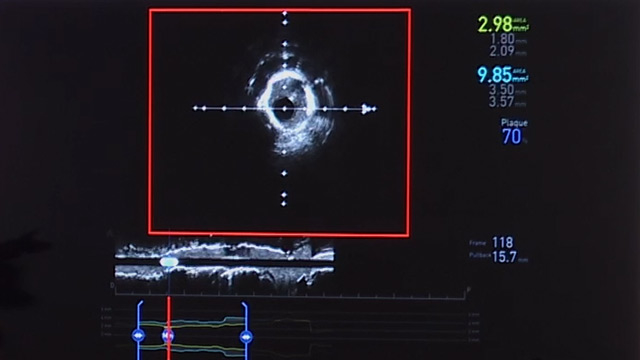
Adopt a contemporary approach to managing calcified coronary artery disease by leveraging high-definition IVUS for lesion assessment and morphology evaluation. Learn to tailor calcium modification strategies based on IVUS findings and combine available tools to optimize treatment outcomes according to patient and lesion profiles.
Welcome to the Euro4C Annual Meeting 2026
27 Feb 2026 – From Euro4C Annual Meeting 2026
This introductory session sets the stage for a comprehensive exploration of interventional cardiology topics, providing attendees with an overview and framework for the upcoming educational content.
Algorithm approach for severe calcified lesion, what is new?
27 Feb 2026 – From Euro4C Annual Meeting 2026
This session presents the latest algorithmic approaches for managing severe calcified lesions. Attendees will learn to recognize plaque morphologies using intravascular imaging, evaluate the capabilities of current imaging technologies, and understand updated guideline recommendations for optimal treatment strategies.
Advanced techniques in specific clinical and anatomical settings
27 Feb 2026 – From Euro4C Annual Meeting 2026
This session addresses advanced interventional techniques tailored to complex clinical and anatomical scenarios. It emphasizes risk assessment in complex patients, strategic procedural planning for high-risk and calcified lesions, and indications for mechanical support use to improve outcomes in challenging PCI cases.
Mechanical circulatory support protected PCI in complex calcified patients
28 Feb 2026 – From Euro4C Annual Meeting 2026
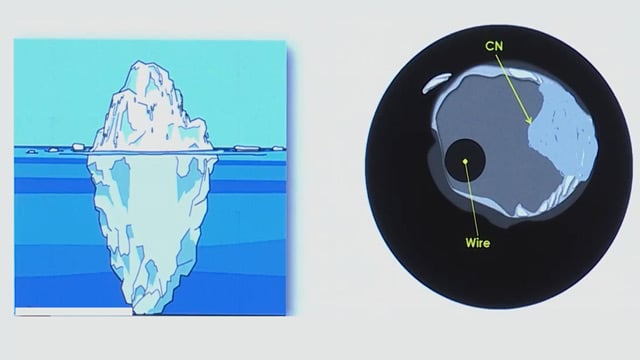
Explore the critical role of mechanical circulatory support with Impella in complex calcified patients undergoing PCI. This session delves into patient selection criteria, reviews the latest evidence, and discusses strategies to prevent and manage device-related complications, supported by case presentations focusing on imaging analysis, vascular access...
Plaque modification in different lesions types: nodular, long lesions, tortuous lesions, bifurcations
28 Feb 2026 – From Euro4C Annual Meeting 2026
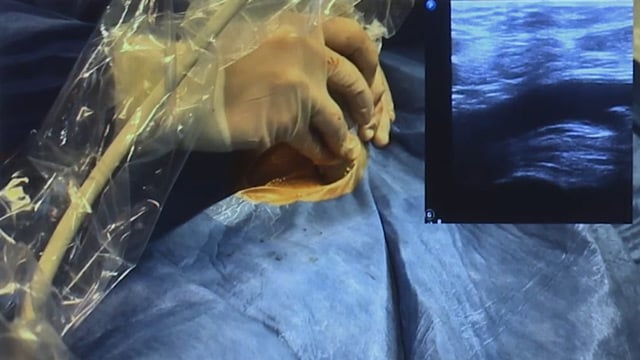
Explore advanced plaque modification strategies tailored to diverse lesion types such as nodular, long, tortuous lesions, and bifurcations. Delve into approaches for managing under-expanded stents and calcified nodules, supported by evidence including results from the French orbital atherectomy registry.
How to avoid and manage complications
28 Feb 2026 – From Euro4C Annual Meeting 2026
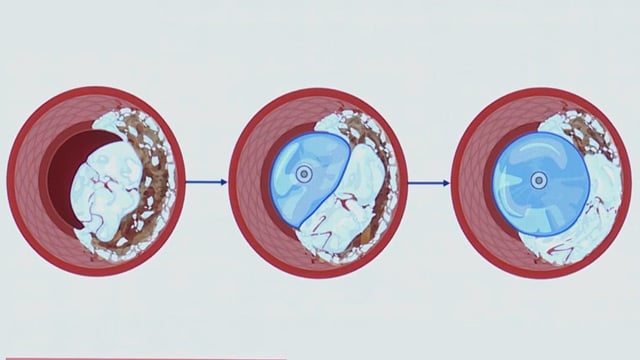
Build a comprehensive complication-management toolbox tailored for PCI in heavily calcified vessels. This session covers prevention and management techniques for complications arising from severely calcified lesions, illustrated by practical cases and expert insights into risky lesions and challenging devices.
Drug-eluting balloon in calcified lesions and complex lesions
28 Feb 2026 – From Euro4C Annual Meeting 2026
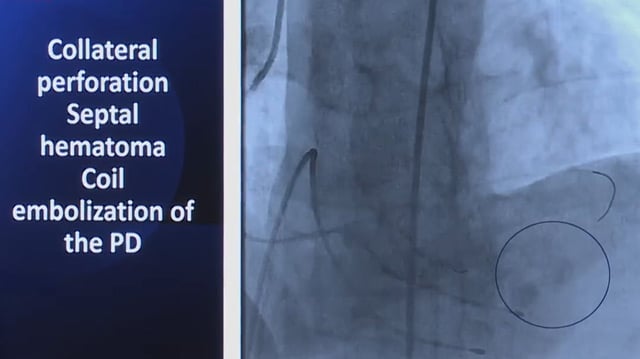
This session explores the application of drug-eluting balloons (DCB) in managing calcified and complex coronary lesions. Emphasis is placed on identifying appropriate lesions for a DCB-only strategy, the critical role of vessel preparation prior to drug delivery, and the long-term physiological assessment following treatment, supported by...