3648 results for «2460»
3648 results
Complex coronary complications
11 Dec 2025 – From GulfPCR-GIM 2025
This session addresses complex coronary complications through a series of challenging cases including dextrocardia with acute STEMI, fragile coronary anatomy risks, left main complications, and stent-related issues. It provides critical insights into recognizing and managing unexpected procedural challenges to improve patient safety.
The most impactful trials of 2025
10 Dec 2025 – From GulfPCR-GIM 2025
Review the most impactful cardiovascular intervention trials anticipated in 2025, analyzing their methodology and clinical applicability. This session facilitates understanding how emerging evidence can be integrated into daily interventional cardiology practice.
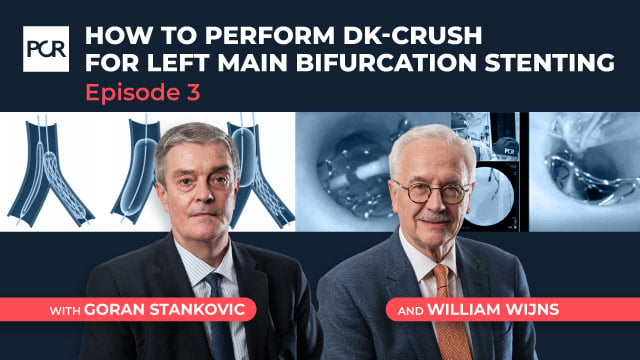
DK Crush like you’ve never seen it before
- Multi-modality simulation to unveil the hidden parts & small obstacles that can result in complications
- Angioscopy directly inside the coronary artery to provide a better understanding of 3D stent configuration
Commented by Goran Stankovic and William Wijns
Part 1 of a 3-part series.
Next episode: How to correct incomplete crush and...
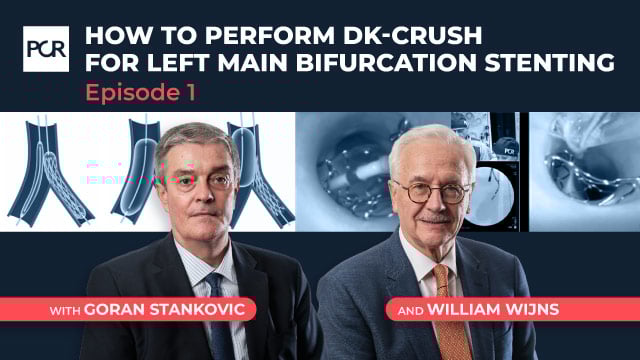
How to correct incomplete crush and how to prevent lack of carina coverage
- Differentiating between complete and incomplete crush
- The importance of sequential crush and bigger balloons, adequately sized according to proximal vessel diameter
Commented by Goran Stankovic and William Wijns
Part 2 of a 3-part series:
Previous episode: DK Crush like you’ve never seen it before
Coming up next: Main vessel stenting in DK-Crush, lessons...

Main vessel stenting in DK-Crush: lessons from stepwise provisional strategy
- Optimisation of side branch stenting
- How to optimally deploy the second stent
Commented by Goran Stankovic and William Wijns
Part 3 of a 3-part series. Previous episode: How to correct incomplete crush and how to prevent lack of carina coverage
STEMI 2026 - The precision revolution
19 May 2026 – From EuroPCR 2026
Explore the forefront of STEMI care with a focus on precision medicine, integrating artificial intelligence for pre-hospital triage, evidence-based complete revascularisation strategies, and advanced imaging guidance during primary PCI. This session also addresses tailored antithrombotic approaches, timing of mechanical support in cardiogenic shock, and management of...

Beyond the angiogram: contemporary management of STEMI
19 May 2026 – From EuroPCR 2026
This session provides an in-depth review of complex STEMI cases from diverse clinical settings, emphasizing optimisation of primary PCI strategies, complication management, and individualised antithrombotic therapy. Real-world cases from Albania, Macedonia, and Slovakia illustrate diagnostic challenges and therapeutic decision-making to improve patient outcomes.

TAVI complications and management strategies
19 May 2026 – From EuroPCR 2026
Gain comprehensive knowledge on anticipating, identifying, and managing complications during transcatheter aortic valve implantation (TAVI). Through complex international case studies—including transaxillary Navitor implantation and bicuspid aortic valve challenges—this session highlights key strategies to improve procedural safety and outcomes.
Managing life-threatening TAVI complications
19 May 2026 – From EuroPCR 2026
Manage life-threatening complications in TAVI procedures with a structured algorithm for identification and resolution. This session shares expert tips for handling specific severe complications and reviews best practices aimed at complication avoidance to enhance patient safety and procedural success.
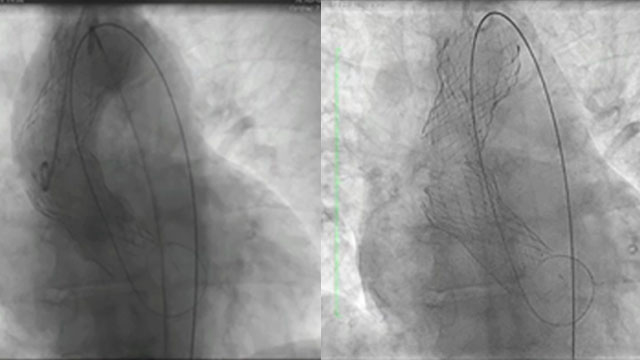
All we need to know about vulnerable plaque
19 May 2026 – From EuroPCR 2026
Understand the critical importance of vulnerable plaque identification and management. This session covers optimal strategies for detecting vulnerable plaques, their prognostic implications, and evidence-based treatment approaches illustrated through detailed case presentations.
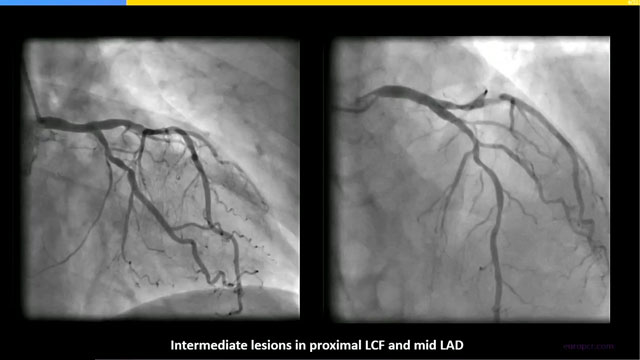
Next generation TAVI procedural planning
19 May 2026 – From EuroPCR 2026
Explore the forefront of TAVI procedural planning, featuring innovations such as valve-in-valve techniques for sutureless valves, integration of artificial intelligence in heart team decisions, and advanced imaging-guided access methods. The session also examines clinical outcomes related to bicuspid anatomy and prosthesis-patient mismatch, providing a comprehensive view...
Selecting PCI devices in specific scenarios
19 May 2026 – From EuroPCR 2026
This session addresses device selection strategies tailored to specific interventional cardiology scenarios. It covers innovative approaches such as coronary laser use in difficult lesions, intravascular imaging-guided treatments for in-stent restenosis, and physiological assessment post-magnesium scaffold resorption, supported by real-world data and emerging machine learning applications.
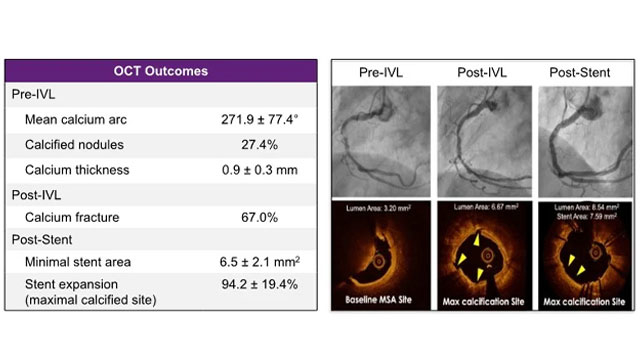
New evidence in the treatment of calcified lesions
19 May 2026 – From EuroPCR 2026
This session presents the latest evidence on treating calcified coronary lesions, comparing intravascular lithotripsy, cutting balloons, rotational and orbital atherectomy. It includes clinical trial data on efficacy, safety, and impact on coronary microvascular function, providing a robust foundation for evidence-based decision-making in calcified lesion management.
Evidence for new devices in management of coronary artery disease
19 May 2026 – From EuroPCR 2026
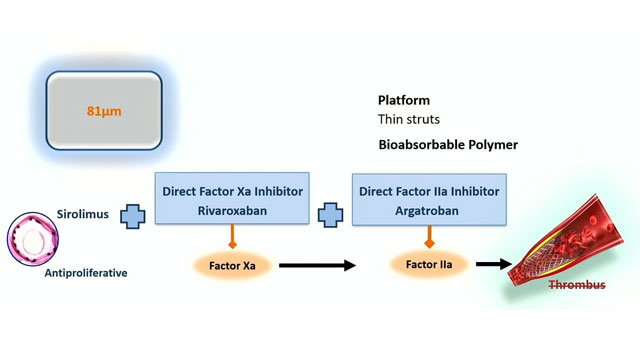
This session reviews the latest evidence on new devices in coronary artery disease management. It covers outcomes from randomized controlled trials including imaging- and physiology-guided PCI with the Bioadaptor device, long-term results of thinner-strut bioresorbable scaffolds, site-specific antithrombotic therapy evaluated in the DESyne BDS Plus Trial,...
TAVI procedural complications - Part 1: VSD, valve embolisation, and more
19 May 2026 – From EuroPCR 2026
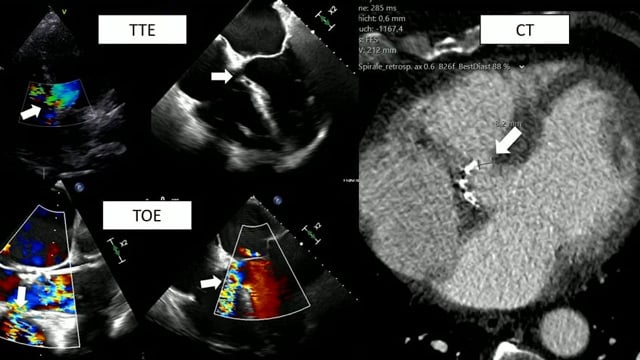
This session focuses on the complex complications that can arise during TAVI procedures, such as ventricular septal defects, valve embolisation, and other critical events. Through detailed case analyses, it offers strategies for recognition, prevention, and management to improve patient safety and outcomes.
Clinical cases - Nurses and Allied Professionals
19 May 2026 – From EuroPCR 2026
Dedicated to nurses and allied health professionals, this session presents compelling clinical cases illustrating their critical role in interventional cardiology. Topics range from managing pregnant patients in the cath lab, the impactful contributions of nursing and allied professionals (NAPs), to their management perspectives during complex procedures...
Clinical experience with transcatheter tricuspid valve replacement
19 May 2026 – From EuroPCR 2026
This session shares clinical experience with transcatheter tricuspid valve replacement (TTVR) for severe tricuspid regurgitation. It includes outcomes after prior repair, analysis of stent frame geometry as a predictor of leaflet abnormalities, and assessments of functional and quality-of-life improvements with systems such as Evoque and MonarQ....
How to prevent and manage complex and complicated LAA closure cases?
19 May 2026 – From EuroPCR 2026
Designed to enhance procedural success in transcatheter left atrial appendage closure, this session addresses identification of complex anatomies, management of intraprocedural challenges, and strategies to prevent and handle complications, illustrated by practical case examples and expert evaluations.

PCR's Got Talent Round 1 - Session 1
19 May 2026 – From EuroPCR 2026
This dynamic session from PCR's Got Talent Round 1 presents a diverse array of cutting-edge research and clinical findings. Topics include the influence of local and systemic inflammation on PCI outcomes, adherence to OCT-guided PCI metrics, comparative guidance strategies using angiography-derived FFR and IVUS, and the...
How should I treat a patient with a calcified mitral anatomy?
19 May 2026 – From EuroPCR 2026
This session explores the management of patients with calcified mitral anatomy, from advanced imaging assessment to intervention planning. It evaluates the suitability of mitral annular calcification for transcatheter edge-to-edge repair (TEER) and discusses alternative therapeutic options for patients ineligible for TEER.