3646 results for «739»
3646 results
Haemodynamic support: from shock to complex high-risk interventional problems
21 May 2026 – From EuroPCR 2026
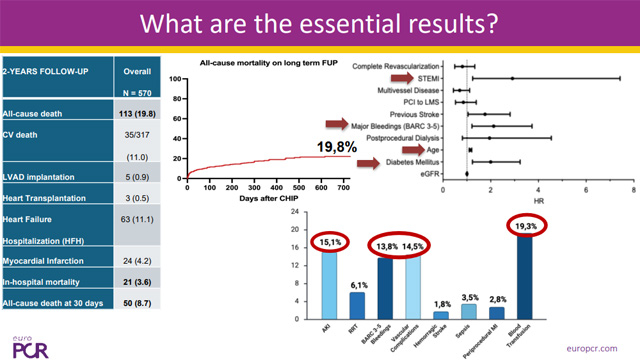
This session examines haemodynamic support from cardiogenic shock through to complex high-risk interventional cardiology procedures. It features registry data, clinical outcomes, and procedural techniques including mechanical circulatory support and arterial access strategies.
Challenging clinical scenarios in STEMI
21 May 2026 – From EuroPCR 2026
This session explores challenging clinical scenarios in STEMI, including coronary embolisation from aortic valve vegetation, blunt chest trauma-related STEMI, intramural hematoma diagnostics with multimodality imaging, acute stent thrombosis during dengue recovery, and advanced clot removal techniques beyond standard aspiration devices.
TAVI in heart failure is possible
21 May 2026 – From EuroPCR 2026
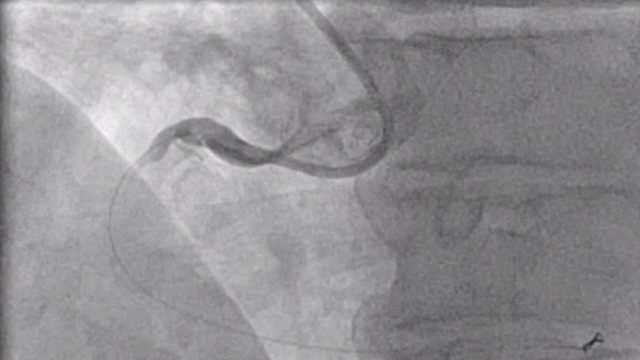
This session demonstrates the feasibility of transcatheter aortic valve implantation (TAVI) in patients with heart failure through a series of challenging cases. It covers sequential management of hypertrophic obstructive cardiomyopathy with aortic stenosis, advanced heart failure interventions, staged approaches in cardiogenic shock, and complex percutaneous interventions...
The pearl of unloading with mechanical circulatory support
21 May 2026 – From EuroPCR 2026
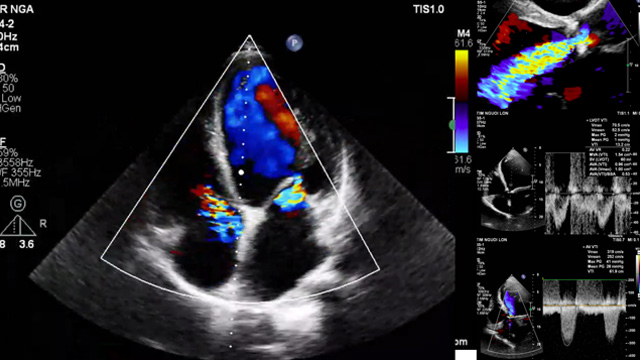
Delve into the critical aspects of mechanical circulatory support in cardiogenic shock, focusing on device selection, assessment of persistent congestion, and the application of unloading tools to improve patient management and outcomes.
TRISCEND: six-month outcomes of transfemoral tricuspid valve replacement in patients with TR - a written review
09 Nov 2021
The 6-month follow-up of the TRISCEND study was presented during the TCT Congress 2021 by principal investigator Susheel Kodali. Alessandro Sticchi & Jonathan Curio offer a review of this trial.

Author

Author

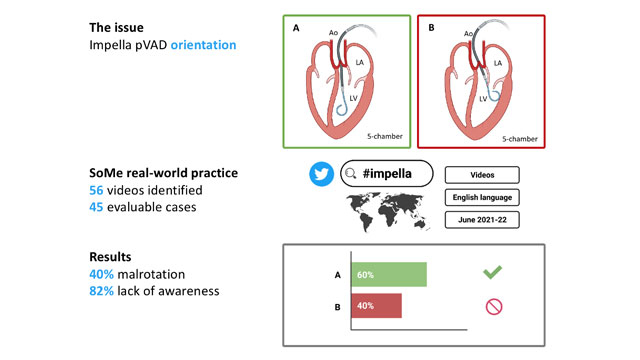
Impella percutaneous ventricular assist device malrotation in social media: a call to action
20 Apr 2023
The data from this study suggest that, from a SoMe perspective, correct Impella orientation is often overlooked, and that Impella malrotation is a common issue in real-world clinical practice, potentially associated with relevant complications.

Author

Author
Author

Author

Author