Discover the European Wave Programme Host Centres and Mentors
Get to know the institutions and people participating
Each participating institution offers a unique learning environment within the Wave Programme. Explore the centres and mentors, and learn more about their expertise, facilities and fellowship opportunities. Host Centre placements are allocated according to available grants and programme criteria.

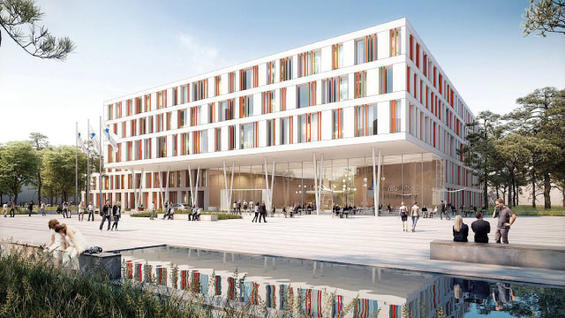
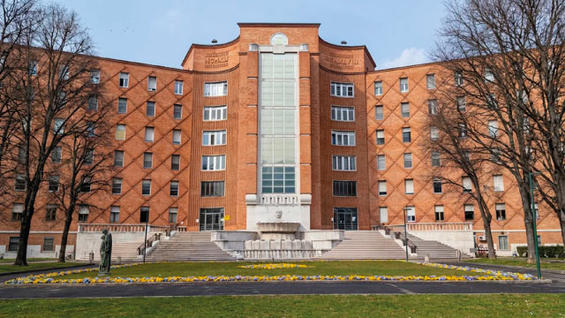
ASST Spedali Civili di Brescia is one of leading hospital in Italy for the management of patients with valvular heart disease, in particular AV valves.
"We have a Cath Lab with 1 OR entirely dedicated to structural interventions + 1 OR for complex cases in collaborations with surgeons. We perform about 120 mitral and tricuspid percutaneous interventions per year including both repair and replacement by using all the devices currently available and some under investigation. We have a cardiac surgery (2 OR) performing 250 surgical mitral valve interventions, almost all repair and 100 tricuspid interventions mostly combined. We have a daily (at 1pm) heart team discussion with interventionalists, cardiac surgeons, imagers, anesthesiologists and clinical cardiologists; 15 Cardiology beds and 15 Cardiac surgery beds for patients with valvular heart disease managed by a multidiscilinary team; 3 ambulatories (every day visits) for diagnosis, follow-up and multidiscilinary evaluations. "

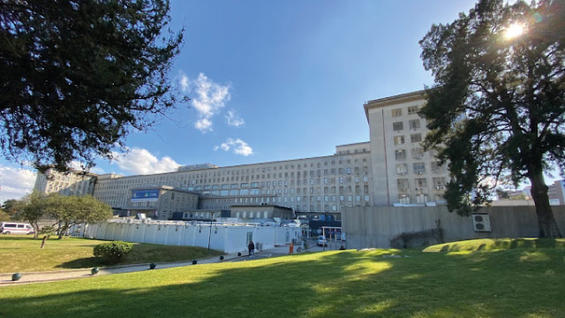


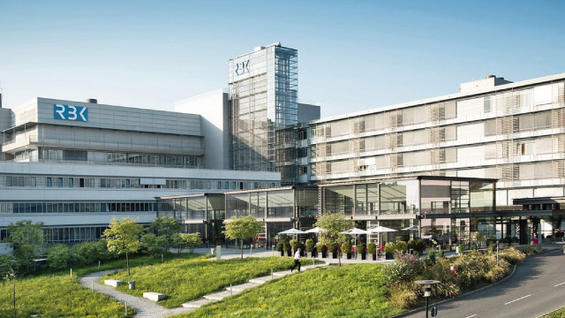
The Robert-Bosch Hospital is located in southern Germany, in Stuttgart and has about 1000 beds with a large cardiac surgery and cardiology department. In cardiology, we treat about 8000 patients per year with a very strong emphasis on interventional cardiology. We have four heart cath laboratories and two hybrid ORs for interventional procedures. The valvular program is particularly strong with an estimated 700 TAVIs and 350 AV interventions in 2026. In the AV sector, we use a large variety of different procedures, such as MitraClip, TriClip, Evoque, TricValve and CardioValve. We also have a very large echocardiography department, performing 10-20 TOEs per day (and of course a large number of TTEs).
Many visiting physicians come to our center to watch procedures and learn about our AV program, so we are used to add an educational aspect in our daily procedures.

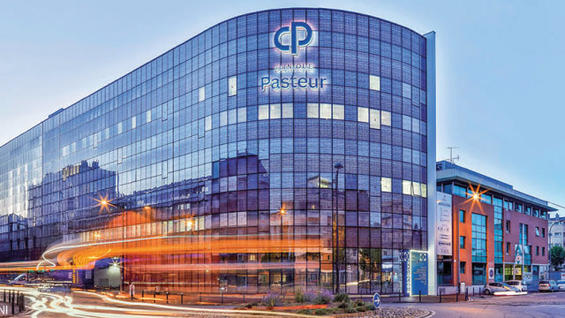
Clinique Pasteur is the centre where PCR was founded by Pr. Jean Marco and Dr. Jean Fajadet. Since the creation of EuroPCR and PCR London Valves, the clinic has hosted live case transmissions for every edition of these congresses, requiring some of our cardiologists.
Experience in hosting fellows: 8 Fellows hosted annually, +200 Workshop organised and/or participations in international congresses
Research activities of the Host Centre:
- 39 Clinical studies, including 36 interventional studies
- 67 International publications in 2025
- 289 International publications between 2020 and 2025
- 20 Journal categories covered by the publications
Annual performance ✅
- 1,125 TAVI procedures
- 3,656 Percutaneous Coronary Interventions
- 7,648 Coronary angiographies
- 462 Abdominal endovascular stent graft procedures

Coming soon

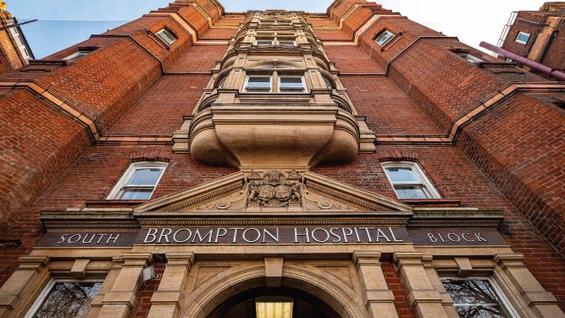
The Royal Brompton Hospital, located in Chelsea, West London, is globally renowned as the largest specialist heart and lung centre in the UK and one of the largest in Europe. It is celebrated for its pioneering surgical and structural valve transcatheter breakthroughs and world-class standard of care. It is consistently ranked among the top 10 specialised cardiology hospitals in the world by Newsweek. Its sister site, Harefield Hospital, made medical history by performing Europe's first successful heart and lung transplant, while Royal Brompton cardiologists performed the UK's first successful operation to close an atrial septal defect, implanted the first coronary stent, and pioneered the use of primary angioplasty to treat heart attacks. In January 2010, The Royal Brompton Hospital transcatheter valve programme was joined by Harefield Hospital to become one of the flag-ship services within the Trust’s clinical strategy. The Royal Brompton and Harefield NHS Foundation Trust officially merged with Guy's and St Thomas' NHS Foundation Trust (GSTT) on February 1, 2021, a move which has brought together internationally renowned hospitals to form one of the largest and strongest heart and lung healthcare organisations in Europe.
On the Royal Brompton Site alone, the Structural Heart Disease (SHD) programme encompasses both transcatheter and surgical aortic, mitral, tricuspid, and pulmonary interventions. The Royal Brompton Hospital was the second site in the UK to implant a transcatheter aortic valve (TAVI), the first publication of TAVI via a subclavian approach, the first implantation of a TAVI by the direct aortic approach, and continues to have a strong aortic ‘valve-in-valve’ TAVI programme, including the world’s first TAVI-in-TAVI-in homograft. Today it is one of the largest TAVI centres in the UK, with approximately 1000 TAVI procedures performed per year across the 3 hospital sites. In March 2010, the Trust commenced its transcatheter mitral valve edge-to-edge repair (M-TEER) programme using the Abbott MitraClip system, followed by extensive experience of the Edwards Pascal system, This was followed by the introduction of dedicated transcatheter tricuspid valve edge-to-edge repair (T-TEER) interventions in 2019 with both Abbott and Edwards platforms. The Royal Brompton site now performs over 170 transcatheter mitral or tricuspid cases combined per year. This number includes transcatheter mitral valve implantation and transcatheter tricuspid valve implantation. Clinicians at The Royal Brompton Hospital performed the world’s first transcatheter mitral valve implantation using the Tendyne device in 2014, and was the first institution in Western Europe to implement the transventricular neochord device using the Harpoon device, now performing transapical NeoChord procedures. Pulmonary valves (for both adults and children) are implanted within the programme.
The clinical service is provided in English, in which the applicant is expected to be proficient. Registration with the UK General Medical Council (GMC) is mandatory for clinicians working with direct clinical care, but not for those seeking only a purely observational role.

The Interventional Cardiology Unit of the University Hospital Álvaro Cunqueiro is proud to offer a dedicated training experience within the WAVE programme, providing participants with an immersive and structured pathway into the world of atrioventricular valve intervention.
Under the close supervision of Dr. Rodrigo Estévez-Loureiro, WAVE trainees benefit from direct exposure to the full spectrum of transcatheter mitral and tricuspid therapies, including edge-to-edge repair, transcatheter mitral valve replacement, and emerging tricuspid interventional approaches, within a high-volume structural heart program that ranks among the most active in Europe. The unit’s strong commitment to the PCR educational philosophy — combining procedural mentorship with case-based learning, imaging guidance, and multidisciplinary heart team integration — ensures that WAVE participants leave not only with refined technical skills but with the clinical judgment and scientific rigor necessary to become future leaders in atrioventricular valve intervention.
We accept participants speaking Spanish, Portuguese, English and Italian, although at least medium level of Spanish is recommended.
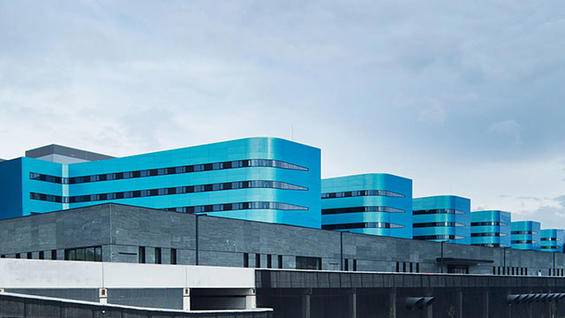

Coming soon


- Annual performance of the Host Centre:
- 100 TEER Procedures (Site Marienhospital)
- 200 TEER Procedures (Site Bad Rothenfelde)
- 50 Structural Procedures (Site Marienhospital)
- 50 Structural Procedures (Site Bad Rothenfelde)
- 2500 Coronary Procedures (Site Marienhospital)
- 2000 Coronary Procedures (Site Bad Rothenfelde)
- 1000 TAVI (Bad Rothenfelde)
- Research activities of the Host Centre
- Active data collection for Euro-TR registry (T-TEER, DZHK)
- Activation process for CABA-MITRA study (M-TEER & Ablation, DZHK)
- Active recruiting for HF-POLARIS (Phase III, Novordisk)
- BSCI-Septa PMCF (CRM, Boston)
- Education activities of the Host Centre
- 4 Symposia annually (General Cardiology, Electrophyiology, Imaging, ESC-Update)
- Weekly Journal Club
- Weekly Case presentation
- TOE and TTE certification courses (DEGUM)
➔ Motivation for hosting mentees from the WAVE programme: I strongly believe that structural support for female cardiologists in interventional cardiology is necessary, since pregnancy, motherhood, and part-time work lead to systematic disadvantages for women and their underrepresentation in this field. Considering that roughly fifty percent of young medical doctors are female, this systemic disadvantage means that we are not identifying the best candidates for leadership positions in interventional cardiology, but rather those with greater availability during the age of 30 to 40.By focusing on the professional development of women in interventional cardiology even in their late thirties, we have the opportunity to increase the pool of excellent candidates for leadership positions in this field. Expecting women to perform like men during family planning phases and between pregnancies results in exhausted individuals rather than a broad recruitment base for interventional programs, ultimately reducing the number of suitable candidates. WAVE is a bold initiative to address this gap.
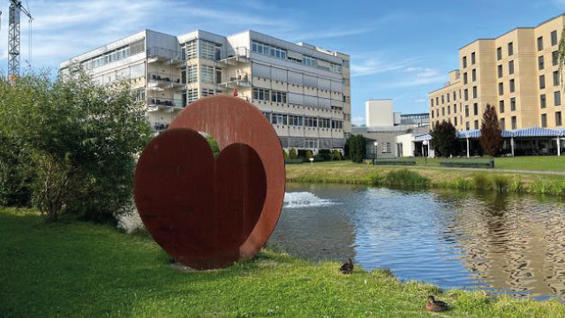

Ospedale Niguarda (De Gasperis Cardio Center) is the largest public hospital in Milan, a high-volume tertiary referral centre with a fully integrated structural heart programme covering the complete spectrum of transcatheter mitral and tricuspid valve interventions. The centre offers a mature, multidisciplinary Heart Team in which interventional cardiology, advanced multimodality imaging (3D TOE, CT, fusion imaging) and heart failure care are closely integrated across patient selection, procedural planning and long-term follow-up.
Mentees will be exposed to the full patient pathway — from Heart Team discussion and screening through procedural guiding and outpatient follow-up — for the broader range of transcatheter treatment for atrio-ventricular valves (T-TEER, M-TEER, M-TVR and T-TVR interventions). There are active opportunities to participate in ongoing clinical research and to develop a structured scientific project during the stay.
The centre performs approximately 40 mitral and 20 tricuspid transcatheter procedures per year, with a dedicated structural imaging team and an established academic and teaching environment.
Mentor: Claudio Montalto, Jacopo A. Oreglia
Specific considerations / limitations
- Language: Clinical and Heart Team discussions, imaging review and mentoring can be conducted in English. A working knowledge of Italian is helpful but not required; direct patient interaction is conducted in Italian.
- Nature of the stay: Observational (non hands-on), in line with the WAVE format and Italian regulatory requirements for visiting physicians.
- Logistics: Milan is easily reached via Linate and Malpensa airports. Accommodation is the mentee's responsibility.
- Administrative: A visiting-observer agreement and standard hospital onboarding (occupational health / documentation) will be required before the stay.
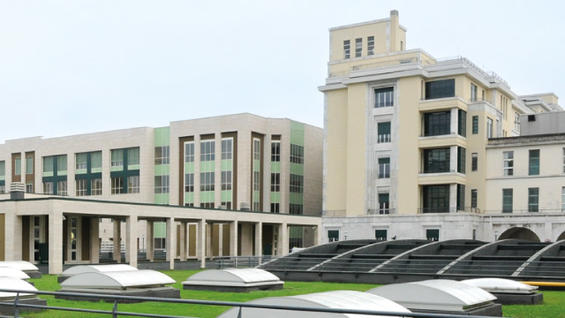
Coming soon

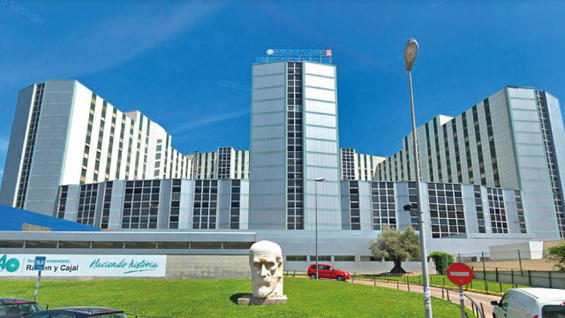
Hospital Universitario Ramón y Cajal is a tertiary academic hospital in Madrid, Spain, with a long-standing tradition in cardiovascular medicine, interventional cardiology, cardiac imaging, cardiac surgery, and clinical research. The Department of Cardiology includes a dedicated Interventional Cardiology Unit and a comprehensive Structural Heart Programme, supported by advanced cardiac imaging, cardiac surgery, heart failure specialists, intensive cardiac care, and a dedicated clinical research infrastructure.
Experience in hosting fellows: extensive experience in hosting national and international fellows and observers in the field of cardiac imaging, interventional cardiology and structural heart disease. Over the years, the centre has welcomed fellows from Spain and other countries for different types of training programmes, including short-term observerships, clinical rotations, and longer structured fellowships. Training topics have included TAVI, mitral, tricuspid and pulmonary transcatheter interventions, congenital heart disease interventions, left atrial appendage closure and paravalvular leak closure. Fellows are integrated into the daily clinical activity of the unit, including patient evaluation, imaging review, procedural planning, catheterisation laboratory activity, post-procedural management, research meetings, and Heart Team discussions.
Annual performance of the Host Centre: The Interventional Cardiology Unit performs a high annual volume of mitral and tricuspid procedures:
- Mitral transcatheter interventions, including edge-to-edge repair and transcatheter mitral valve replacement – 50 cases / year
- Tricuspid transcatheter interventions, including repair, replacement and caval valve implantation – 60 cases / year
- Transcatheter paravalvular leak closure – 12 cases / year
- Mitral valve disease - moderate consultations – 900 patients /year
- Tricuspid valve disease - moderate consultations- 350 patients / year
The programme is supported by a dedicated valve clinic, advanced echocardiography, cardiac CT, cardiac surgery, anaesthesia, intensive cardiac care, and heart failure specialists.
Other transcatheter interventions:
- Coronary interventions: 900 procedures / year
- TAVI: 230 procedures / year
- LAA closure: 50 procedures / year
- Congenital heart interventions: 40 procedures / year
Research activities of the Host Centre: active clinical research programme in cardiac imaging and interventional cardiology. The centre participates in national and international registries, investigator-initiated studies, and industry-sponsored clinical trials. Research areas include transcatheter treatment of mitral and tricuspid valves. The centre also has a dedicated cardiovascular research unit that supports clinical studies, data collection, regulatory processes, ethics committee submissions, and scientific publications. Members of the team regularly contribute to peer-reviewed publications, international congresses, scientific sessions, live cases, educational courses, and expert consensus documents.
Education activities of the Host Centre: The centre provides structured and practical training through direct clinical exposure, case based learning, imaging review, procedural planning sessions, and multidisciplinary meetings. Educational activities include:
- Regular Heart Team meetings for discussion of complex valvular and structural cases
- Clinical case review sessions
- Training in procedural planning using echocardiography and cardiac CT
- Participation in catheterisation laboratory activity
- Research meetings and manuscript preparation
- Attendance at local, national and international educational activities
- Teaching sessions for residents, fellows and visiting physicians
Motivation for hosting mentees from the WAVE programme: Our motivation for hosting mentees from the WAVE programme is to contribute to the training of the next generation of female specialists in atrioventricular valve disease. We believe that international fellowship programmes are essential to promote clinical excellence, scientific collaboration, standardisation of best practices, and professional development. The WAVE programme represents an excellent opportunity to offer mentees exposure to a high-volume, multidisciplinary atrioventricular valve programme, with particular emphasis on complex mitral and tricuspid valve disease, procedural planning, imaging integration, clinical decision-making, and research. We are committed to providing a supportive, clinically meaningful, and academically stimulating environment, where mentees can develop their skills, participate in real world case discussions, understand the importance of Heart Team decision-making, and become involved in research and educational activities.

Coming soon

Coming soon