



Gilbert Tang
Latest contributions
Beyond first implant: valve-in-valve, redo and leaflet modification
20 May 2026 – From EuroPCR 2026
This session explores advanced transcatheter aortic valve therapies beyond the first implant, focusing on valve-in-valve, redo procedures, and leaflet modification techniques. Topics include bioprosthetic valve fracture, long-term outcomes from the DURA-ViV registry, simplified workflows for leaflet modification in redo-TAVI, and intravascular ultrasound evaluation of valve expansion...
Future devices and techniques for structural heart disease
15 Feb 2026 – From PCR Tokyo Valves 2026
This session surveys the future landscape of structural heart disease treatment, addressing current limitations in transcatheter valve technologies and presenting emerging devices and techniques for aortic, mitral, and tricuspid valves. Attendees will gain insights into innovations poised to transform therapeutic options for structural heart disease.
Transcatheter electrosurgery and leaflet modification of the aortic valve
15 Feb 2026 – From PCR Tokyo Valves 2026
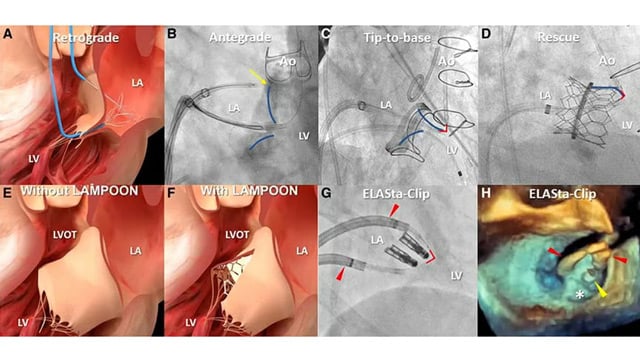
This session offers an expert overview of transcatheter electrosurgery and leaflet modification techniques for aortic valve interventions, focusing on TAV-in-SAV scenarios. It reviews patient selection, procedural setup, and material preparation, with detailed step-by-step guidance on BASILICA and UNICORN techniques, supported by recorded cases and troubleshooting strategies...
Learn from the experts: lifetime management for Evolut first redo TAVI (TAV-in-TAV) and explant
14 Feb 2026 – From PCR Tokyo Valves 2026
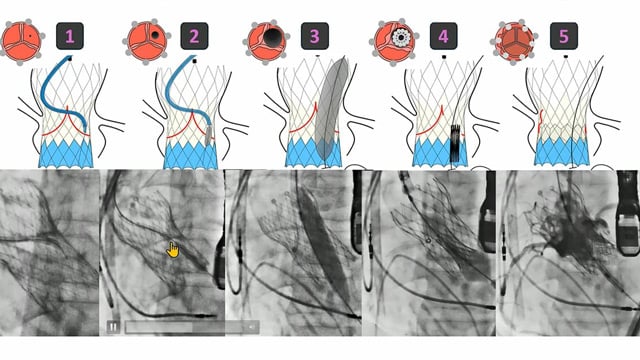
This session offers an in-depth exploration of lifetime management strategies for patients undergoing Evolut first redo TAVI procedures, including TAV-in-TAV and explant techniques. It provides a comprehensive understanding of clinical decision-making algorithms, technical challenges, and key considerations for successful procedural planning and execution, supported by real-world...
Hot topics and evidence on structural interventions in 2025 and 2026
14 Feb 2026 – From PCR Tokyo Valves 2026
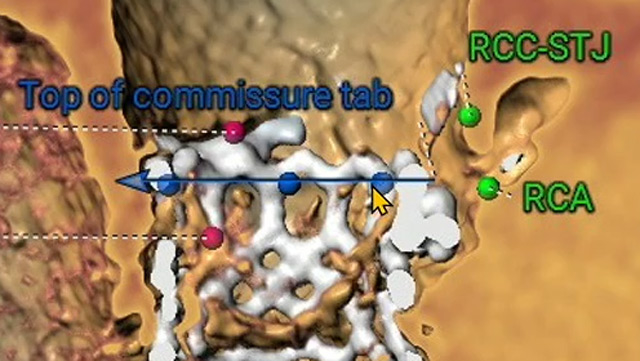
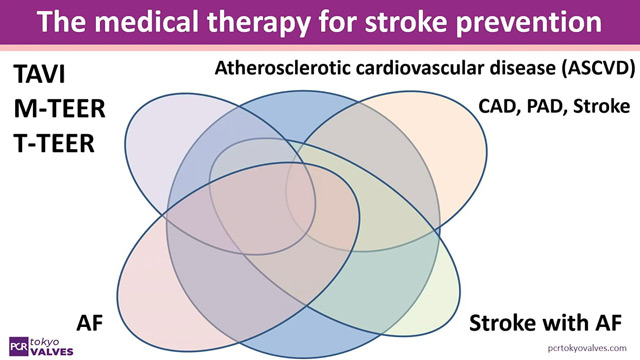
Delve into the emerging clinical evidence and key hot topics shaping transcatheter interventions for aortic, mitral, and tricuspid valve diseases anticipated to influence clinical practice in 2025 and 2026. This session reviews stroke prevention, valve interventions across the three valves, and integrates recent and upcoming data...
Mitral TEER masterclass
14 Feb 2026 – From PCR Tokyo Valves 2026
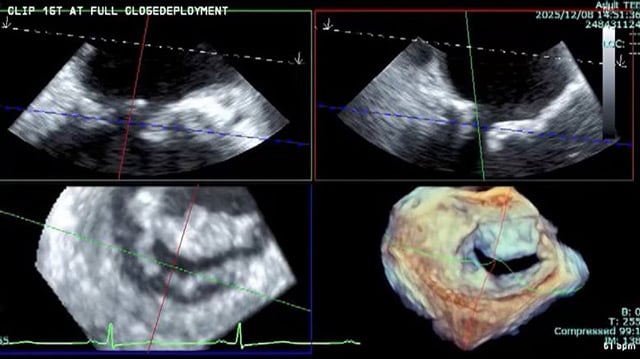
Delve into the mitral TEER masterclass focusing on unique anatomical challenges encountered in Asian populations. This session presents complex case studies illustrating device strategies and practical techniques aimed at minimizing complications and optimizing procedural outcomes in anatomically challenging scenarios.
Getting ready for tricuspid TEER: key steps in building a successful programme
14 Feb 2026 – From PCR Tokyo Valves 2026
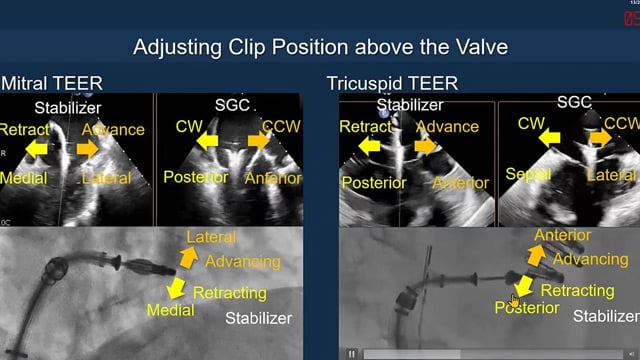
Prepare to establish a successful tricuspid TEER programme by understanding essential components such as systematic echocardiographic and clinical assessments for patient selection, procedural fundamentals, and programme development supported by clinical evidence.
Patient selection for tricuspid TEER in 2026
14 Feb 2026 – From PCR Tokyo Valves 2026
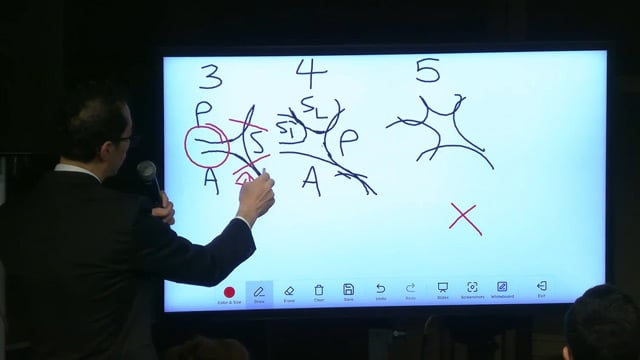
This session focuses on optimizing patient selection for tricuspid transcatheter edge-to-edge repair (TEER) in 2026. It integrates anatomical, haemodynamic, and clinical criteria to identify ideal candidates, explores evolving treatment boundaries between TEER, transcatheter tricuspid valve replacement (TTVR), and medical management, and applies evidence from key trials...
Mastering techniques from basic to complex - Advanced TAVI
13 Feb 2026 – From PCR Tokyo Valves 2026
Explore advanced TAVI topics including valve selection for small annuli, optimization strategies for bicuspid aortic valve interventions, and techniques ensuring safety and efficacy in valve-in-valve procedures.
Featured research - TAVI - Part 12
18 Nov 2025 – From PCR London Valves 2025
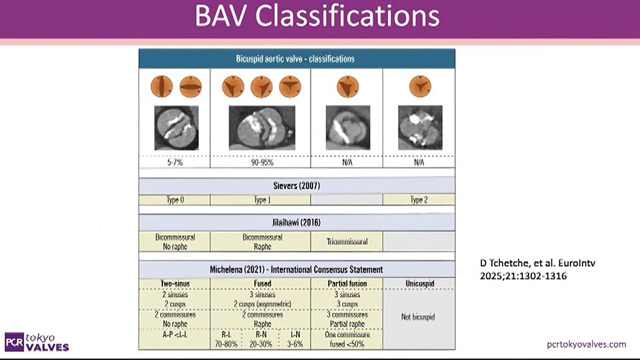
This session presents advanced research on transcatheter aortic valve implantation (TAVI), featuring an extensive 30-year in-vitro durability analysis of the Evolut self-expanding valve. It also covers predictive studies on valve-in-valve procedure volumes comparing Japan and the United States, insights into TAVI in patients with left ventricular...
Leaflet modification techniques: latest acronyms, concepts and best practice
17 Nov 2025 – From PCR London Valves 2025
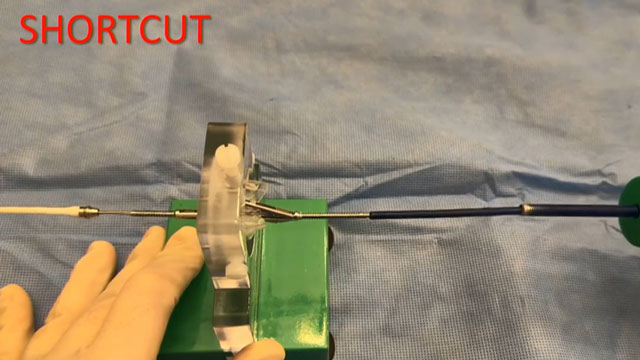
Gain comprehensive insights into leaflet modification techniques with a focus on the latest acronyms, concepts, and best practices. This session covers step-by-step approaches to transcatheter electrosurgical leaflet modification, including BASILICA, SHORTCUT, and UNICORN, alongside troubleshooting strategies and the innovative SURPLUS surgical technique.
Redefining precision and performance in TAVI: advancing clinical outcomes with the Evolut FX+ system
10 Oct 2025 – From AICT-AsiaPCR 2025
Delve into advanced transcatheter aortic valve implantation (TAVI) with the Evolut FX plus system, focusing on its application in patients with small annulus and coronary artery disease (CAD). This session details step-by-step deployment, patient selection, imaging analysis, and highlights the distinctions from the previous Evolut R...
Valve in valve in small degenerative surgical bioprosthesis - LIVE case
09 Feb 2025 – From PCR Tokyo Valves 2025
A 74-year-old female with a permanent pacemaker and preserved LV function presented with a symptomatic degenerative surgical valve (SJ Epic 21) implanted in 2016.
Patient underwent implantation of an Evolut FX 26 mm under general anesthesia with cerebral embolic protection and TEE guidance. A surgical valve fracture...
Coronary access after TAVI: timing and techniques
09 Feb 2025 – From PCR Tokyo Valves 2025
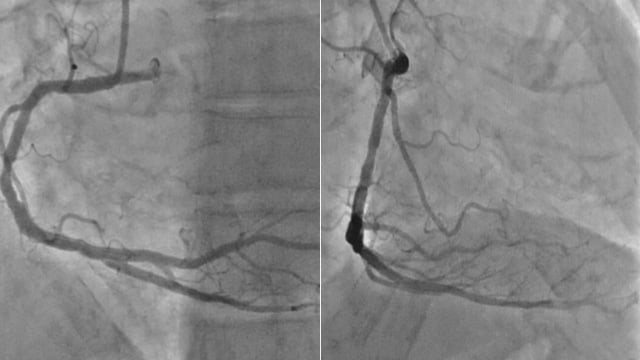
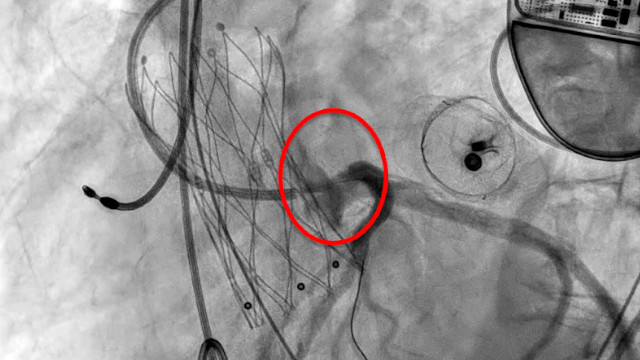
Struggling with PCI after TAVI? This session breaks it down with 3 real-world cases. You'll learn when and how to perform revascularization in severe AS patients, the impact of commissure alignment on future coronary access, and expert techniques for post-TAVI PCI:
- Case 1: Managing a patient with...
Combined valve disease
09 Feb 2025 – From PCR Tokyo Valves 2025
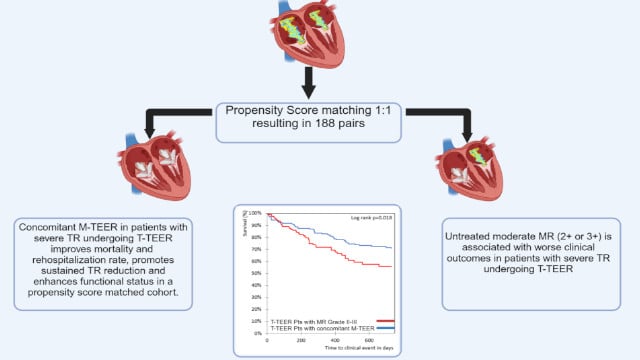
This session delves into the management of combined valve disease, covering topics such as transcatheter tricuspid valve replacement and valve-in-valve/valve-in-ring implantation in high-risk patients, the importance of CT imaging analysis in predicting true mitral stenosis in TAVI patients, the clinical outcomes of mild-to-moderate mixed aortic valve...
Mastering TAV-in-SAV: strategies, challenges and advanced techniques
09 Feb 2025 – From PCR Tokyo Valves 2025
Want to master the ins and outs of TAV-in-SAV? Don’t miss these presentations!
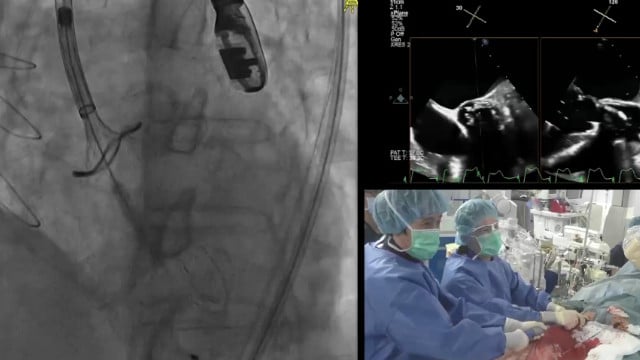
You’ll get expert guidance on evaluating feasibility, choosing the right transcatheter valve and using advanced techniques (valve fracture, leaflet modification, coronary protection...). Plus, you'll dive into multiple real-world case presentations that tackle challenges, share...
Challenging situations in M-TEER: Takotsubo syndrome
08 Feb 2025 – From PCR Tokyo Valves 2025
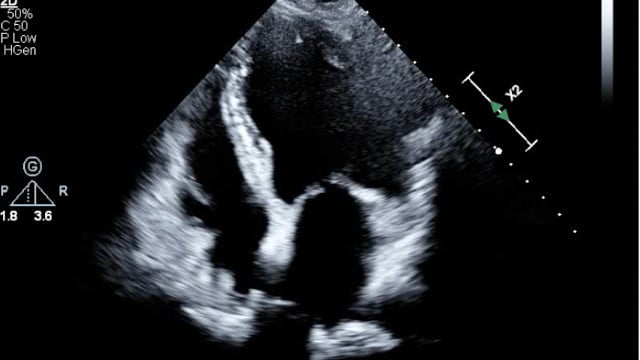
Dive into this session to explore challenging situations in Mitral Transcatheter Edge-to-Edge Repair (M-TEER). Discover case studies showcasing a range of complex scenarios, including Takotsubo syndrome following M-TEER, successful TEER with improved visualization using a bronchial blocker, managing cardiac arrest during MitraClip procedures, and more. Gain...
Late-Breaking Trial session
08 Feb 2025 – From PCR Tokyo Valves 2025
Discover the latest insights from pivotal studies in this PCR Tokyo Valves 2025 LBT session. Explore early feasibility updates from the AltaValve trial, in-hospital outcomes comparing surgical vs. percutaneous intervention in aortic stenosis with coronary artery disease from the JROAD-DPC data, and procedural results from the...
Standardised implant technique with self-expandable valve
08 Feb 2025 – From PCR Tokyo Valves 2025
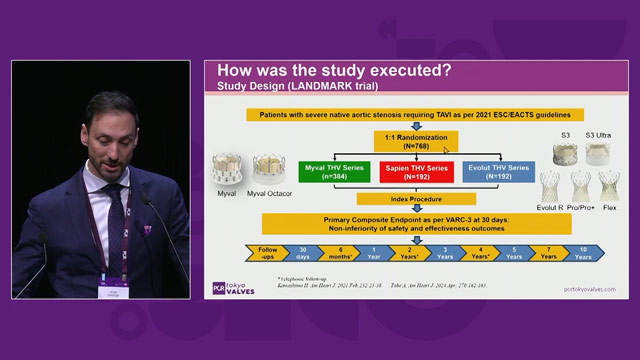
Don’t miss this PCR Tokyo Valves 2025 session replay, where leading experts share key techniques for simplifying and optimising TAVI procedures with the Evolut device. This session covers essential insights into safely performing procedures on patients with various anatomical types using the self-expandable valve, while emphasising...
M-TEER for primary mitral regurgitation
08 Feb 2025 – From PCR Tokyo Valves 2025
In this PCR Tokyo Valves 2025 session on M-TEER for primary mitral regurgitation, gain valuable insights starting with an overview of current TEER devices. Benefit from four case studies that highlight the features of these devices, explore strategies to prevent mitral regurgitation recurrence post-TEER, and delve...

Lifetime management
08 Feb 2025 – From PCR Tokyo Valves 2025
This PCR Tokyo Valves 2025 session explores the latest insights into TAVR explantation. It begins with the management of patients with longer life expectancy, then delves into surgical aortic valve replacement, aortic root enlargement, and commissural alignment—key techniques that may improve reintervention outcomes. The session also...
M-TEER for secondary mitral regurgitation
08 Feb 2025 – From PCR Tokyo Valves 2025
Managing secondary mitral regurgitation with M-TEER requires a tailored approach. This PCR Tokyo Valves 2025 session explores key considerations for atrial functional MR and VFMR beyond COAPT criteria, helping you refine patient selection, procedural strategies, and post-treatment management through expert insights and real-world cases.
Multivalve disease: defining pathways for optimal assessment and treatment in the absence of good clinical evidence
26 Nov 2024 – From PCR London Valves 2024
Curious about managing multivalve disease in the absence of robust clinical evidence? This video is a must-watch!
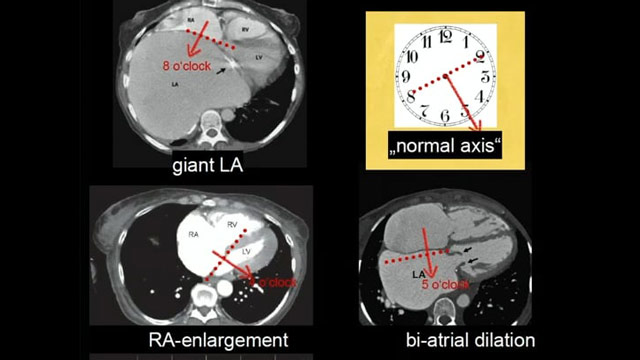
You'll explore the latest strategies for assessing and treating this condition (including advanced multimodality investigations like echocardiography, magnetic resonance and cardiac catheterisation), and learn how to evaluate cardiopulmonary interactions and...
TAVI for a lifetime
15 May 2024 – From EuroPCR 2024
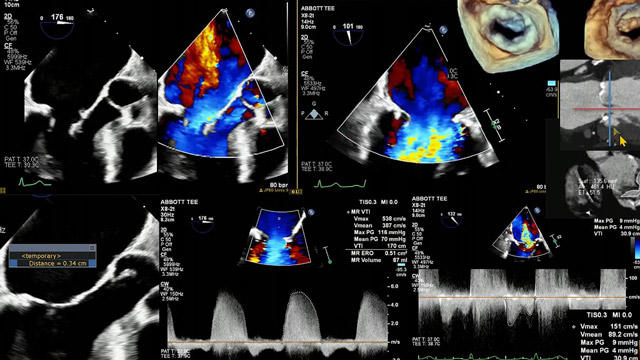
This session explores long-term aspects of TAVI, focusing on patient life expectancy and valve durability. It provides guidance on optimizing initial TAVI procedures for patients with extended life spans and offers insights into planning and performing redo TAVI. Topics include assessing life expectancy, evaluating TAVI valve...
Contemporary TAVI: the VISION of lifetime management
15 May 2024 – From EuroPCR 2024
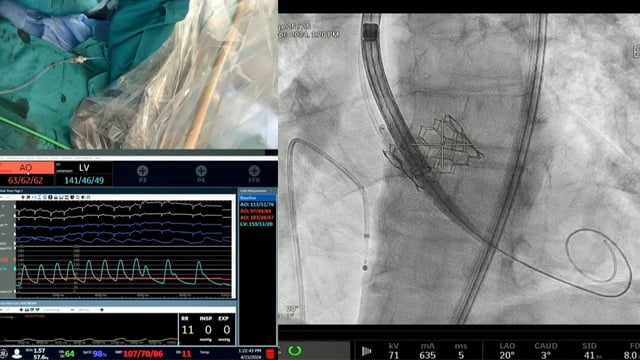
In this session, discover how pre-procedural assessment is used to optimize procedural outcomes, ensuring the best possible results for patients undergoing TAVI, learn the intricacies of selecting the most suitable valve for each individual patient, considering their unique anatomical and clinical factors, and engage in discussions...
TAVI optimisation
18 Feb 2024 – From PCR Tokyo Valves 2024
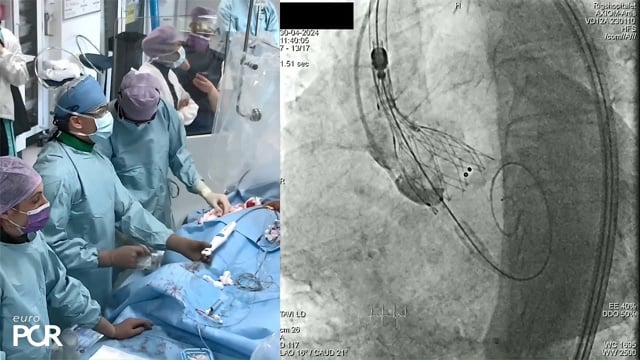
Consult this series of slides to enhance your understanding of TAVI optimisation through selected studies for PCR Tokyo Valves 2024. Learn about the prognostic value of right ventricle dysfunction after TAVR, explore a risk model in dialysis patients following TAVR, and explore the impact of age...
Managing aortic stenosis in patients with longer life expectancy
18 Feb 2024 – From PCR Tokyo Valves 2024
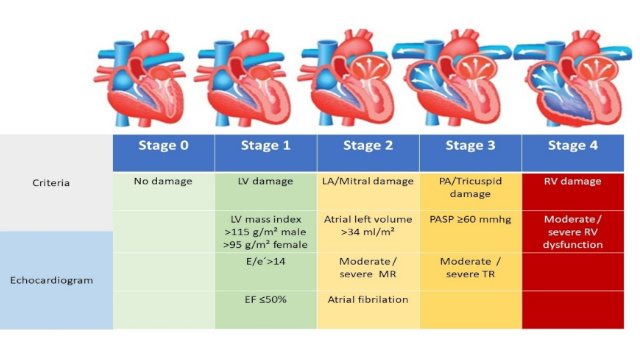
Consult this session to understand what knowledge is needed for discussions with patients concerning lifetime management of valve disease, gain insight into the importance of predictable and precise commissural and coronary alignment for lifetime management, and learn about the indication of TAV-in-TAV and THV explant.
Learn the procedure technique - Lifetime management of aortic stenosis therapy with self-expandable valve
18 Feb 2024 – From PCR Tokyo Valves 2024
In this session, learn all about the excellent characteristics of the latest self-expandable valve system and its use during the lifetime management of aortic stenosis therapy. Find out more about how we can effectively and safely perform procedures for various cases with the latest self-expandable valve,...
Imaging for aortic valve disease
18 Feb 2024 – From PCR Tokyo Valves 2024
Learn about imaging of the aortic valve system in order to better deal with aortic valve disease. Through this series of cases, explore topics such as the impact of implantation depth relative to membranous septum on TAVI outcomes, delve into a meta-analysis exploring the outcomes of...
Facilitating coronary access after TAVI
17 Feb 2024 – From PCR Tokyo Valves 2024
What are the challenges in coronary access after TAVI and what techniques may be used to facilitate it? Join this session to learn the answers to that question, as well as gaining insight into how to optimize the coronary access in the index procedure.