Khung-Keong Yeo
Latest contributions
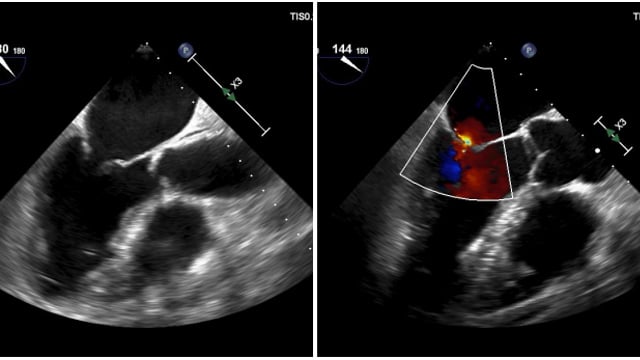
Primary mitral TEER in small anatomy - LIVE case
15 Feb 2026 – From PCR Tokyo Valves 2026
An 89-year-old male with diabetes mellitus, hypertension, chronic kidney disease (eGFR: 46), and CAD with a history of NSTEMI and CTO of the RCA, presented with symptomatic primary mitral regurgitation (P1–P2 prolapse) and preserved LV function (56%).
One Pascal ACE device was implanted.
LIVE Educational Case from Nagoya...
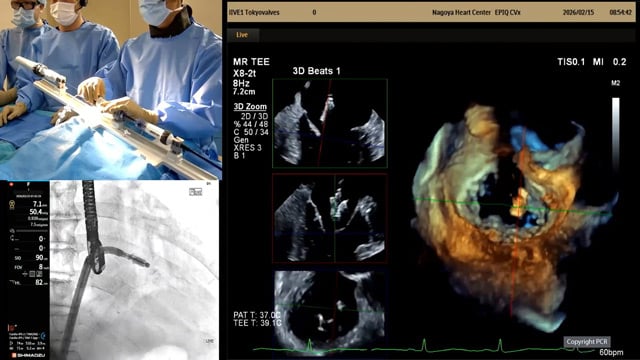
Future devices and techniques for structural heart disease
15 Feb 2026 – From PCR Tokyo Valves 2026
This session surveys the future landscape of structural heart disease treatment, addressing current limitations in transcatheter valve technologies and presenting emerging devices and techniques for aortic, mitral, and tricuspid valves. Attendees will gain insights into innovations poised to transform therapeutic options for structural heart disease.
Mastering mitral TEER: guidelines, complex cases, and Asia Pacific insights
14 Feb 2026 – From PCR Tokyo Valves 2026
Focused on mastering mitral transcatheter edge-to-edge repair (TEER), this session analyzed the 2025 ESC VHD guidelines and their clinical implications. It addressed optimal timing and treatment strategies for severe heart failure beyond the COAPT trial and explored technical solutions for complex anatomies, including customization approaches for...
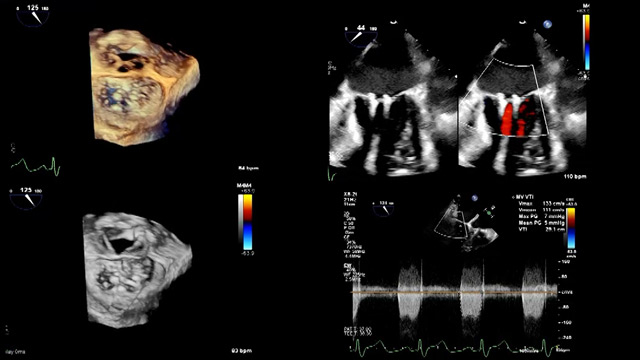
Getting ready for tricuspid TEER: key steps in building a successful programme
14 Feb 2026 – From PCR Tokyo Valves 2026
Prepare to establish a successful tricuspid TEER programme by understanding essential components such as systematic echocardiographic and clinical assessments for patient selection, procedural fundamentals, and programme development supported by clinical evidence.
Mitral TEER masterclass
14 Feb 2026 – From PCR Tokyo Valves 2026
Delve into the mitral TEER masterclass focusing on unique anatomical challenges encountered in Asian populations. This session presents complex case studies illustrating device strategies and practical techniques aimed at minimizing complications and optimizing procedural outcomes in anatomically challenging scenarios.
From GDMT to TEER: management of secondary mitral regurgitation and the timing of transcatheter intervention
18 Nov 2025 – From PCR London Valves 2025
Delve into the comprehensive management of secondary mitral regurgitation, from guideline-directed medical therapy (GDMT) to transcatheter edge-to-edge repair (TEER). This session elucidates the pathophysiology of atrial and ventricular secondary mitral regurgitation, explores optimized heart failure treatments, and reviews the latest evidence on TEER as a therapeutic...

Mastering mitral and tricuspid TEER: clinical strategies in patients with complex anatomy
17 Nov 2025 – From PCR London Valves 2025
Find out more about advanced mitral and tricuspid TEER techniques for patients with challenging anatomy. This PCR London Valves 2025 session highlights real-world approaches from the Asia Pacific region, including consensus recommendations from the Asian Pacific Society of Cardiology, strategies for simultaneous mitral TEER and left...
Mitral TEER - LIVE Case
16 Nov 2025 – From PCR London Valves 2025
Watch this live case followed by a recorded case, regarding a 75-year-old male with type 2 DM, permanent AF, and severe LV dysfunction (30%), with a history of RCA PCI one month earlier and three hospitalizations for heart failure, presented with severe secondary mitral and tricuspid...
Late-Breaking Trials in transcatheter mitral, tricuspid and aortic interventions - Part 1
16 Nov 2025 – From PCR London Valves 2025
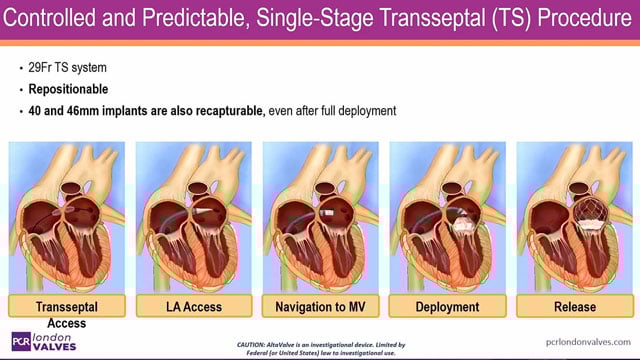
This session presents pivotal late-breaking trials in transcatheter mitral and aortic valve interventions. Explore one-year outcomes from the AltaValve early feasibility study featuring atrial fixation TMVR, interim results from the TARGET study assessing Cardiovalve for tricuspid regurgitation, five-year data on transapical TMVR, and outcomes of TAVI...
M-TEER for challenging anatomy
09 Feb 2025 – From PCR Tokyo Valves 2025
Delve into the world of M-TEER for challenging anatomies. Understand the types of complex anatomies, the associated risks of complications, and learn how to select the appropriate TEER strategy for patients with small left atria, large gaps, and giant left atria. Gain valuable insights to optimize...
More possibilities in TEER - Treatment of degenerative mitral regurgitation
09 Feb 2025 – From PCR Tokyo Valves 2025
Through case reviews, explore the latest advancements in transcatheter edge-to-edge repair (TEER) for degenerative mitral regurgitation. Discover how a novel TEER device expands treatment possibilities, offering predictable and durable results.
Maximising the potential of MitraClip in TEER therapy
08 Feb 2025 – From PCR Tokyo Valves 2025
Explore the latest advancements in TEER therapy with this PCR Tokyo Valves 2025 session dedicated to MitraClip. Through expert-led case discussions, gain a deeper understanding of complex scenarios, including restricted posterior leaflet in functional mitral regurgitation, commissure lesion (A3P3), and MitraClip combined with Amulet.
This session also...
Future devices for structural heart interventions
08 Feb 2025 – From PCR Tokyo Valves 2025
Get a glimpse into the future of structural heart interventions! This PCR Tokyo Valves 2025 session dives into the latest innovations in imaging and explores groundbreaking devices for mitral and tricuspid valve treatments. Watch as experts discuss how these advancements are set to reshape clinical practice.
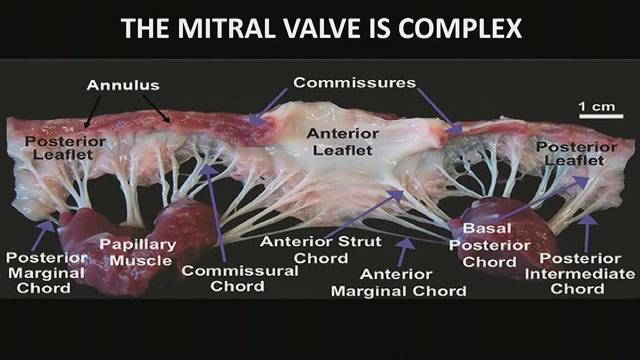
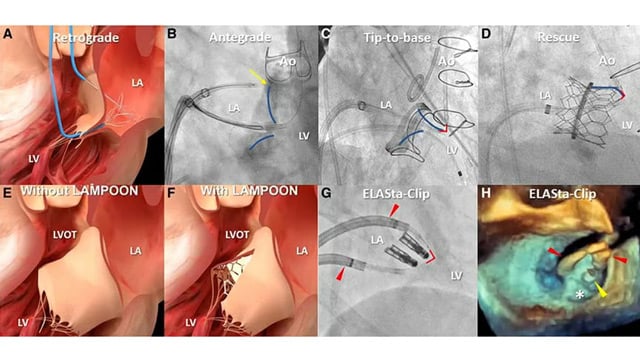
Transcatheter mitral intervention for failed surgical valves and rings - The toolkit
26 Nov 2024 – From PCR London Valves 2024
Looking to enhance your approach to failed surgical mitral valves and rings? This video is a must-watch!
You’ll explore patient selection, master the steps of mitral valve-in-valve and valve-in-ring procedures, and learn strategies like valve cracking and LAMPOON to overcome key challenges.
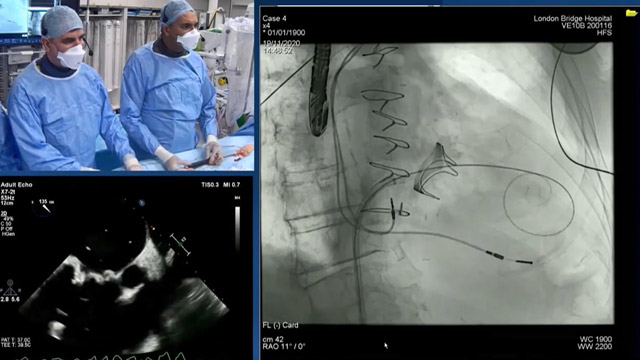
Advanced imaging in tricuspid TEER - LIVE case
26 Nov 2024 – From PCR London Valves 2024
Watch a LIVE case followed by a recorded case on how to use imaging in tricuspid TEER:
- A 64-year-old male with a history of CABG and COPD, ICD implantation (2013) mitraclip (2018) and poor LV function (25%), presented a torrential functional tricuspid regurgitation. The operators implanted 2...
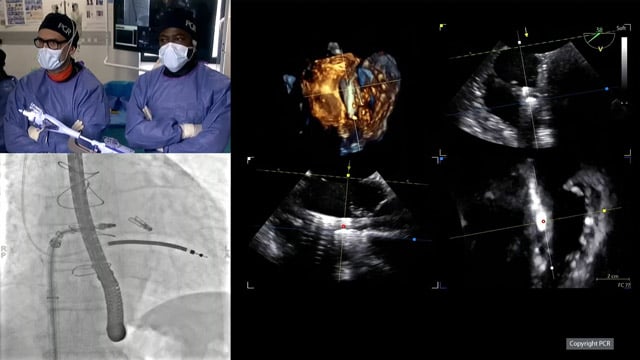
The top clinical cases in interventional cardiology
25 Nov 2024 – From PCR London Valves 2024
Curious about the latest in interventional cardiology? Don't miss this video!
You'll discover groundbreaking techniques for complex conditions, from treating mitral regurgitation after healed endocarditis to repairing the tricuspid valve in dextrocardia. You'll also see the latest advances (including the SAPIEN 3 Tendyne device) and gain expert...
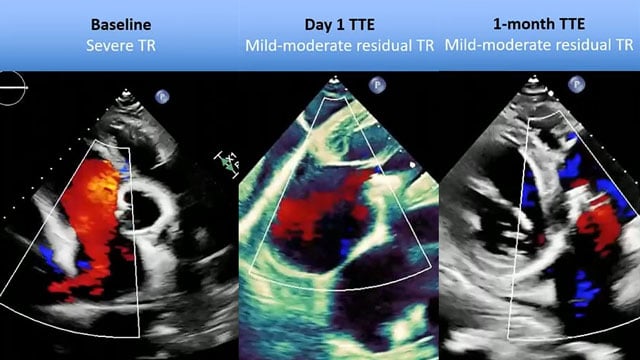
Featured cases - Challenging tricuspid interventions (Part 1)
24 Nov 2024 – From PCR London Valves 2024
Immerse yourself in a captivating collection of featured cases showcasing the latest advances in transcatheter tricuspid valve interventions. Witness groundbreaking techniques, including the first TTVR designed to reduce afterload mismatch, the management of atrial embolization, and the use of intracardiac echocardiography. Explore complex anatomies, failed prior...
Advanced mitral TEER - LIVE case
Recommended by PCR
24 Nov 2024 – From PCR London Valves 2024
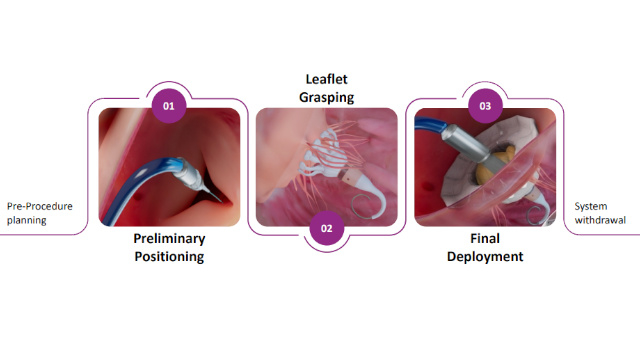
Join us for a LIVE case followed by a recorded case highlighting advanced treatments for severe secondary mitral regurgitation:
- A 75-year-old man with permanent AF, a history of CABG, and symptomatic severe secondary MR (atrial and ischemic causes) with low LV function (45%) underwent mitral repair with...
Complications in women: crash and burn or crash and save
05 Oct 2024 – From AICT-AsiaPCR 2024
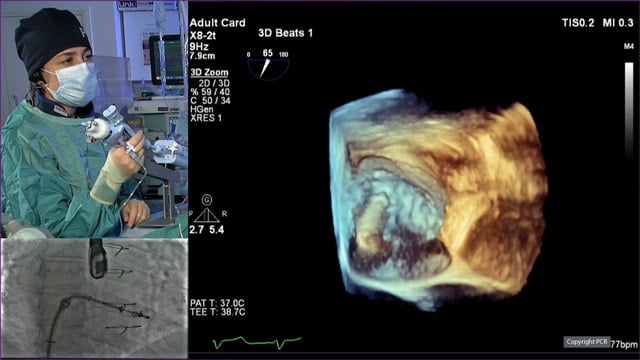
Complications can arise even in the most experienced hands. This session explores a series of challenging cases involving women, from a detached mitral clip to a calcified vessel perforation. Witness the crash and burn moments, but also the heroic crash and save interventions, as our experts...
Nightmare in mitral valve interventions: sharing solutions together
18 Feb 2024 – From PCR Tokyo Valves 2024
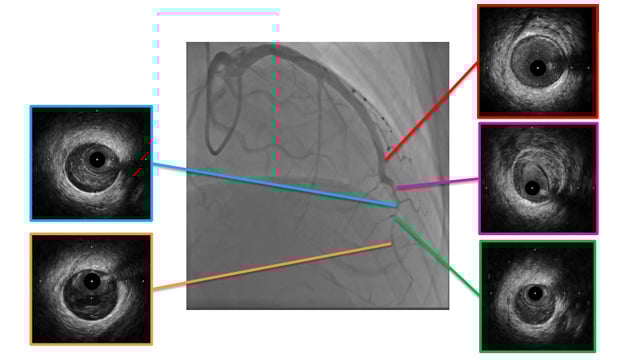
This selection of cases showcase nightmare scenarios during mitral valve interventions. Find out what difficulties might arise during MitraClip procedure, and learn how to prevent complications through optimal treatments and bailouts.
Tailoring the TEER for an Asian patient
17 Feb 2024 – From PCR Tokyo Valves 2024
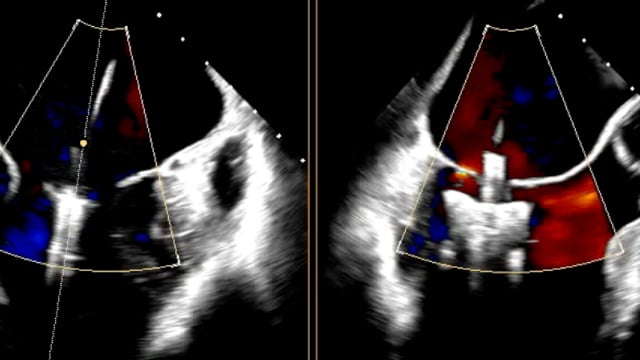
In this special session sponsored by Abbott, stay up to date with the latest real-world data from the EXPAND G4 study, understand the challenges that Asian heart anatomy presents for TEER therapy, and learn how the four clip sizes of the G4 MitraClip system can be...
Challenges in TEER for secondary mitral regurgitation
17 Feb 2024 – From PCR Tokyo Valves 2024
Explore this session on secondary mitral regurgitation to understand the ideal case predictors gleaned from trials like EVEREST, COAPT, or MITRA-FR, delve into patient selection conundrums, including optimal medical therapy, examine technical challenges posed by atrial functional mitral regurgitation, and gain insights into TEER techniques for...
Challenging case in mitral valve intervention
19 Feb 2023 – From PCR Tokyo Valves 2023
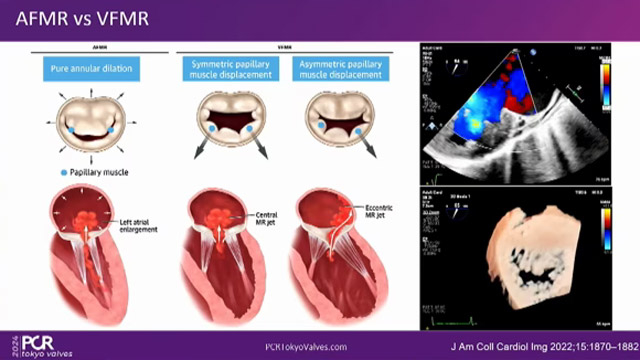
Consult this session to discover challenging mitral valve cases. Learn to anticipate challenging anatomy, determine optimal timing for MitraClip, and witness changes in degenerative and functional mitral regurgitation procedures.
PCR Tokyo Valves 2023 Closing Ceremony
19 Feb 2023 – From PCR Tokyo Valves 2023
This closing ceremony of the 2023 edition of the PCR Tokyo Valves is the occasion to unveil the results of the best abstract and best case competitions and to congratulate the finalists. It is also the moment to take stock of this excellent edition, to thank...
Transcatheter repair for complex degenerative mitral regurgitation - LIVE case
18 Feb 2023 – From PCR Tokyo Valves 2023
An 83-year-old female with chronic kidney disease, RBBB, has severe mitral regurgitation due to P2 prolapse and preserved LV function (69 %).
The operators decide to implant 1 XTW clip, guided by TEE and left atrial pressure.
LIVE Case from Kokura Memorial Hospital Kitakyushu, Japan
Navigate the video by...

Expanding the spectrum of TEER suitability
18 Feb 2023 – From PCR Tokyo Valves 2023
Join this session to delve into diverse Transcatheter Edge-to-Edge Repair (TEER) scenarios, covering optimal patient groups for MitraClip therapy, insights from the EXPAND G4 study and the meticulous choice of four clip sizes for varying valve anatomies.
Mitral edge-to-edge repair: surgical and transcatheter approaches - LIVE case
29 Nov 2022 – From PCR London Valves 2022
Learn from these 2 cases of primary mitral repair using percutaneous and surgical approaches:
- LIVE case - A 90-year-old male with history of LAD PCI 23 years ago and paroxysmal atrial fibrillation presents a primary mitral regurgitation (P2 prolapse) on mildly dilated LV and preserved LV function.
The operators...
Treatment of multi-valve disease
29 Nov 2022 – From PCR London Valves 2022
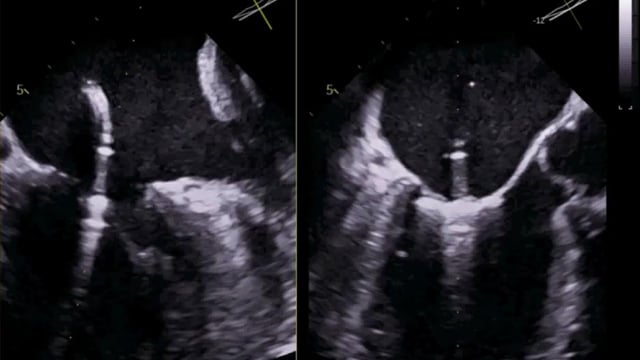
Get a look at these presentations to learn more about the basic haemodynamic interactions between different valve lesions, the existing surgical standards (and evolving transcatheter standards) for the treatment of multi-valve disease, and to discover a selection of cases that demonstrate the importance of clear indications and appropriate timing...
Transcatheter edge-to-edge mitral valve repair step by step: from transseptal puncture to procedural success
28 Nov 2022 – From PCR London Valves 2022
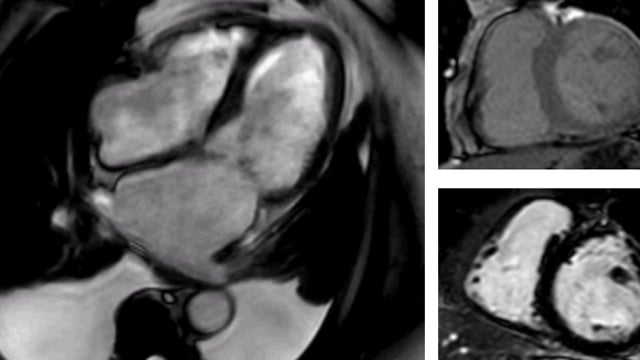
Consult this session to learn how to perform a mitral transcatheter edge-to-edge repair procedure from start to finish, to learn more about currently available devices and which one to use in specific patients, and to understand how optimal procedural imaging and device steering determine the best...
Primary mitral regurgitation: key imaging requirements for diagnosis and procedural planning
27 Nov 2022 – From PCR London Valves 2022
In this session, find out more about the most common types of primary mitral regurgitation and methods for their evaluation, the principal indications for intervention, as well as the available modes of therapy (surgical/transcatheter) and most appropriate choices for individual patients.