


309 results
Asymptomatic high-risk patients: can CT coronary angiography improve our practice?
21 May 2026 – From EuroPCR 2026
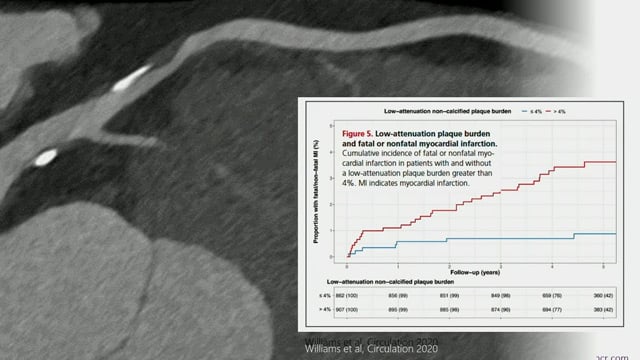
This session examines the role of cardiac computed tomography (CT) coronary angiography in improving clinical practice for asymptomatic high-risk patients. It discusses detection of vulnerable plaque features, the importance of inflammation and physiology in risk assessment, and explores individualized treatment pathways including PCI, medical therapy, or...
Incorporating CT coronary angiography in the cathlab practice
21 May 2026 – From EuroPCR 2026
Explore the integration of CT coronary angiography into catheterization laboratory practice through real-world studies assessing anatomical yield, diagnostic accuracy, and physiological assessments. The session highlights advancements in myocardial blood flow analysis and plaque characterization to improve ischemia detection and guide invasive angiography.

ARTICA: Coronary revascularisation in patients undergoing TAVI - an individual patient data meta-analysis of 4 randomised trials
21 May 2026 – From EuroPCR 2026
At EuroPCR 2026, Martin Leon and Roberto Scarsini review ARTICA, a patient-level meta-analysis combining data from the ACTIVATION, NOTION-3, FAITAVI, and TCW randomised trials.
The analysis included 1,050 patients with severe aortic stenosis and concomitant coronary artery disease and compared three management strategies: medical therapy, angiography-guided PCI,...

Management of stable CAD
20 May 2026 – From EuroPCR 2026
This session provides an in-depth review of current management strategies for stable coronary artery disease (CAD). Topics include angiographic predictors influencing PCI efficacy in stable angina, comparative outcomes of immediate versus staged PCI, and analyses of treatment approaches for significant left anterior descending artery disease. The...

Insight from recent evidence in structural heart disease: indications for LAA closure (CHAMPION) and PCI in TAVI candidates (PRO-TAVI)
20 May 2026 – From EuroPCR 2026
This session reviews recent evidence impacting the management of structural heart disease, focusing on left atrial appendage (LAA) closure indications and PCI considerations in transcatheter aortic valve implantation (TAVI) candidates. It discusses optimal strategies for coronary artery disease in TAVI patients and evaluates findings from the...
Best cases in stable CAD
20 May 2026 – From EuroPCR 2026
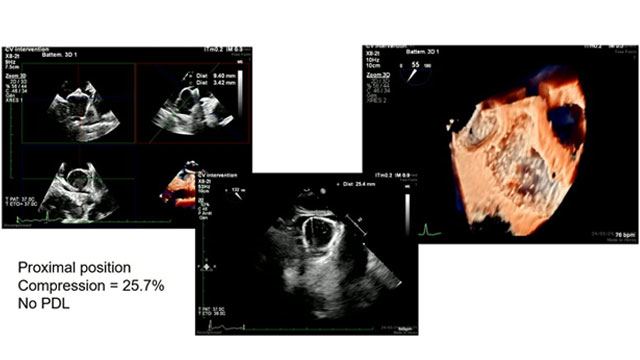
This session showcases exemplary cases in stable coronary artery disease, emphasizing complex diagnostic and therapeutic challenges such as ambiguous angiographic findings, refractory vasospastic angina, catastrophic no-reflow phenomena, and the application of physiology-guided PCI and coronary sinus reducers.
Complications in CAD PCI
20 May 2026 – From EuroPCR 2026
This session focuses on the recognition and management of complications during coronary artery disease PCI. It includes cases of acute guide catheter crises, rare post-PCI chest pain etiologies, innovative stent retrieval techniques, and critical procedural challenges, providing an educational journey through complex complication management.
PCR's Got Talent Round 1 - Session 1
19 May 2026 – From EuroPCR 2026
This dynamic session from PCR's Got Talent Round 1 presents a diverse array of cutting-edge research and clinical findings. Topics include the influence of local and systemic inflammation on PCI outcomes, adherence to OCT-guided PCI metrics, comparative guidance strategies using angiography-derived FFR and IVUS, and the...
Artificial intelligence-powered precision: CT-guided PCI and the future of image-guided therapy
19 May 2026 – From EuroPCR 2026
Image-guided PCI is entering a new era, driven by artificial intelligence and advanced CT technologies that are reshaping how coronary interventions are planned and performed.
This EuroPCR 2026 session explores the integration of photon-counting CT into PCI workflows, highlighting its improved spatial resolution, enhanced plaque characterisation and...
Artificial intelligence and advanced imaging in coronary interventions
19 May 2026 – From EuroPCR 2026
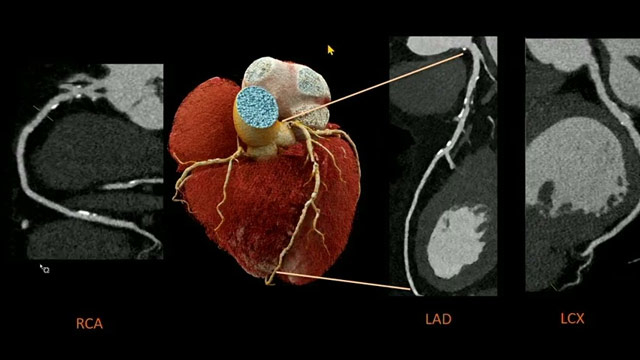
This session explores the integration of artificial intelligence with advanced imaging modalities in coronary interventions. Topics include quantitative myocardial blood flow assessment via co-registered CCTA and angiography, AI-guided real-time procedural support, novel video frame interpolation techniques, high-risk plaque identification through AI-derived OCT stress mapping, and validation...