225 results
Modern approach to tackle rocky roads
02 Jun 2026
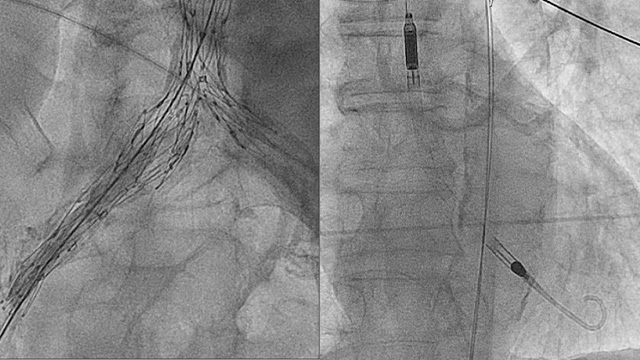
Complex PCI of a calcified vessel in a 72-year-old gentleman with NSTEACS and markedly reduced LV function.
This case highlights how to tackle a challenging access and a difficult coronary lesion in a patient with scarce hemodynamic reserve.
Author
Author

Author
Shockwave C2 Aero: Early experience in complex calcified coronary lesions
27 May 2026
Dr. Yousif Ahmad and Dr. Brett Wanamaker discuss how improved deliverability may influence calcium modification strategies in complex PCI.
In this case-based discussion, Dr. Yousif Ahmad and Dr. Brett Wanamaker share their early experience with Shockwave C2 Aero in complex calcified coronary anatomy. Through challenging real-world cases,...
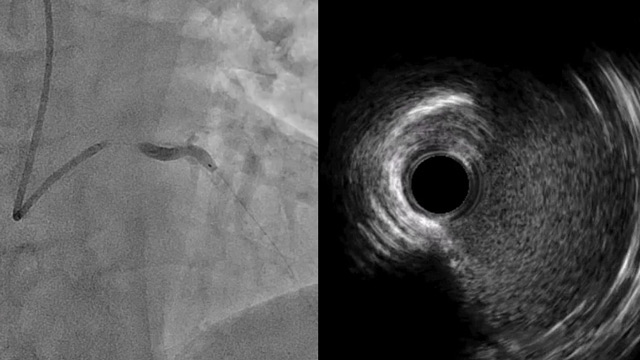
Overcoming challenging anatomy in calcified lesion PCI
22 May 2026 – From EuroPCR 2026
This session focuses on overcoming the challenges posed by complex anatomical variations in calcified lesion PCI. Experts present advanced techniques and hybrid solutions for difficult bifurcation angles, aorto-ostial lesions, and other complex scenarios, emphasizing both innovative and simplified approaches to achieve procedural success.

Euro4C strides forward with a new president
21 May 2026
Euro4C – the Contemporary Care of patients with Calcified Complex lesions initiative – aims to improve clinical outcomes for patients with advanced, diffuse and calcified atherosclerotic CAD.
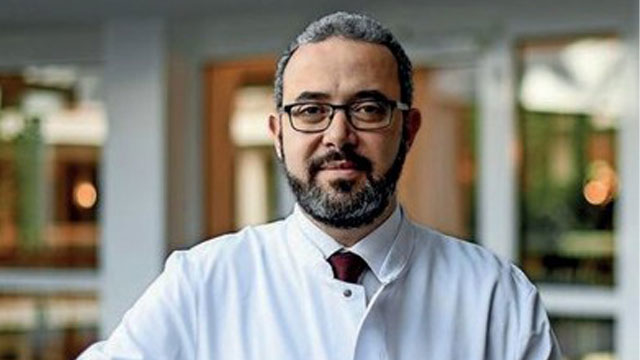
What is the future of intracoronary imaging for assessment of calcified lesions?
21 May 2026 – From EuroPCR 2026
In this conversation, Angela McInerney and Ziad Ali explore the evolving role of imaging in calcified coronary artery disease, the growing evidence supporting intracoronary imaging, particularly OCT and IVUS, and how detailed plaque characterisation and scoring systems can improve procedural planning and outcomes. Looking ahead, they...
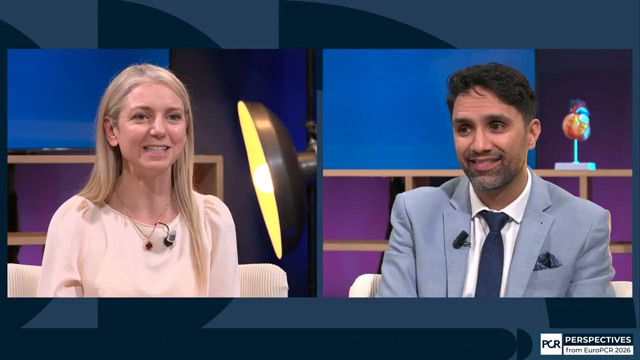
How are the FRACTURE IDE trial results on laser-based intravascular lithotripsy going to impact the management of calcified lesions?
19 May 2026 – From EuroPCR 2026
Evald Christiansen and Margaret McEntegart review the results of the FRACTURE IDE trial which evaluated a novel optical laser-based intravascular lithotripsy (IVL) system for the treatment of severely calcified coronary lesions. The study demonstrated high rates of procedural success and safety, with low rates of clinically...
Contemporary approach in the treatment of calcified coronary artery disease
28 Feb 2026 – From Euro4C Annual Meeting 2026
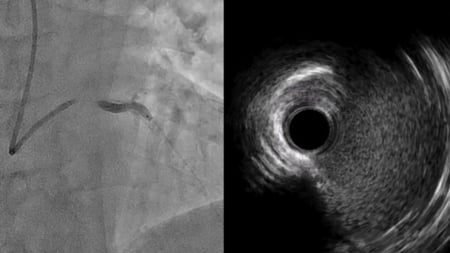
Adopt a contemporary approach to managing calcified coronary artery disease by leveraging high-definition IVUS for lesion assessment and morphology evaluation. Learn to tailor calcium modification strategies based on IVUS findings and combine available tools to optimize treatment outcomes according to patient and lesion profiles.
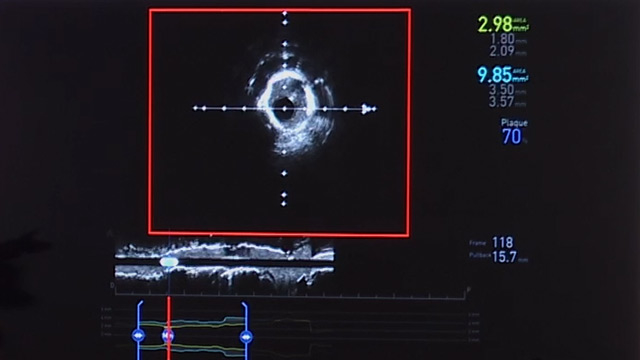
Mechanical circulatory support protected PCI in complex calcified patients
28 Feb 2026 – From Euro4C Annual Meeting 2026
Explore the critical role of mechanical circulatory support with Impella in complex calcified patients undergoing PCI. This session delves into patient selection criteria, reviews the latest evidence, and discusses strategies to prevent and manage device-related complications, supported by case presentations focusing on imaging analysis, vascular access...
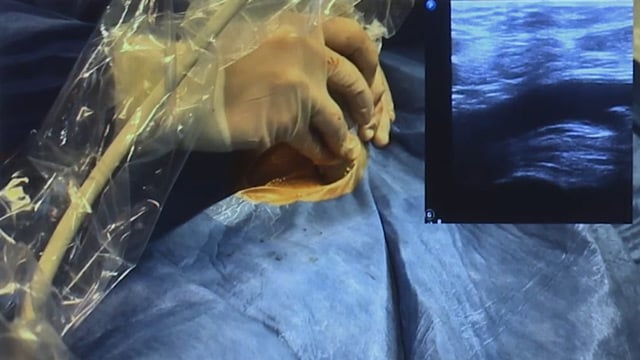
Plaque modification in different lesions types: nodular, long lesions, tortuous lesions, bifurcations
28 Feb 2026 – From Euro4C Annual Meeting 2026
Explore advanced plaque modification strategies tailored to diverse lesion types such as nodular, long, tortuous lesions, and bifurcations. Delve into approaches for managing under-expanded stents and calcified nodules, supported by evidence including results from the French orbital atherectomy registry.
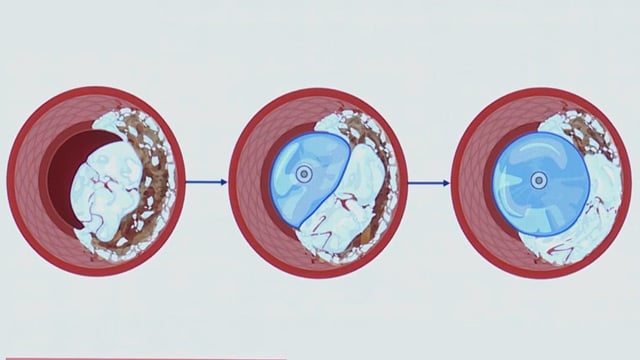
How to avoid and manage complications
28 Feb 2026 – From Euro4C Annual Meeting 2026
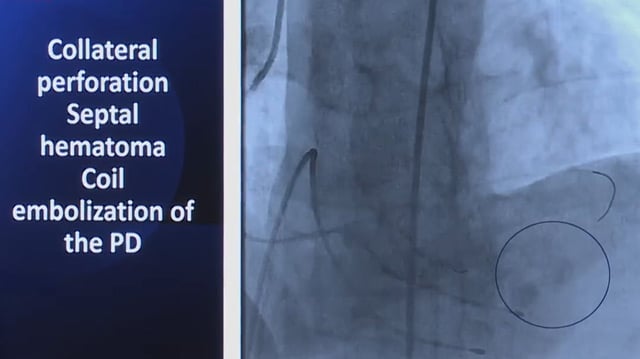
Build a comprehensive complication-management toolbox tailored for PCI in heavily calcified vessels. This session covers prevention and management techniques for complications arising from severely calcified lesions, illustrated by practical cases and expert insights into risky lesions and challenging devices.