3650 results for «750»
3650 results
A journey into the ANOCA and INOCA dilemma
21 May 2025 – From EuroPCR 2025
Explore the complex clinical dilemma of ANOCA and INOCA with focus on angina endotypes, prognostic stratification, metabolic phenotype associations, and microvascular function assessment using indices such as microcirculatory resistance and microvascular resistance reserve.
Hotline TAVI 1: extended analysis of the randomised trials
21 May 2025 – From EuroPCR 2025
Gain comprehensive insights from extended analyses of randomized TAVI trials. This session reviews five-year UK TAVI outcomes, cardiac damage evolution in asymptomatic aortic stenosis, one-year results from the LANDMARK trial, and three-year comparisons of balloon-expandable valves, highlighting critical clinical implications.
PCR's Got Talent - Round 2 - Session 2
21 May 2025 – From EuroPCR 2025
Experience a dynamic showcase of emerging talents and innovative cases in interventional cardiology during PCR's Got Talent Round 2 Session 2. This session highlights cutting-edge techniques and clinical insights from rising experts in the field.
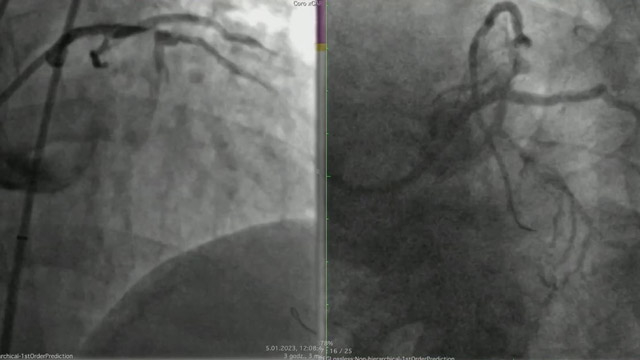
How to avoid and manage complications in CTO interventions
21 May 2025 – From EuroPCR 2025
Learn how to anticipate, prevent, and manage complications during complex CTO interventions. This session presents real-world cases including donor artery dissection, main and distal vessel perforations, and the importance of teamwork in the cath lab for successful complication management.
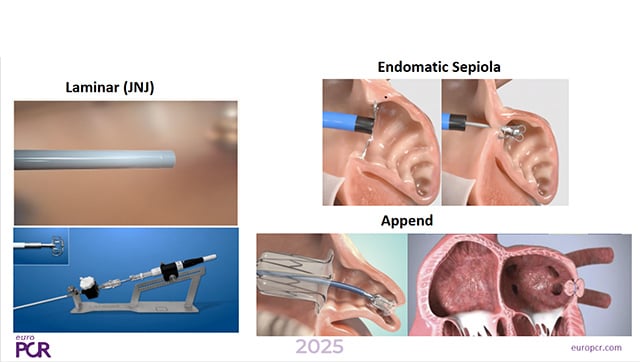
Academic Research Consortium on LAA closure
21 May 2025 – From EuroPCR 2025
Gain comprehensive understanding of the Academic Research Consortium's achievements in left atrial appendage (LAA) closure. Learn how standardized endpoints are streamlined for randomized controlled trials and how collaborative efforts homogenize definitions to advance clinical research.
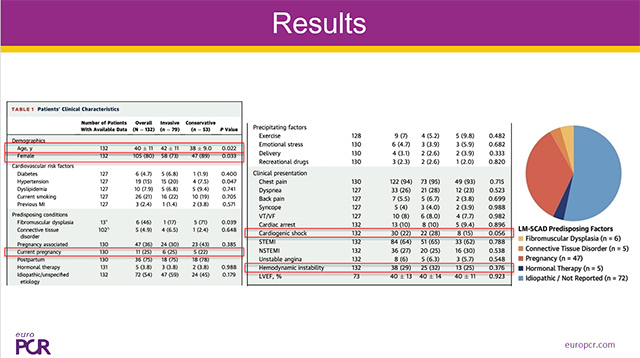
Clinical outcomes of left main PCI
21 May 2025 – From EuroPCR 2025
This session reviews clinical outcomes of left main PCI in various contexts including ACS, complex lesion risk stratification with BCIS-CHIP score, and spontaneous coronary artery dissection. It also compares double-stent techniques and examines five-year results to guide clinical decision-making.
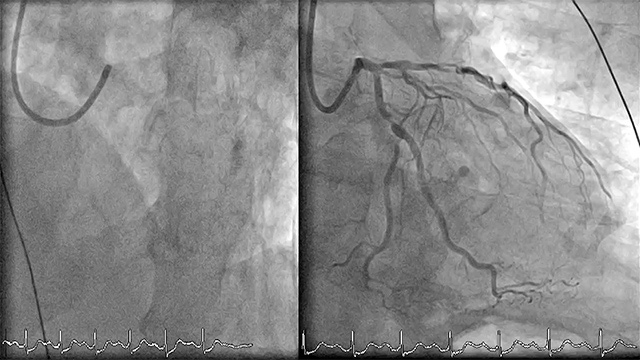
Primary PCI for STEMI – Optimising outcomes
21 May 2025 – From EuroPCR 2025
Optimize primary PCI outcomes for STEMI patients by integrating state-of-the-art techniques and coronary physiology insights. The session includes case discussions highlighting treatment strategies and key learnings to enhance clinical practice.
New devices for structural interventions
21 May 2025 – From EuroPCR 2025
Discover emerging devices transforming structural heart interventions. This session highlights biomimetic valve designs, new transcatheter aortic valve systems, novel devices for aortic insufficiency, leaflet resection, left atrial appendage closure, and short self-expanding TAVR valves with promising early results.
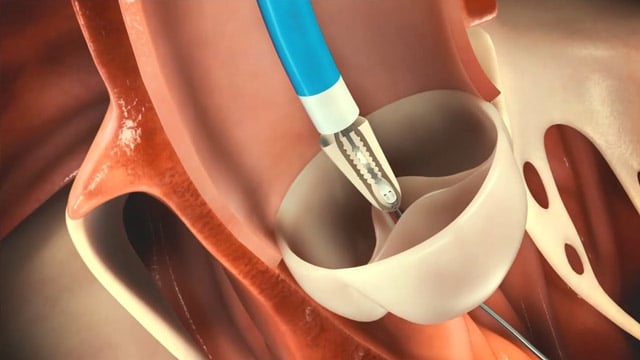
DES and DCB for bifurcation treatment
21 May 2025 – From EuroPCR 2025
Examine the use of drug-eluting stents (DES) and drug-coated balloons (DCB) in bifurcation lesion treatment. This session compares devices, analyses DAPT duration, and evaluates side branch optimization to inform best practices in bifurcation PCI.
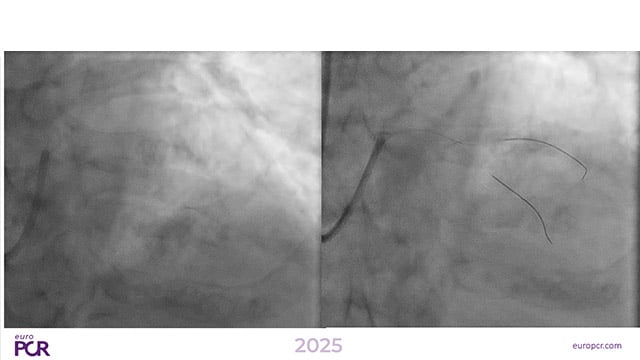
How should I treat this vulnerable plaque?
21 May 2025 – From EuroPCR 2025
Learn to identify and manage vulnerable plaque using intracoronary imaging. This session covers detection techniques, clinical implications, current evidence for treatment, and case-based insights to improve patient outcomes through targeted intervention.
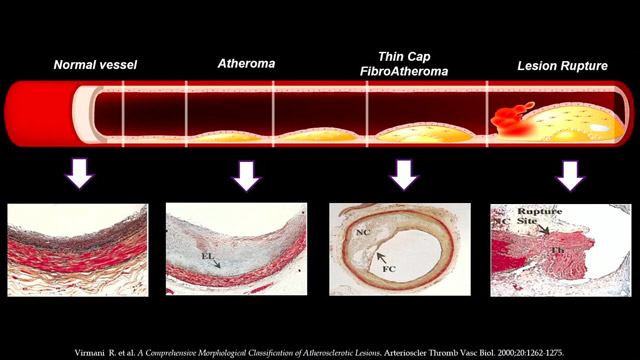
Career and recognition for nurses and allied professionals in the cathlab: where are we?
21 May 2025 – From EuroPCR 2025
Explore the career landscape and recognition pathways for nurses and allied professionals in the cathlab. This session highlights workforce development, extraordinary career opportunities, and inspirational interviews to guide professional growth and empowerment.
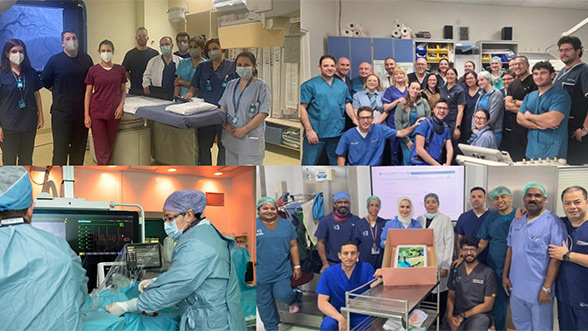
Valve-in-valve TAVI
21 May 2025 – From EuroPCR 2025
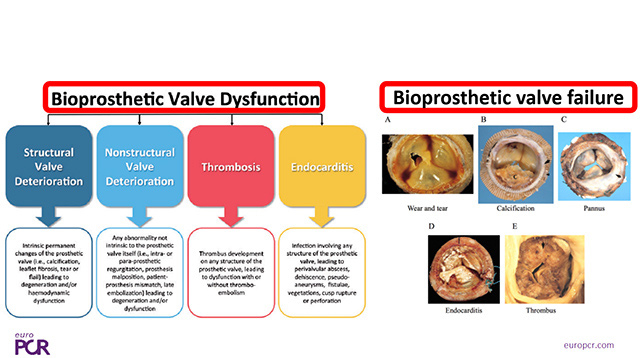
Explore valve-in-valve TAVI strategies for patients with degenerated surgical valves, focusing on small aortic annuli. This session covers the impact of valve design and implant techniques, valve fracturing methods, procedural outcomes of repeat TAVI, and mid-to-long-term results from the ACCURATE NEO 2 study.
New diagnostic and therapeutical tools in the coronary field
21 May 2025 – From EuroPCR 2025
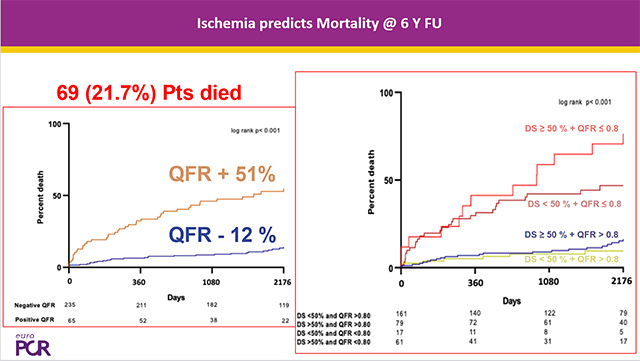
Explore the latest advancements in diagnostic and therapeutic tools in coronary interventions. This session covers a range of innovative topics including the prognostic impact of QFR-based complete versus incomplete revascularisation, hybrid perfusion quantification with cardiac CT and echocardiography, clinical validation of AI-assisted coronary angiography, national audit...

PCR's Got Talent - Round 2 - Session 1
21 May 2025 – From EuroPCR 2025
PCR's Got Talent Round 2 Session 1 showcases emerging talents and innovations in interventional cardiology, highlighting promising advancements and expert insights shaping the future of cardiovascular interventions.
Imaging coronary artery disease – New frontiers
21 May 2025 – From EuroPCR 2025
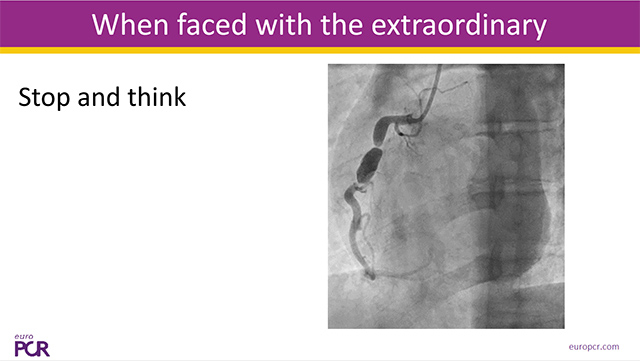
Delve into new frontiers in imaging coronary artery disease, shifting focus from ischemia to plaque characteristics for revascularisation decisions. This session highlights the pivotal role of intracoronary imaging in understanding complex vessel anatomy and planning treatment, illustrated through detailed case studies showcasing unusual anatomies requiring tailored...
Hostile access for TAVI procedure
21 May 2025 – From EuroPCR 2025
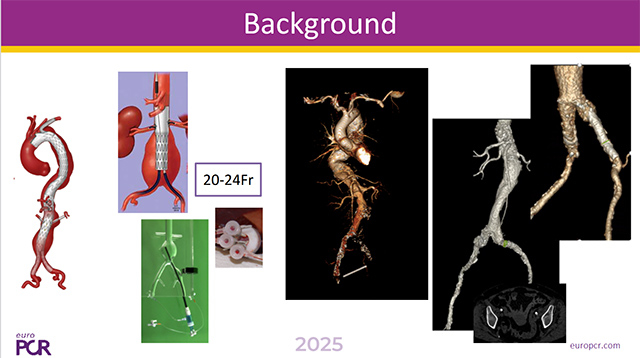
This session addresses the challenges of hostile vascular access in TAVI procedures. Learn to identify difficult access sites through pre-operative imaging, explore alternative approaches such as axillary access, techniques to overcome iliac access difficulties, and management of peri- and post-operative complications by vascular surgeons.
A mindset shift in the cathlab: leveraging contemporary technologies for planning and guiding PCI in complex patients
22 May 2025 – From EuroPCR 2025
This session examines evolving catheterisation lab workflows, highlighting how integrated imaging, physiology, and procedural strategies are reshaping PCI practices. Speakers emphasize the importance of advanced pre-procedural planning using modalities such as intravascular ultrasound (IVUS) to optimise stent deployment, and cardiac computed tomography angiography (CCTA) to improve diagnosis...
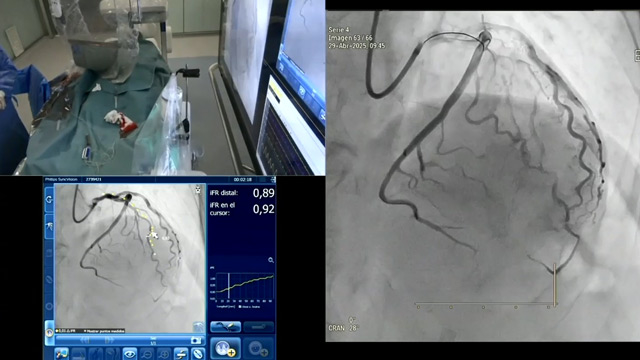
A simple low profile solution to the pulmonary embolism problem: EKOS
21 May 2025 – From EuroPCR 2025
Discover a streamlined approach to pulmonary embolism treatment in this EuroPCR 2025 session. Learn how ultrasound-assisted thrombolysis improves right ventricular function and pulmonary perfusion while enabling timely reperfusion with low-dose thrombolytic therapy delivered directly to the clot. Explore the latest data from the HI-PEITHO randomised trial...
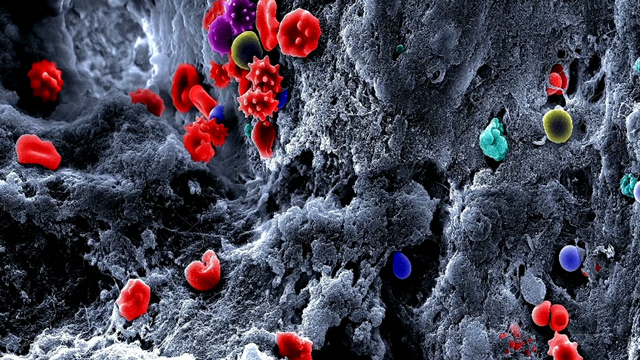
Active posterior leaflet replacement - A novel transcatheter approach for the treatment of primary and secondary mitral regurgitation
21 May 2025 – From EuroPCR 2025
Find out more about an innovative transcatheter strategy for managing both primary and secondary mitral regurgitation in this EuroPCR 2025 session. Experts introduce the concept of active posterior leaflet replacement and present the Polares MRace device—a novel solution designed to address the limitations of current therapies....
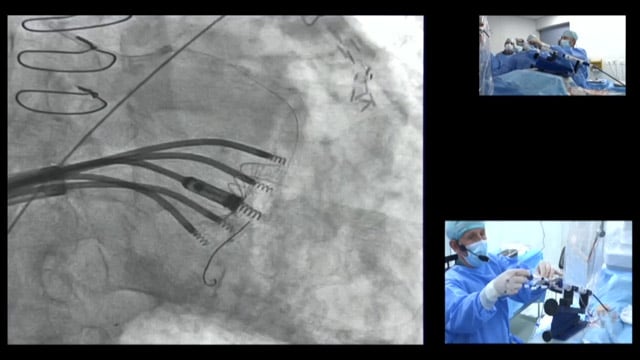
Advanced imaging in structural heart disease interventions
20 May 2025 – From EuroPCR 2025
This EuroPCR 2025 session brings together expert insights on the evolving role of 3D intracardiac echocardiography (ICE) in procedures like LAA closure, Mitral TEER, and Tricuspid TEER—highlighting how this advanced modality is reshaping procedural guidance.
You'll also discover how AI-enabled device detection technology is being integrated into...