3644 results for «701»
3644 results
CTO PCI: from planning to execution
16 May 2024 – From EuroPCR 2024
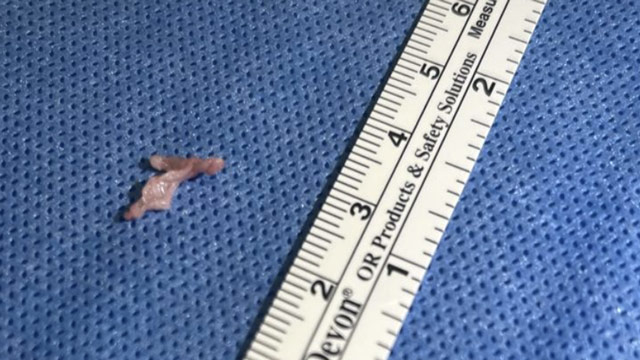
This session, with the collaboration of the Cyprus Society of Cardiology / Cyprus Interventional Cardiology Working Group, Tunisian Group for Interventional Cardiology and Bulgarian Society of Interventional Cardiology, covers planning and execution of CTO PCI procedures. It includes case discussions on treatment dilemmas, overcoming frequently encountered...
Mitral and tricuspid hotline
16 May 2024 – From EuroPCR 2024
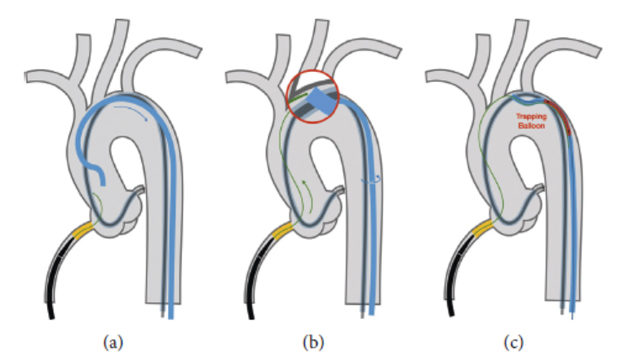
This session provides updates on the latest developments in transcatheter mitral and tricuspid valve interventions. Key topics include one-year outcomes of the MiCLASP study on transcatheter mitral repair, the impact of residual mitral and tricuspid regurgitation after transcatheter repair, and the early feasibility of the AltaValve...
PCI of bifurcation lesions: management of complications - Part 1
16 May 2024 – From EuroPCR 2024
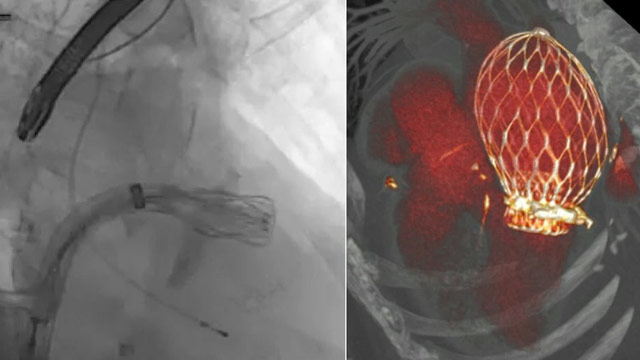
Explore strategies for managing complex PCI of bifurcation lesions through case discussions. From stent deformation and delicate diagonal wiring to wire fracture with snare failure, decoiled coronary guidewires, misplaced stents, spontaneous coronary artery dissection, and late tamponade after PCI, this session covers how to effectively respond...
Management of PCI complications - Part 1
16 May 2024 – From EuroPCR 2024
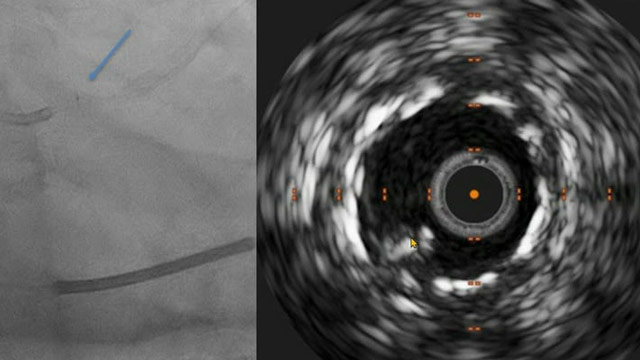
This session comprises a series of selected EuroPCR 2024 Clinical Case submissions, focusing on the management of various PCI complications. Participants will explore cases involving coronary physiology challenges, iatrogenic compressive coronary intramural hematoma, misbehaving stents, catheter-induced dissections, and device malfunctions, along with the corresponding bailout techniques...
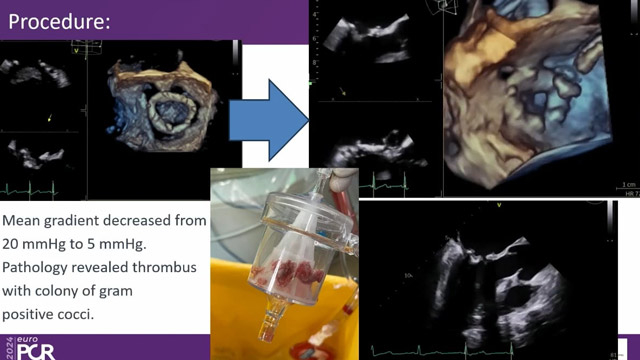
From machine learning to redo-TAVR: Pioneering abstracts unveiled
16 May 2024 – From EuroPCR 2024
This session features selected abstract submissions from EuroPCR 2024, showcasing the latest innovations and research in interventional cardiology. The presenters will have the opportunity to share their work and receive feedback from the audience, fostering collaboration and the exchange of ideas within the interventional cardiology community.
TAVI: procedural complications - Part 1
17 May 2024 – From EuroPCR 2024
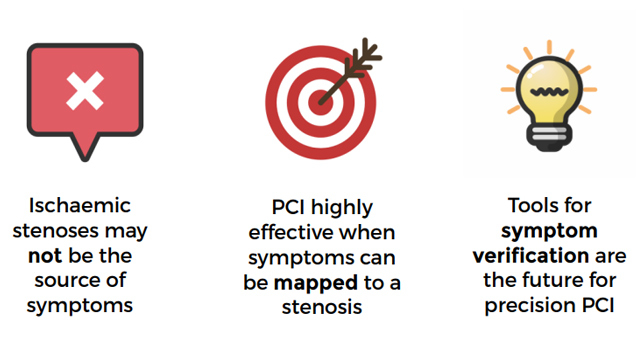
This session, comprising selected EuroPCR 2024 Clinical Case submissions, focuses on the management of various procedural complications that can arise during Transcatheter Aortic Valve Implantation (TAVI). Participants will delve into cases involving unexpected outcomes, such as nosecone-related issues, dysphagia and haematemesis, and frozen leaflets in self-expanding...
First results of randomised trials on advanced plaque modification techniques and intracoronary imaging
16 May 2024 – From EuroPCR 2024
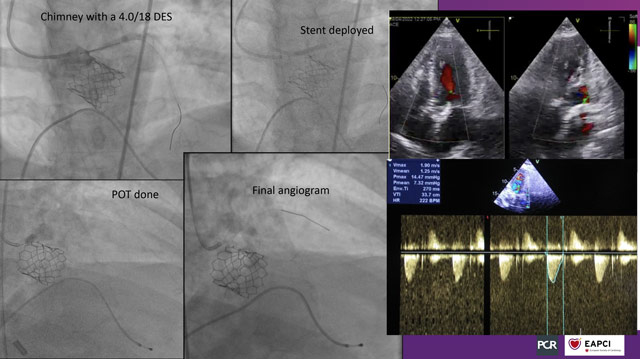
This session presents the first results of randomized trials investigating the use of advanced plaque modification techniques, such as rotational atherectomy, lithotripsy, and laser atherectomy, as well as the role of intracoronary imaging (OCT and IVUS) in guiding percutaneous coronary intervention (PCI). The session aims to...
Mastering the recovery of lost stents in PCI
17 May 2024 – From EuroPCR 2024
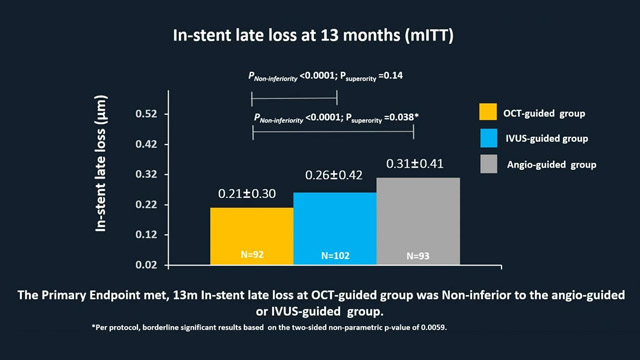
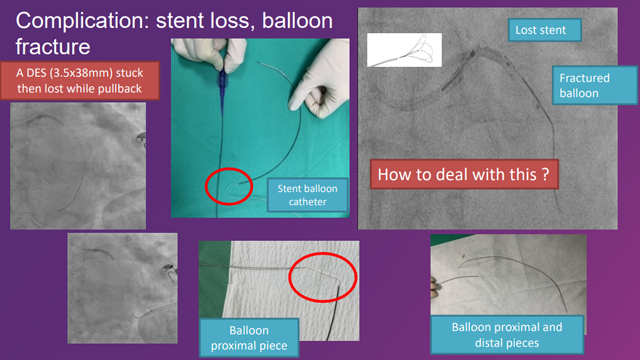
This session, comprising selected EuroPCR 2024 Clinical Case submissions, focuses on the management of lost stents during Percutaneous Coronary Intervention (PCI). Participants will explore various cases of stent dislodgement, entrapment, and retrieval challenges, and learn about the corresponding bailout techniques and solutions to preserve coronary flow...
Role of PCI in the contemporary management of patients with angina and coronary disease
17 May 2024 – From EuroPCR 2024
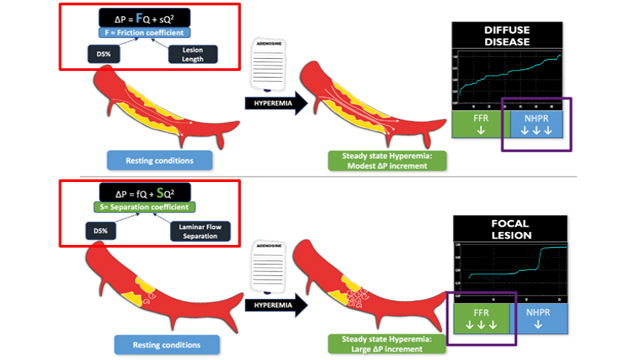
This session aims to generate awareness about the distinct phenotypes of coronary artery disease (focal, diffuse, serial) that can be identified through contemporary physiological tools, and the implications of these phenotypes on achieving successful functional PCI results. Participants will also discuss the considerations around using PCI...
Complication occurring during PCI of calcified coronary lesions
17 May 2024 – From EuroPCR 2024
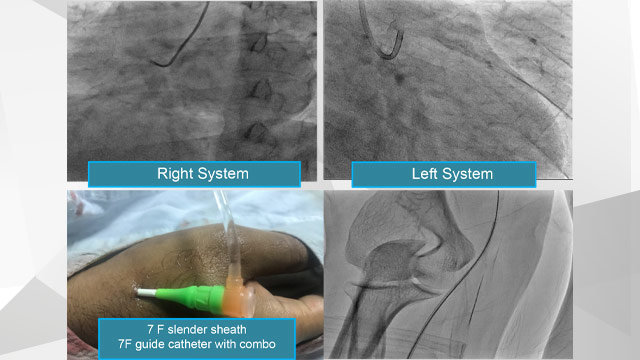
Join this in-depth session on the complications encountered during PCI of calcified coronary lesions, featuring real-world challenges like no flow with coronary dissection, stuck wires, and non-dilatable lesions. From the "Kokeshi phenomenon" to IVL-induced RCA dissection, this session highlights key lessons and red flags, emphasizing the...
Management of PCI complications - Part 2
17 May 2024 – From EuroPCR 2024
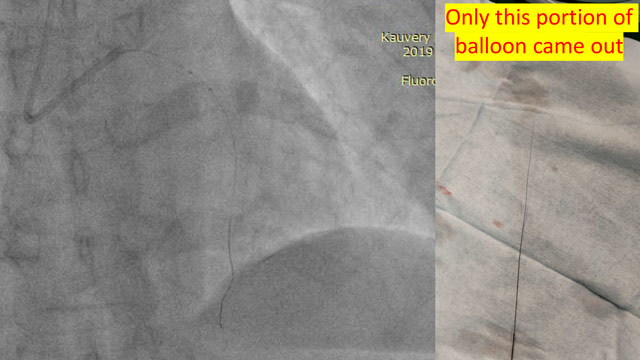
This session focuses on the management of various PCI complications, including iatrogenic dissection after diagnostic coronary angiography, sinus node artery occlusion, a stuck 6F guide in the axillary artery, and the retrieval of a broken balloon. The session features a series of case presentations and discussions,...
Calcified lesions: one big challenge; several good options
17 May 2024 – From EuroPCR 2024
This session delves into the management of calcified coronary lesions, presenting various techniques and tools to address this common challenge. It covers topics such as the use of drug-coated balloons, rotational atherectomy, intravascular lithotripsy, and high-pressure non-compliant balloons. The session also includes a meta-analysis on the...
TAVR in challenging anatomies
17 May 2024 – From EuroPCR 2024
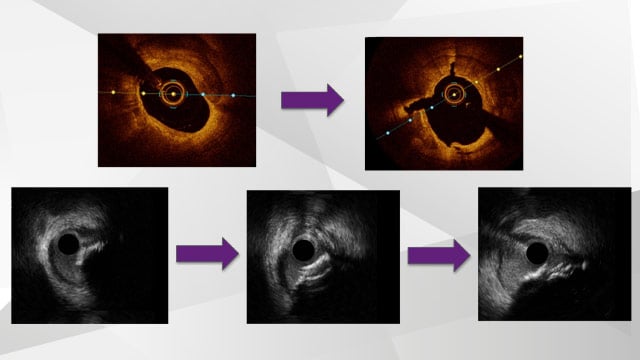
This session focuses on navigating TAVR procedures in complex anatomical scenarios. It covers topics such as optimizing the position of a TAVR valve in a stentless bioprosthesis, managing an unexpected deep position of a TAVR implant, dealing with a completely radiolucent failing surgical bioprosthetic valve, and...
Acute coronary syndromes: keep an eye open for unusual presentations
17 May 2024 – From EuroPCR 2024
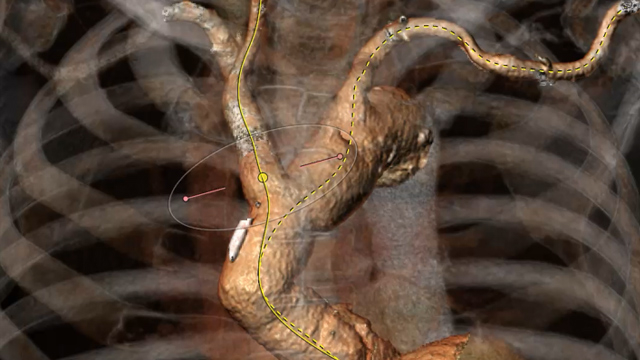
This session features selected EuroPCR 2024 clinical case submissions highlighting unusual presentations of acute coronary syndromes. Cases cover topics such as a "ring" completing the "crown", recurrent vasospastic angina culminating in STEMI, myocardial infarction of unusual cause, and primary PCI in dextrocardia. Discussions emphasize the importance...
Update on coronary physiology in 2024
17 May 2024 – From EuroPCR 2024
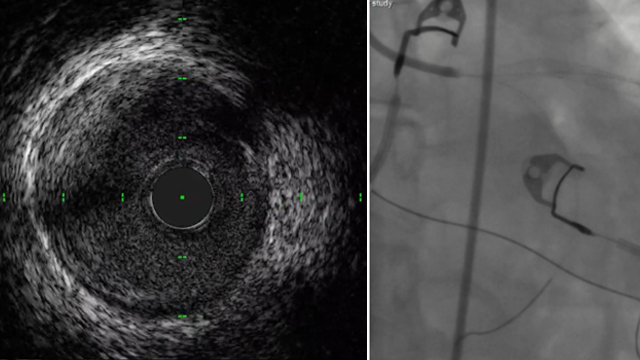
This session provides an update on the available options for invasive coronary physiology in 2024. It reviews the latest evidence supporting the clinical adoption of invasive physiology indexes and shares practical tips and tricks for their application. Topics covered include CT-based physiology, pressure wire-based physiology, angiography-based...
ACS: how to approach special clinical scenarios
17 May 2024 – From EuroPCR 2024
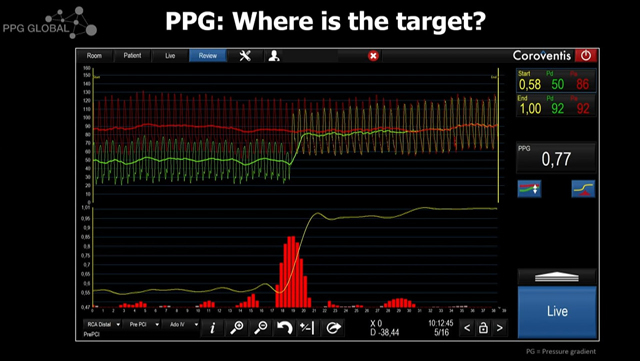
This session focuses on the management of acute coronary syndrome (ACS) in special clinical scenarios. It covers topics such as treating ACS with multivessel disease, managing an ACS and unstable patient, and addressing subacute myocardial infarction. The session features case presentations and discussions, providing insights and...
Non left main bifurcation - LIVE case
17 May 2024 – From EuroPCR 2024
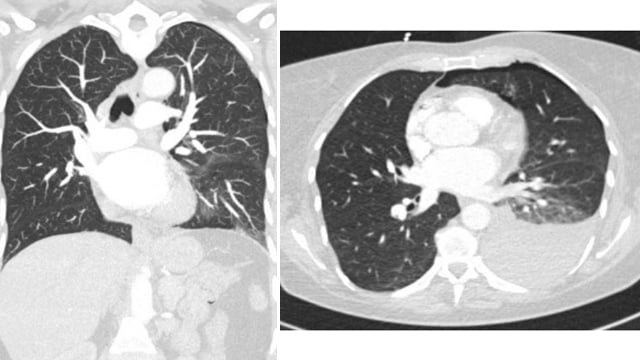
A 53-year-old male presented with a late STEMI one month ago. Coronary angiography revealed three-vessel disease: CX occlusion (culprit lesion), RCA bifurcation stenosis, and severe mid LAD-D1 (1-1-1) stenosis. The operators performed RCA PCI during the STEMI hospitalization.
In this live case, they performed the LAD-D1 bifurcation...
Hot topics in interventional management of out-of-hospital cardiac arrest (OHCA)
17 May 2024 – From EuroPCR 2024
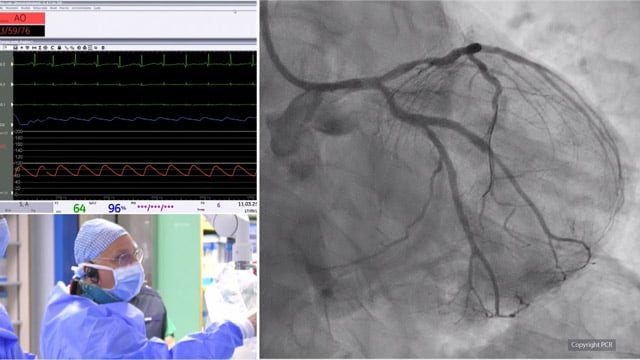
This session explores the latest insights and strategies for managing out-of-hospital cardiac arrest (OHCA) patients. Key topics include identifying OHCA patients who may benefit from immediate cathlab admission, the default PCI strategy in OHCA, and how to organize an effective OHCA network. Discussions will cover estimating...
PCI of bifurcation lesions: management of complications - Part 2
17 May 2024 – From EuroPCR 2024
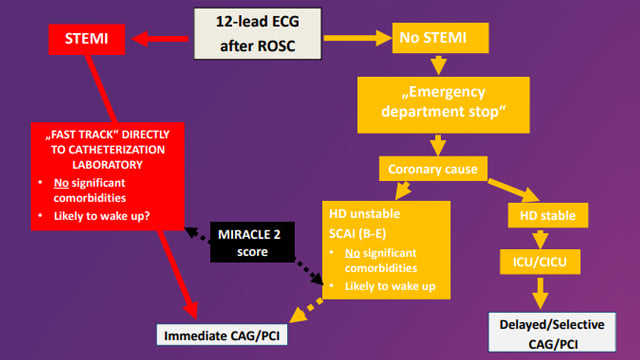
This session features selected EuroPCR 2024 clinical case submissions showcasing the management of complications during PCI of bifurcation lesions. Cases cover topics such as navigating tricky ostial lesions, dealing with dissecting hematomas, undeflatable balloons, and distal left main perforations. Discussions focus on troubleshooting techniques and optimizing...
PCI of bifurcation lesions: management of complications - Part 3
17 May 2024 – From EuroPCR 2024
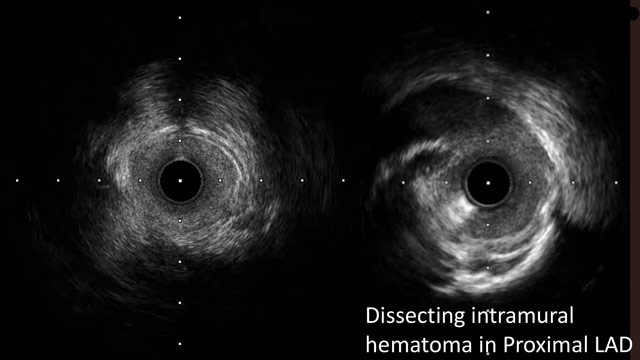
This session features additional selected EuroPCR 2024 clinical case submissions focusing on the management of complications during PCI of bifurcation lesions. Cases cover topics such as iatrogenic left main endarterectomy, left main dissections, and unexpected complications during various bifurcation stenting techniques. Discussions emphasize the importance of...