3174 results for «3512»
3174 results
Aortic valve disease: treatment and patient selection
21 Nov 2021 – From PCR London Valves 2021
Let's talk about severe asymptomatic aortic stenosis: what are the surgical standpoint and recent data from surgical literature? How to assess these patients? How to analyze CT? What do the newly published VHD Guidelines say? What is the place of MRI in these patients? So many questions...
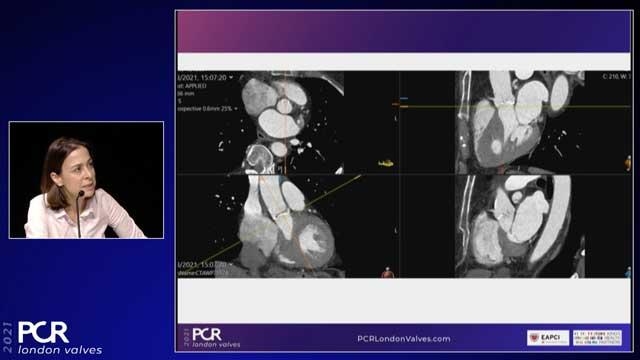
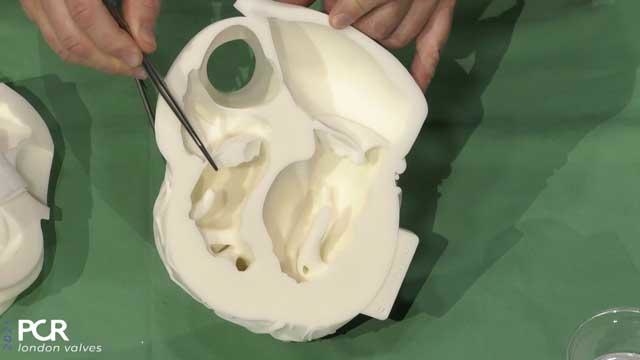
Understanding the anatomy of the tricuspid valve: similarities with and differences from the mitral valve
21 Nov 2021 – From PCR London Valves 2021
With this session on the tricuspid valve, learn to understand the anatomical features relevant to the procedures, become more familiar with different imaging modalities, and get hands-on by examining interactions between leaflets and some devices.
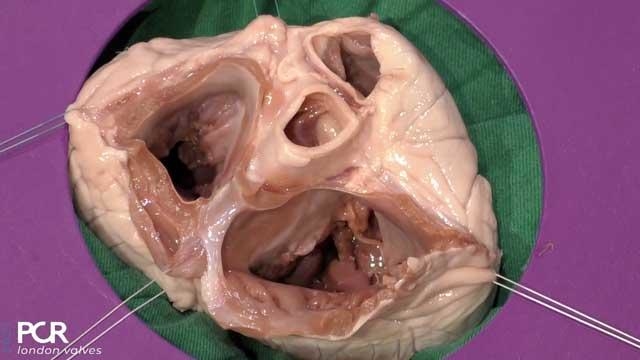
TAVI in bicuspid aortic valves: optimal technique and procedural refinement
21 Nov 2021 – From PCR London Valves 2021
Framed around a "live-in-a-box" case performed in Toulouse, the core of this session will be on procedural technique: how do you best perform a TAVI to get optimal outcomes in bicuspid anatomy? It will also focus on preprocedural planning, and in particular CT image analysis, and detail...
Transcatheter tricuspid valve replacement
21 Nov 2021 – From PCR London Valves 2021
In this PCR London Valves 2021 session, discuss the new techniques available, selection criteria, and challenges encountered with this new procedure of transcatheter tricuspid valve replacement, and learn how you can train for these procedures with patient-specific simulators.
Aortic stenosis in the younger patient: procedural complications and lifetime management
21 Nov 2021 – From PCR London Valves 2021
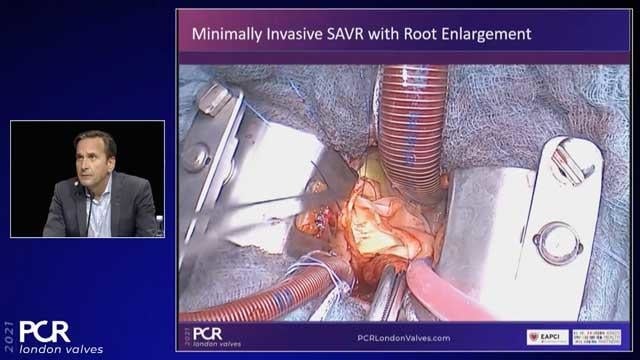
Biological, surgical valves and TAVIs are being implanted in younger and younger patients. Since these procedures must be planned in the best possible way to minimize future complications, and because the lifetime management of these patients must be thought of, watch this session to get very useful...
Tricuspid transcatheter edge-to-edge repair
21 Nov 2021 – From PCR London Valves 2021
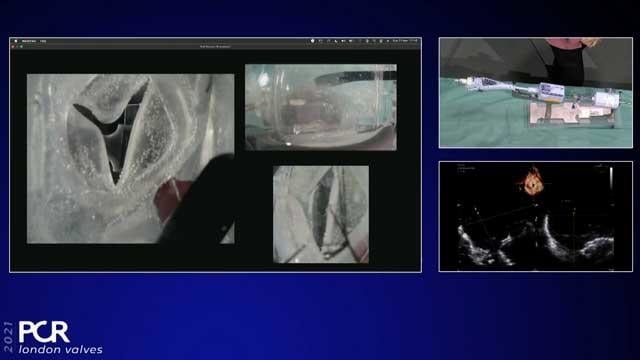
This session from PCR London Valves 2021 will focus on the most commonly performed tricuspid procedure: transcatheter edge-to-edge. Review the two technologies currently available, learn tips and tricks, share your experience, and examine all aspects, including imaging.
The impact of the first transcatheter heart valve on the lifetime management of patients with aortic stenosis
18 May 2022 – From EUROPCR 2022
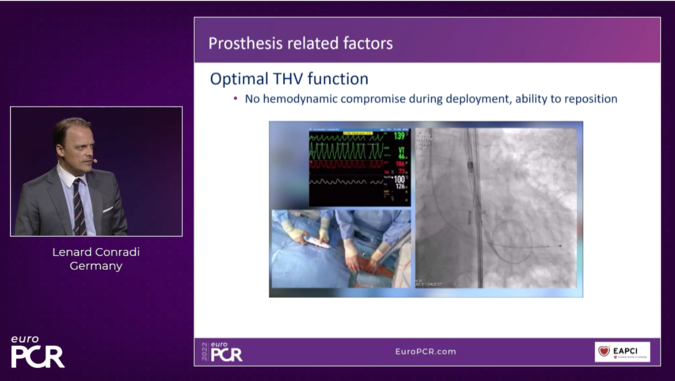
This session from EuroPCR 2022 will help you understand how the first bioprosthetic aortic valve may affect long-term outcomes of patients with aortic stenosis. Learn how to optimise their lifetime management and how to refine procedural steps during TAVI.
Advancing the treatment of uncontrolled hypertension with ultrasound renal denervation
17 May 2022 – From EuroPCR 2022
This EuroPCR 2022 session, which covers the latest clinical evidence around catheter-based ultrasound renal denervation, will also enable you to appreciate the distinct features of this approach, to understand perspectives on patient selection and patient preference, and to learn how to introduce and establish interventional hypertension therapy.
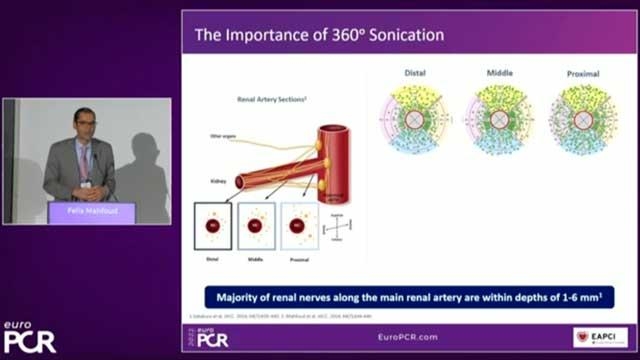
Towards a personalised coronary intervention with CT-guided robotic-assisted PCI
17 May 2022 – From EuroPCR 2022
This EuroPCR 2022 session aims to show how coronary CT angiography can help in pre-procedural planning and guidance of PCI to achieve the best patient outcomes. It also explores the role of robotic-assisted PCI in improving procedural accuracy, radiation safety, and ergonomics within the cathlab. Finally, it demonstrates how...
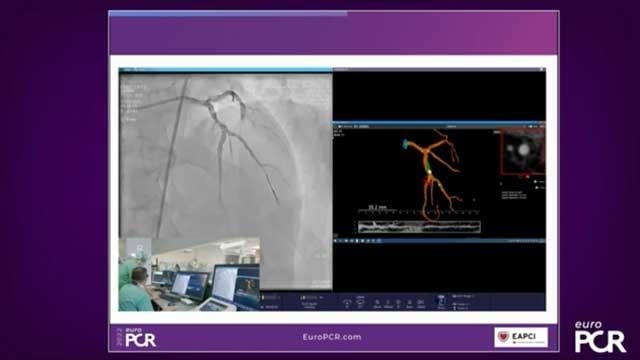
Start treating refractory angina patients with Reducer therapy - Practical aspects
17 May 2022 – From EuroPCR 2022
Looking at a 75-year-old male patient with HTA, diabetes, and hypothyroidism, a history of coronary artery disease treated with PCI of the RCA, and a previous coronary angiography showing preserved LVEF and in-stent restenosis of the RCA, you will learn in this EuroPCR 2022 session how...
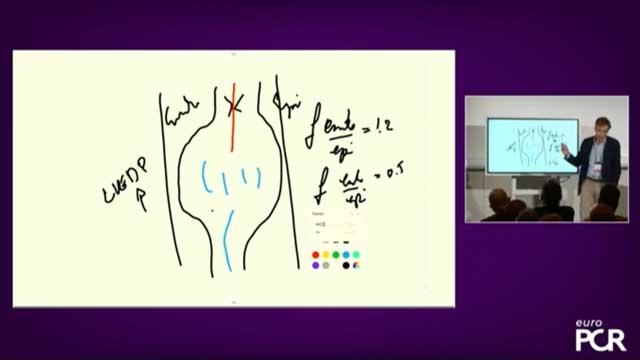
DCB and the possibility of a clean vessel
17 May 2022 – From EuroPCR 2022
This EuroPCR 2022 session aims to show, based on real-life cases, that even complex coronary disease can be treated without the need for permanent coronary stents. Learn how to prepare the vessel, deliver the therapy, and assess immediate outcomes after "DCB-alone" PCI, discuss de novo, small vessels, and...
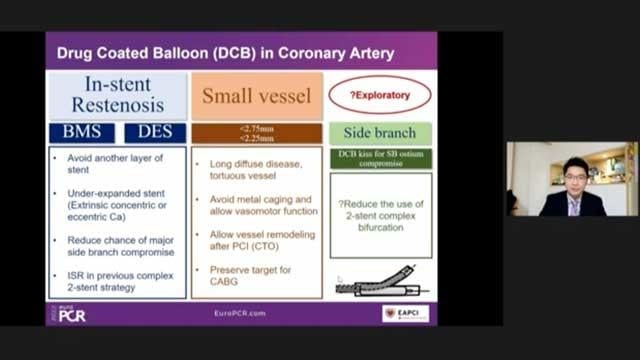
2022: a tipping point in the treatment of mitral regurgitation patients
17 May 2022 – From EuroPCR 2022
With study outcomes and clinical cases, this EuroPCR 2022 session will enable you to discuss the anatomical considerations that define suitable candidates for treatment of mitral regurgitation with the PASCAL platform and highlight key differentiators and tips and tricks for its use.

How to decrease operator dependence on vessel opacification during PCI? A crash course on ultra-low contrast coronary interventions
17 May 2022 – From EuroPCR 2022
Watch this EuroPCR 2022 session to become aware of the importance of relying on less contrast injections to guide PCI in complex patients, to learn what skills are required and tools available to perform ultra-low contrast coronary interventions, and to share and discuss such a recorded intervention from...
Sirolimus coated balloon and coronary artery disease: expanding the treatment indications
17 May 2022 – From EuroPCR 2022
Through a case presentation, as well as upcoming studies and rationale for the Food and Drug Administration, the aim of this EuroPCR 2022 session is to help you answer the following questions: how can the use of a sirolimus-coated DCB be expanded in new and challenging treatment indications? Why is...
Lifetime management of patients with severe aortic stenosis - Securing long-term benefits
17 May 2022 – From EuroPCR 2022
Watching this EuroPCR 2022 session on lifetime management of patients with aortic stenosis will help you understand the importance of the heart team in patient specific treatment and how procedural refinement may optimise long-term outcomes.
Stent failure: how to treat, how to prevent
18 May 2022 – From EuroPCR 2022
With 2 expert interviews, a stent failure case example, and a recorded best practice case to prevent stent failure in this EuroPCR 2022 session, understand why unraveling the mechanism of stent failure is essential for optimal treatment, receive tips and tricks to effectively treat stent failure,...
Robotic-assisted intervention: latest clinical insights and applications for complex PCI
18 May 2022 – From EuroPCR 2022
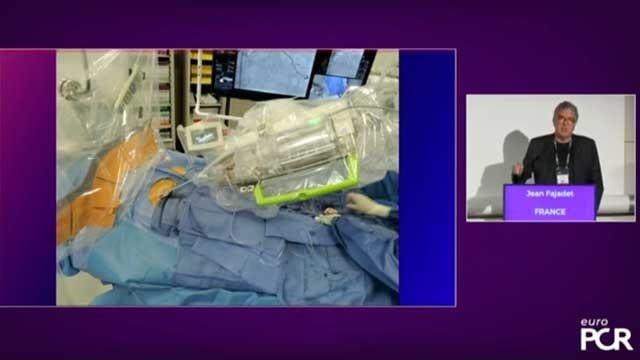
How does robotic assistance work in practice in the cathlab? This is the main question this EuroPCR 2022 session aims to answer. Watch it if you wish to understand the functions and capabilities of the Corpath GRX system, learn from a recorded case about best procedural practices and workflow...
Redefining indications for drug-eluting balloons in complex PCI - The role of sustained limus release
18 May 2022 – From EuroPCR 2022
Thanks to this EuroPCR 2022 session, discuss how sustained limus release technology can broaden DEB indications, learn about the decision-making process on the use of DEB adjacent to DES in complex PCI, and review DEB specific implantation techniques to achieve optimal outcomes for the patient.
The right valve choice for TAVI patient longevity and durability
18 May 2022 – From EuroPCR 2022
Watch this session to learn about the impact of age and life expectancy on decision-making for TAVI, to become aware of the durability data of the current TAVI platform, and to revise contemporary implantation techniques and procedural goals for future TAVI-in-TAVI.
The ability to transform coronary artery disease treatment: innovative nanotechnology-based sirolimus DES and DCB platforms
18 May 2022 – From EuroPCR 2022
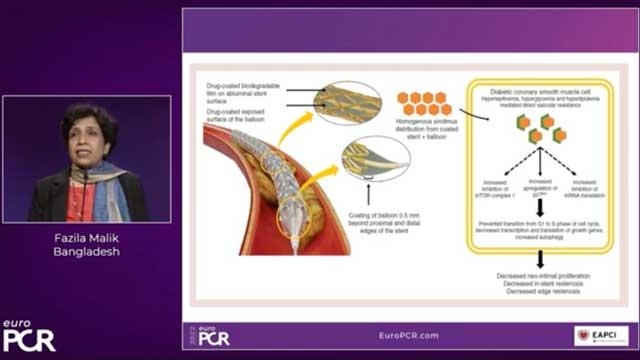
Alexandre Abizaid, Marco Valgimigli, Fazila Malik, Luca Testa, Patrick W. Serruys, Damiano Regazzoli, Kumar Prathap, and Sandeep Basavarajaiah take turns in this session to discuss two innovative technologies: a stent platform with nanotechnology and a novel drug-coated balloon (DCB). These novel technologies both have unique features...