3654 results for «365»
3654 results
The continuum of valvular heart disease: a lifetime management approach
21 May 2026 – From EuroPCR 2026
This session offers a comprehensive perspective on valvular heart disease through the lens of lifetime management, highlighting the need for strategic planning across aortic, mitral, and tricuspid interventions, illustrating how treating one valve can influence the progression and management of others. Gain insights into optimal timing...
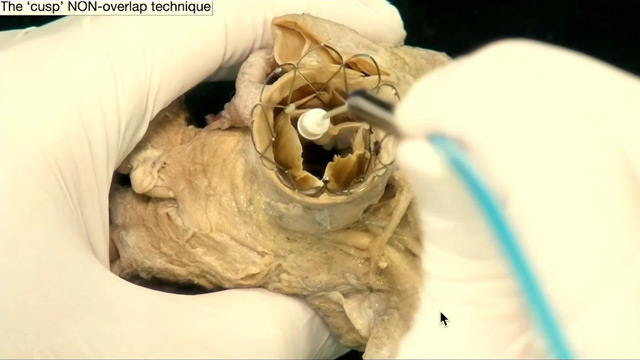
DCB in contemporary PCI: evidence, technique and physiology-guided decision-making
19 May 2026 – From EuroPCR 2026
This EuroPCR 2026 session explores the evolving role of drug-coated balloons (DCB) in contemporary PCI, highlighting how growing clinical evidence, refined procedural strategies and physiology-guided tools are reshaping everyday practice.
The discussion reviews the latest data supporting DCB use, including long-term outcomes from major registries and trials...
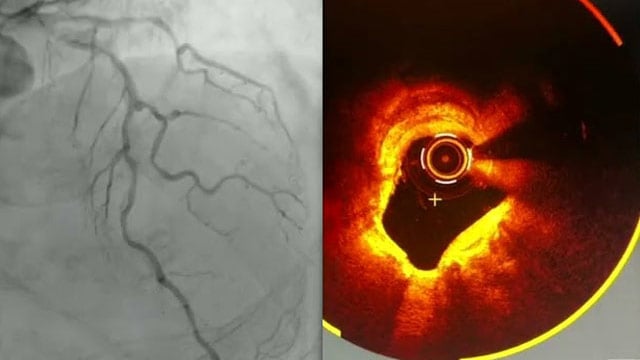
Navigating high-thrombus burden in ACS: precision aspiration thrombectomy with CAT RX
21 May 2026 – From EuroPCR 2026
This session explores the challenges of managing high thrombus burden in patients with acute coronary syndromes (ACS), with a focus on precision aspiration thrombectomy using the CAT RX device. Through case-based examples, it provides practical insights into procedural techniques and examines the role of CAT RX...
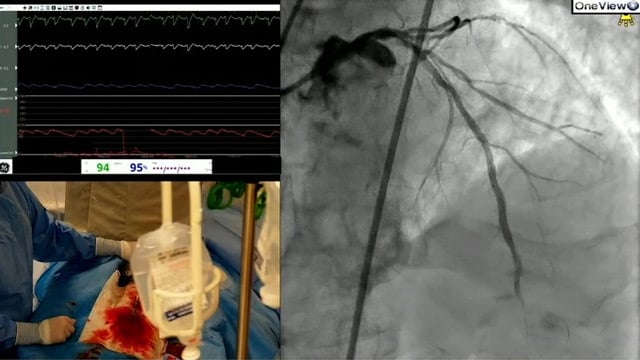
Evolving bifurcation treatment practices: DCB, angio-based FFR and side branch optimisation
19 May 2026 – From EuroPCR 2026
This EuroPCR 2026 session explores the evolving landscape of bifurcation PCI, focusing on drug-coated balloon (DCB) strategies, angio-based fractional flow reserve (FFR) and side branch optimisation. It highlights how new evidence and physiology-guided tools are reshaping decision-making in this complex lesion subset.
Discussions include insights from the...
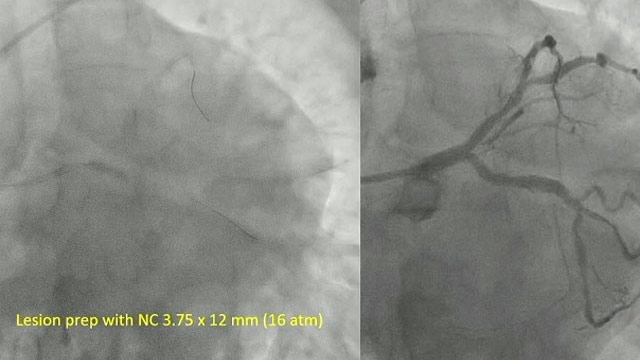
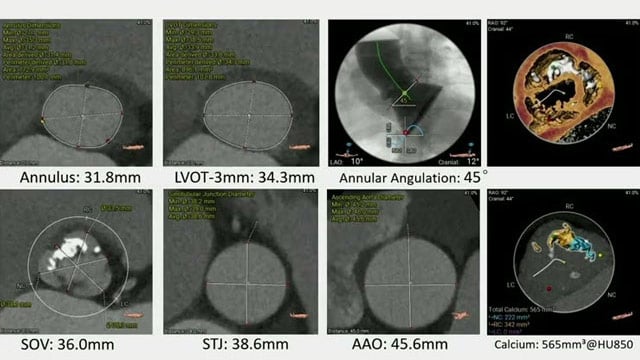
Artificial intelligence-driven precision therapy for TAVI: progress and practice in China
19 May 2026 – From EuroPCR 2026
This EuroPCR 2026 session explores the integration of artificial intelligence into precision therapy for TAVI in China, highlighting its growing role in procedural planning, optimisation and outcome prediction.
Through case-based discussion, it shows how AI-enabled tools can simulate valve deployment and visualise post-TAVR results, supporting more precise...
When less is better - Differentiated therapies to safely achieve TR 0-1+
19 May 2026 – From EuroPCR 2026
Therapeutic goals in tricuspid regurgitation are evolving, with increasing emphasis on achieving near-complete elimination of regurgitation (TR 0–1+) through differentiated transcatheter strategies.
This EuroPCR 2026 session explores how transcatheter edge-to-edge repair (TEER) and transcatheter tricuspid valve replacement (TTVR) can be used in a complementary way to reach...
Real world practice inspiring new evidence generation in structural heart
21 May 2026 – From EuroPCR 2026
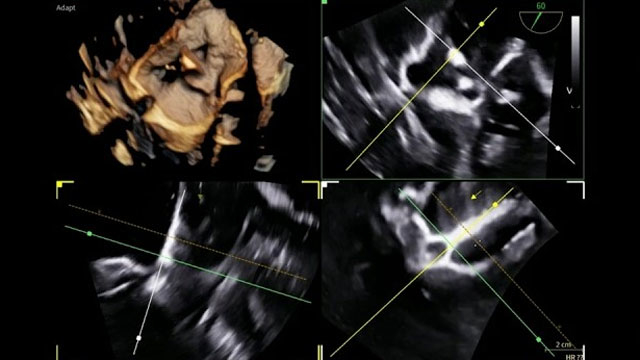
This LIVE case session showcases real-world clinical practice driving new evidence in structural heart interventions, with a focus on TAVI. It features expert insights into pre-procedural imaging and sizing, treatment strategies, procedural techniques, and post-procedural management. The session also introduces the novel Myval Octapro+ transcatheter heart...
The microcirculation: the next frontier in coronary practice
18 May 2026 – From EuroPCR 2026
Delve into the complexities of coronary microcirculation and its clinical implications. This session highlighted advanced diagnostic techniques such as bolus and continuous thermodilution, the interpretation of microvascular resistance reserve, and practical guidance on establishing a high-impact ANOCA clinic to manage microvascular angina and coronary dysfunction.

Transcatheter management of failed THV - LIVE case
Recommended by PCR
09 Feb 2025 – From PCR Tokyo Valves 2025
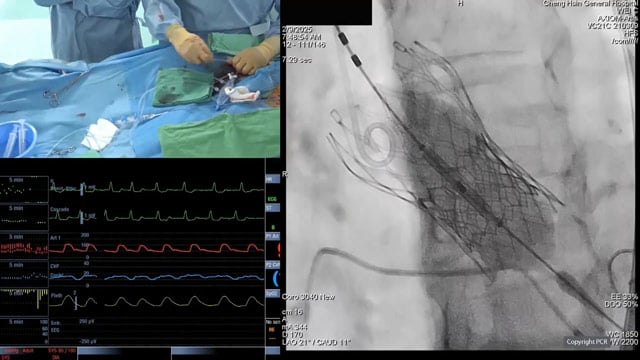
An 84-year-old woman with diabetes mellitus, frailty (5/6), preserved LV function, and aortic stenosis previously treated with CoreValve 26 mm in 2016, presented with symptomatic degenerative stenosis of the valve.
A Sapien 3 (23 mm) was implanted without predilatation but with post-dilatation under general anaesthesia, using cerebral...
Highlights of science and education in cardiovascular interventional medicine in 2025
22 Dec 2025
Dear Colleagues, dear PCR Companions,
As we welcome a New Year, it is the perfect time to reflect on what we achieved together over the past year - both as a celebration of our collective success and as motivation to continue improving in the year ahead.
2025 was...
World Heart Day 2023: Reducing the burden of cardiovascular disease globally: beyond stents and balloons!
29 Sep 2023
Global burden of Cardiovascular Disease
Cardiovascular disease (CVD) remains the lead cause of mortality for men and women globally. Our world population in 2023 is 8 billion! Of these, around 620 million people are living with heart and circulatory diseases across the world. Each year around 60...

Author

The Lancet Commission to reduce global burden of cardiovascular disease in women by 2030
29 Aug 2021
Vijay Kunadian summarizes the key points of the LBT session of the ESC congress 2021 held on Sunday, 29 August focusing on the Lancet Commission to reduce the global burden of heart disease in women by 2030.
Author

TRISCEND II trial: Randomized comparison of transcatheter valve replacement vs. optimal medical therapy for severe tricuspid regurgitation
04 Nov 2024
Alex Sticchi provides his take on the results of the TRISCEND II trial presented by Susheel K. Kodali and Suzanne V. Arnold at TCT 2024 in Washington.
Also watch the interview with Susheel K. Kodali

Author
BRIGHT-4 – Bivalirudin plus a high-dose infusion versus heparin monotherapy in patients with ST-segment elevation myocardial infarction undergoing primary percutaneous coronary intervention: a randomised trial
07 Nov 2022
Nicola Ryan provides her take on the BRIGHT-4 study, which was presented during AHA 2022 in Chicago, & simultaneously published in the Lancet.
This study was a randomised control trial designed to assess if bivalirudin plus a high dose infusion for 2-4 hours post PPCI was superior to unfractionated...

Author