634 results
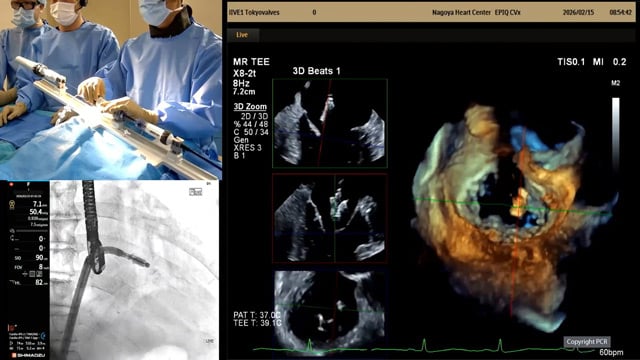
Primary mitral TEER in small anatomy - LIVE case
15 Feb 2026 – From PCR Tokyo Valves 2026
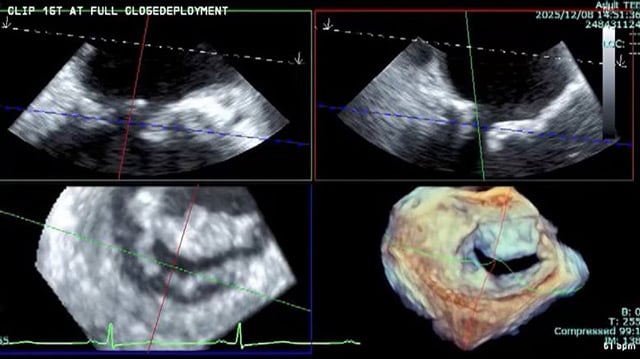
An 89-year-old male with diabetes mellitus, hypertension, chronic kidney disease (eGFR: 46), and CAD with a history of NSTEMI and CTO of the RCA, presented with symptomatic primary mitral regurgitation (P1–P2 prolapse) and preserved LV function (56%).
One Pascal ACE device was implanted.
LIVE Educational Case from Nagoya...
Guidelines update
15 Feb 2026 – From PCR Tokyo Valves 2026
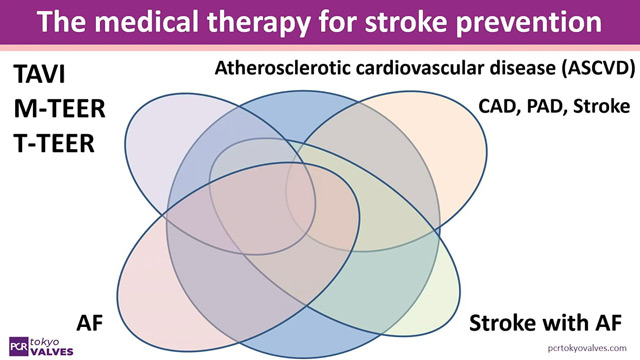
This session reviews the latest updates in the ESC/EACTS guidelines for structural heart disease, emphasizing their clinical implications and future trends. Participants will gain understanding of changes in aortic, mitral, and tricuspid valve recommendations, including new age cutoffs, asymptomatic disease management, and the evolving role of...
Future devices and techniques for structural heart disease
15 Feb 2026 – From PCR Tokyo Valves 2026
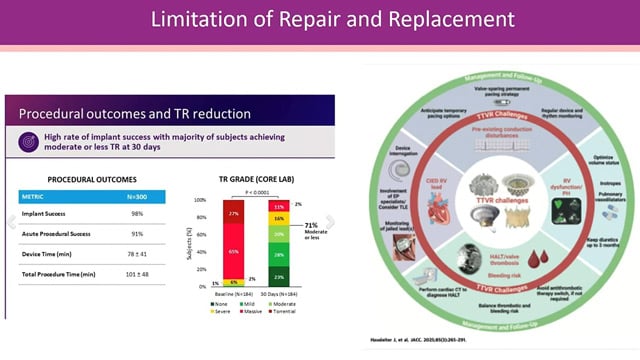
This session surveys the future landscape of structural heart disease treatment, addressing current limitations in transcatheter valve technologies and presenting emerging devices and techniques for aortic, mitral, and tricuspid valves. Attendees will gain insights into innovations poised to transform therapeutic options for structural heart disease.
From diagnosis to device: decision-making and planning for mitral valve interventions
15 Feb 2026 – From PCR Tokyo Valves 2026
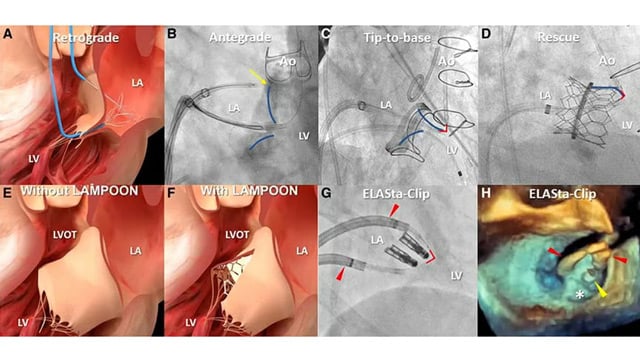
This session offers a structured approach to mitral TEER, integrating advanced imaging techniques for detailed mitral valve morphology evaluation, procedural planning, and complication prediction. It highlights device selection considerations and emerging technologies to tailor interventions for complex mitral valve disease, supported by multiple case presentations and...
Complications and bailout strategies in transcatheter mitral interventions
15 Feb 2026 – From PCR Tokyo Valves 2026
This session addresses complications arising during transcatheter mitral edge-to-edge repair (TEER), focusing on identification, anticipation, and management strategies. It also highlights the importance of case selection to improve procedural safety, supported by detailed case analyses covering leaflet/device, access/septal, and hemodynamic complications.
Real world outcomes and strategies for optimal TEER across diverse DMR anatomies
14 Feb 2026 – From PCR Tokyo Valves 2026
This session develops a nuanced understanding of the complexity inherent in DMR cases, informed by the latest registry data. It highlights the capabilities of the PASCAL device in managing challenging anatomies and achieving predictable clinical results, alongside contemporary strategies for device selection and optimal placement to...
Mastering mitral TEER: guidelines, complex cases, and Asia Pacific insights
14 Feb 2026 – From PCR Tokyo Valves 2026
Focused on mastering mitral transcatheter edge-to-edge repair (TEER), this session analyzed the 2025 ESC VHD guidelines and their clinical implications. It addressed optimal timing and treatment strategies for severe heart failure beyond the COAPT trial and explored technical solutions for complex anatomies, including customization approaches for...
Mitral TEER masterclass
14 Feb 2026 – From PCR Tokyo Valves 2026
Delve into the mitral TEER masterclass focusing on unique anatomical challenges encountered in Asian populations. This session presents complex case studies illustrating device strategies and practical techniques aimed at minimizing complications and optimizing procedural outcomes in anatomically challenging scenarios.
Late-breaking trials of PCR Tokyo Valves 2026
14 Feb 2026 – From PCR Tokyo Valves 2026
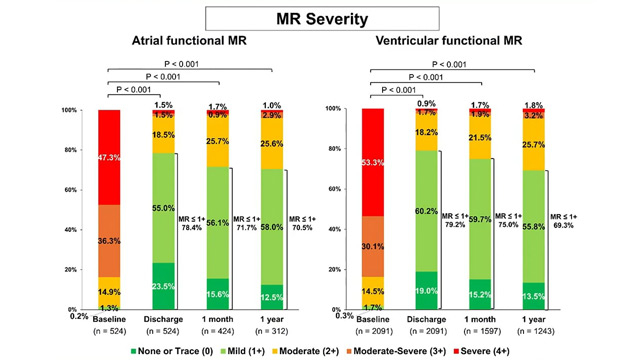
This session presents pivotal late-breaking trials from PCR Tokyo Valves 2026, offering one-year outcomes and real-world experiences in transcatheter valve therapies. Highlights include the AltaValve early feasibility study on atrial fixation TMVR, invasive registry insights on prosthesis-patient mismatch post-TAVR, and registry data on tricuspid and mitral...
Hot topics and evidence on structural interventions in 2025 and 2026
14 Feb 2026 – From PCR Tokyo Valves 2026
Delve into the emerging clinical evidence and key hot topics shaping transcatheter interventions for aortic, mitral, and tricuspid valve diseases anticipated to influence clinical practice in 2025 and 2026. This session reviews stroke prevention, valve interventions across the three valves, and integrates recent and upcoming data...