


634 results
Mitral Valve Regurgitation – From Assessment to Referral
09 Jul 2026
Download a guide that serves as a valuable practical reference, from the echocardiographic assessment to the referral and follow-up of your patients with mitral regurgitation.
Transcatheter mitral valve replacement in 2026: expanding frontiers in transcatheter mitral therapy
02 Jul 2026
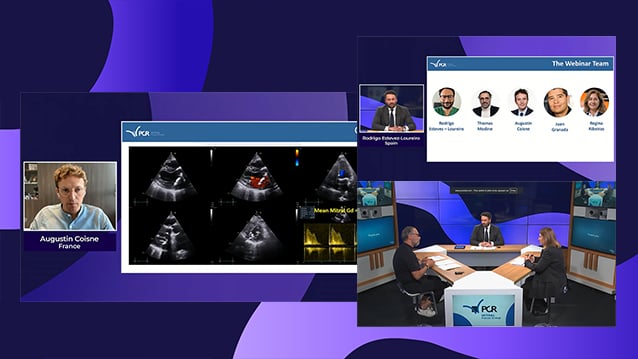
R. Estevez-Loureiro, T. Modine and guests A. Coisne, J. Granada and R. Ribeiras deliver an overview of transcatheter mitral valve replacement, from patient selection to real-world outcomes.
Mitral sessions from EuroPCR 2026: Abbott
25 Jun 2026
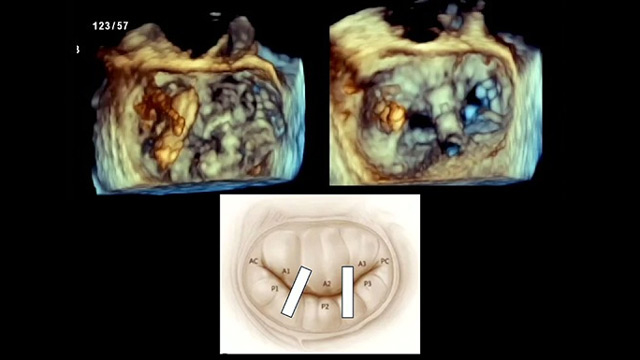
Watch these recordings from EuroPCR 2026 et PCR London Valves 2025 and on Mitral.
Structural and Valve interventions: EuroPCR 2026 highlights
Christopher Cook hosts Bernard Prendergast and Nicolas Dumonteil as they discuss their standout moments from the structural track at EuroPCR 2026. Together, they reflect on the evolution of structural interventions showcased throughout the Course, moving beyond TAVI to the growing importance of mitral and tricuspid therapies...
Percutaneous management of mitral and aortic valve disease
21 May 2026 – From EuroPCR 2026
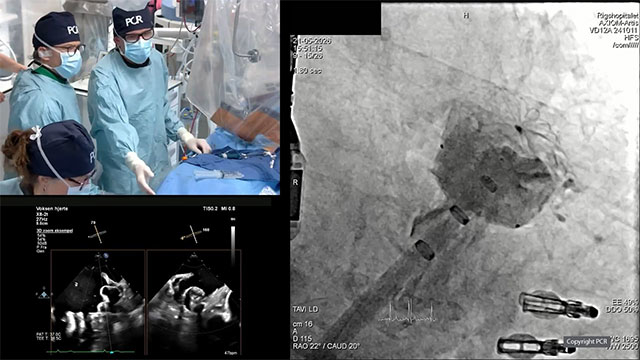
Delve into the percutaneous management of mitral and aortic valve disease through detailed procedural demonstrations. This session covers valve-in-valve procedures, navigation of potential complications in valve-in-valve TAVI, and mitral valve edge-to-edge repair techniques, supported by real-world case discussions and key learnings.

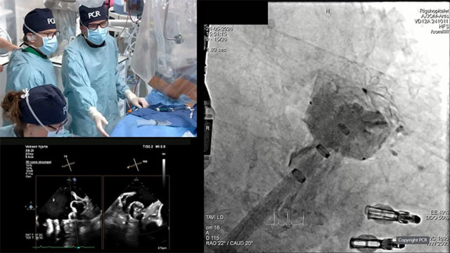
Combined mitral repair and LAA closure with two separate septal punctures - LIVE case
Recommended by PCR
21 May 2026 – From EuroPCR 2026
A 79‑year‑old man with hypertension, a history of basal cell carcinoma and psoriasis, presented with symptomatic severe primary MR (flail P2 due to ruptured chordae) and bleeding complications (recurrent skin bleeding) while on DOAC therapy for permanent atrial fibrillation.
Two G5 MitraClip devices were implanted. Subsequently, through...
Mitral interventions: procedural risk assessment and interventions
21 May 2026 – From EuroPCR 2026
Focused on mitral valve interventions, this session covers procedural risk assessment and outcomes following transcatheter edge-to-edge repair (TEER). Topics include predictive risk scores, technical complexity, pulmonary artery pressure indices, right ventricle-pulmonary artery coupling, and novel imaging predictors influencing procedural success and patient prognosis.

The continuum of valvular heart disease: a lifetime management approach
21 May 2026 – From EuroPCR 2026
This session offers a comprehensive perspective on valvular heart disease through the lens of lifetime management, highlighting the need for strategic planning across aortic, mitral, and tricuspid interventions, illustrating how treating one valve can influence the progression and management of others. Gain insights into optimal timing...
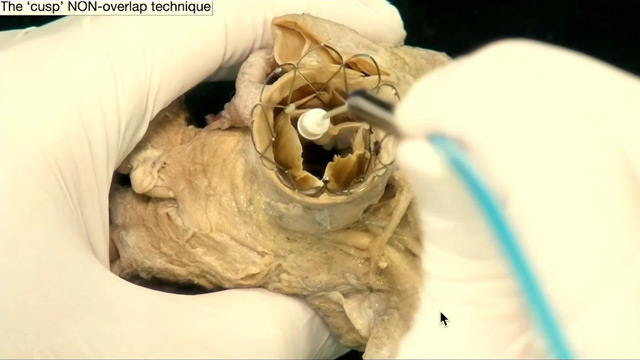
Innovation in transcatheter mitral valve interventions
21 May 2026 – From EuroPCR 2026
This comprehensive session presents the latest innovations in transcatheter mitral valve interventions, highlighting cutting-edge devices and clinical experiences. Topics include early feasibility studies of novel hemivalve systems, first-in-human experiences with new mitral valve replacement technologies, advances in transcatheter edge-to-edge repair (TEER) with one-year outcome data, and...
Challenging transcatheter interventions for mitral stenosis and mitral annular calcification
21 May 2026 – From EuroPCR 2026
This session addresses the challenges of transcatheter interventions in severe mitral stenosis and mitral annular calcification. It highlights therapeutic innovations such as treating mitral stenosis with annular calcification, valve-in-MAC procedures, use of extra-large Myval valves, transatrial ViMAC approaches, and combined multivalve interventions in rheumatic heart disease.