3648 results for «2509»
3648 results
Acute coronary syndromes
16 May 2024 – From EuroPCR 2024
This session, in collaboration with various cardiology societies, focuses on the management of acute coronary syndromes (ACS). It presents three case studies, covering the management of culprit lesions in ACS, tips and tricks in difficult situations, and the management of multivessel disease. The discussions aim to...
Intracoronary imaging: diagnosis
16 May 2024 – From EuroPCR 2024
This session highlights the pivotal role of intracoronary imaging techniques, such as OCT and IVUS, in the diagnosis of various cardiovascular conditions. The presenters share case studies that demonstrate how these imaging modalities can help differentiate acute coronary syndrome from other conditions, identify the underlying causes...
Stent loss and coronary perforation: how to deal with
16 May 2024 – From EuroPCR 2024
This session explores the management of challenging complications during percutaneous coronary interventions, such as stent loss and coronary perforation. The presenters share case studies that demonstrate various techniques and strategies used to address these complications, including the use of CTO wires for distal wire perforation, managing...
TAV-in-TAV in complex situations
16 May 2024 – From EuroPCR 2024
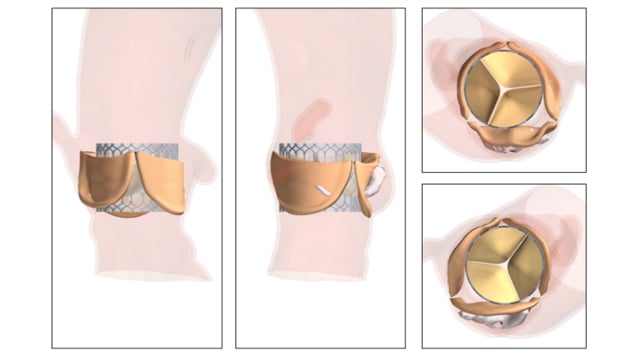
This session comprises selected EuroPCR 2024 Clinical Case submissions focused on TAVI-in-TAVI procedures in complex situations. It covers various case presentations and discussions, including re-do TAVI with the risk of acute coronary obstruction, expanding possibilities in TAVR-in-TAVR with the mid-leaflet implantation technique, transcatheter valve-in-valve in self-expanding...
Which techniques to improve results of PCI in calcified lesions
16 May 2024 – From EuroPCR 2024
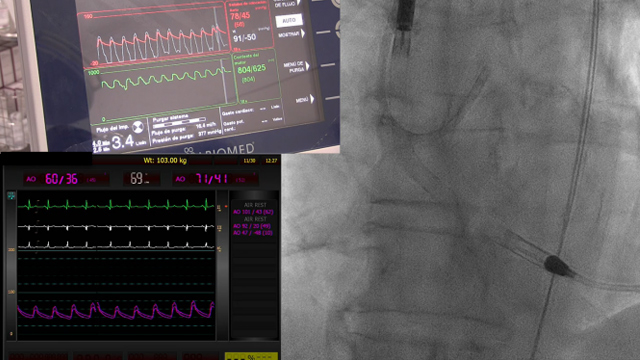
This session comprises selected EuroPCR 2024 Clinical Case submissions focused on techniques to improve PCI outcomes in calcified lesions. It covers various case presentations and discussions, including the use of imaging to guide therapy for calcified noduli, planning strategies for tortuous and calcified lesions, managing balloon-undilatable...
LAA closure - LIVE case
16 May 2024 – From EuroPCR 2024
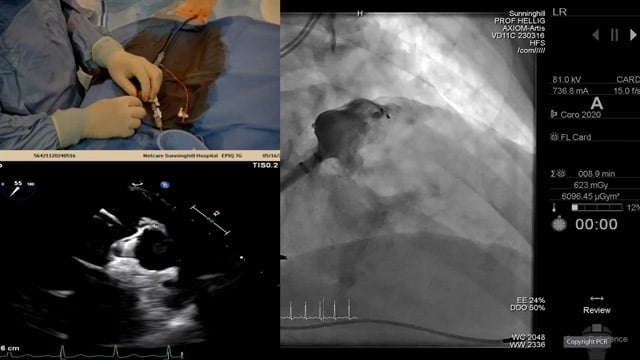
A 78-year-old woman with hypertension, diabetes, obesity, and a history of pacemaker implantation in 2023, presented with retinal hemorrhage while on NACO for AF. Despite a CHA2DS2-VASC score of 5, anticoagulation was withdrawn. The operators implanted a Watchman device in the LAA via a venous right femoral...
Unusual causes of acute coronary syndrome in the cathlab
16 May 2024 – From EuroPCR 2024
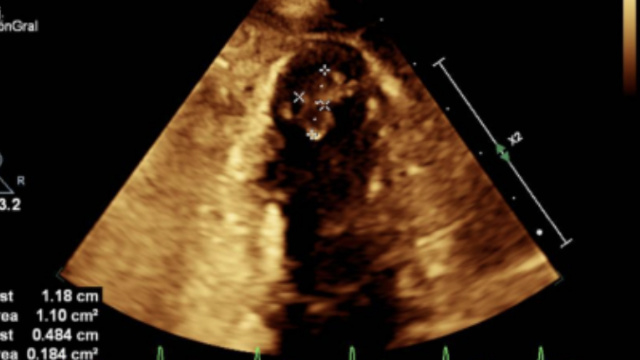
This session comprises selected EuroPCR 2024 Clinical Case submissions focused on unusual causes of acute coronary syndrome encountered in the catheterization laboratory. It covers various case presentations and discussions, including left main disease and STEMI in a young woman, STEMI secondary to antiphospholip syndrome, and Kawasaki...
Successful implementation of renal denervation in hypertension management (the hardest part is getting started)
16 May 2024 – From EuroPCR 2024
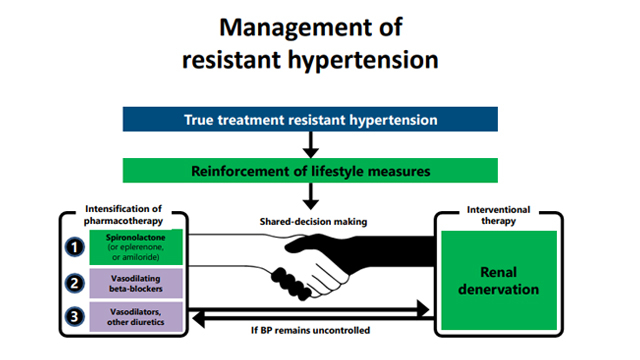
This session provides a comprehensive guide on setting up a successful renal denervation program. It covers topics such as identifying the ideal patients for this therapy, integrating patient preferences in decision-making, the necessary workup process, and the procedural aspects of renal denervation. The session also features...
Antiplatelet de-escalation after complex PCI: when and how?
15 May 2024 – From EuroPCR 2024
Jon DeHaan Foundation Award ceremony
14 May 2024 – From EuroPCR 2024
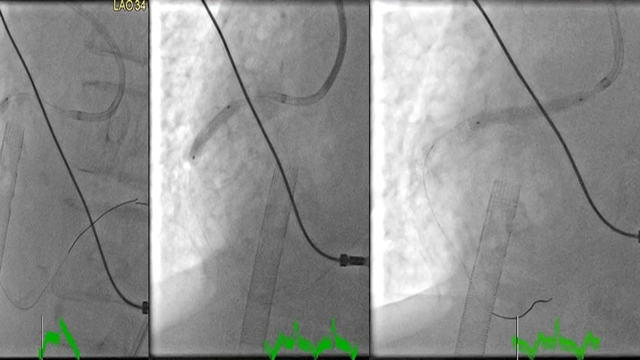
This session is the Jon DeHaan Foundation Award ceremony, recognizing and celebrating outstanding achievements in the field of interventional cardiology.
Asymptomatic severe aortic stenosis: Will these trials change my practice?
16 May 2024 – From EuroPCR 2024
This session, in collaboration with Partners in Learning, explores the emerging evidence on the use of transcatheter aortic valve implantation (TAVI) in patients with asymptomatic severe aortic stenosis. It covers data from registries and randomized controlled trials, the current guideline recommendations, and the potential impact of...
Antegrade CTO - LIVE case
16 May 2024 – From EuroPCR 2024
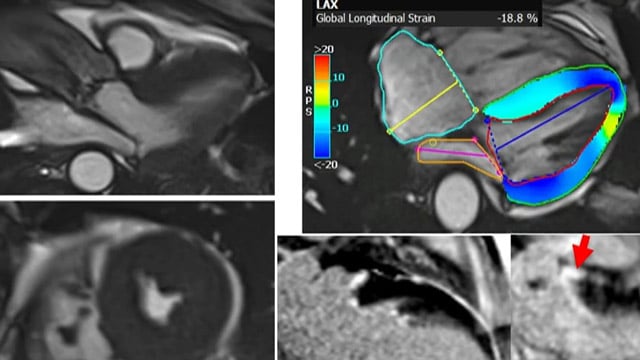
This session features a LIVE educational case from Netcare Sunninghill Hospital in Johannesburg, South Africa, focusing on the management of chronic total occlusions (CTOs) using an antegrade approach. Participants will learn how to identify CTO anatomy through dual injection, as well as how to perform IVUS-guided...
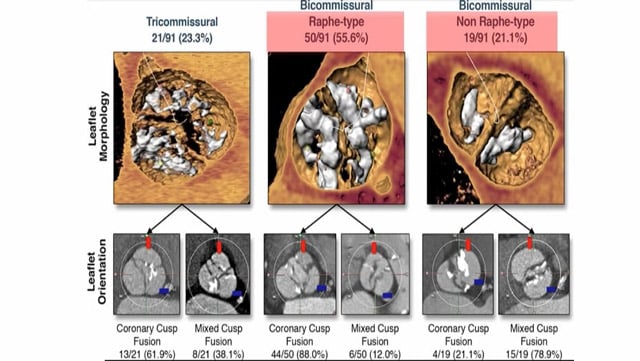
Bicuspid disease - All you need to know
16 May 2024 – From EuroPCR 2024
This session is ideal if you want to understand the anatomical features of bicuspid aortic stenosis, learn about the latest post-TAVI clinical outcomes in bicuspid aortic valves, grasp key considerations for TAVI sizing in these cases, and analyze both self-expanding and balloon-expandable TAVI procedures in bicuspid...
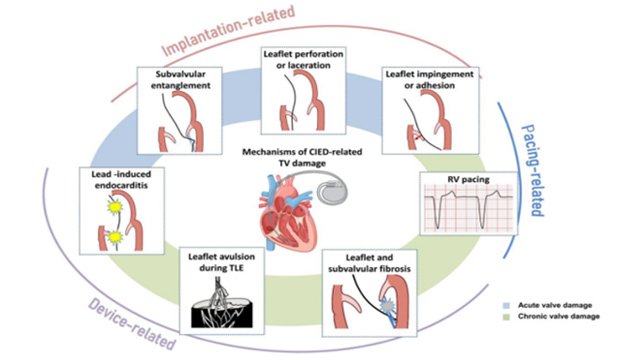
Pacemaker lead and the tricuspid valve: navigating challenges for optimal care
16 May 2024 – From EuroPCR 2024
This session focuses on the complex interplay between pacemaker leads and the tricuspid valve, addressing the anatomical interactions, procedural challenges, and alternative pacing strategies. Attendees will gain a better understanding of the impact of pacemaker leads on tricuspid regurgitation, the techniques for lead implantation and extraction,...
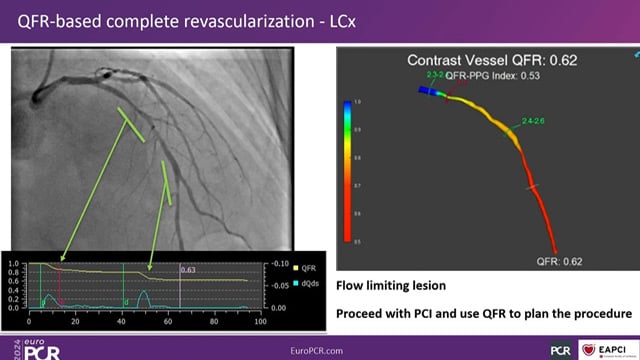
PCI to treat the bystander disease in STEMI patients: who, when and how?
16 May 2024 – From EuroPCR 2024
Watch this case-based session on PCI for STEMI to see how the guidelines are influenced by the COMPLETE trial. Learn why and how physiology can guide intermediate lesions, the importance of intracoronary imaging guidance, the value of complete revascularization in STEMI patients, the optimal method for...
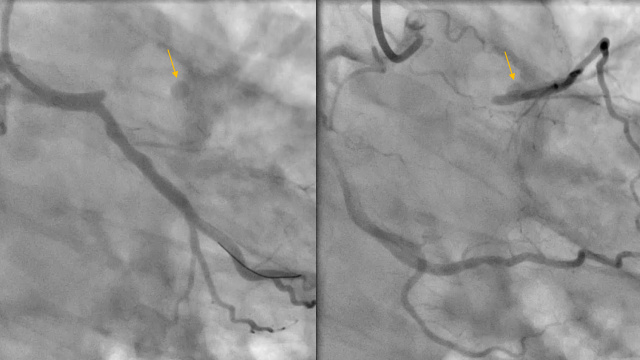
Intracoronary imaging to guide management in ACS
16 May 2024 – From EuroPCR 2024
This session focuses on the role of intracoronary imaging, specifically IVUS and OCT, in the management of Acute Coronary Syndrome (ACS). Participants will learn when intracoronary imaging can facilitate diagnosis and guide PCI, as well as discuss image interpretation in the setting of ACS.
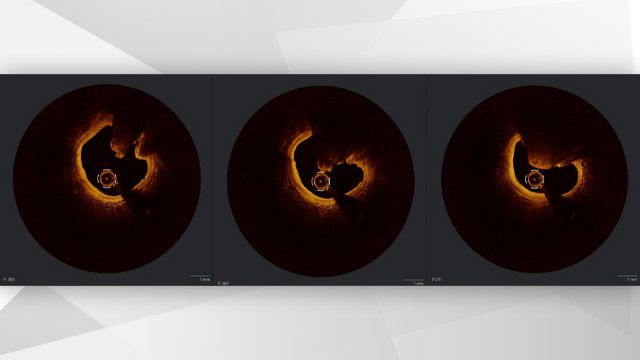
Acute and chronic right ventricular failure: focus on the weak link
16 May 2024 – From EuroPCR 2024
This session discusses new diagnostic and therapeutic aspects of shock due to right ventricular infarction, explores why and how the failing right ventricle contributes to worsening heart failure, and examines device-based treatment opportunities for chronic right ventricular and tricuspid valve failure, including repair vs replacement. It...
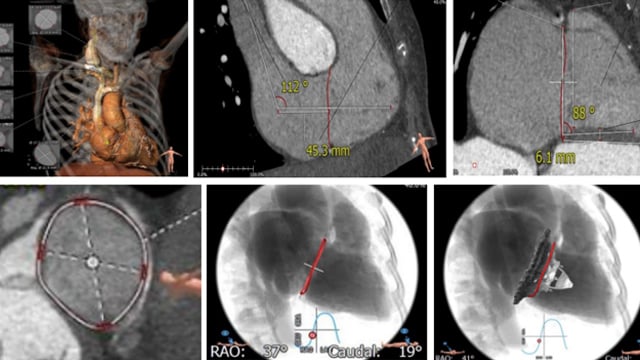
PCI of bifurcation lesions: management of complications - Part 1
16 May 2024 – From EuroPCR 2024
Explore strategies for managing complex PCI of bifurcation lesions through case discussions. From stent deformation and delicate diagonal wiring to wire fracture with snare failure, decoiled coronary guidewires, misplaced stents, spontaneous coronary artery dissection, and late tamponade after PCI, this session covers how to effectively respond...
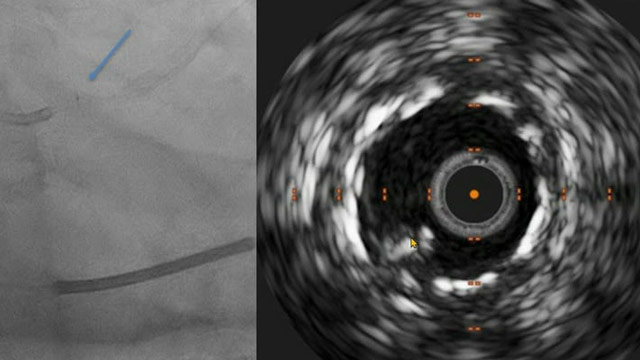
Nightmare cases
15 May 2024 – From EuroPCR 2024
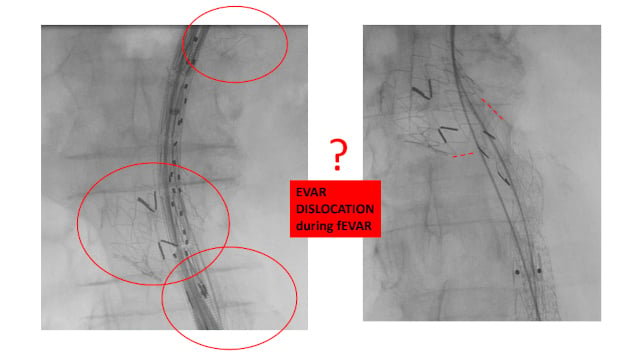
State-of-the-art on left main interventions in Latin America
16 May 2024 – From EuroPCR 2024
This session, in collaboration with the Sociedad Latino Americana de Cardiologia Intervencionista (SOLACI), provides insights into the management of left main coronary artery disease in Latin America. Attendees will learn about the revascularization guidelines for left main in the region, the approaches to left main bifurcations...