3631 results for «613»
3631 results
Percutaneous management of mitral and aortic valve disease
21 May 2026 – From EuroPCR 2026
Delve into the percutaneous management of mitral and aortic valve disease through detailed procedural demonstrations. This session covers valve-in-valve procedures, navigation of potential complications in valve-in-valve TAVI, and mitral valve edge-to-edge repair techniques, supported by real-world case discussions and key learnings.

Imaging-guided strategy for understanding coronary calcification
21 May 2026 – From EuroPCR 2026
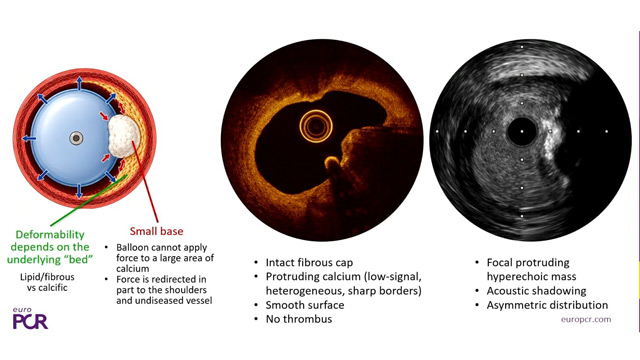
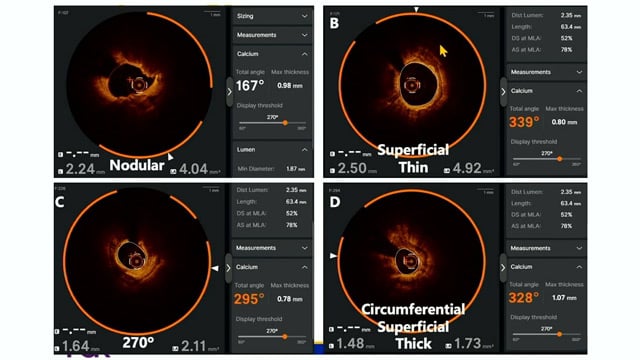
Focusing on coronary calcification, this session teaches the application of CT and intracoronary imaging to characterize calcium patterns, select appropriate modification tools, and assess procedural success. It emphasizes imaging-guided strategies to optimize treatment of calcified coronary lesions.
Taking on the tough stuff: TAVI in complex anatomies
21 May 2026 – From EuroPCR 2026
Focused on the challenges of transcatheter aortic valve implantation (TAVI) in complex anatomies, this session addresses optimal strategies for treating bicuspid aortic valve stenosis, managing small annuli and low coronary ostia, and approaches to degenerated surgical valves including bioprosthetic fracture techniques. Case-based discussions elucidate practical solutions...
From atherectomy to lithotripsy: choosing the right tool for the right calcium
22 May 2026 – From EuroPCR 2026
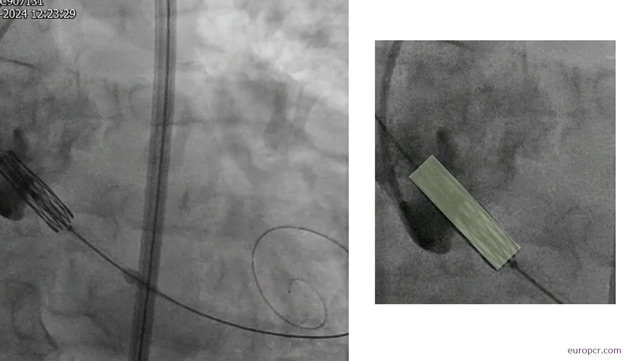
Delve into the latest advancements in calcium modification devices and techniques in this session, which guides clinicians through selecting the most appropriate tool based on calcium morphology. Through step-by-step, case-based decision-making, it enhances procedural planning and lesion preparation to optimize interventional outcomes.
Diagnosis and management of INOCA and ANOCA
21 May 2026 – From EuroPCR 2026
This session focuses on the diagnosis and management of ischemia and angina with non-obstructive coronary arteries (INOCA and ANOCA). It presents safety data from coronary function testing, patient outcomes after comprehensive ischemia assessment, and endotype-specific treatment effects. Further topics include coronary sinus reducer therapy, the impact...

Calcified lesions: when one dedicated device is not enough
22 May 2026 – From EuroPCR 2026
This session highlights the need for multiple dedicated devices in the treatment of calcified coronary lesions. It discusses combined orbital and rotational atherectomy techniques, debulking in complex high-risk patients, and the integration of atherectomy with intravascular lithotripsy systems. Emphasis is placed on physiology and imaging-guided approaches...
Challenges of multivessel disease in ACS
21 May 2026 – From EuroPCR 2026
Dedicated to the challenges of multivessel disease in acute coronary syndrome (ACS), this session explores strategies to identify culprit versus non-culprit lesions and plan multivessel revascularisation using physiology, intravascular imaging, and artificial intelligence. It further discusses the timing considerations for revascularisation, whether ad-hoc or staged, illustrated...
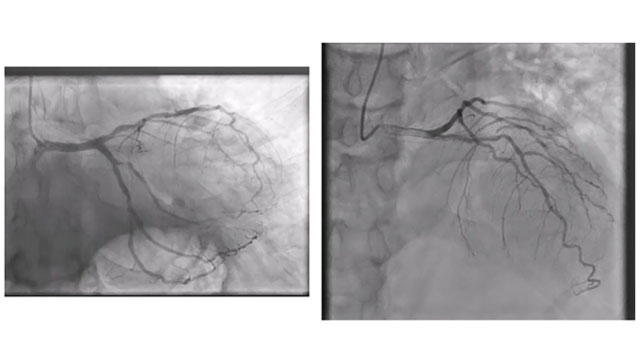
Left main PCI
21 May 2026 – From EuroPCR 2026
This session addresses the complexities of percutaneous coronary intervention (PCI) involving the left main coronary artery. It features challenging clinical cases including acute total occlusion with cardiogenic shock, innovative techniques like the inverted Double TAP for trifurcations, mechanical circulatory support integration, management of stent complications, and...
TAVI procedural challenges
21 May 2026 – From EuroPCR 2026
This session examines procedural challenges encountered during Transcatheter Aortic Valve Implantation (TAVI), especially in complex anatomical and clinical contexts. Topics include TAVI after prior mitral valve procedures, combined use of left ventricular assist devices and rotablation, navigating challenging aortic anatomies, and managing extensive calcification. The session...
Spotlight - TAVI durability: contemporary evidence and future directions
21 May 2026 – From EuroPCR 2026
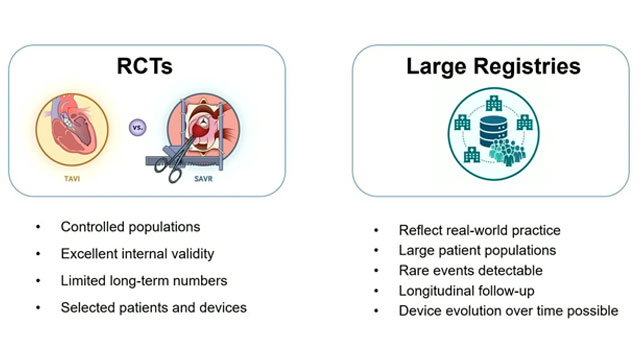
Focusing on TAVI durability, this session reviews recent clinical evidence from randomized trials and large registries, examining procedural and device-related factors influencing long-term valve performance. It also discusses challenges in follow-up and implications for future trial designs and device monitoring.
Innovative strategies in STEMI management
22 May 2026 – From EuroPCR 2026
This session presents innovative strategies in STEMI management, including the treatment of acute saphenous vein graft occlusion, primary PCI via the left internal mammary artery, and a two-step lesion debulking approach. It also covers hybrid drug-coated balloon strategies in complex multivessel disease and the emerging role...
Multivessel complications: what can go wrong
21 May 2026 – From EuroPCR 2026
This session highlights complications encountered in multivessel coronary interventions, presenting complex cases such as lost stents, coronary perforations, shaft fractures, early subacute stent thrombosis, and rare triple vessel thrombosis. It emphasizes practical management strategies for these challenging scenarios in contemporary interventional cardiology.
Challenging cases in calcified lesions PCI
22 May 2026 – From EuroPCR 2026
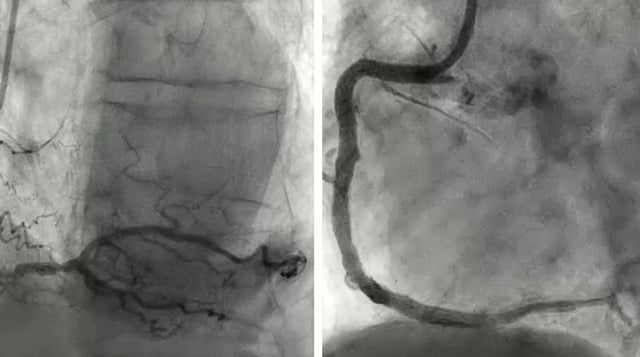
This session addresses challenging cases in PCI of heavily calcified lesions. It covers unexpected complications such as silent shockwave failures, interventions in calcified Kawasaki disease, delayed coronary obstructions post-TAVI, and complex left main bifurcation lesions. The session underscores the perseverance required to successfully navigate these demanding...
New data on intracoronary imaging-guided interventions
21 May 2026 – From EuroPCR 2026
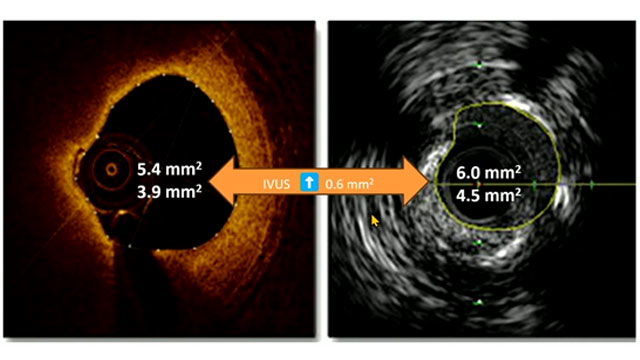
This session presents new data on intracoronary imaging-guided interventions, comparing outcomes of angiography-derived FFR and IVUS-guided PCI over two years, as well as OCT versus IVUS for intermediate left main stenosis. It further evaluates high-risk non-culprit lesions post-myocardial infarction, the role of coronary lipid burden in...
When anatomy surprises: closing rare fistulae
21 May 2026 – From EuroPCR 2026
This session focuses on the percutaneous closure of rare and complex cardiac fistulae and related vascular anomalies. It presents diverse cases such as superior vena cava syndrome from pacemaker leads, iatrogenic aorta-to-left atrium fistula, and unusual cardio-pulmonary connections, illustrating advanced interventional techniques to address unexpected anatomical...
All you need to know of DAPT in ACS
21 May 2026 – From EuroPCR 2026
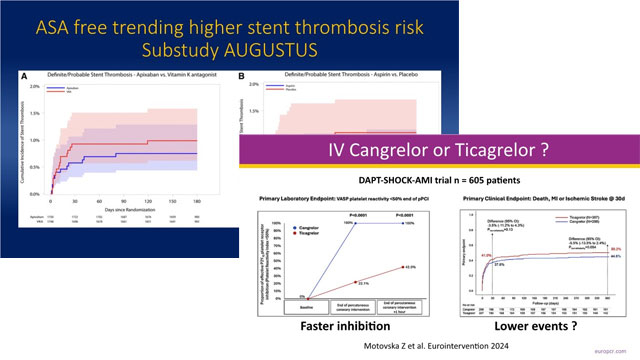
This session provides an in-depth review of dual antiplatelet therapy (DAPT) in acute coronary syndrome (ACS), focusing on strategies for safe de-escalation and P2Y12 inhibitor monotherapy to reduce bleeding risk without compromising ischemic protection. It also covers optimizing antithrombotic therapy in patients on oral anticoagulation and...
Complex calcified lesion: LIVE Educational Case from Leipzig Heart Centre - Leipzig, Germany
22 May 2026 – From EuroPCR 2026
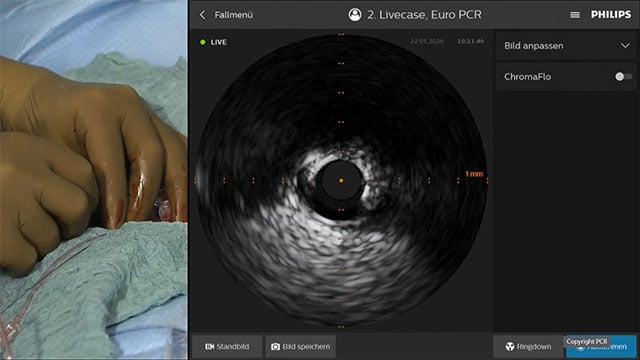
This session from Leipzig Heart Centre offers an in-depth exploration of complex calcified coronary lesions. It covers the challenges in managing these lesions, emphasizes effective preparation strategies, and highlights the essential role of intravascular imaging. The session includes patient presentation, detailed imaging analysis, strategic operator planning,...
A series of complex real-word challenges STEMI treatment from very different countries
21 May 2026 – From EuroPCR 2026
This session showcases a series of complex STEMI treatment challenges from diverse international settings, highlighting difficult coronary anatomies and complicated procedures. It discusses nuanced clinical scenarios where artery recanalisation does not always equate to reperfusion, and presents stepwise approaches to managing multivessel disease, renal failure, and...
Assessing coronaries in ACS with intracoronary imaging
21 May 2026 – From EuroPCR 2026
This session highlights the critical role of intracoronary imaging in evaluating acute coronary syndromes (ACS). It discusses the management of complex lesion morphologies involving calcium and thrombus, the diagnostic power of OCT in decision-making, challenges beyond angiography in right coronary artery pathology, and the identification of...
TAVI sub-studies - Beyond the primary endpoint
21 May 2026 – From EuroPCR 2026
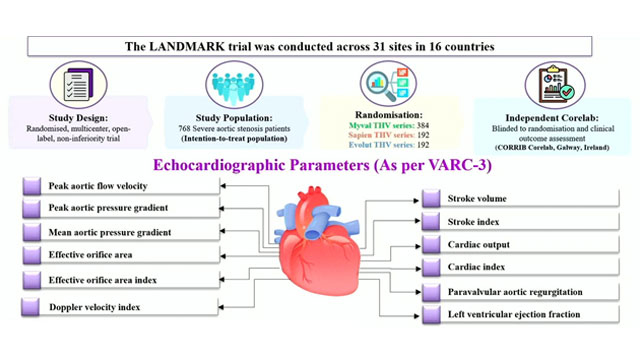
This session reviews key sub-studies from major TAVI trials that extend beyond primary endpoints to provide a deeper understanding of valve performance and patient outcomes. It covers comparisons between balloon-expandable and self-expanding valves, long-term real-world data on the Myval valve, echocardiographic outcomes, composite endpoint analyses, and...