261 results
Multimodality imaging and physiology for MINOCA diagnosis
20 May 2025 – From EuroPCR 2025
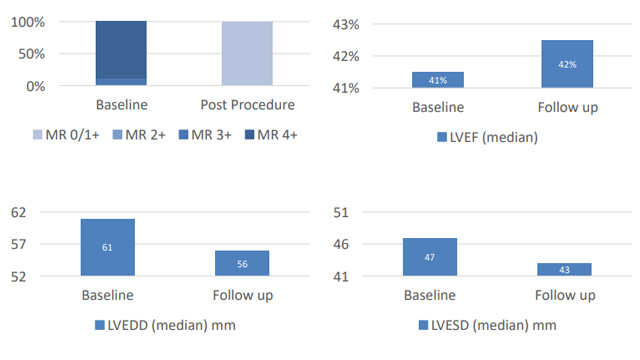
This session highlights the power of multimodality imaging and physiology in diagnosing MINOCA. Topics include detecting hidden plaque vulnerability, managing unexpected diagnoses beyond MINOCA, decision-making on stenting, AI's added value, and lessons from recurrent cases.
PCR's Got Talent Round 1 - Session 1
20 May 2025 – From EuroPCR 2025
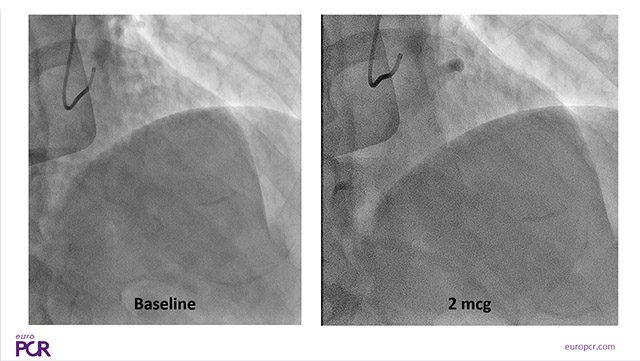
Experience a diverse range of cutting-edge interventional cardiology topics in PCR's Got Talent Round 1. This session features presentations on PFO closure outcomes, plaque morphology, vascular injury treatments, microvascular disease assessment, TAVI-related coronary obstruction prediction, novel FFR surrogates, and more.
Rotational atherectomy, lithotripsy, or laser for calcified coronary stenosis: the ROLLER COASTR-EPIC22 trial
24 Mar 2025
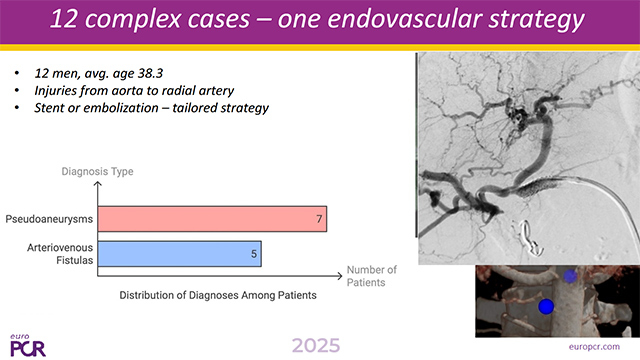
Due to a lack of randomised evidence, this randomised controlled trial (RCT) aimed to compare the safety and efficacy of IVL and ELCA with RA in treating heavily calcified coronary lesions before drug-eluting stent implantation.

Reviewer

Reviewer
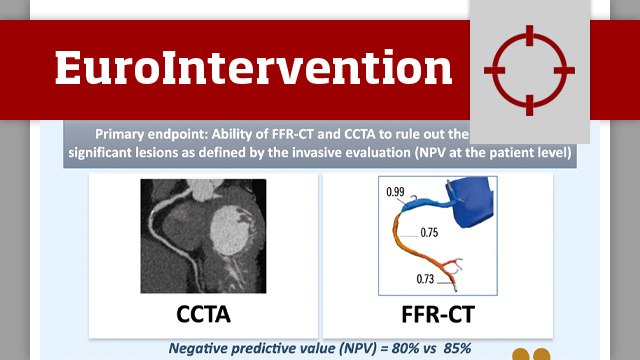
Usefulness of FFR-CT to exclude haemodynamically significant lesions in high-risk NSTE-ACS
07 Mar 2025
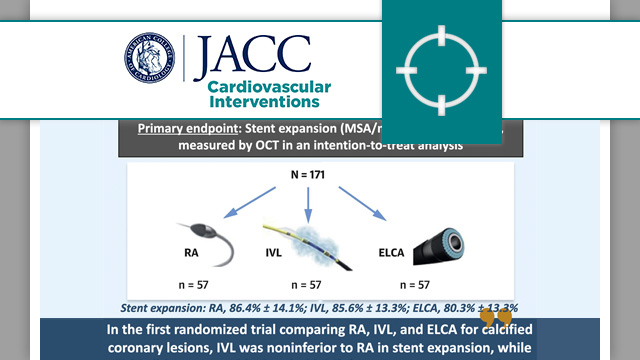
This single-arm, double-blinded, core-laboratory adjudicated, prospective trial, conducted across four European centers between August 2019 and April 2022, investigates whether CCTA and FFR-CT are able to exclude hemodynamically significant coronary stenoses in patients with high-risk NSTE-ACS.
Reviewer

Reviewer
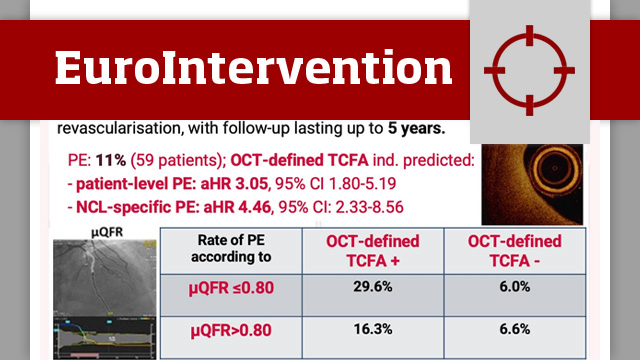
Functional or anatomical assessment of non-culprit lesions in acute myocardial infarction
06 Mar 2025
This study demonstrates that OCT-defined TCFA is a superior prognostic marker compared to μQFR for assessing NCLs in AMI patients.

Reviewer
How should I treat a left main disease with multivessel diffuse CAD? Stenting only the necessary...
28 Feb 2025
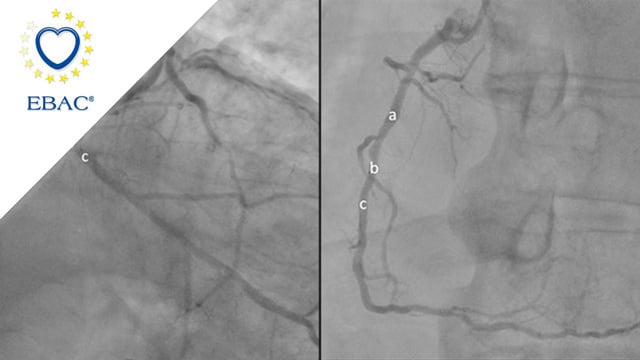
A 71-year-old male patient with a clinicial history of hypertension, dyslipidemia and active smoking was admitted for NSTEMI.
Coronary angiography showed a left main (LM) stenosis involving the bifurcation and proximal parts of the left anterior descending (LAD) and left circumflex (LCx) arteries. Right coronary artery (RCA) showed a severe...

Author
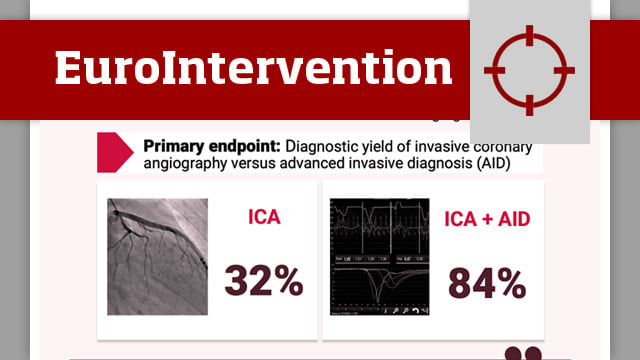
Comprehensive diagnosis in chronic coronary syndromes combining angiography and intracoronary testing: the AID-ANGIO study
18 Feb 2025
The authors hypothesized that enriching invasive coronary angiography (ICA) with an advanced invasive diagnosis (AID) strategy would increase the diagnostic yield of obstructive and non-obstructive coronary artery disease (INOCA).

Reviewer

Reviewer
PCRonline @ ACC.25 Scientific Sessions
07 Feb 2025
Live updates on a selection of major Late Breaking Clinical Trials of interest in interventional cardiology presented at the American College of Cardiology 2025 Scientific Sessions #ACC25
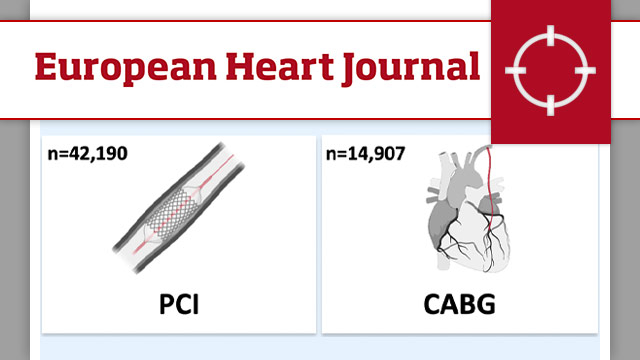
Percutaneous vs. Surgical revascularization of non-ST-segment elevation myocardial infarction with multivessel disease: The SWEDEHEART registry
02 Jan 2025
This registry-based observational study compares surgical and percutaneous revascularization in patients with multivessel disease who underwent treatment for non-ST-segment elevation myocardial infarction (NSTEMI), utilizing data extracted from the SWEDEHEART registry.
Reviewer
Reviewer
Interventional pot pourri #1
19 Dec 2024 – From GulfPCR-GIM 2024
Dive into this 'Interventional potpourri' session for a diverse array of captivating case studies and innovative techniques in interventional cardiology. Explore an anomalous right coronary artery origin, tackle a complex and poorly understood lesion, discover the integration of artificial intelligence in stentless PCI, and master the...
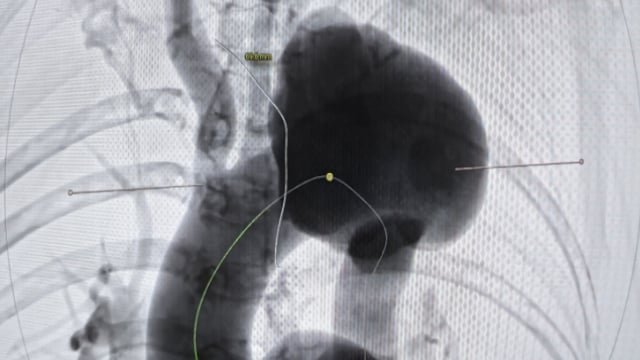
When complications storm through the cathlab #2
19 Dec 2024 – From GulfPCR-GIM 2024
Brace yourself as we delve into a captivating session showcasing a series of complex and challenging complications that can arise in the catheterization laboratory. From a coiling gone awry to a stuck burr in an elderly patient, this session offers invaluable insights and strategies for navigating...
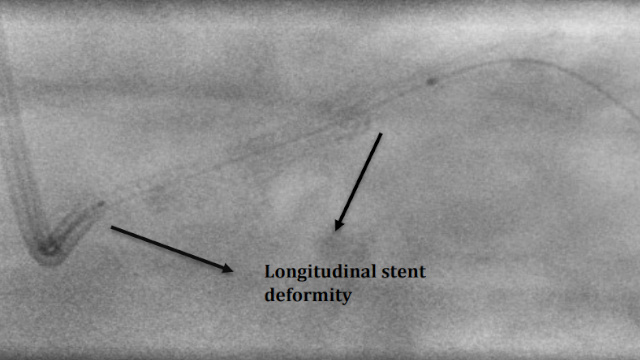
Interventional pot pourri #2
19 Dec 2024 – From GulfPCR-GIM 2024
This interventional potpourri session covers a diverse range of challenging cases in interventional cardiology. From a case of failed balloon angioplasty in a non-dilatable calcified lesion to an innovative approach for treating isolated side branch osteal lesions, this session offers valuable insights and practical solutions. Discover...
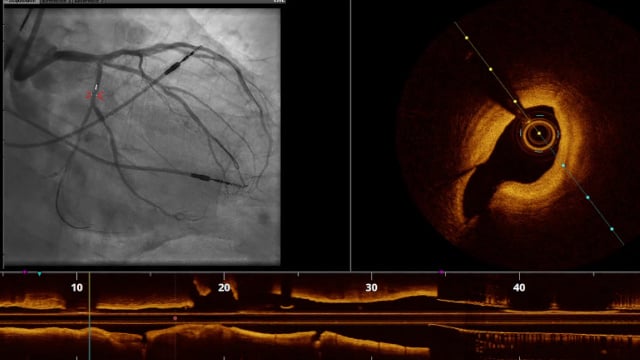
Best abstracts session #1
18 Dec 2024 – From GulfPCR-GIM 2024
Join us for this dynamic 'Best Abstracts' session, where we delve into the latest research and insights from the world of interventional cardiology. Explore a diverse range of topics, from the use of E/e ratio as a marker for predicting periprocedural myocardial infarction in diabetic patients,...
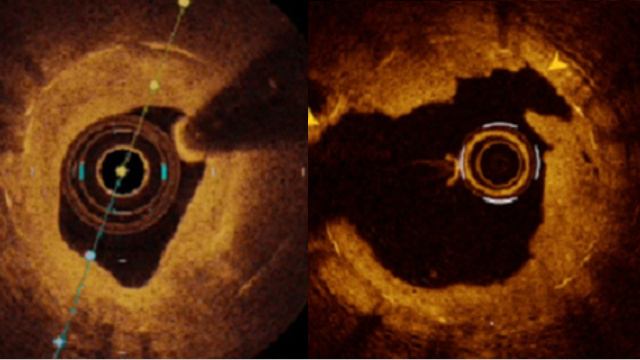
The DCB kissing technique as a durable solution in treatment of recurring left main in-stent restenosis
18 Nov 2024
A 73-year-old male with complex recurrent in-stent restenosis of the left main underwent an innovative treatment approach. Six-month follow-up revealed remarkable recovery and positive remodelling. Discover how Piotr Buszman and Mateusz Kachel tackled this challenging case.
#div-gpt-pcro_sidebar_topic {display:none !important;}
Author
Author

Complex NSTEMI interventions: Bifurcation and calcification management strategies
05 Oct 2024 – From AICT-AsiaPCR 2024
Explore a diverse array of challenging NSTEMI cases in this session, curated from the AICT-AsiaPCR 2024 conference. Witness innovative approaches to managing bifurcation lesions, tackling calcified and complex coronary anatomy, and navigating double complications. Gain valuable insights from experienced interventionalists as they share their strategies for...
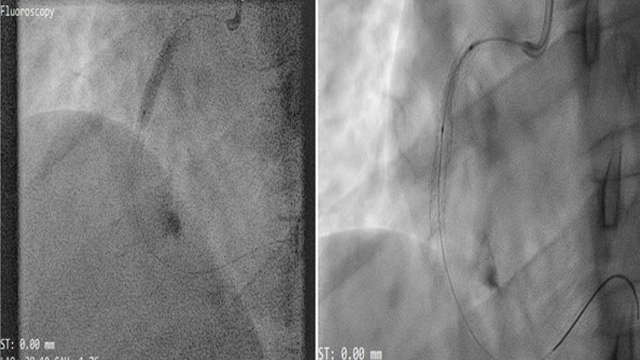
Hybrid procedure: Stent and DCB for a long diffuse lesion - LIVE case
05 Oct 2024 – From AICT-AsiaPCR 2024
A 40-year-old male with no comorbidities presented an NSTEMI. The angiography showed a focus lesion on the mid-CX and a diffuse lesion on the mid and distal LAD. The LAD FFR are 0.49 with a diffuse pullback gradient.
After Stent in mid-CX guided by OCT, the operators...
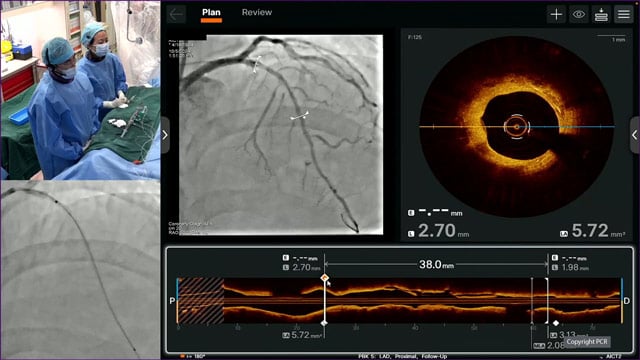
NSTEMI case studies: Innovative solutions for calcified lesions and coronary leaks
04 Oct 2024 – From AICT-AsiaPCR 2024
Dive into this comprehensive NSTEMI session, featuring a selection of compelling clinical case submissions from AICT-AsiaPCR 2024. Explore various challenging scenarios, including the management of calcified coronary interventions, plugging leaks, addressing severe calcified lesions with rotational atherectomy, and navigating refractory in-stent restenosis. Discover innovative approaches and...
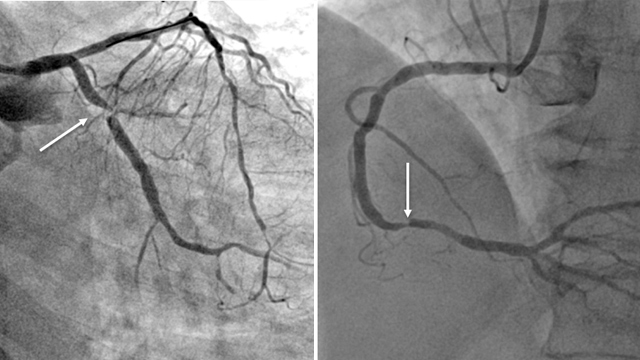
Breakthrough studies: Key abstracts on PCI, TAVI and mitral valve repair
04 Oct 2024 – From AICT-AsiaPCR 2024
Discover the cutting-edge research and innovative solutions presented in the 'Best Abstracts of AICT-AsiaPCR 2024' session. This curated selection showcases the latest advancements in interventional cardiology, from groundbreaking comparisons of transcatheter mitral valve repair techniques to the impact of cerebral embolic protection devices in TAVI procedures....
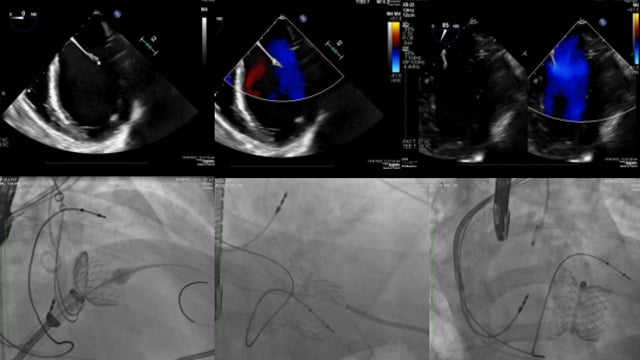
Best clinical cases: Stent degloving, valve defects, and calcified lesions
04 Oct 2024 – From AICT-AsiaPCR 2024
Immerse yourself in a captivating collection of best clinical cases from AICT-AsiaPCR 2024. Witness the ingenuity and expertise of interventional cardiologists as they navigate complex scenarios, from addressing stuck prosthetic mitral valves to managing unconventional calcified lesions. Discover unique approaches, innovative solutions, and valuable lessons that...
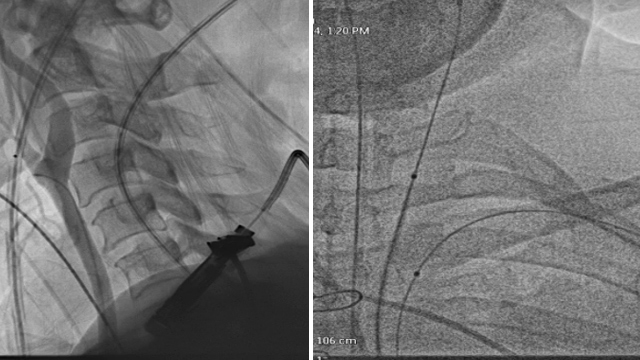
Latest advances in interventional cardiology: Top abstracts on TAVI, PCI, and mitral valve repair
04 Oct 2024 – From AICT-AsiaPCR 2024
Discover the cutting-edge research and innovative solutions presented in the 'Best Abstracts of AICT-AsiaPCR 2024' session. This curated selection showcases the latest advancements in interventional cardiology, from groundbreaking comparisons of transcatheter mitral valve repair techniques to the impact of cerebral embolic protection devices in TAVI procedures....