109 results
Catheter-based left atrial appendage closure guided by intracardiac echocardiography in a patient with recurrent esophageal variceal bleedings
06 Jul 2026
A 76-year-old patient with permanent atrial fibrillation and recurrent oesophageal variceal bleeding can no longer receive oral anticoagulation, leaving stroke prevention as a major challenge. How would you manage this complex balance between thromboembolic and bleeding risk?
Frequency of the problem:
Expert level:

Author
Editorial - The Essentials of left atrial appendage closure
06 Jul 2026
Philippe Garot introduces this special report, which brings together leading experts to review the latest evidence, practical considerations and future directions in LAAC.

Author

Very small LAA with a challenging closure
15 Jul 2026
Recurrent strokes despite anticoagulation, a failed first attempt at left atrial appendage closure (LAAC), and a challenging small chicken-wing anatomy: this case brings together several factors that complicate procedural planning and device selection.
In a 65-year-old woman with paroxysmal atrial fibrillation, pre-procedural TOE and CT imaging highlighted...

Author
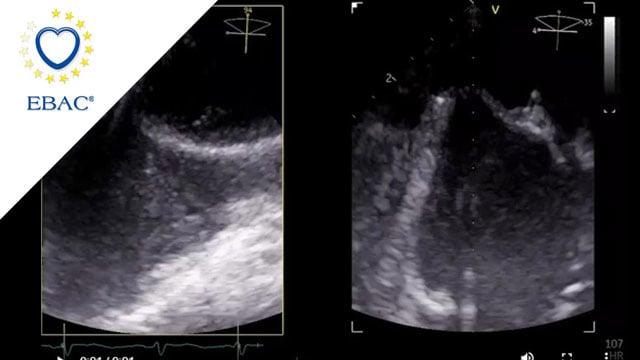
Combined mitral repair and LAA closure with two separate septal punctures - LIVE case
Recommended by PCR
21 May 2026 – From EuroPCR 2026
A 79‑year‑old man with hypertension, a history of basal cell carcinoma and psoriasis, presented with symptomatic severe primary MR (flail P2 due to ruptured chordae) and bleeding complications (recurrent skin bleeding) while on DOAC therapy for permanent atrial fibrillation.
Two G5 MitraClip devices were implanted. Subsequently, through...
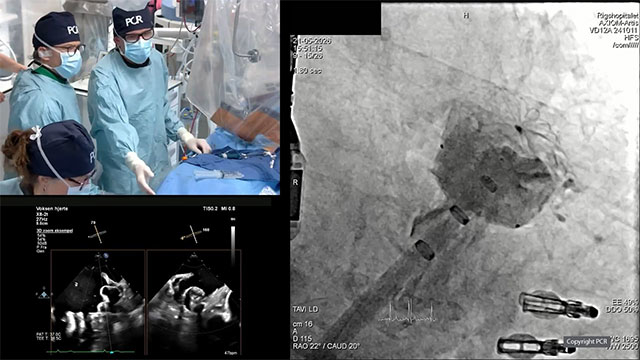
Outcomes of LAA closure vs. DOAC in patients with atrial fibrillation across different age groups
21 May 2026 – From EuroPCR 2026
This major late-breaking trial from EuroPCR 2026 highlights new insights from the CHAMPION AF study, one of the largest randomised trials comparing left atrial appendage closure (LAAC) with direct oral anticoagulants (DOACs) in patients with atrial fibrillation. In this interview, Philippe Garot and Jens Erik Nielsen-Kudsk...
Seeing differently, treating better: advanced imaging shaping modern structural heart practice
20 May 2026 – From EuroPCR 2026
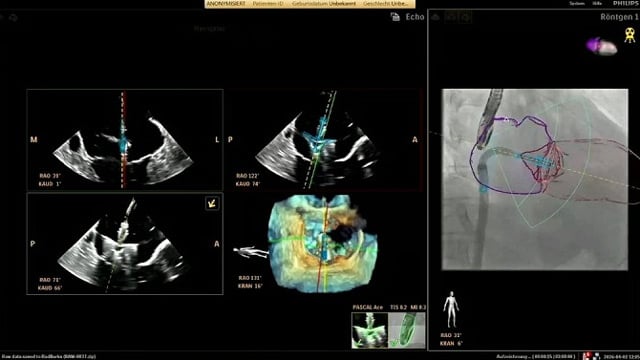
This session explores the transformative role of advanced imaging, particularly 3D intracardiac echocardiography (ICE), in modern structural heart interventions. It provides practical insights into implementation, highlighting how these tools can enhance workflow efficiency and procedural confidence across transcatheter edge-to-edge repair (TEER), left atrial appendage (LAA) closure,...
Spotlight on major Late-Breaking Trials presented at EuroPCR 2026
20 May 2026
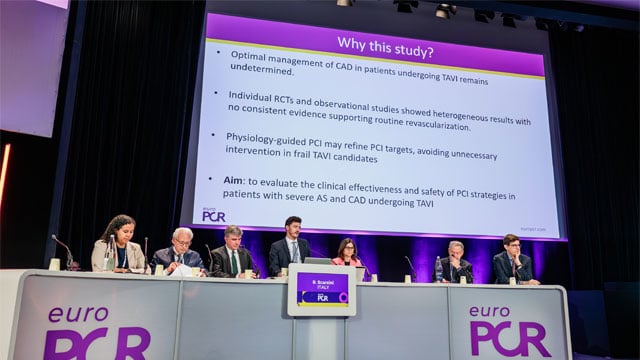
These trials were selected for their design, results, and potential to impact clinical practice: discover the key findings of an IPD meta-analysis on coronary revascularisation in TAVI patients, a long-term comparison of PCI vs. CABG for left main disease, and a study on LAA closure vs....
How to become a CHAMPION in LAA closure
19 May 2026 – From EuroPCR 2026
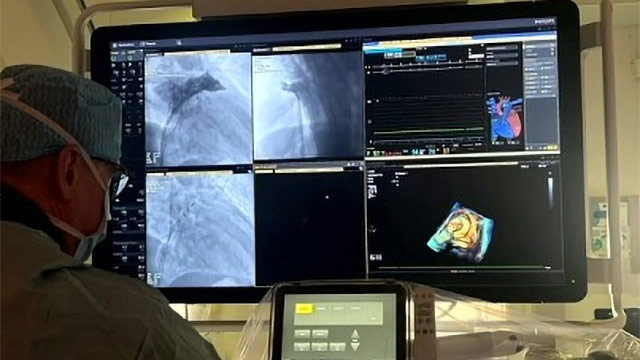
This session reviews the latest CHAMPION AF trial data and its implications for left atrial appendage (LAA) closure in patients with atrial fibrillation.
It explores how emerging evidence may influence clinical practice and patient selection, and how LAA closure could evolve across different atrial fibrillation populations.
A recorded...
EuroPCR 2026 – Outcomes with left atrial appendage closure vs. direct oral anticoagulants in patients with atrial fibrillation across different age groups
20 May 2026
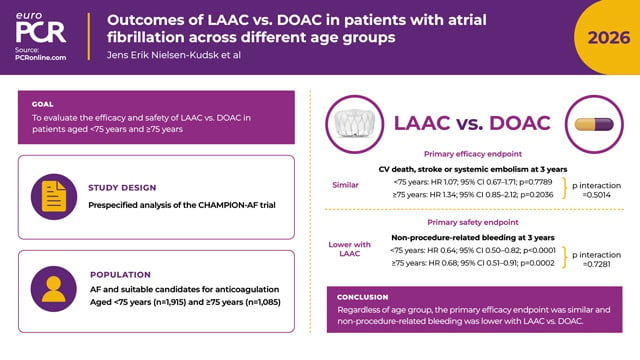
Paris, France, 19−22 May 2026. The EuroPCR Course Directors have selected 3 major late-breaking trials that will be presented for the first time during EuroPCR 2026 and are set to impact practice worldwide. Among them is a subgroup analysis of the CHAMPION-AF trial investigating stroke-prevention strategies...
LAA closure: Will CHAMPION-AF change guidelines and clinical practice?
24 Jun 2026
Tom De Potter explores the evolving role of left atrial appendage closure (LAAC), highlighting how recent evidence is reshaping stroke prevention strategies and expanding its place in the management of atrial fibrillation.

Author