3644 results for «2836»
3644 results
Images that speak for themselves
20 May 2026 – From EuroPCR 2026
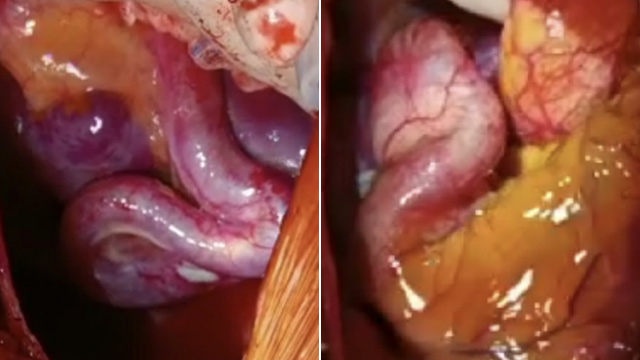
This visually-driven session presents compelling clinical cases where imaging played a decisive role. Cases include unexpected challenges following transcatheter tricuspid valve replacement, severe hypertension in a young athlete, atypical coronary artery anatomy, critical moments of cardiac arrest, and unique coronary artery findings resembling a spider web.
Complex patients with NSTEMI
20 May 2026 – From EuroPCR 2026
This session addresses the complexity of managing NSTEMI patients with challenging clinical presentations, including concurrent vessel and valve disease, thrombus burden, and atypical angiographic findings. It offers practical strategies for diagnosis and intervention to optimize patient outcomes.
Complex distal LM PCI challenges (trifurcations and more)
20 May 2026 – From EuroPCR 2026
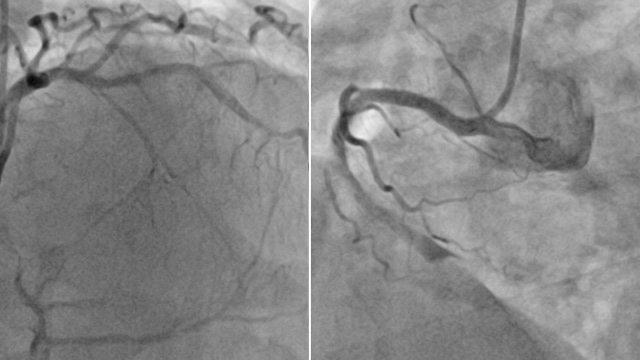
Focusing on the intricacies of complex distal left main PCI, this session covers challenging trifurcation lesions and emergency interventions. It includes IVUS-guided approaches for trifurcation PCI, management of calcified left main trifurcations, and multidisciplinary team rescue strategies for unstable left main bifurcation disease.
Atypical STEMI presentations
20 May 2026 – From EuroPCR 2026
Investigate atypical presentations of STEMI and the unique challenges they pose in clinical management. This session covers case studies including high bleeding risk patients, mechanical complications post-surgery, spontaneous coronary artery dissection, and recurrent events, emphasizing tailored therapeutic approaches.
Innovations in structural interventions
20 May 2026 – From EuroPCR 2026
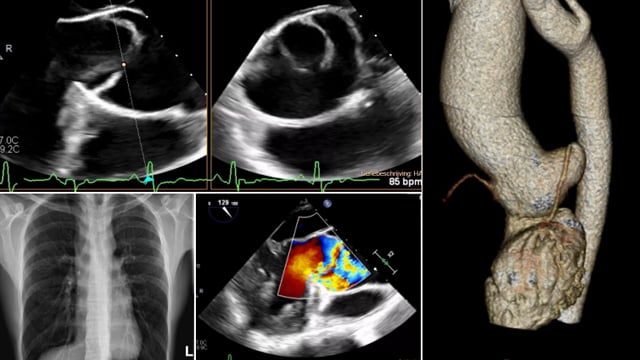
Highlighting the forefront of structural heart interventions, this session presents innovations including novel devices and technologies from industry leaders. It features advancements such as a new transseptal left atrial fixation device designed to expand the suitability of transcatheter mitral valve replacement (TMVR).
Cardiogenic shock: identifying the cause and tailoring the treatment
20 May 2026 – From EuroPCR 2026
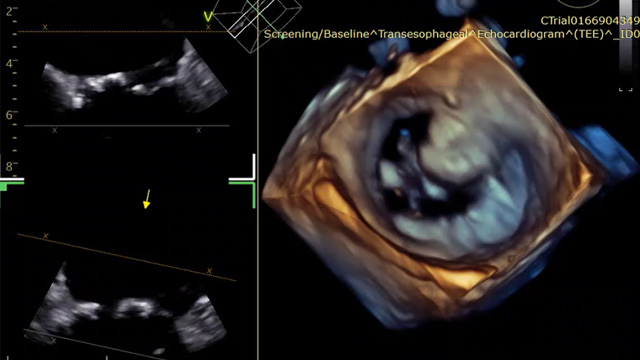
This session focuses on the critical evaluation and management of cardiogenic shock by identifying its underlying causes and tailoring treatment accordingly. It presents complex cases including free wall rupture bail-out strategies, management dilemmas in inferior STEMI complicated by incomplete ventricular rupture, multifactorial culprit lesions, refractory hypotension...
TTVR: novel techniques and new horizons
20 May 2026 – From EuroPCR 2026
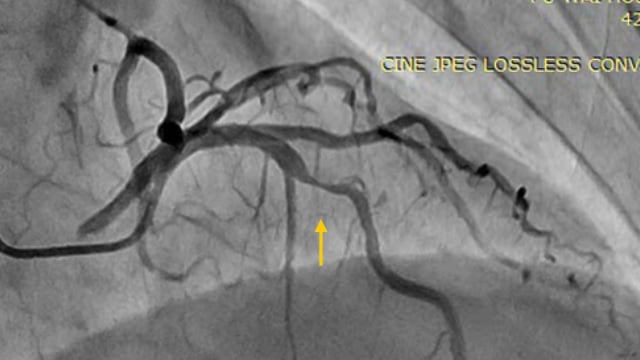
Explore novel techniques and emerging technologies in transcatheter tricuspid valve replacement (TTVR). This session showcases innovative devices and approaches, early clinical experiences, and strategies to address challenges such as pacemaker leads and failed tricuspid TEER procedures.
Complications in coronary interventions
20 May 2026 – From EuroPCR 2026
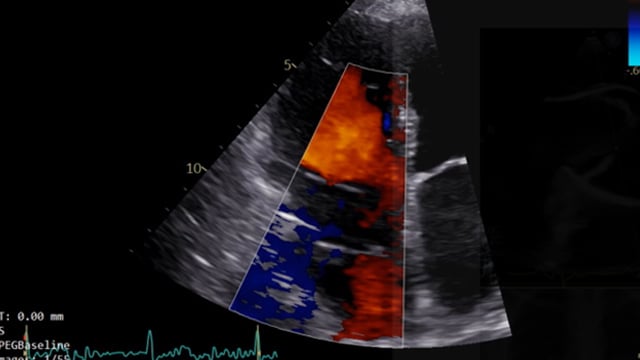
This session reviews uncommon and challenging complications encountered during coronary interventions. Cases include brachial arteriovenous fistula following radial access, retained guidewires, coronary sinus perforation during device implantation, and complex atherectomy procedures, emphasizing preparedness and management strategies.
Bifurcation PCI with complications - Part 2
20 May 2026 – From EuroPCR 2026
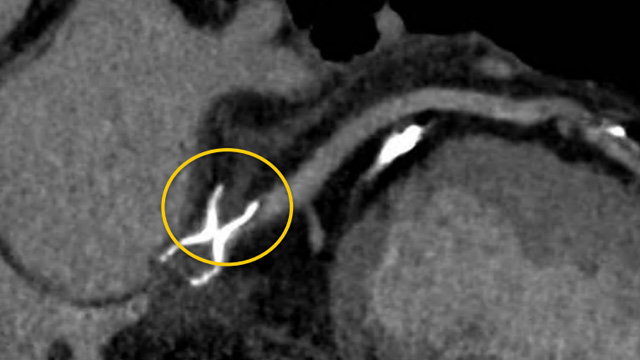
This session addresses the challenges and complications encountered during bifurcation PCI. Topics include managing the hairpin hazard, advanced techniques for coronary guidewire entrapment, dual device failure in complex interventions, strategies for trifurcation lesions, and the implications of tissue entrapment in malapposed stents within the left main...
Stentless PCI, DCB and BVS in complex scenarios
20 May 2026 – From EuroPCR 2026
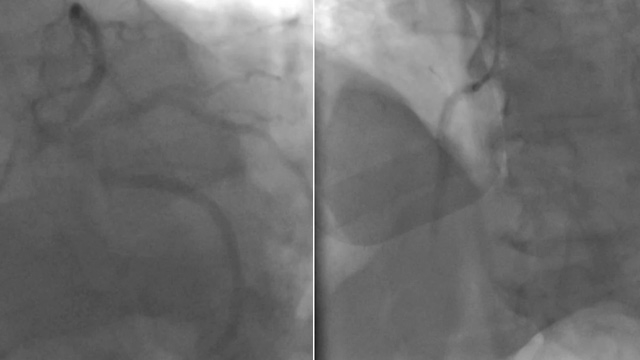
This session explores the use of stentless percutaneous coronary interventions (PCI) employing drug-coated balloons (DCB) and bioresorbable scaffolds (BVS) in complex coronary scenarios. Through detailed case discussions, it addresses decision-making processes, technical considerations, and practical tips for successfully completing PCI without permanent stenting.
First-in-human studies in cardiovascular devices: from first 10 patients to global innovation — How efficient early studies advance emerging technologies
20 May 2026 – From EuroPCR 2026
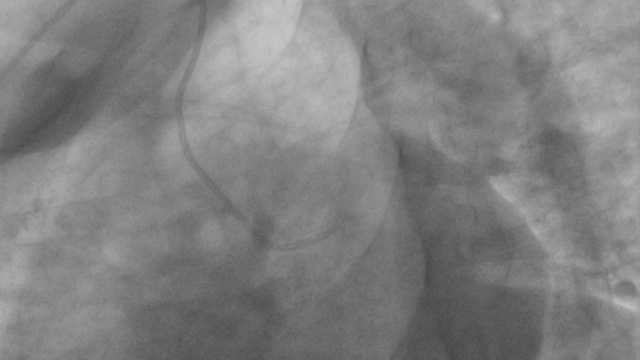
Understand the pivotal role of first-in-human studies in advancing cardiovascular device innovation through operational insights from early patient experiences. This session reviews cutting-edge technologies including percutaneous left ventricular assist devices, transcatheter leaflet augmentation, physiology-guided PCI, synchronized diaphragmatic stimulation, pulmonary artery denervation, and perspectives on translating early...
DCB - Going beyond in-stent restenosis
20 May 2026 – From EuroPCR 2026
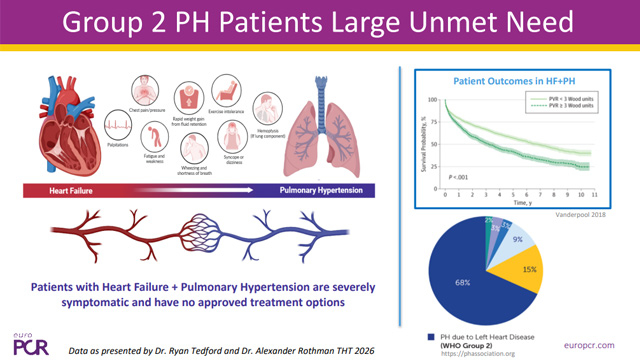
This session examines the expanding role of drug-coated balloons (DCB) beyond in-stent restenosis, including treatment of acute coronary syndromes, calcified lesions, and bifurcations. It reviews current evidence supporting DCB-based revascularization and outlines essential procedural steps to optimize outcomes.
Prognostics elements on multivessel disease and coronary artery disease
20 May 2026 – From EuroPCR 2026
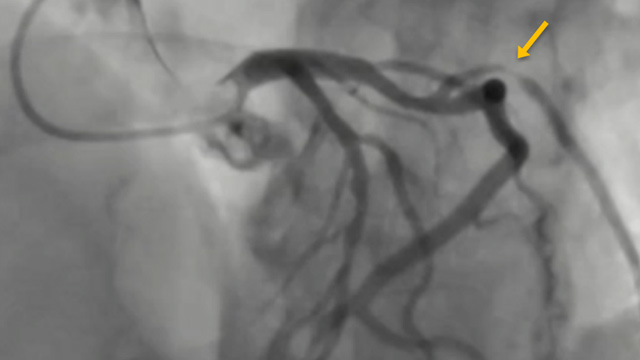
This session examines key prognostic elements in multivessel and coronary artery disease, featuring studies on mechanical circulatory support across LDL-C levels, biomarkers impacting periprocedural myocardial infarction, autologous cell therapy outcomes for refractory angina, and novel risk stratification indices. It also addresses prognosis in cancer patients and...
Reliability and application of angio-based physiology in daily work
20 May 2026 – From EuroPCR 2026
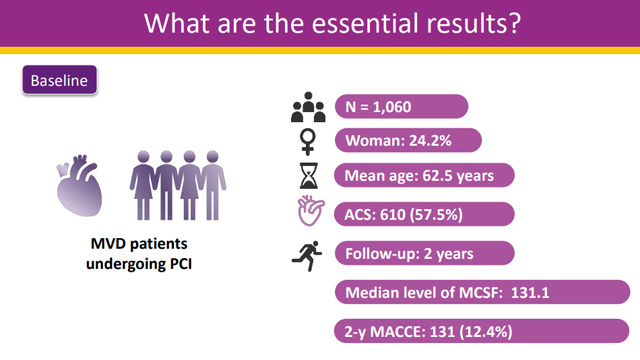
This session evaluates the reliability and clinical application of angiography-based physiological assessments in daily practice. Topics include comparisons of angiography-derived microvascular resistance and flow metrics with invasive methods, reproducibility of quantitative flow ratio (QFR), and its correlation with symptom burden and other imaging modalities.
Expect the unexpected when treating calcified lesions
20 May 2026 – From EuroPCR 2026
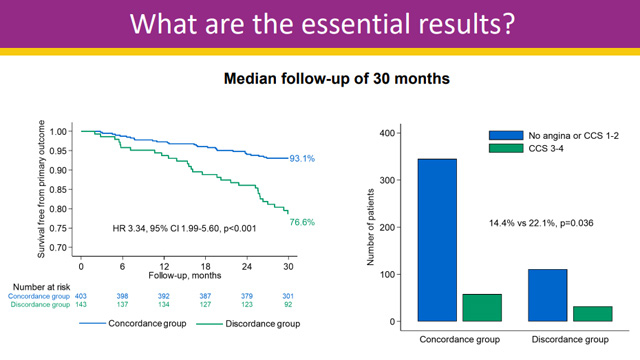
Addressing the unexpected challenges in treating calcified lesions, this session showcases novel combined strategies for managing distal small-vessel coronary perforations, alongside complex case studies involving perforations, dissections, and stent complications related to calcified nodules. It provides valuable insights into rescue techniques and complication management to improve...
Mitral valve-in-valve, valve-in-ring, valve-in-mac: the good, the bad and the ugly
20 May 2026 – From EuroPCR 2026
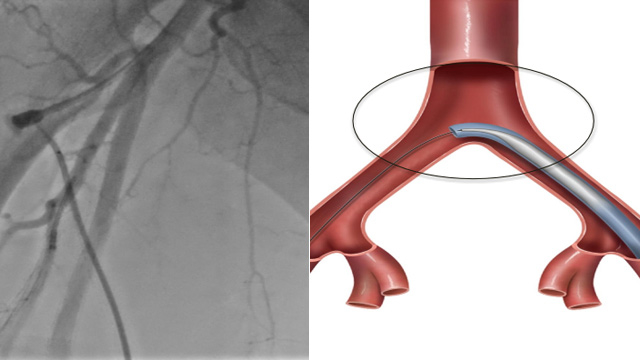
This session delves into the complexities of mitral valve interventions, focusing on valve-in-valve, valve-in-ring, and valve-in-mitral annular calcification (MAC) procedures. It addresses troubleshooting in high-risk valve-in-MAC cases, urgent transcatheter mitral valve implantation supported by microaxial flow pumps, challenges in delivering balloon expandable valves transeptally, and innovative...
When the angiogram shows no answer for your AMI patient: what's next?
20 May 2026 – From EuroPCR 2026
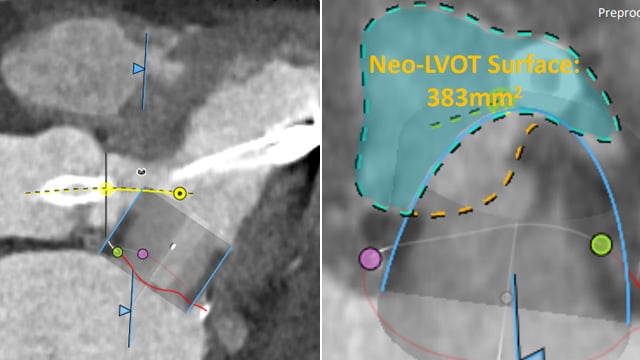
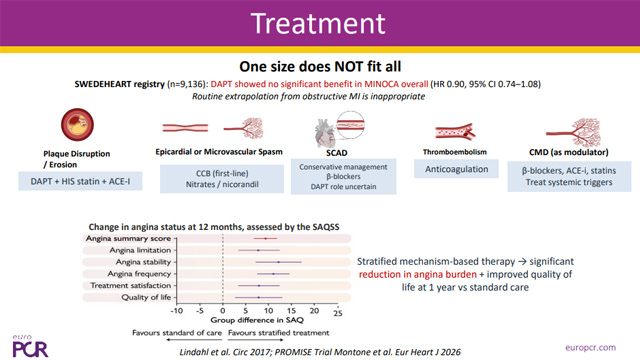
This session focuses on non-occlusive causes of acute coronary syndromes (ACS) when angiograms do not reveal clear pathology. It emphasizes the diagnostic value of intracoronary imaging for conditions such as MINOCA and spontaneous coronary artery dissection (SCAD), and discusses optimal treatment strategies and prognostic considerations.
Imaging to the rescue in LAA closure
20 May 2026 – From EuroPCR 2026
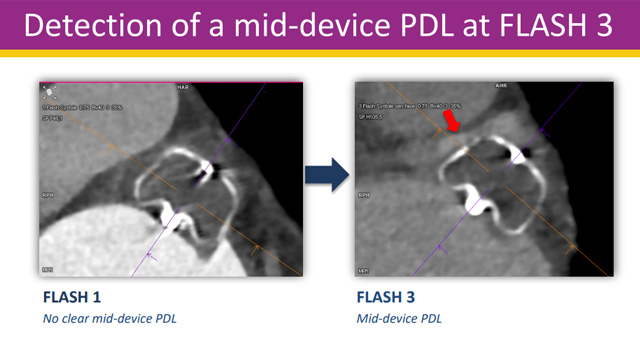
This session highlights the pivotal role of advanced imaging modalities in left atrial appendage (LAA) closure. Topics include novel risk assessment workflows for air embolism, evaluation protocols using cardiac CT and 3D TEE, reproducibility of anatomical classifications, and long-term follow-up outcomes with various imaging techniques.
AI adoption in the cathlab of tomorrow - Risk prediction applications
20 May 2026 – From EuroPCR 2026
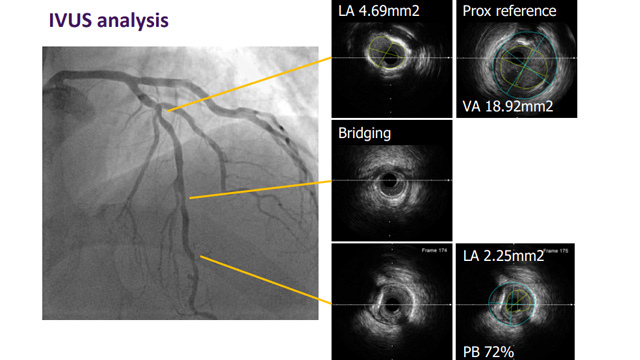
This session delves into the adoption of artificial intelligence in the cath lab, focusing on clinically useful risk prediction models for coronary and structural interventions. It covers advanced AI-guided intravascular imaging, machine learning applications for adverse event prediction, and critical evaluation of model validation and clinical...
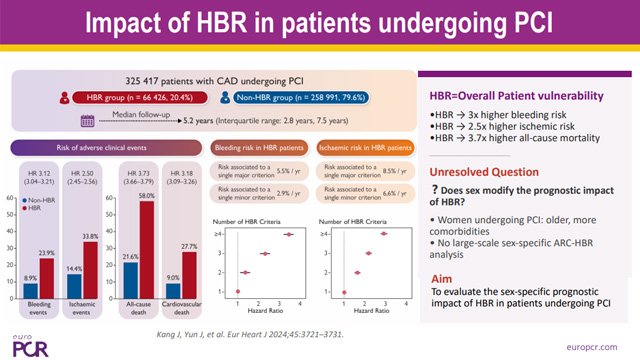
Navigating the complexity of high bleeding risk
20 May 2026 – From EuroPCR 2026
Focusing on patients with high bleeding risk undergoing PCI, this session presents contemporary evidence on prevalence, procedural strategies with different stent types, antiplatelet therapy considerations including diabetic and sex-specific outcomes, and novel technologies such as sirolimus-coated balloons and machine learning models for restenosis prediction.