3652 results for «378»
3652 results
Navigating high-thrombus burden in ACS: precision aspiration thrombectomy with CAT RX
21 May 2026 – From EuroPCR 2026
This session explores the challenges of managing high thrombus burden in patients with acute coronary syndromes (ACS), with a focus on precision aspiration thrombectomy using the CAT RX device. Through case-based examples, it provides practical insights into procedural techniques and examines the role of CAT RX...
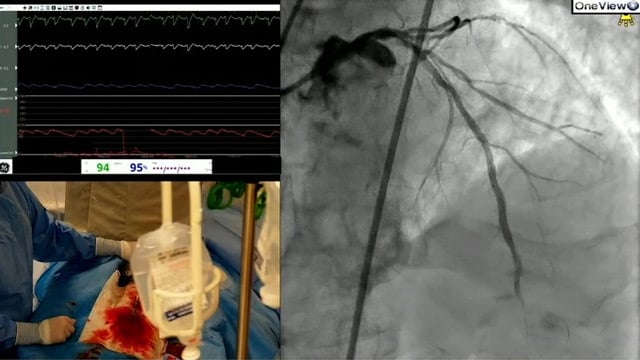
Evolving bifurcation treatment practices: DCB, angio-based FFR and side branch optimisation
19 May 2026 – From EuroPCR 2026
This EuroPCR 2026 session explores the evolving landscape of bifurcation PCI, focusing on drug-coated balloon (DCB) strategies, angio-based fractional flow reserve (FFR) and side branch optimisation. It highlights how new evidence and physiology-guided tools are reshaping decision-making in this complex lesion subset.
Discussions include insights from the...
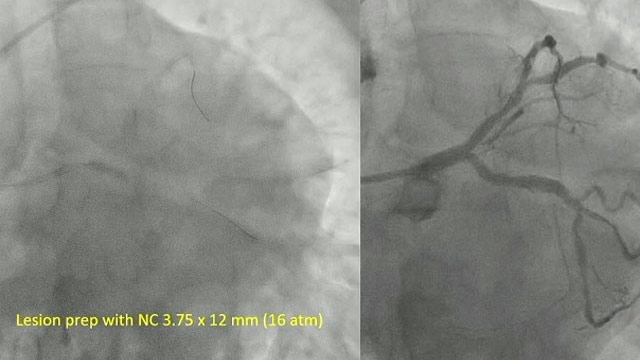
Artificial intelligence-driven precision therapy for TAVI: progress and practice in China
19 May 2026 – From EuroPCR 2026
This EuroPCR 2026 session explores the integration of artificial intelligence into precision therapy for TAVI in China, highlighting its growing role in procedural planning, optimisation and outcome prediction.
Through case-based discussion, it shows how AI-enabled tools can simulate valve deployment and visualise post-TAVR results, supporting more precise...
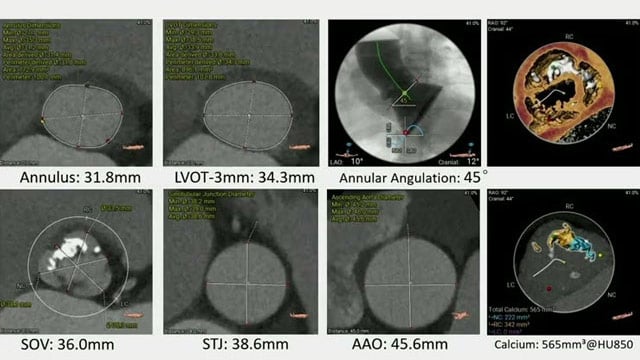
When less is better - Differentiated therapies to safely achieve TR 0-1+
19 May 2026 – From EuroPCR 2026
Therapeutic goals in tricuspid regurgitation are evolving, with increasing emphasis on achieving near-complete elimination of regurgitation (TR 0–1+) through differentiated transcatheter strategies.
This EuroPCR 2026 session explores how transcatheter edge-to-edge repair (TEER) and transcatheter tricuspid valve replacement (TTVR) can be used in a complementary way to reach...
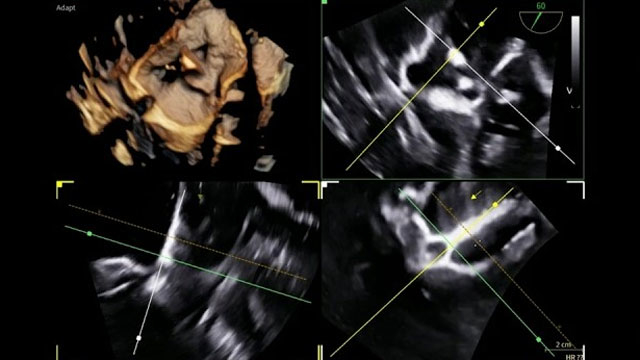
Real world practice inspiring new evidence generation in structural heart
21 May 2026 – From EuroPCR 2026
This LIVE case session showcases real-world clinical practice driving new evidence in structural heart interventions, with a focus on TAVI. It features expert insights into pre-procedural imaging and sizing, treatment strategies, procedural techniques, and post-procedural management. The session also introduces the novel Myval Octapro+ transcatheter heart...
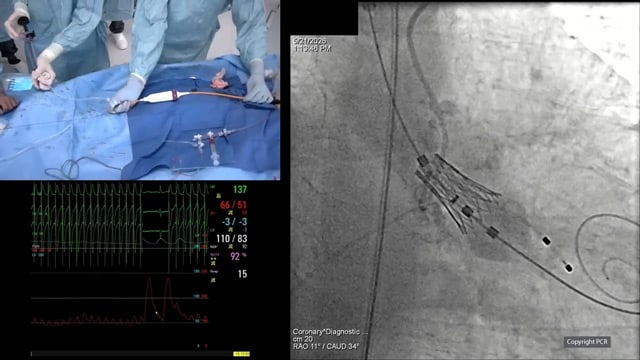
The microcirculation: the next frontier in coronary practice
18 May 2026 – From EuroPCR 2026
Delve into the complexities of coronary microcirculation and its clinical implications. This session highlighted advanced diagnostic techniques such as bolus and continuous thermodilution, the interpretation of microvascular resistance reserve, and practical guidance on establishing a high-impact ANOCA clinic to manage microvascular angina and coronary dysfunction.

Left main and complex bifurcation stenting
21 May 2026 – From EuroPCR 2026
This focused session explores optimal strategies for treating left main and complex bifurcation coronary lesions, a setting that remains both anatomically and technically demanding.
It highlights the role of intracoronary imaging in refining procedural planning and optimising stenting strategy and technique. The discussion also reviews the mechanical...
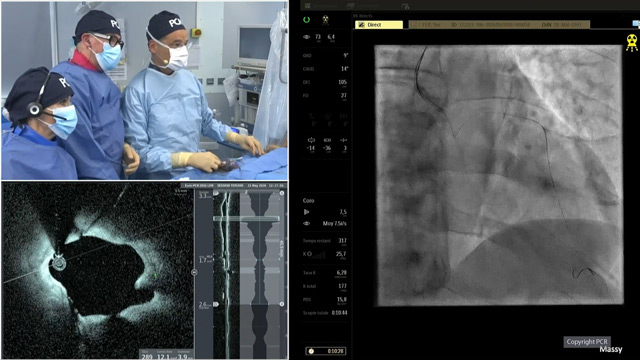
Left main and complex bifurcation stenting
14 May 2024 – From EuroPCR 2024
Watch this session focused on a patient with distal left main stenosis to understand that the stepwise provisional side branch (SB) stenting strategy is the standard approach for most left main trifurcation lesions. Discover the importance of optical frequency domain imaging for strategy determination and bifurcation...
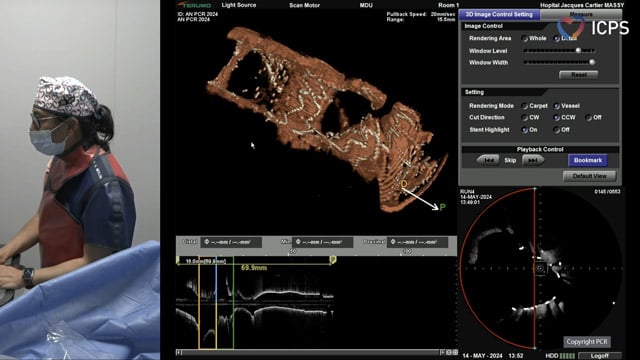
Distal radial approach to reaccess and recanalize the occluded radial artery
30 Apr 2021
A 56-year-old man was re-admitted with chest pain. He had been hospitalized 2 weeks before because of MI, was suffering from metastatic carcinoma with recurrent PTE, and was on long-term subcutaneous heparin...
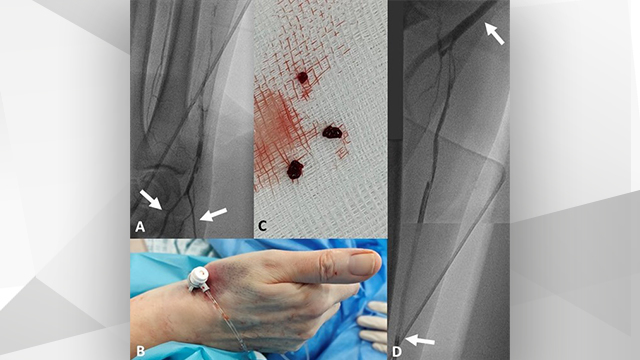
Impact of intravascular imaging guidance on percutaneous coronary intervention of severely calcified lesions: The ECLIPSE trial
29 Mar 2025
Aaysha Cader provides her take on the ECLIPSE trial presented by Gregg W. Stone at ACC.25 in Chicago.

Author

COVID-19: safety and efficacy of the ChAdOx1 nCoV-19 vaccine (AZD1222) against SARS-CoV-2 (AstraZeneca/Oxford)
02 Jan 2021
Examination of the study methodology and results according to the PICOT principle, SWOT analysis and real-world applicability
Long-term beta-blocker treatment after acute myocardial infarction and preserved left ventricular ejection fraction: The REDUCE-AMI Trial
07 Apr 2024
REDUCE-AMI is a multicentre, registry-based, prospective open-label parallel-group randomised clinical trial evaluating the benefit of beta-blocker treatment in patients with acute MI and an ejection fraction >50% treated with a contemporary reperfusion strategy.
Nicola Ryan and Ali Nazmi Calik provide their take on the results which were presented...

Author

Author