3649 results for «471»
3649 results
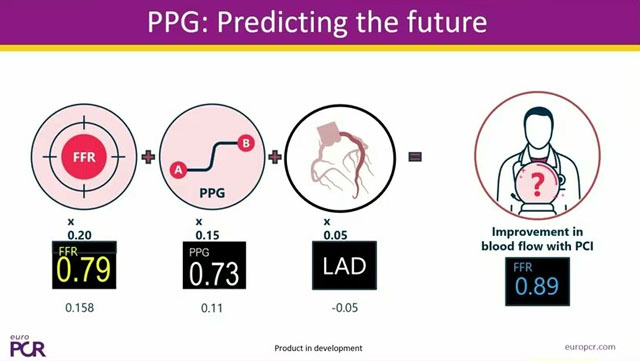
Novelties in epicardial physiology: PPG explained in a simulated environment
20 May 2026 – From EuroPCR 2026
Understanding coronary physiology continues to evolve as new indices aim to refine how epicardial disease is assessed in daily practice.
The perfusion pressure gradient (PPG) index is introduced in this EuroPCR 2026 session as a novel approach to characterising epicardial coronary physiology. Rather than relying solely on...
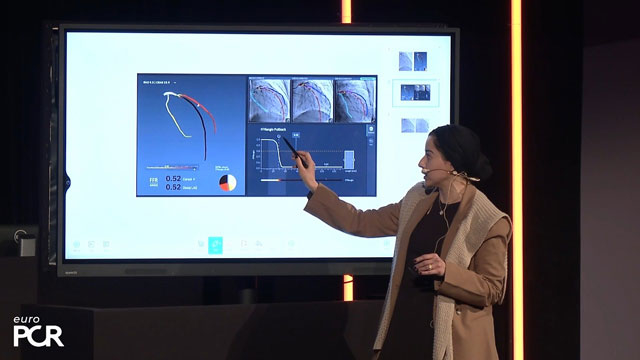
Management of a patient with complex multivessel disease involving bifurcations
19 May 2026 – From EuroPCR 2026
Complex multivessel coronary disease involving bifurcations requires careful procedural planning, imaging guidance and tailored stent strategies.
This EuroPCR 2026 session combines live educational case with insights from the NAGOMI COMPLEX study to explore contemporary approaches to complex PCI. A key focus is placed on the role of...
Landmark interventional randomised controlled trial data and practice guidelines to transform pulmonary embolism care
19 May 2026 – From EuroPCR 2026
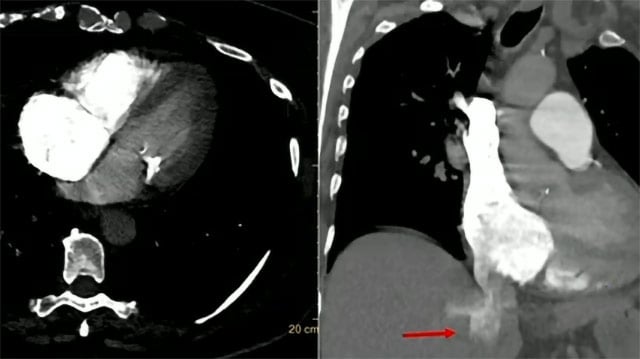
This EuroPCR 2026 session presents landmark randomised controlled trial data shaping interventional treatment of pulmonary embolism, with a focus on translating evidence into clinical practice.
It reviews the HI-PEITHO trial and its implications in intermediate-risk acute PE, where ultrasound-assisted catheter-directed thrombolysis (USCDT) reduced the composite endpoint of...
Advancing mitral transcatheter edge-to-edge repair in complex lesions
20 May 2026 – From EuroPCR 2026
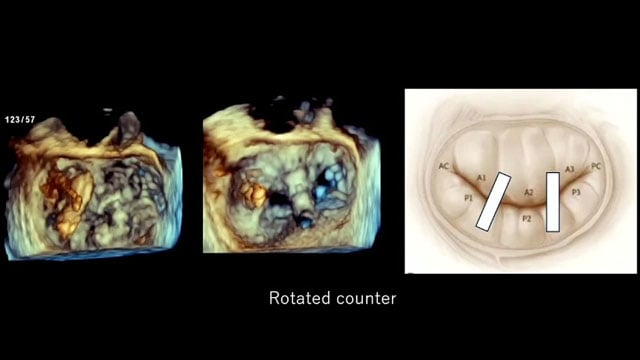
Learn how advanced imaging, careful anatomical assessment and tailored procedural strategies are helping expand the possibilities of mitral transcatheter edge-to-edge repair (M-TEER) in complex lesions.
Focusing on atrial secondary mitral regurgitation (SMR) and commissural mitral regurgitation, this EuroPCR 2026 session reviews evidence, showing that M-TEER can be...
Seeing differently, treating better: advanced imaging shaping modern structural heart practice
20 May 2026 – From EuroPCR 2026
This session explores the transformative role of advanced imaging, particularly 3D intracardiac echocardiography (ICE), in modern structural heart interventions. It provides practical insights into implementation, highlighting how these tools can enhance workflow efficiency and procedural confidence across transcatheter edge-to-edge repair (TEER), left atrial appendage (LAA) closure,...
Early evidence from a next generation coronary sinus reducer for the treatment of coronary microvascular dysfunction
20 May 2026 – From EuroPCR 2026
This EuroPCR 2026 session presents early clinical experience with a next-generation self-expanding nitinol coronary sinus reducer for patients with coronary microvascular dysfunction. It reviews practical aspects of device implantation and discusses initial findings from the SERRA I feasibility study, providing insight into this emerging therapeutic approach....
From access to reperfusion: a procedural deep dive into pulmonary embolism
20 May 2026 – From EuroPCR 2026
From vascular access to reperfusion strategy, managing acute pulmonary embolism requires rapid decision-making, careful patient selection and increasingly sophisticated interventional techniques.
This EuroPCR 2026 session takes a procedural deep dive into contemporary pulmonary embolism management, focusing on thrombus aspiration techniques and the evolving role of computer-assisted vacuum...
Breaking the calcium challenge: the power of Hertz with LithiX intravascular lithotripsy
20 May 2026 – From EuroPCR 2026
Calcified coronary lesions remain a major challenge in PCI, particularly when lesion rigidity limits device delivery and optimal stent expansion.
This EuroPCR 2026 session focuses on contemporary calcium modification strategies and the role of the Hertz contact intravascular lithotripsy (HC-IVL) system in simplifying treatment of complex calcified...
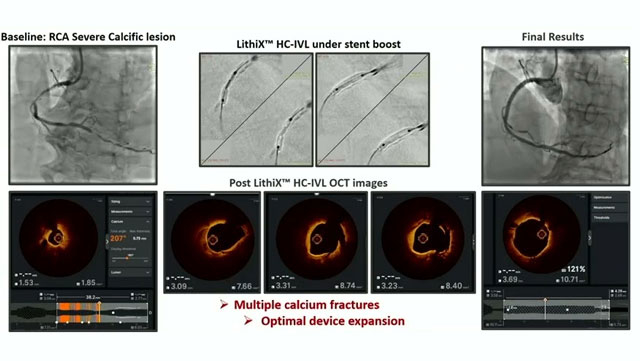
High definition IVUS-guided treatment strategies in calcified stenoses
20 May 2026 – From EuroPCR 2026
Severely calcified coronary stenoses remain one of the most challenging subsets in contemporary PCI, requiring precise lesion assessment and tailored treatment strategies.
This EuroPCR 2026 session focuses on how high-definition intravascular ultrasound (IVUS) is changing the way these lesions are approached in daily practice.
HD-IVUS enables detailed detection...
Evidence in action: advancing care for angina with Shockwave Reducer
20 May 2026 – From EuroPCR 2026
Despite major advances in coronary revascularisation and medical therapy, angina continues to represent a significant clinical burden, affecting both quality of life and long-term patient management.
This EuroPCR 2026 session explores the emerging role of the Shockwave Reducer as a therapeutic option in patients with persistent angina....
PRISM-PCI - From clarity to cure
20 May 2026 – From EuroPCR 2026
PRISM-PCI offers cutting-edge imaging innovations and treatment strategies aimed at optimizing complex PCI procedures. This session explores the 'leave nothing behind' concept with thin-strut bioresorbable scaffolds and sirolimus drug-coated balloons, updates on ultra thin-strut DES platforms, including the SORT OUT XII trial, and introduces a comprehensive...
DK Score Pro in focus: innovation, evidence, and everyday practice
20 May 2026 – From EuroPCR 2026
Watch this EuroPCR 2026 session to better understand how lesion preparation strategies can be optimised in complex PCI using directional scoring balloon technology with DK Score Pro.
Clinical evidence is reviewed, including insights from the SCORE CHINA registry, alongside practical considerations for integrating this approach into routine...
The continuum of valvular heart disease: a lifetime management approach
21 May 2026 – From EuroPCR 2026
This session offers a comprehensive perspective on valvular heart disease through the lens of lifetime management, highlighting the need for strategic planning across aortic, mitral, and tricuspid interventions, illustrating how treating one valve can influence the progression and management of others. Gain insights into optimal timing...
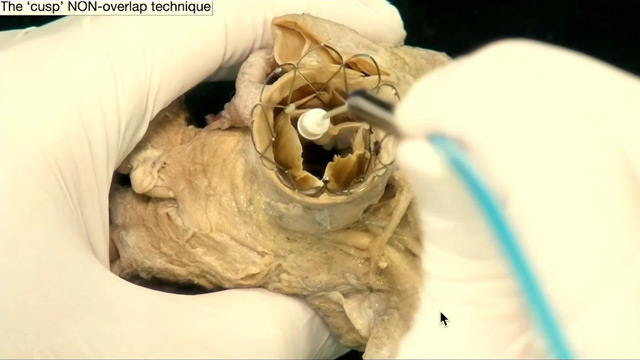
Large-bore thrombectomy in pulmonary embolism practice: when intervention matters
20 May 2026 – From EuroPCR 2026
Management of pulmonary embolism is increasingly shifting toward interventional strategies, where timing, patient selection and procedural expertise play a central role in improving outcomes.
Large-bore thrombectomy is examined as a key option within contemporary PE treatment, focusing on when intervention is most appropriate and how to optimise...
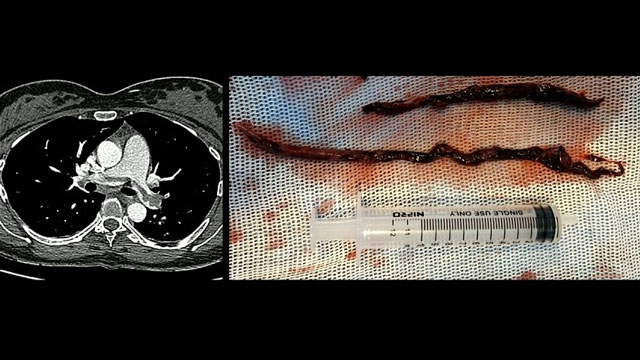
Navigating high-thrombus burden in ACS: precision aspiration thrombectomy with CAT RX
21 May 2026 – From EuroPCR 2026
This session explores the challenges of managing high thrombus burden in patients with acute coronary syndromes (ACS), with a focus on precision aspiration thrombectomy using the CAT RX device. Through case-based examples, it provides practical insights into procedural techniques and examines the role of CAT RX...
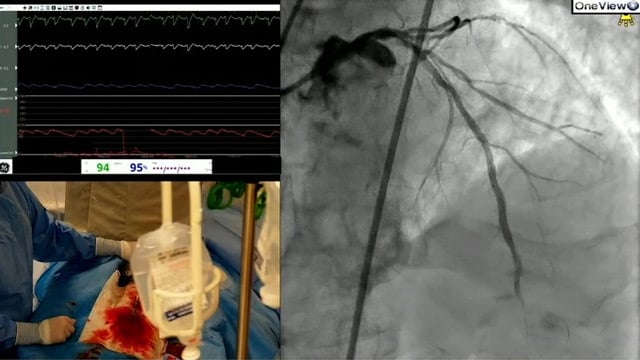
From angiography to precision PCI: integrating ACIST Pro contrast management system and high-definition IVUS imaging
21 May 2026 – From EuroPCR 2026
This EuroPCR 2026 session explores how advanced imaging and contrast management technologies can support a more precise and reproducible PCI workflow. The discussion focuses on the integration of the ACIST Pro contrast management system with high-definition intravascular ultrasound (IVUS) imaging to improve angiographic consistency, optimise contrast...
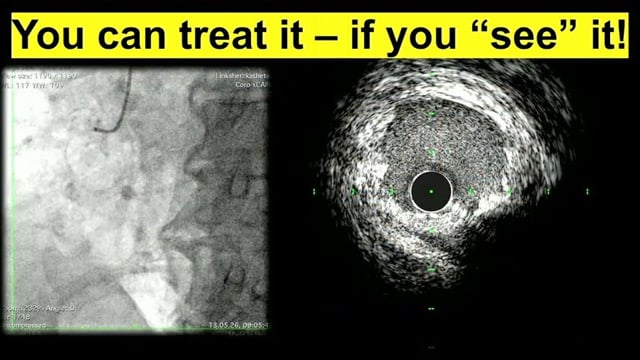
Simplify the complex with Shockwave C2 Aero - Next-generation coronary intravascular lithotripsy that delivers
21 May 2026 – From EuroPCR 2026
This EuroPCR 2026 session highlights the role of the next-generation Shockwave C2 Aero coronary intravascular lithotripsy system in the treatment of complex calcified coronary artery disease. Supported by real-world clinical experience and recent evidence, the discussion focuses on procedural safety, lesion preparation, and treatment consistency in...
Real world practice inspiring new evidence generation in structural heart
21 May 2026 – From EuroPCR 2026
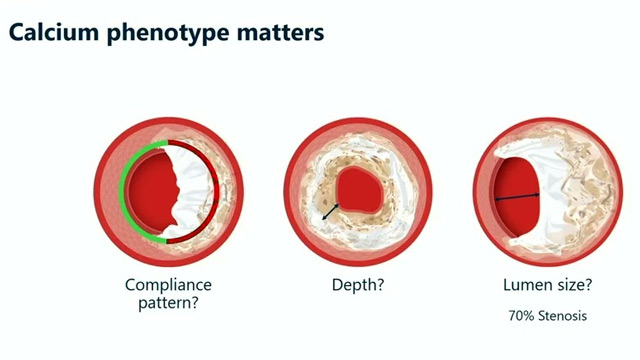
This LIVE case session showcases real-world clinical practice driving new evidence in structural heart interventions, with a focus on TAVI. It features expert insights into pre-procedural imaging and sizing, treatment strategies, procedural techniques, and post-procedural management. The session also introduces the novel Myval Octapro+ transcatheter heart...
Pulmonary embolism intervention: a turning point in defining success
21 May 2026 – From EuroPCR 2026
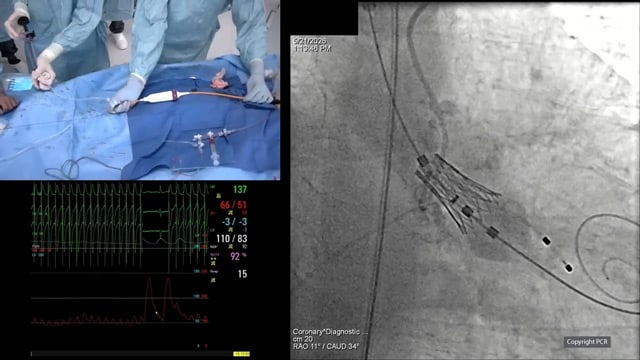
This session explores the evolving objectives of pulmonary embolism treatment, highlighting the shift from simple patient stabilisation to a more comprehensive approach to recovery. It introduces the novel Transforming Fixation (TFX) technology and its role in improving catheter stability and access to the pulmonary vasculature. Drawing...
Disrupting the aorta and valves: the next transcatheter wave
18 May 2026 – From EuroPCR 2026
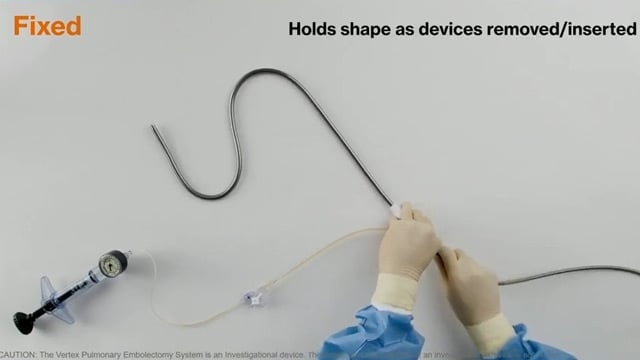
Delve into the next wave of transcatheter interventions disrupting the aorta and valves. This session covers pioneering minimally invasive ascending aortic repair, novel polymeric aortic valve implants, and innovative devices for tricuspid repair and leaflet replacement.